Origins, Composition, and Properties
Granite: The Robust Choice
Granite is an igneous rock that originates from the slow cooling of magma beneath the Earth’s surface. This process results in a complex, crystalline structure, giving granite its unique hardness and durability. Composed primarily of quartz, feldspar, and mica, granite is renowned for its strength and resistance to scratches, making it a preferred choice for countertops, flooring, and monuments.

The Formation of Granite
Granite formation typically takes millions of years. When magma cools slowly, the large crystals formed are visible to the naked eye, creating a beautiful, speckled appearance. This slow cooling process ensures that the minerals within granite are interlocked tightly, contributing to its exceptional hardness. The color variations in granite range from light to dark, often showcasing intricate patterns that make each piece unique.
Properties of Granite
Hardness and Durability: Granite’s hardness makes it an excellent choice for high-traffic areas. It can withstand heavy use and resist scratches, making it ideal for kitchen countertops and tabletops. Aesthetic Appeal: Granite’s natural beauty lies in its unique veining and color patterns. Each piece is one-of-a-kind, providing a personalized touch to any space. Heat Resistance: Granite can withstand temperatures up to 500 degrees Fahrenheit, making it safe for use with hot cookware and appliances. Low Maintenance: Granite surfaces are relatively easy to maintain. Regular cleaning with a mild soap and water solution is usually sufficient to keep them looking their best.
Marble: The Elegant Alternative
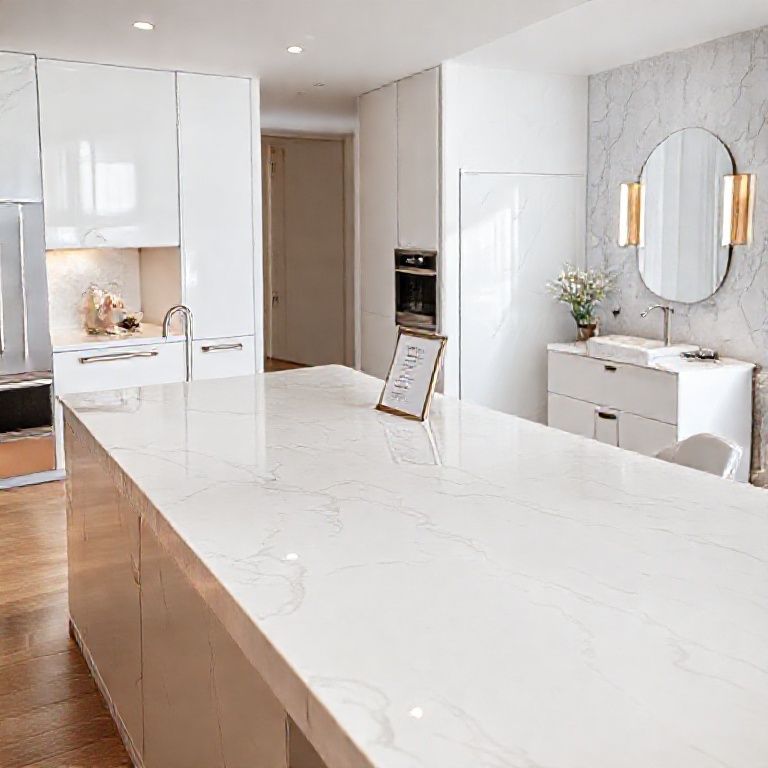
Marble, on the other hand, is a metamorphic rock formed when limestone is subjected to intense heat and pressure over millions of years. This transformation results in a new rock type, marble, characterized by its fine-grained texture and exquisite veining.
The Formation of Marble
Marble forms from the metamorphosis of limestone under high pressure and temperature. This process recrystallizes the calcium carbonate in the limestone, creating the marble we admire today. The resulting marble can exhibit a wide range of colors and patterns, from the classic white and gray of Carrara marble to the rich, deep hues of black and gold.
Properties of Marble
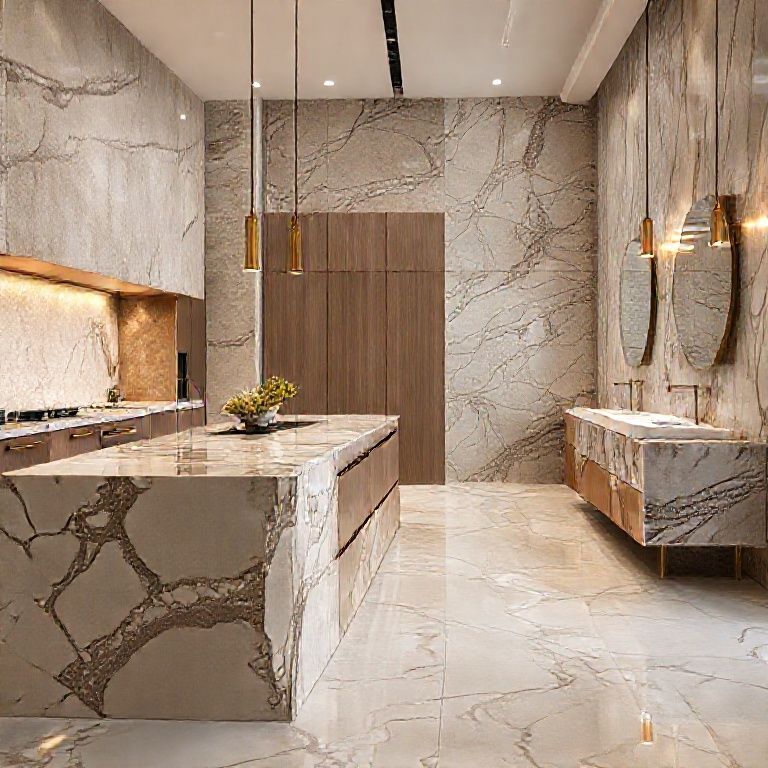
Elegance and Refinement: Marble’s smooth, polished surface gives it a luxurious, elegant appearance that enhances any space. It’s often used in high-end settings such as luxury bathrooms, dining areas, and office spaces. Variety of Colors: Marble comes in numerous colors and patterns, providing versatility in design. Popular marbles include white Carrara, black Calacatta, and pink Emperador. Porosity: While marble is beautiful, it is also porous, which means it can be susceptible to staining. Regular sealing is necessary to maintain its appearance. Heat Tolerance: Marble can withstand temperatures up to 200 degrees Fahrenheit, making it suitable for cooking surfaces, but it should not be used with direct flame to avoid cracking.
Comparative Analysis
While both granite and marble are celebrated for their natural beauty and timeless appeal, they each offer unique characteristics that cater to different design preferences and functional requirements.
Durability
Granite’s igneous nature gives it a superior level of hardness and durability compared to marble. This makes it a better choice for high-traffic areas where constant wear and tear are expected. Marble, although beautiful, is more prone to scratches, stains, and etching, which can diminish its aesthetic over time.
Maintenance
Granite requires minimal maintenance. Regular cleaning with mild soap and water keeps it in excellent condition. In contrast, marble needs more care due to its porous nature. It must be sealed regularly to prevent staining and etching, which can compromise its appearance.
Aesthetic Appeal
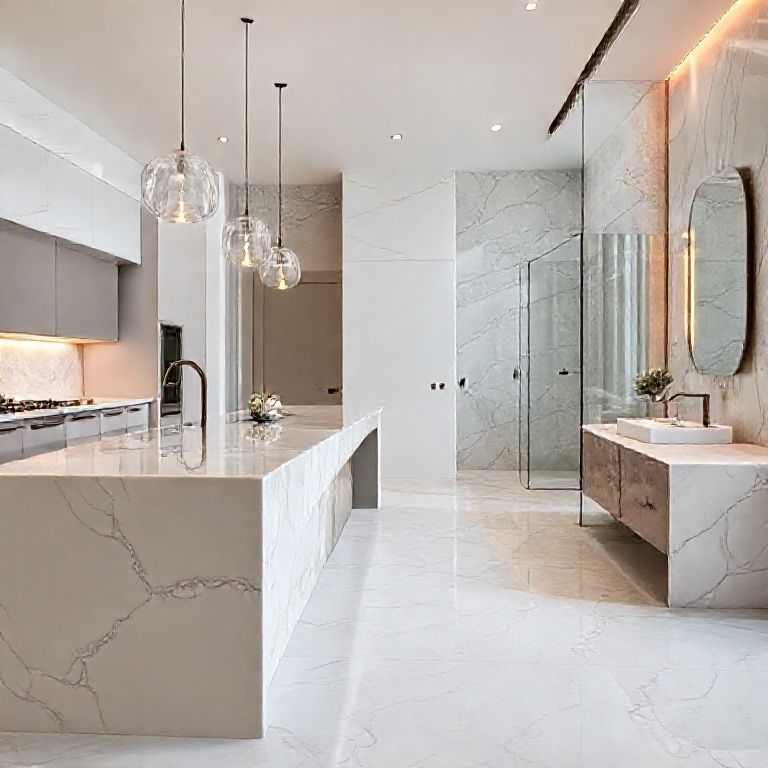
Both granite and marble offer stunning visual appeal, but they do so in different ways. Granite’s unique veining and color patterns provide a rugged, natural look that adds warmth and character to a space. Marble, with its smooth, polished surface and wide range of colors, offers a sleek, refined elegance that is perfect for luxury settings.
Cost
Granite is generally more affordable than marble, making it a popular choice for those looking for a high-quality yet budget-friendly option. Marble, with its luxurious appearance and versatility in color, tends to be more expensive but often justifies the cost with its timeless beauty.
Conclusion
In conclusion, both granite and marble have their own unique strengths that make them valuable choices for different applications. Granite’s robustness and low maintenance make it ideal for high-traffic areas, while marble’s elegance and versatility cater to spaces where luxury and beauty are paramount. Understanding the differences between these two stones will help you make an informed decision that aligns with your design vision and functional needs.
Applications, Sustainability, and Future Trends
Applications of Granite
Countertops and Kitchens
Granite’s durability and heat resistance make it an excellent choice for kitchen countertops. Its resistance to scratches and stains means that it can withstand the rigors of daily use without showing signs of wear. Moreover, its natural beauty adds a touch of elegance to any kitchen, enhancing both functionality and aesthetics.
Flooring and Wall Cladding
Granite is also popular for flooring and wall cladding due to its hardness and resistance to wear. It provides a long-lasting, low-maintenance solution that can enhance the durability and appearance of any space. Whether used in homes, offices, or commercial buildings, granite’s timeless appeal makes it a versatile choice for various applications.
Monuments and Sculptures
Historically, granite has been used for monuments and sculptures because of its durability and ability to hold intricate carvings. Its strength ensures that these structures can withstand the test of time, making it a preferred material for memorials, statues, and other significant works.
Applications of Marble
Bathrooms and Spas
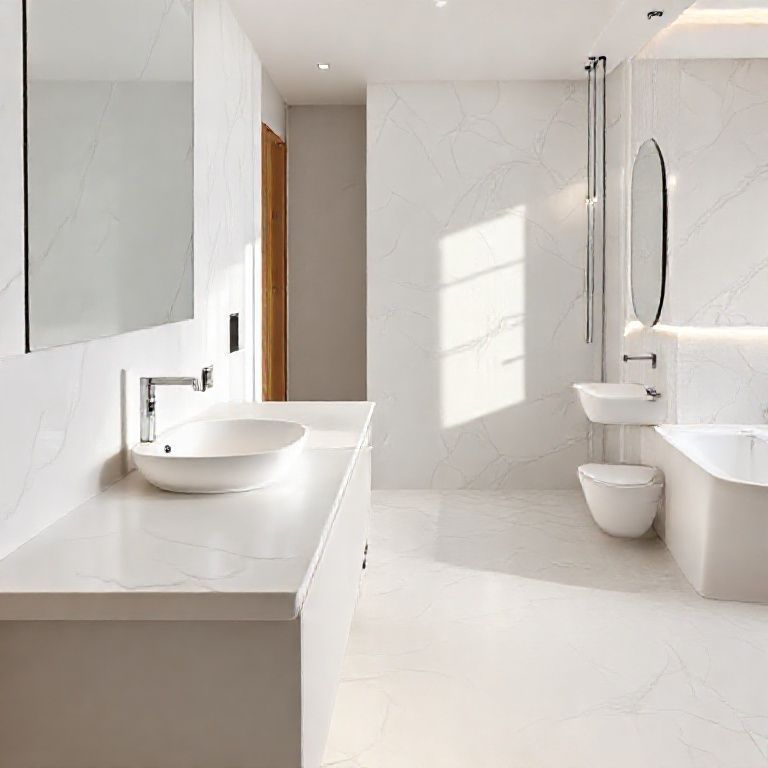
Marble’s smooth, polished surface and range of colors make it a popular choice for bathrooms and spas. Its elegant appearance enhances the luxurious feel of these spaces, while its heat resistance ensures it can withstand the high moisture levels typically found in these areas.
Dining Rooms and Kitchens
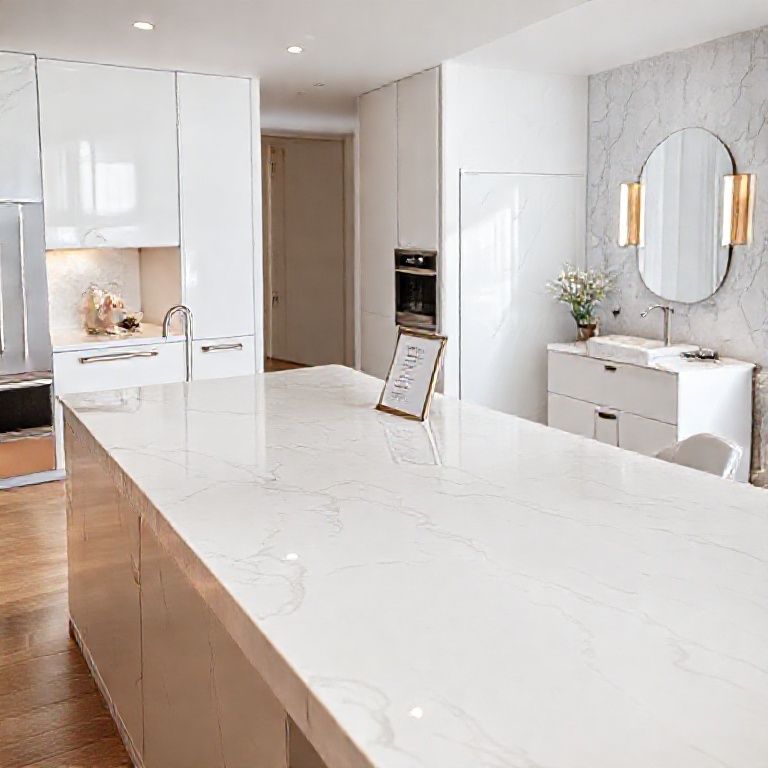
In dining rooms and kitchens, marble’s beauty and versatility shine through. It provides a touch of elegance and sophistication that complements fine dining and modern culinary practices. Its ability to come in various colors and patterns allows for creative design possibilities that can elevate the aesthetic of any dining or kitchen area.
Interior Design and Architectural Elements
Marble is widely used in interior design and architecture for its luxurious appearance and timeless appeal. It can be used for flooring, wall cladding, staircases, and other architectural elements to create a sense of grandeur and elegance. Its versatility allows it to blend seamlessly with various design styles, from classical to contemporary.
Sustainability Considerations
Granite
Granite is a naturally occurring material, which means that it is sustainably sourced. It is mined using environmentally responsible practices that minimize environmental impact. Granite’s durability also contributes to sustainability by reducing the need for frequent replacements, thereby conserving resources.
Marble
Marble, like granite, is a naturally occurring stone, but its extraction can have a greater environmental impact due to the intensive mining processes required. While marble is also sustainably sourced, its production can involve more significant ecological considerations compared to granite. However, advancements in mining and processing technologies aim to mitigate these impacts.
Future Trends
Innovations in Granite
Advancements in granite technology are making this material even more versatile and sustainable. Innovations such as engineered granite and new sealing techniques are enhancing its durability and resistance to stains and scratches. Additionally, sustainable mining practices and recycling initiatives are helping to reduce the environmental footprint of granite.
Innovations in Marble
In marble, the focus is on developing more durable and low-maintenance varieties. New technologies are being used to create marble with improved resistance to stains and etching, making it easier to maintain without compromising its aesthetic appeal. Efforts to improve the sustainability of marble mining and processing are also underway to ensure that this beautiful stone can continue to be used responsibly.
Hybrid Materials
In both granite and marble industries, there is a growing trend towards hybrid materials that combine the best properties of both stones. These materials offer the durability and low maintenance of granite with the elegance and versatility of marble. Innovations in this area promise to provide even more options for designers and homeowners looking for the perfect balance of beauty and functionality.
Conclusion
In conclusion, the debate between granite and marble is not just about choosing a beautiful stone but also about understanding the unique properties and applications that each material offers. Granite’s robustness and low maintenance make it ideal for high-traffic areas, while marble’s elegance and versatility cater to spaces where luxury and beauty are paramount. As advancements in technology continue to enhance the sustainability and performance of these materials, the future looks promising for both granite and marble. Whether you’re designing a new space or considering a renovation, understanding the distinctions between these two stones will help you make a choice that aligns with your design vision and functional needs.
By exploring继续探讨石材在现代建筑和室内设计中的应用,可以更深入地了解其在不同环境中的表现和潜在优势。这不仅有助于设计师和建筑师做出更明智的选择,还能为未来的建筑和设计趋势提供参考。
现代建筑中的石材应用
1. 商业建筑
在商业建筑中,石材常用于外墙装饰和内部地板。大理石的光滑表面和丰富的颜色选择使其成为高端商业空间的理想选择。例如,高级酒店、购物中心和办公楼经常采用大理石来提升空间的奢华感。
2. 住宅建筑
在住宅建筑中,石材被广泛应用于厨房和浴室的台面、地板和墙面。花岗岩台面因其耐用性和易于维护而受到厨房设计师的青睐。大理石浴室设计不仅提供视觉上的美感,还能够通过其独特的纹理和颜色提升浴室的高级感。
3. 公共建筑
在公共建筑如博物馆、图书馆和大楼中,石材常用于外墙和内部的地板以及装饰性柱子。其耐久性和美观性使其成为公共建筑的理想材料,能够经受住时间的考验,同时展示出一种永恒的质感。
室内设计中的石材应用
1. 地板和墙面
石材地板和墙面在现代室内设计中非常流行。花岗岩和大理石地板不仅提供高耐用性,还能够通过不同的切割和抛光技术展现出丰富的纹理和色彩。这使得设计师能够根据不同的设计需求选择最合适的石材。
2. 家具
石材也被用于制作各种家具,如桌子、椅子和书柜。这不仅提供了独特的美学价值,还能够增加家具的耐用性和独特性。例如,石材桌面因其耐刮擦和抗热性而成为现代家具设计的热门选择。
3. 艺术装饰
石材常用于各种艺术装饰品,如雕塑、壁饰和花瓶。其天然的美感和多样的颜色使其成为艺术家们创作的重要材料。例如,大理石雕塑常常被用于室内外的装饰,以增加空间的艺术氛围。
未来趋势
1. 可持续性
随着环保意识的增强,石材行业正在探索更加可持续的采购和加工方法。例如,通过开发再生石材和使用低碳技术来减少对环境的影响。设计师们也在寻找如何更好地利用废料和二次材料来减少浪费。
2. 新材料
未来,新型的复合石材和创新的石材复合材料可能会崭露头角。这些新材料结合了石材的优点,同时通过工程技术增强其性能,从而应用于更广泛的建筑和设计领域。
3. 技术进步
现代技术如3D打印和数字化设计工具正在改变石材的加工和应用方式。这不仅提高了石材的加工精度,还能够创造出更加复杂和独特的设计。
结论
石材在现代建筑和室内设计中的应用范围广泛且不断扩展。无论是花岗岩还是大理石,它们都以其独特的美学价值和卓越的耐用性成为设计师和建筑师的首选材料。随着技术的进步和环保意识的增强,石材的应用将会更加多样化和可持续。在未来的设计和建筑项目中,石材无疑将继续发挥其重要作用。