
Sure, I can help you with that! Here’s a soft article comparing artificial stone and natural stone, written in English, with the theme “人造石和天然石哪种好” (Which is better, artificial stone or natural stone?).

The allure of stone in interior design is undeniable. For centuries, humans have sought to bring the beauty and resilience of the earth into their living spaces, adorning everything from ancient temples to modern kitchens. Today, this pursuit has evolved into a sophisticated array of choices, primarily centered around two distinct categories: natural stone and artificial stone. Each boasts a unique set of characteristics, promising to elevate your home’s aesthetic and functionality. But when faced with the decision, the age-old question arises: which is truly better?
Natural stone, a marvel of geological artistry, is directly quarried from the earth. Think of the majestic granite, with its robust speckled patterns, or the ethereal marble, veined with delicate, almost painterly strokes. These materials are born from immense pressure and heat over millennia, resulting in unparalleled uniqueness and a depth of character that is simply unreplicable. Each slab of natural stone is a one-of-a-kind masterpiece, bearing the subtle imperfections and variations that tell a story of its ancient origins. This inherent individuality is a significant part of its charm, offering a sense of exclusivity and timeless elegance to any environment.
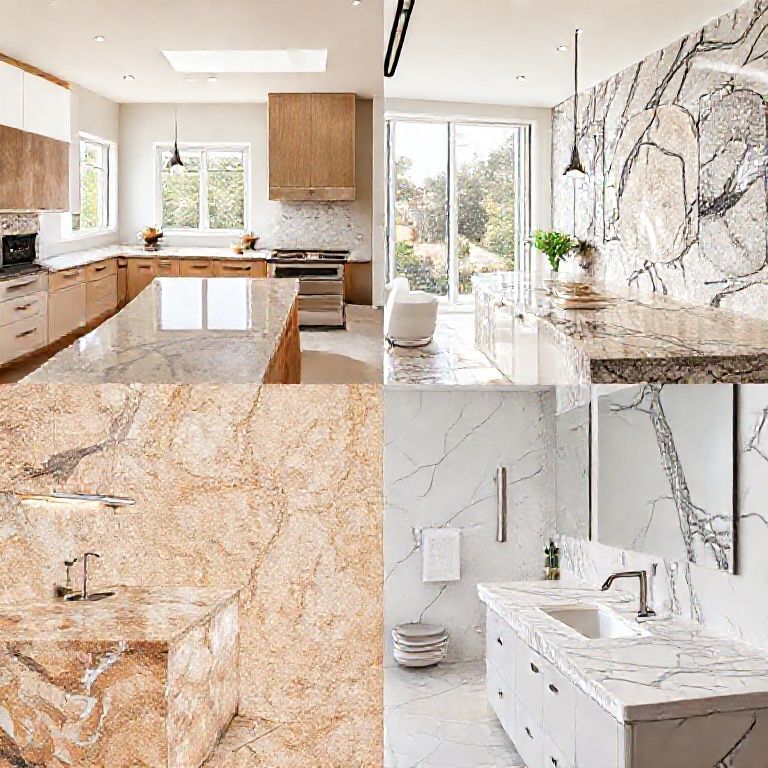
The aesthetic appeal of natural stone is often its most celebrated attribute. Granite, for instance, comes in a breathtaking spectrum of colors and patterns, from deep, dramatic blacks and rich, earthy reds to subtle grays and creamy whites. Its natural sparkle, often due to flecks of mica and feldspar, adds a touch of luxury. Marble, on the other hand, is synonymous with opulence and sophistication. Its cool, smooth surface and the distinctive veining, whether bold and dramatic or subtle and wispy, evoke a sense of classic grandeur. Other natural stones like travertine, with its porous texture and earthy tones, or slate, with its natural cleft surface and deep, rich colors, offer different yet equally captivating personalities to a design. The sheer variety available means that no two natural stone installations will ever be precisely the same, offering a truly bespoke feel to your home.
Beyond aesthetics, natural stone is celebrated for its inherent durability. Granite, in particular, is renowned for its hardness, making it highly resistant to scratches, heat, and stains. This makes it an ideal choice for busy kitchen countertops where it can withstand the rigors of daily use, from chopping vegetables to placing hot pots. Marble, while beautiful, is softer and more porous than granite. It is susceptible to etching from acidic substances like lemon juice or vinegar, and can stain if spills are not promptly wiped up. However, its rich history of use in sculpture and fine architecture attests to its enduring quality. Properly sealed and maintained, natural stone can last a lifetime, becoming a treasured feature of a home for generations.
However, the natural beauty of stone comes with its own set of considerations. One of the most significant is cost. Natural stone, especially rarer varieties or those with particularly striking patterns, can be a considerable investment. The process of quarrying, transporting, and fabricating these materials is labor-intensive and requires specialized equipment, all of which contribute to the overall price. Furthermore, the unique nature of each slab means that careful selection and planning are crucial to ensure that the pattern and color will complement your design and that there will be enough material without significant waste.
Maintenance is another factor to consider. While granite is relatively low-maintenance, it does require periodic sealing to prevent staining, especially in high-traffic areas. Marble, as mentioned, needs more diligent care due to its susceptibility to etching and staining. Regular cleaning with pH-neutral cleaners and prompt attention to spills are essential to preserve its pristine appearance. This means that natural stone may not be the most practical choice for individuals seeking a completely carefree material. The inherent porosity of some natural stones also means that they can harbor bacteria if not properly cleaned and sealed, which is an important consideration for kitchens and bathrooms.
The extraction of natural stone also raises questions about environmental impact. Quarrying operations can alter landscapes, and the transportation of heavy stone slabs across long distances consumes significant energy. While many stone suppliers are increasingly adopting more sustainable practices, the environmental footprint of natural stone is a valid point of discussion for the eco-conscious homeowner.
Despite these considerations, the enduring appeal of natural stone lies in its authenticity. It’s a piece of the earth brought into your home, carrying a story and a tangible connection to the natural world. Its unparalleled beauty, unique character, and proven longevity make it a cherished choice for those who value timeless elegance and are willing to invest in its care and preservation. The feeling of running your hand over the cool, smooth surface of a marble countertop or admiring the intricate patterns of a granite backsplash is an experience that artificial materials often strive to emulate but rarely truly capture. It’s a choice that speaks to a desire for inherent quality and a connection to something ancient and enduring.
In contrast to the ancient artistry of natural stone, artificial stone, also known as engineered stone, represents a modern marvel of material science. It’s a product of human ingenuity, meticulously crafted to combine the desirable qualities of natural stone with enhanced performance and greater design flexibility. Typically composed of finely ground natural stone (often quartz) mixed with resins, polymers, and pigments, artificial stone offers a compelling alternative that addresses some of the limitations of its natural counterparts.
The most prevalent form of artificial stone is quartz. Unlike granite or marble, quartz countertops are manufactured, not quarried directly from the earth in their final form. This controlled manufacturing process allows for a remarkable consistency in color and pattern, while also offering a vast array of aesthetic options. From solid, uniform colors that provide a sleek, minimalist look to intricate patterns that mimic the veining of marble or the speckles of granite, engineered quartz can be designed to suit virtually any interior design scheme. The ability to precisely control the composition and color means that you can achieve a specific look that might be difficult or prohibitively expensive to find in natural stone. This consistency is a significant advantage for larger projects or for designers seeking a predictable and cohesive look.
One of the most significant advantages of artificial stone, particularly engineered quartz, is its exceptional durability and low maintenance. Quartz is one of the hardest natural minerals, and when incorporated into engineered stone, it results in a surface that is incredibly resistant to scratches, chips, and cracks. Furthermore, the resins used in its composition create a non-porous surface. This is a game-changer for kitchens and bathrooms. The non-porous nature means that it is highly resistant to staining from common household culprits like coffee, wine, and oil. It also prevents the absorption of moisture and the growth of bacteria, making it a more hygienic choice.
The low-maintenance aspect of artificial stone is a major draw for busy households. Unlike natural stone, engineered quartz does not require sealing. Regular cleaning is typically as simple as wiping down the surface with a damp cloth and a mild detergent. It can withstand the heat of everyday cooking without the need for trivets, although it’s always wise to exercise some caution with extreme heat. The resistance to stains and the ease of cleaning make it an incredibly practical choice for those who desire a beautiful countertop that requires minimal upkeep. This “set it and forget it” quality appeals to a broad range of homeowners looking for both beauty and functionality.
The consistency and predictability of artificial stone also contribute to its cost-effectiveness. While high-end engineered quartz can certainly be expensive, it often offers a more stable price point compared to exotic natural stones. Because the manufacturing process is controlled, the cost is less susceptible to the vagaries of quarry availability and extraction challenges. Furthermore, the non-porous nature and inherent durability mean that, over the long term, it can be a more economical choice due to its longevity and reduced need for specialized cleaning products or resealing. For those on a budget who still desire the look and feel of stone, engineered stone provides a fantastic balance of affordability and quality.
However, artificial stone is not without its own set of trade-offs. While it can mimic the look of natural stone remarkably well, it may lack the unique, organic character that some homeowners cherish. The perfect uniformity of some quartz patterns can, for some, feel a little manufactured and less soulful than a naturally occurring marble vein or granite speckle. If your heart is set on a truly one-of-a-kind piece with the inherent variations that speak to the earth’s raw beauty, artificial stone might not fully satisfy that desire.
Another consideration is its heat resistance. While quartz is very heat tolerant, the resins used in its composition can be susceptible to damage from prolonged exposure to extreme heat. High-temperature pots or pans placed directly on the surface for an extended period can cause discoloration or even scorching. Therefore, while it’s more forgiving than some natural stones, using trivets or hot pads is still recommended for maximum longevity and to avoid potential damage.
The environmental impact of artificial stone is also a point of discussion. While it utilizes natural quartz, the manufacturing process involves the use of resins and polymers, which are petroleum-based. The energy required for manufacturing and transportation also contributes to its footprint. However, many manufacturers are making efforts to improve their sustainability practices, using recycled materials and reducing waste in their production processes. The longevity and durability of artificial stone also mean that it doesn’t need to be replaced as frequently, which can be seen as an environmental benefit in the long run.
Ultimately, the choice between artificial and natural stone is a deeply personal one, dictated by your priorities, your budget, and your aesthetic vision. If you crave the inimitable, organic beauty and the story of geological time that only natural stone can offer, and you are prepared for the investment in its maintenance and care, then a piece of granite or marble might be your perfect fit. On the other hand, if you prioritize unyielding durability, effortless maintenance, a vast array of design options, and consistent quality, then engineered stone, particularly quartz, presents a compelling and often more practical solution. Both materials have the power to transform a house into a home, offering enduring beauty and functionality for years to come. The “better” choice isn’t about inherent superiority, but about finding the perfect match for your life and your dreams.









