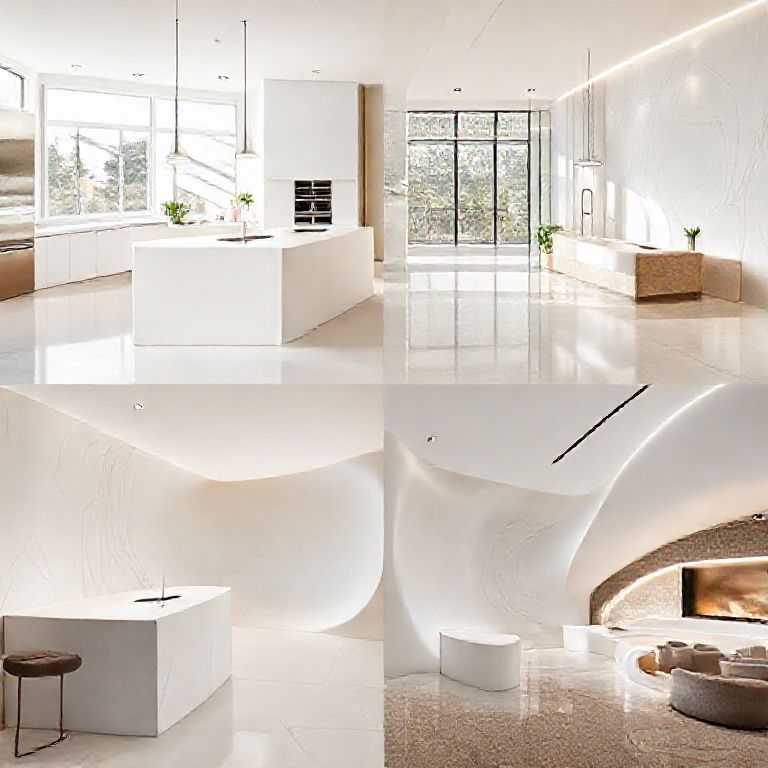
Discover the multifaceted benefits of using synthetic stone for handwash basin countertops. This comprehensive guide explores the durability, aesthetic appeal, and maintenance-free nature of synthetic stone, making it an excellent choice for modern bathroom designs.
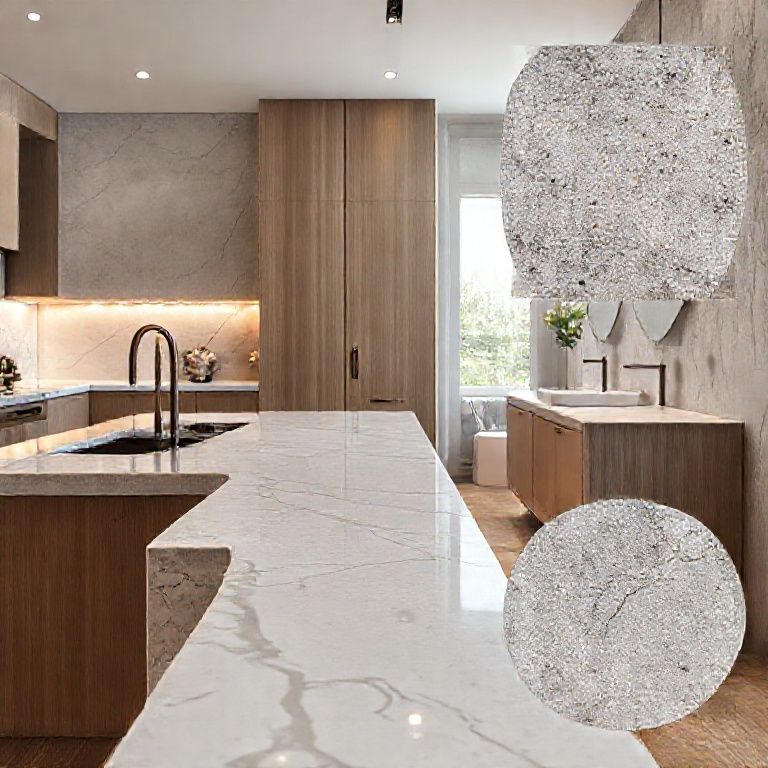
The Timeless Elegance and Practicality of Synthetic Stone for Handwash Basin Countertops
Introduction to Synthetic Stone
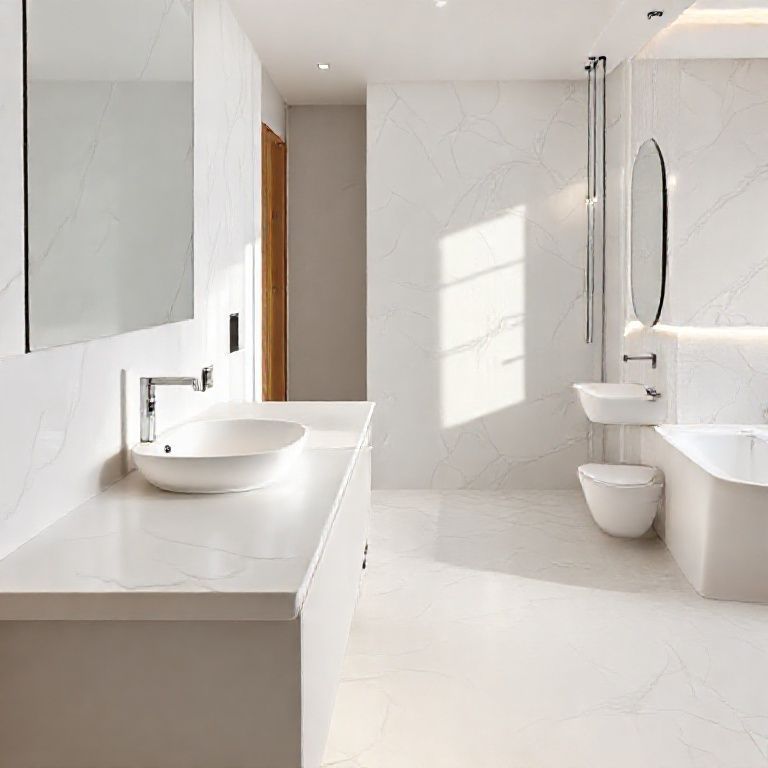
In the world of interior design, synthetic stone has emerged as a versatile and compelling alternative to traditional natural stones like marble, granite, and quartz. This material is crafted from a blend of minerals, resins, and pigments, allowing it to mimic the look of natural stone while offering unparalleled benefits. When it comes to bathroom design, synthetic stone for handwash basin countertops stands out as a popular choice for both aesthetics and functionality.
Durability and Strength
One of the most compelling reasons to choose synthetic stone for a handwash basin countertop is its superior durability. Unlike natural stone, synthetic stone is not prone to cracking, chipping, or staining. This makes it an ideal choice for high-traffic areas like bathrooms where surfaces are constantly exposed to water, soap, and cleaning agents.
Corrosion Resistance: Synthetic stone is highly resistant to acid and alkaline substances, ensuring that it remains intact even in harsh environments. Longevity: The longevity of synthetic stone is remarkable. It maintains its structural integrity and aesthetic appeal over many years, eliminating the need for frequent repairs or replacements. Easy to Install: Synthetic stone is lightweight, making it easier to install compared to natural stone. This also means that it can be cut and shaped with precision, allowing for custom designs to suit any bathroom layout.
Aesthetic Appeal
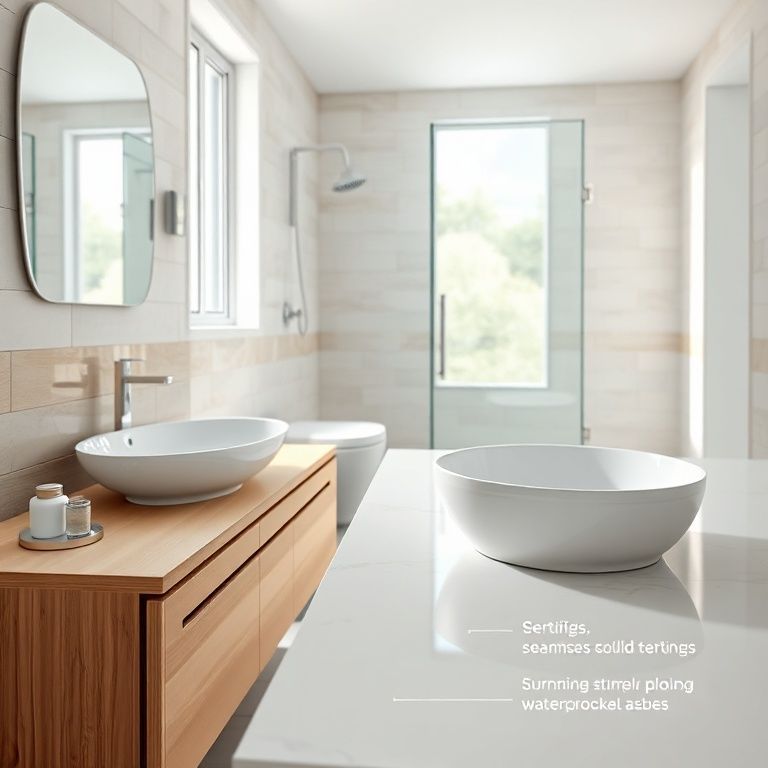
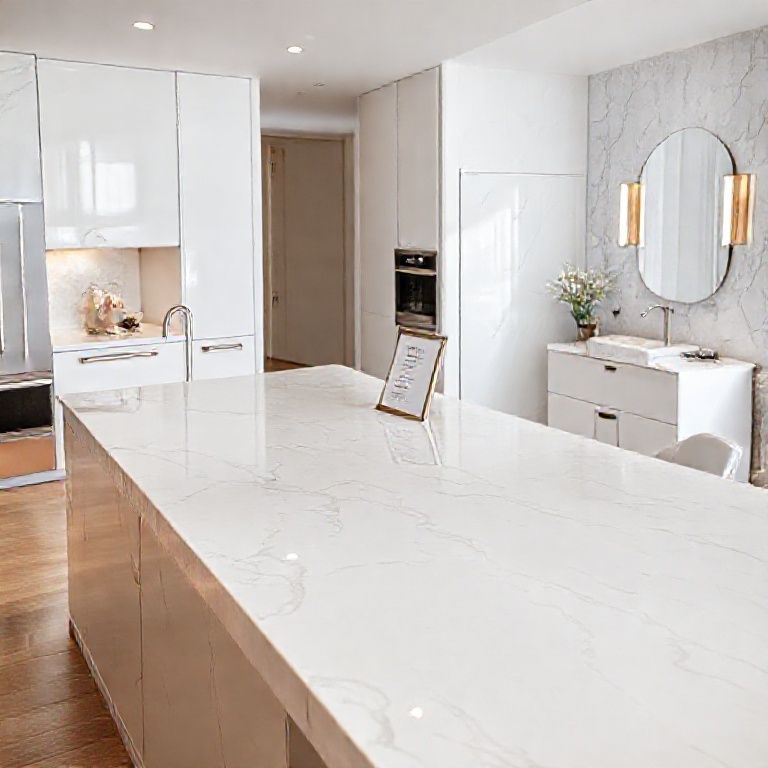
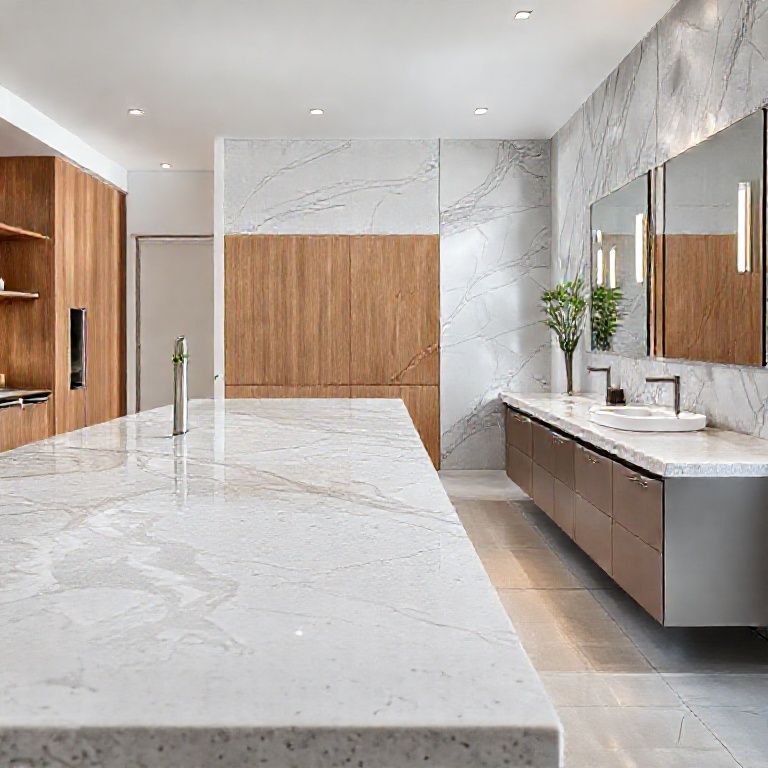
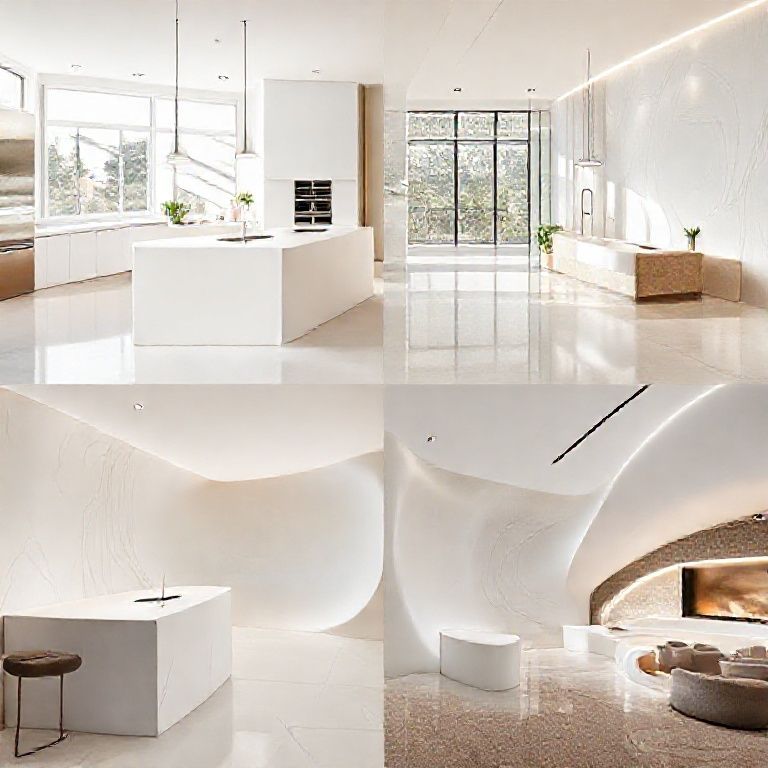
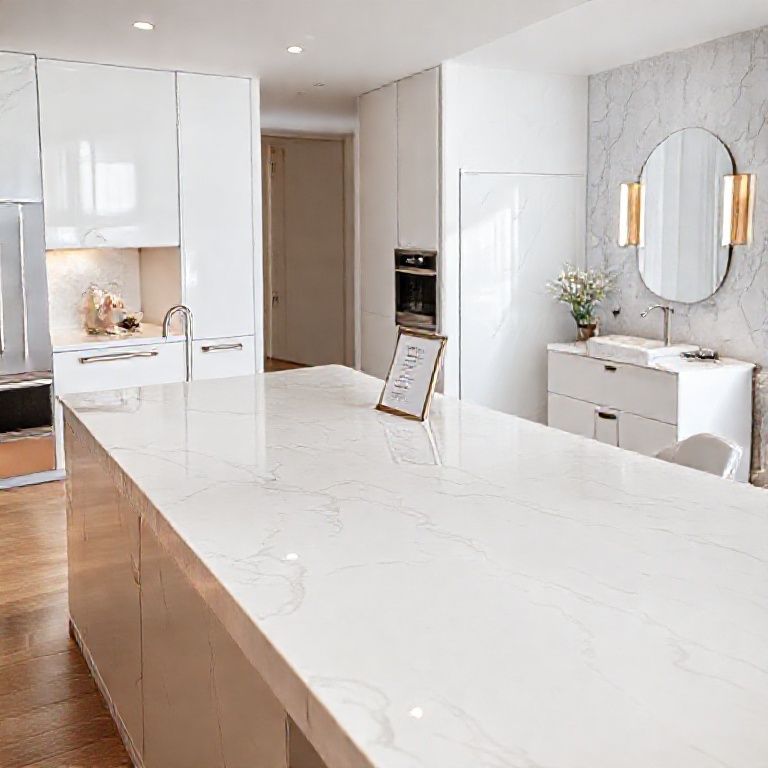
Synthetic stone offers a vast array of colors and textures that closely mimic natural stone, providing an exquisite visual experience. Its aesthetic versatility allows designers to create unique, personalized bathroom spaces.
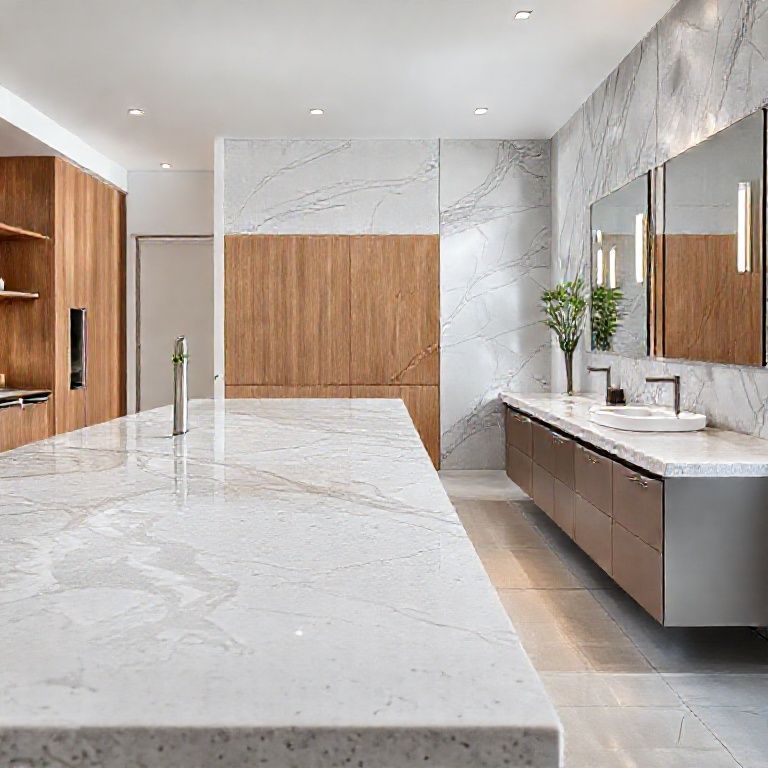
Variety of Finishes: From sleek, polished surfaces to textured, rustic finishes, synthetic stone can be tailored to match any design preference. This flexibility ensures that it can blend seamlessly with modern, traditional, or even minimalist styles. Natural Look: High-quality synthetic stone can replicate the look of popular natural stones such as marble, granite, and quartz, without the high cost. This allows homeowners to achieve a luxurious appearance without breaking the bank. Customization: Designers can use synthetic stone to create intricate patterns and designs, offering a level of customization that natural stone may not provide.
Maintenance-Free
The maintenance-free nature of synthetic stone is one of its most attractive features. Unlike natural stone, which often requires sealing and regular maintenance to prevent staining and deterioration, synthetic stone offers a hassle-free solution.
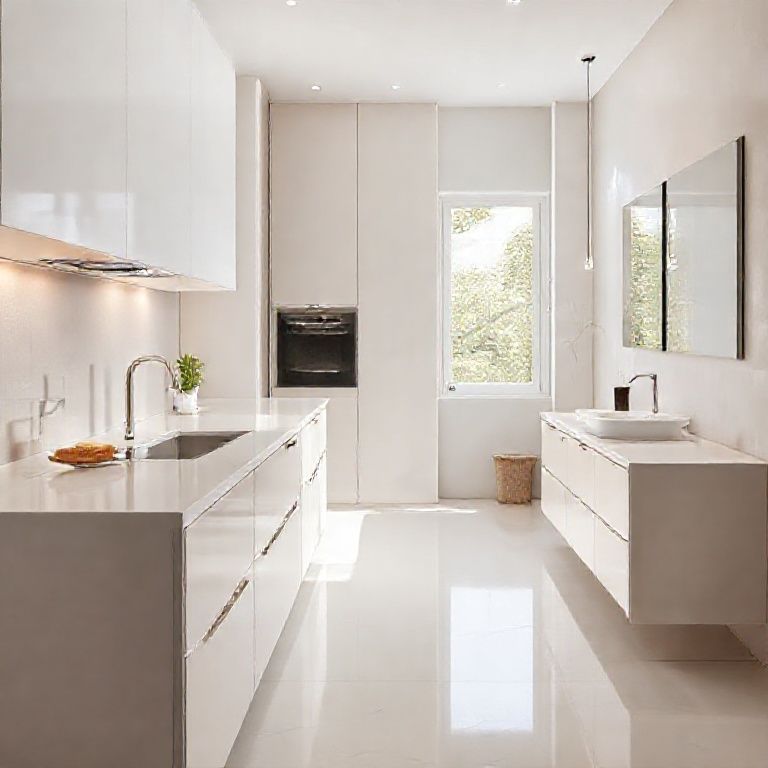
Low Maintenance: Synthetic stone countertops do not require sealing, polishing, or regular cleaning routines. They are easy to clean with basic household cleaners and are not susceptible to water spots or stains. Easy to Clean: The surface of synthetic stone is non-porous, which means it does not absorb liquids or harbor bacteria. This makes it particularly suitable for handwash basins where cleanliness is paramount. Versatility in Cleaning: Despite its durability, synthetic stone can withstand the rigors of daily cleaning without losing its appearance or integrity.
Cost-Effectiveness
One of the primary reasons to consider synthetic stone for handwash basin countertops is its cost-effectiveness. While natural stones can be prohibitively expensive, synthetic stone provides a luxurious alternative at a fraction of the cost.
Affordable: Synthetic stone is generally more affordable than natural stone, making it accessible to a wider range of homeowners. Value for Money: Despite its lower price point, synthetic stone offers superior durability and aesthetic appeal, providing excellent value for money. No Hidden Costs: Unlike natural stone, synthetic stone does not require additional treatments or maintenance, which can add to the overall cost. This makes it a cost-effective choice in the long run.
Environmental Considerations
In an era where environmental sustainability is a significant concern, synthetic stone offers a more eco-friendly option compared to traditional natural stone.
Sustainable Production: The manufacturing process for synthetic stone often involves fewer environmental impacts compared to the extraction and transportation of natural stone. Reduced Waste: Synthetic stone can be manufactured with a high degree of precision, resulting in less waste during the production and installation process. Longevity: The longevity of synthetic stone means fewer replacements are needed over time, further reducing waste and the environmental footprint.
Conclusion
Synthetic stone for handwash basin countertops represents a perfect blend of beauty, durability, and practicality. Its resistance to stains, chips, and corrosion, combined with its aesthetic versatility and low maintenance requirements, makes it an outstanding choice for modern bathroom designs. As a cost-effective and environmentally friendly option, synthetic stone is poised to redefine the standards of bathroom countertops, offering timeless elegance and unparalleled functionality.
The Timeless Elegance and Practicality of Synthetic Stone for Handwash Basin Countertops
Design Flexibility and Customization
Synthetic stone’s ability to be molded and shaped into various forms makes it a highly adaptable material for bathroom design. Its design flexibility and customization options allow for unique and tailored solutions that can complement any architectural style.
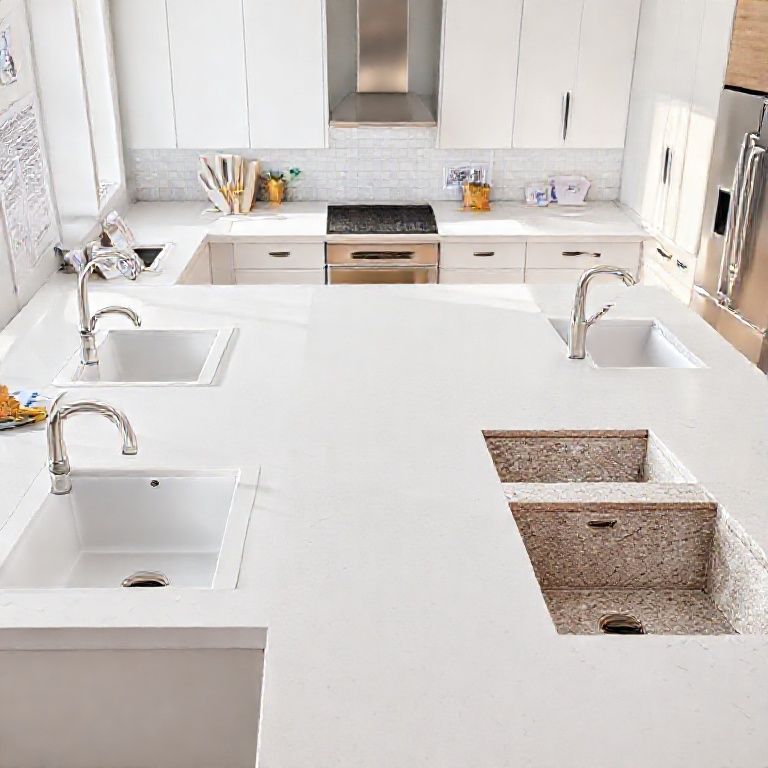
Unique Shapes and Sizes: Synthetic stone can be cut into any shape or size, allowing designers to create bespoke countertops that fit perfectly within the space. This is particularly advantageous for custom handwash basins where standard sizes may not suffice. Intricate Designs: The material’s malleability enables the creation of intricate designs, from elaborate mosaics to seamless, large-scale slabs. This versatility ensures that synthetic stone can be used to achieve any desired aesthetic outcome. Color and Texture Variety: With a wide range of colors and textures available, synthetic stone provides designers with the freedom to choose the perfect combination that matches the overall design theme of the bathroom.
Heat Resistance
Another significant advantage of synthetic stone is its excellent heat resistance. This property makes it an ideal choice for areas where hot water is frequently used, such as handwash basins.
High Tolerance: Synthetic stone can withstand high temperatures without degrading, making it suitable for hot water faucets and heated towel racks. Safety: Its heat resistance ensures that synthetic stone countertops do not warp or crack under high-temperature conditions, providing a safe and reliable surface. Durability: The ability to endure high temperatures without damage means that synthetic stone retains its appearance and integrity over time.
Chemical Resistance
The chemical resistance of synthetic stone is another critical factor that makes it a superior choice for handwash basin countertops.
Resistant to Chemicals: Synthetic stone is resistant to a wide range of chemicals, including cleaning agents, soaps, and detergents, which are commonly used in bathrooms. This resistance ensures that the countertop remains pristine and unmarred by regular cleaning. Non-Porous Surface: The non-porous nature of synthetic stone means that it does not absorb chemicals, which can lead to stains or damage over time. This ensures long-lasting protection and preservation of the countertop’s appearance. Easy to Maintain: The chemical resistance of synthetic stone means that it can withstand the daily rigors of bathroom use without requiring special maintenance or protection.
Versatility in Bathroom Applications
Synthetic stone’s versatility extends beyond just the countertop. It can be used in various other areas of the bathroom, enhancing both its functionality and aesthetic appeal.
Vanity Tops: Beyond handwash basins, synthetic stone can be used for vanity tops, offering a sleek and durable surface that is easy to clean and maintain. Shower Walls: Synthetic stone can also be used for shower walls, providing a waterproof and mold-resistant surface that enhances the overall bathroom design. Backsplashes: The material’s durability and aesthetic flexibility make it an excellent choice for kitchen backsplashes, extending its benefits to other areas within the home. Decorative Elements: Synthetic stone can be used to create decorative elements such as wall art, tile inserts, and even sculptural features, adding a touch of elegance and sophistication to the bathroom.
Installation and Repair
The installation and repair of synthetic stone countertops are straightforward processes, which adds to its appeal for both designers and homeowners.
Easy Installation: Synthetic stone is lightweight and easy to install, often requiring minimal preparation of the subfloor. This ease of installation translates into cost savings and reduced labor time. Minimal Tools Required: The installation process typically requires basic tools, such as a saw for cutting and adhesives for securing the stone in place. This simplicity ensures that even non-professionals can manage the installation with minimal difficulty. Repairs: In the rare event that damage occurs, synthetic stone can be repaired relatively easily. Chips and small cracks can often be filled with a matching resin, restoring the countertop to its original condition without the need for replacement.
Innovation and Future Trends
The field of synthetic stone is continually evolving, with ongoing innovations enhancing its properties and applications.
Advanced Manufacturing: Advances in manufacturing technology are leading to the production of synthetic stone with even greater durability, color accuracy, and texture realism. Eco-Friendly Innovations: New formulations of synthetic stone are being developed to reduce environmental impacts further, incorporating sustainable practices and materials. Smart Integration: Future trends may see synthetic stone being integrated with smart technologies, such as antimicrobial properties and self-cleaning surfaces, offering even greater functionality and convenience.
Conclusion
In conclusion, synthetic stone for handwash basin对于现代浴室设计,选择合适的台面材料是至关重要的。综合考虑美观、耐用性和维护便利,人造石因其多方面的优势,成为了备受推崇的选择。下面我们将继续深入探讨人造石在手洗盆台面中的具体优势和实际应用。
1. 耐用性和耐磨性
人造石在耐用性和耐磨性方面表现卓越。由于其材料中含有大量的矿物质和树脂,使其具有极高的硬度和耐磨性。即使在频繁使用的环境中,人造石台面也不易出现磨损和损坏,这一点尤其适用于家庭和公共卫生间的手洗盆设计。
2. 防水性能
手洗盆台面常常会接触到水和湿气,因此防水性能尤为重要。人造石的非多孔性结构确保了它能够有效抵御水分的侵入,不会出现渗漏或腐蚀问题。这种材料的防水性能使其成为长期使用的理想选择,尤其是在潮湿环境中。
3. 抗菌和卫生性
随着人们对健康和卫生问题的重视,抗菌性能成为了一个重要的考量因素。某些高级人造石材料具有内置的抗菌特性,能够抑制细菌和霉菌的生长,这对于公共卫生间和医疗设施尤为重要。人造石的表面光滑,不容易藏污纳垢,清洁和消毒也更加方便。
4. 环保和可持续性
现代环保理念的普及使得选择环保材料成为一种趋势。人造石在生产过程中,较少使用有害化学品,并且其耐用性使得它的使用寿命长,从而减少了频繁更换带来的废弃物和环境负担。许多人造石制造商也在采用更加环保的生产工艺和材料,这进一步提升了其可持续性。
5. 多样化的设计选择
人造石因其可塑性和多样化的颜色、纹理选择,使得设计师和消费者能够创造出各种独特的手洗盆台面设计。无论是现代简约风格还是复古经典风格,人造石都能够满足多种审美需求。通过不同的色泽和纹理处理,还可以制造出极具艺术感的台面设计。
6. 安装和维护的便利性
人造石的轻便特性使得其安装过程更加简便,通常只需要基本的工具和简单的操作即可完成。由于其耐污、易清洁的特点,日常维护也非常方便,只需用中性清洁剂和水即可保持台面的光亮和整洁。
实际应用案例
在实际应用中,人造石手洗盆台面被广泛应用于多个领域。例如,在高级酒店和度假村中,人造石台面不仅提升了空间的整体美感,还确保了卫生间的易清洁性。在医疗机构,人造石的抗菌性能和耐用性使其成为手术室和诊疗室的理想选择。在公共设施如学校和建筑中,人造石的耐用性和低维护特性也使其成为最佳选择。
总结
人造石在手洗盆台面中的应用,无论是在美观性、功能性还是维护便利性方面,都展现了其卓越的优势。随着技术的进步和人们对环保和健康意识的提升,人造石的市场需求和应用前景将会进一步扩大。选择人造石台面,不仅是为了提升空间的美观,更是为了营造一个耐用、健康、环保的使用环境。