${part1}
The Timeless Elegance of Quartz vs. The Classic Charm of Marble: An In-Depth Comparison
In the world of luxury flooring and countertops, two materials often stand out for their timeless appeal and versatility: quartz stone and marble. Both materials offer unique benefits that cater to different tastes and preferences. In this first part of our comparison, we will delve into the advantages of quartz stone and explore how it compares to the classic charm of marble.
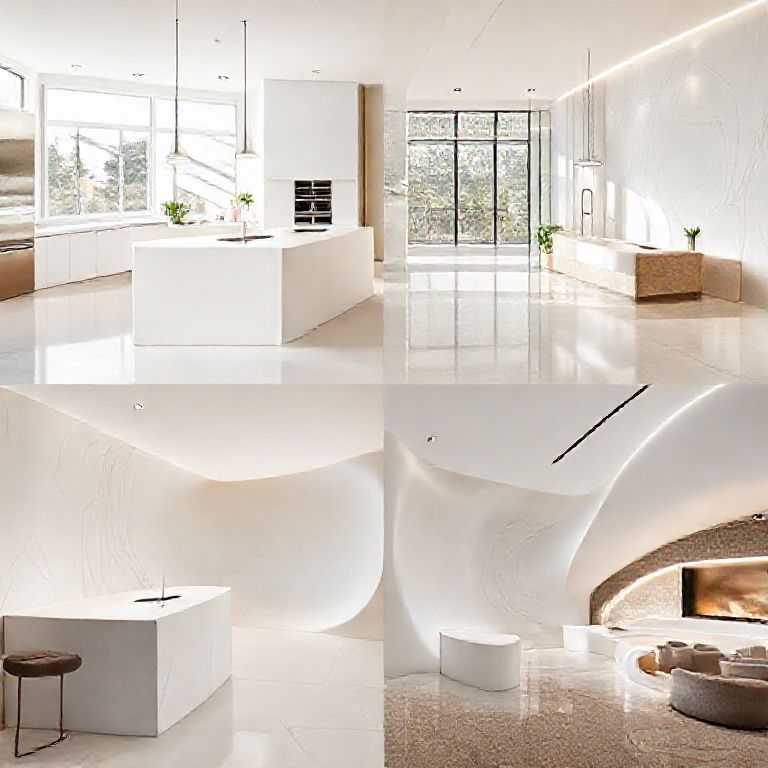
The Unmatched Durability of Quartz Stone
One of the most significant benefits of quartz stone is its unparalleled durability. Quartz, a naturally occurring mineral, is composed of silicon dioxide, which makes it extremely hard and resistant to scratches, stains, and scratches. This makes it an excellent choice for high-traffic areas where durability is crucial.
Quartz stone is also resistant to thermal shock, meaning it can withstand sudden temperature changes without cracking or breaking. This is particularly beneficial in areas where hot pots or pans might be placed directly on countertops. The durability of quartz means that it requires minimal maintenance, providing a long-lasting solution that saves both time and money in the long run.
Sophisticated Aesthetics of Quartz
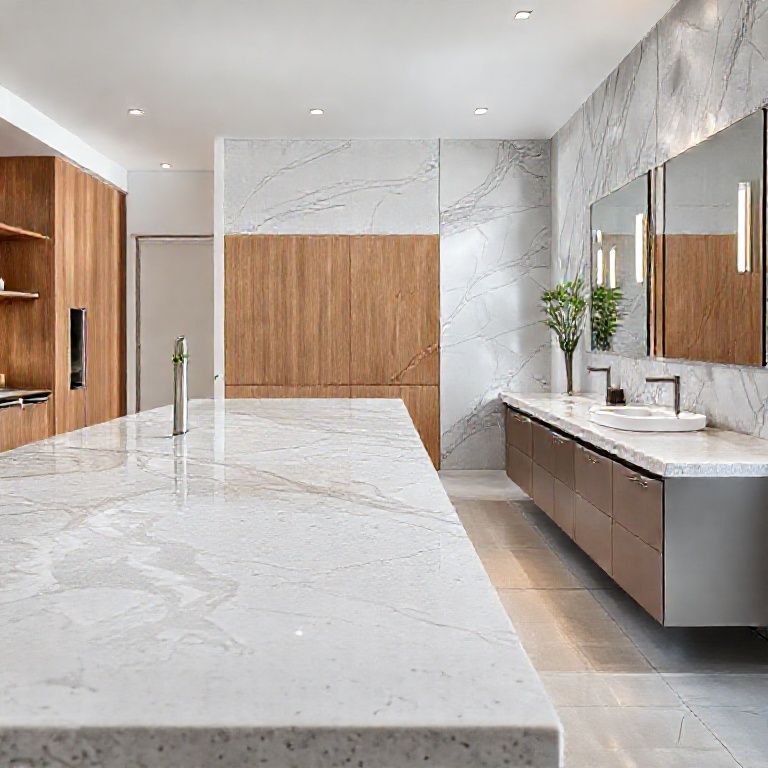
Quartz stone is renowned for its sophisticated aesthetics. Available in an extensive range of colors, patterns, and finishes, quartz offers unparalleled customization options. From sleek, monochromatic designs to intricate, nature-inspired patterns, quartz can be tailored to match any décor style, whether modern, traditional, or eclectic.
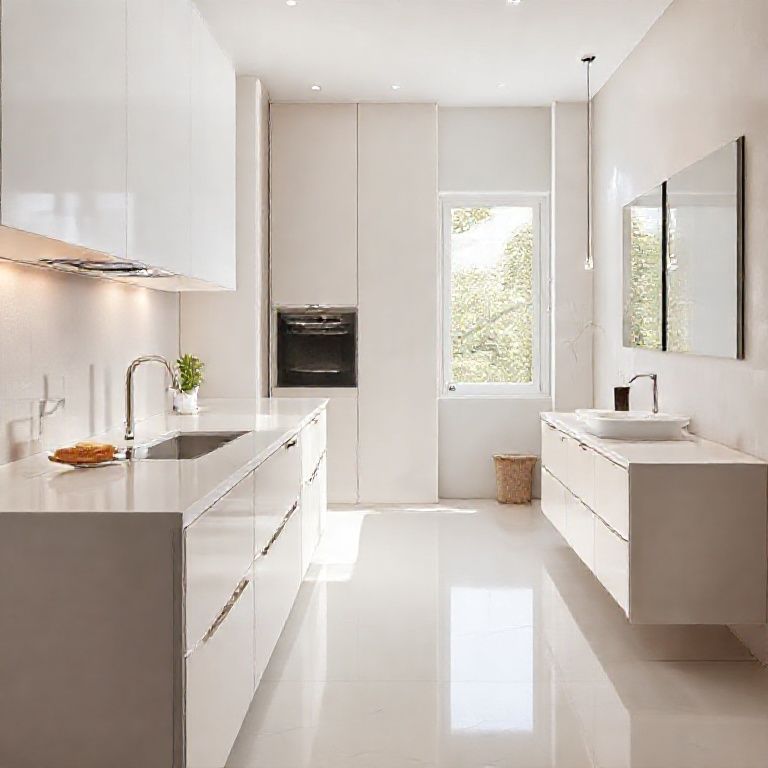
Advancements in technology have allowed manufacturers to create quartz with a variety of finishes, including brushed, honed, and tumbled, providing even more versatility. This adaptability makes quartz an excellent choice for both interior and exterior applications, including countertops, backsplashes, flooring, and even outdoor patios.
Low Maintenance Requirements
Another significant advantage of quartz stone is its low maintenance requirements. Unlike marble, which can be prone to staining and etching, quartz does not absorb liquids or oils, making it incredibly easy to clean. A simple wipe with a damp cloth and mild soap is usually sufficient to keep quartz surfaces looking pristine.
This low maintenance aspect is particularly appealing for busy households and commercial spaces where cleaning is a constant challenge. The ease of upkeep not only saves time but also reduces the need for expensive cleaning agents and professional cleaning services.
Environmental Considerations
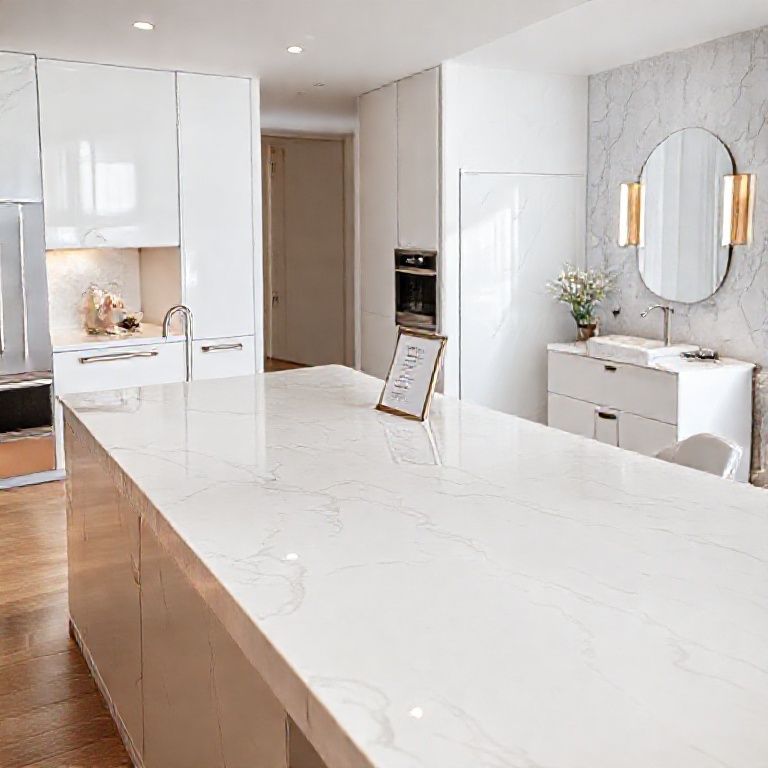
Quartz stone is also an eco-friendly option. It is produced from natural materials, including sand, limestone, and other minerals, which are processed through a proprietary manufacturing process. This process significantly reduces waste and energy consumption compared to traditional marble mining and processing.
Additionally, quartz countertops are made from 93% natural stone and only 7% resin, making them more sustainable than marble, which is 100% natural stone with no added resin. This lower environmental impact aligns with the growing demand for sustainable and eco-friendly building materials.
Comparing Quartz to Marble
While quartz offers numerous benefits, marble remains a beloved choice for many due to its classic charm and timeless elegance. Marble is a natural stone that has been used for centuries in architecture and interior design. Its unique veining and color variations make it a standout material, especially in high-end settings.
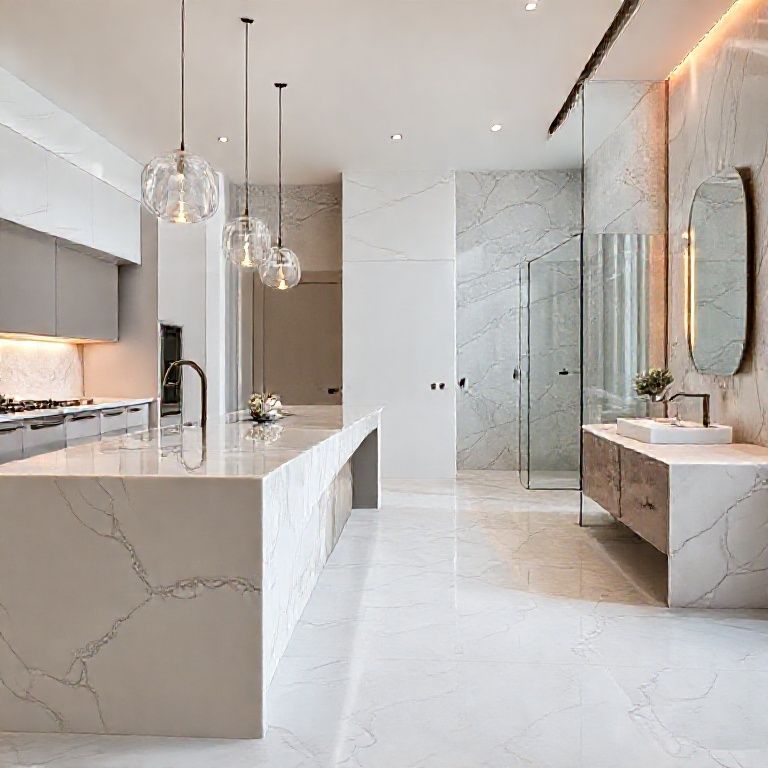
However, marble’s natural composition also means it has some inherent weaknesses. Marble is susceptible to staining, etching, and even chipping, which can be a concern in high-traffic areas. This requires regular maintenance and sometimes professional cleaning to preserve its appearance.
Marble’s aesthetic appeal lies in its natural beauty and the sense of luxury it imparts to any space. However, this natural beauty comes with the caveat of requiring more care and attention to maintain its pristine condition.
In summary, the advantages of quartz stone are its durability, sophisticated aesthetics, low maintenance requirements, and eco-friendly production process. While marble offers timeless elegance and a unique natural beauty, it requires more maintenance and is more susceptible to damage. In the next part of our comparison, we will further explore the differences between quartz and marble, including their cost, installation, and suitability for various applications.
${part2}
The Timeless Elegance of Quartz vs. The Classic Charm of Marble: An In-Depth Comparison
Continuing our detailed comparison of quartz stone and marble, this second part will focus on the cost, installation, and suitability of each material for various applications. Understanding these factors will help you make an informed decision when choosing the right material for your renovation project.
Cost Comparison: Quartz vs. Marble
When considering the cost of materials, quartz and marble each have their own advantages and considerations.
Quartz Stone:
Material Cost: Quartz countertops are generally more affordable than marble, making them an attractive option for those on a budget. The cost of quartz can vary depending on the design, color, and finish, but it is typically more accessible for a wide range of budgets.
Installation Cost: The installation of quartz countertops is relatively straightforward. The material is easy to cut and can be installed using standard methods. This simplicity often translates to lower installation costs compared to marble.
Marble:
Material Cost: Marble is a premium material, and its cost reflects its quality and beauty. High-end marble varieties can be significantly more expensive than quartz, often due to their unique veining and color patterns.
Installation Cost: Installing marble countertops requires specialized skills and equipment due to the stone’s fragility and the need for precise cuts and joints. This can result in higher installation costs compared to quartz.
Long-Term Value:
While marble may have a higher upfront cost, its timeless elegance and the luxury it brings to a space can be seen as a worthwhile investment. However, quartz’s durability and low maintenance often provide better long-term value, as the savings on maintenance and potential repairs can offset the initial cost difference over time.
Installation and Maintenance: Quartz vs. Marble
Quartz Stone:
Installation: As mentioned earlier, quartz is easy to cut and install. It can be used in various settings, from countertops to flooring, with minimal preparation. The material’s hardness makes it suitable for areas with high foot traffic and heavy use.
Maintenance: Quartz’s resistance to stains, scratches, and thermal shock means it requires minimal maintenance. Regular cleaning with a damp cloth and mild soap keeps quartz looking beautiful and extends its lifespan.
Marble:
Installation: Marble is more challenging to install due to its natural fragility and the need for precise cuts and joints. Professional installation is often recommended to ensure a flawless finish.
Maintenance: Marble requires more care to maintain its beauty. Regular sealing is necessary to protect against stains and etching. It’s also important to use appropriate cleaning products to avoid damaging the stone.
Suitability for Various Applications
Quartz Stone:
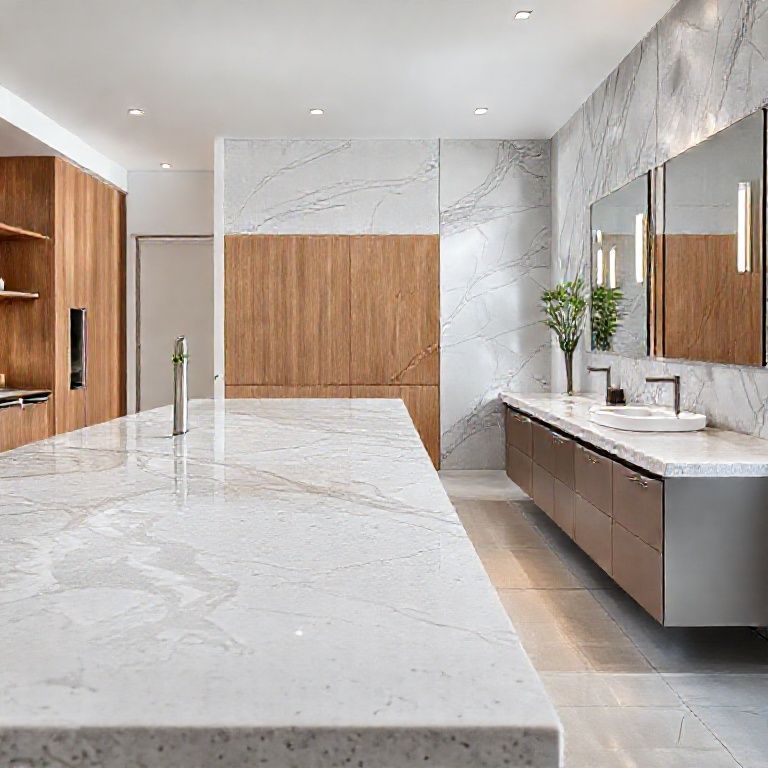
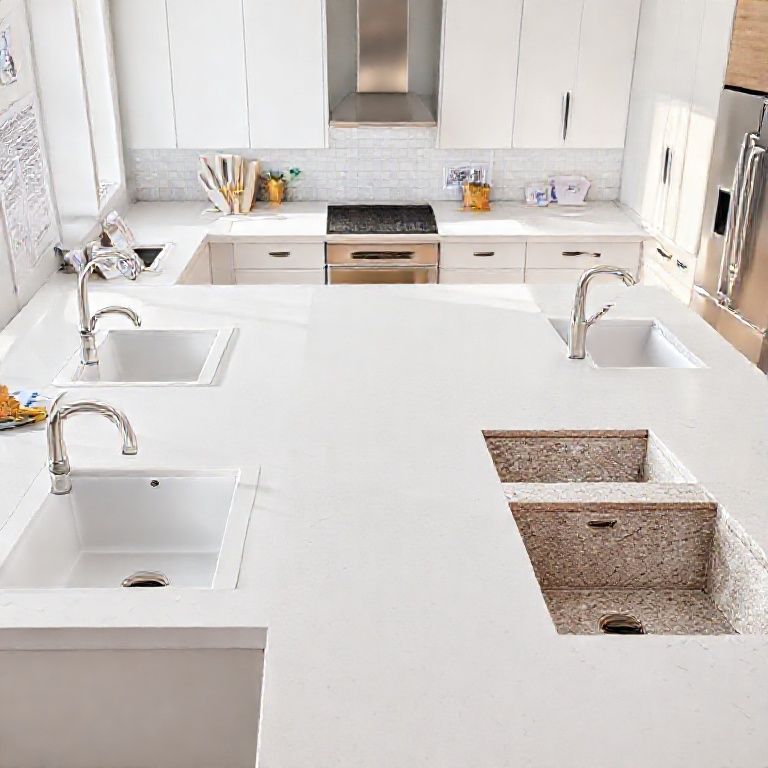
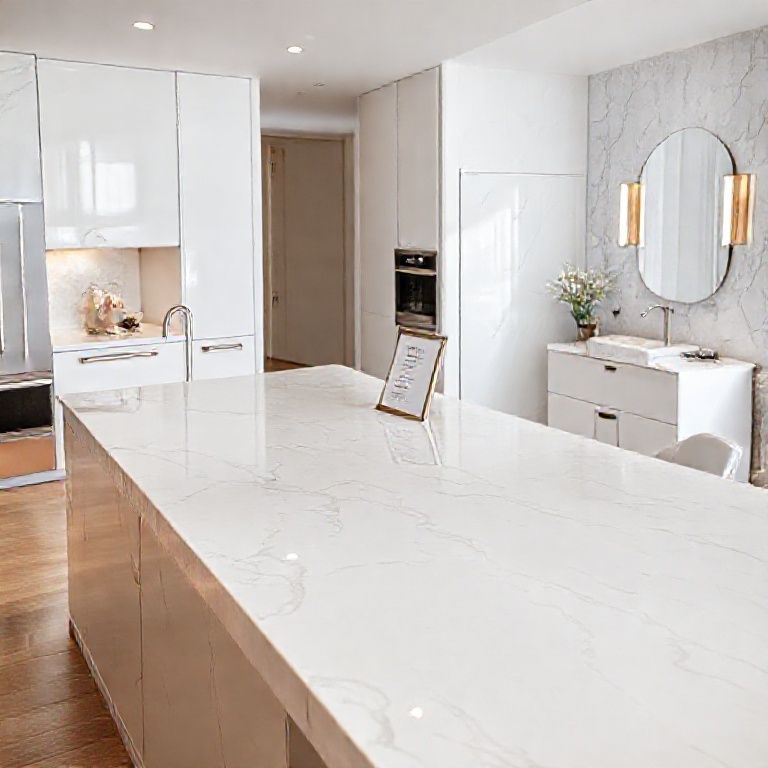
Countertops: Quartz is an excellent choice for countertops due to its durability and aesthetic versatility. Its resistance to stains and scratches makes it ideal for kitchens, bathrooms, and other areas where spills and spills are common.
Backsplashes: Quartz backsplashes are a popular choice for their low maintenance and ability to withstand high heat. They can add a modern and elegant touch to any kitchen or bathroom.
Flooring: Quartz is also suitable for flooring, providing a durable and low-maintenance option that can withstand heavy foot traffic. Its aesthetic versatility allows it to complement various interior styles.
Outdoor Applications: Quartz’s durability and resistance to weather elements make it an excellent choice for outdoor applications, including patios, walkways, and outdoor kitchens.
Marble:
Countertops: Marble countertops are a luxurious choice, offering a natural and elegant aesthetic. However, their susceptibility to stains and etching means they require regular maintenance and sealing.
Backsplashes: Marble backsplashes can add a touch of sophistication to kitchens and bathrooms. Their unique veining and color variations create a stunning visual impact.
Flooring: While marble is commonly used for flooring, its fragility and susceptibility to staining make it less suitable for high-traffic areas. Polished marble can be used in more delicate settings, such as bathrooms or living rooms.
Outdoor Applications: Marble is not typically recommended for outdoor applications due to its susceptibility to weather damage. Quartz is generally preferred for outdoor use.
Conclusion: Choosing the Right Material for Your Needs
When deciding between quartz and marble, it’s essential to consider your specific needs, preferences, and the intended use of the space. Quartz offers unmatched durability, low maintenance, and a wide range of aesthetic options, making it a versatile and practical choice for most applications.
Marble, on the other hand, provides a timeless elegance and natural beauty that can elevate the aesthetic appeal of any space. However, its higher maintenance requirements and susceptibility to damage may make it less practical for certain areas.
Ultimately, the choice between quartz and marble comes down to balancing aesthetics, durability, maintenance, and budget. By understanding the unique benefits and considerations of each material, you can make an informed decision that best suits your renovation project.
In this comprehensive comparison, we have explored the advantages of quartz stone and the classic charm of marble. From durability and aesthetics to cost and maintenance, both materials offer distinct benefits that cater to different preferences and needs. Whether继续我们的对比,让我们深入探讨一些具体的应用场景,以帮助你更好地理解这两种材料在不同环境中的表现,并最终做出最适合你的选择。
1. 厨房
Quartz Stone:
优点: 在厨房中,石英石的耐污性和耐热性是其主要优点。它不会吸收油污或污渍,因此清洁非常简单。它的耐热性使其能够承受炊具直接放置在上面,不会出现烫损问题。 适用性: 石英石适用于任何厨房区域,包括工作台面、灶台背板和厨房地板。
Marble:
优点: 大理石在厨房中能够提供一种经典而优雅的外观。其天然纹理和色彩使其在视觉上非常吸引人,特别是在高端厨房设计中。 适用性: 尽管大理石非常漂亮,但由于其易受污染和损坏,它通常仅用于背板或装饰性背景,而不适合直接接触烹饪器具的区域。
2. 浴室
Quartz Stone:
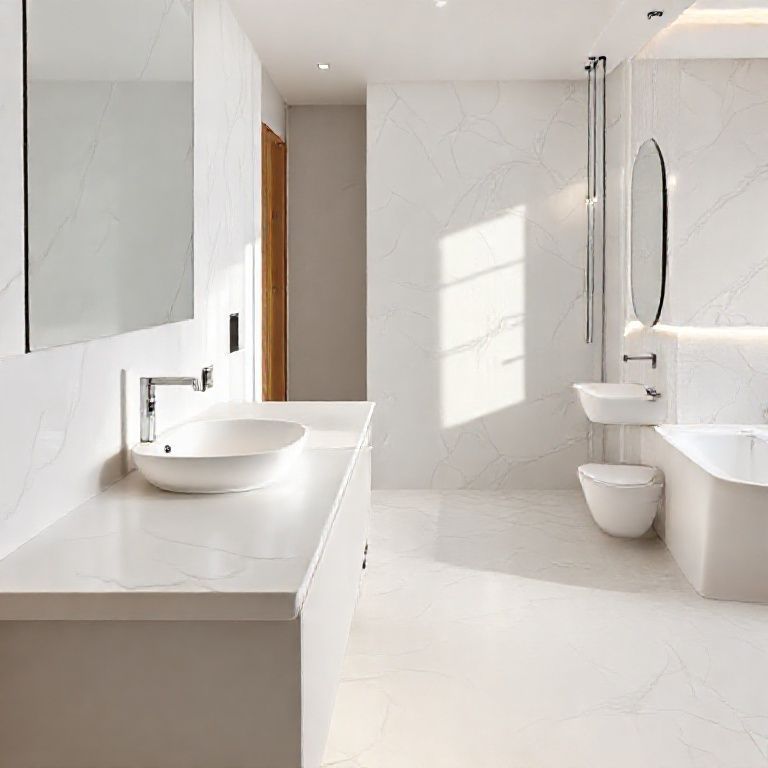
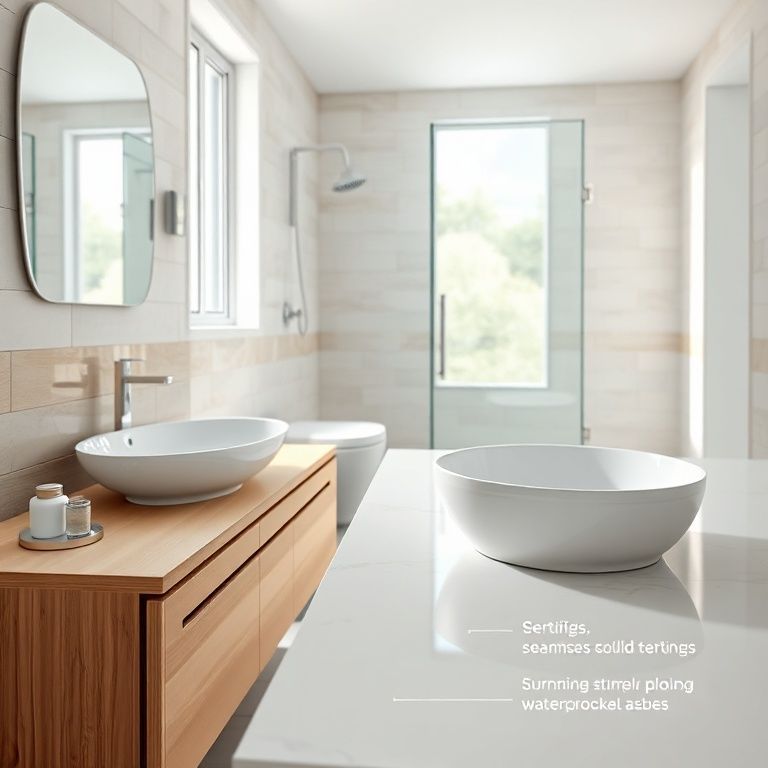
优点: 石英石的防水性和耐湿性使其成为浴室的绝佳选择。它不会因水汽或湿气而膨胀或变形,因此在潮湿环境中表现良好。 适用性: 石英石适用于浴室台面、浴室柜台和墙面。
Marble:
优点: 大理石在浴室中提供一种奢华感,特别是在浴缸、浴室台面和洗手台上。其经典的外观和光泽可以为浴室增添一丝优雅。 适用性: 在浴室,大理石通常用于装饰性区域,如浴缸背板或洗手台,但需要定期密封以防止水渗入和污渍。
3. 客厅和会客区
Quartz Stone:
优点: 在客厅和会客区,石英石的多样性和设计灵活性使其成为一种流行的选择。它可以模仿多种天然石材的外观,同时具有耐用性和易清洁的特点。 适用性: 石英石可以用于地板、墙面和家具表面,如茶几和电视柜。
Marble:
优点: 大理石在客厅和会客区能够提供一种经典和高贵的氛围。其光泽和天然纹理可以增加空间的深度和质感。 适用性: 大理石常用于地板、壁炉台面和装饰性墙面。但由于其维护要求较高,通常不适合高频使用的区域。
4. 户外区域
Quartz Stone:
优点: 石英石的耐候性和耐磨性使其成为户外区域的理想选择。它可以承受阳光、雨水和其他天气条件的侵蚀,同时保持其外观。 适用性: 石英石非常适合用于户外地板、步道、露台和庭院墙面。
Marble:
优点: 大理石在户外环境中也可以提供一种优雅和经典的外观,但其易受天气影响的特性使其在这些区域的使用较少。 适用性: 在户外,大理石通常用于装饰性石雕和特定的艺术装置,而不是日常使用的地面或步道。
总结
在选择石英石和大理石时,你需要权衡各自的优缺点,以及它们在你特定项目中的实际应用。石英石以其耐用性、低维护和多样性而闻名,使其成为现代建筑和装饰的热门选择。而大理石则以其经典的美感和奢华感吸引那些追求传统和高端设计的客户。
最终的选择将取决于你的预算、对材料的维护要求以及对其美学效果的偏好。无论你选择哪一种材料,都可以通过专业安装和定期维护来确保其在你的项目中长期保持最佳状态。