The Emergence of Synthetic Stone: A Game Changer in Modern Design
In the dynamic world of contemporary design, synthetic stone has emerged as a revolutionary material, transforming the landscape of architecture, interior design, and home decor. This innovative material, known for its versatility and durability, has captured the imagination of designers and homeowners alike. The allure of synthetic stone lies in its ability to mimic the natural beauty of real stone while offering unparalleled benefits in functionality and ease of maintenance.
The Science Behind Synthetic Stone
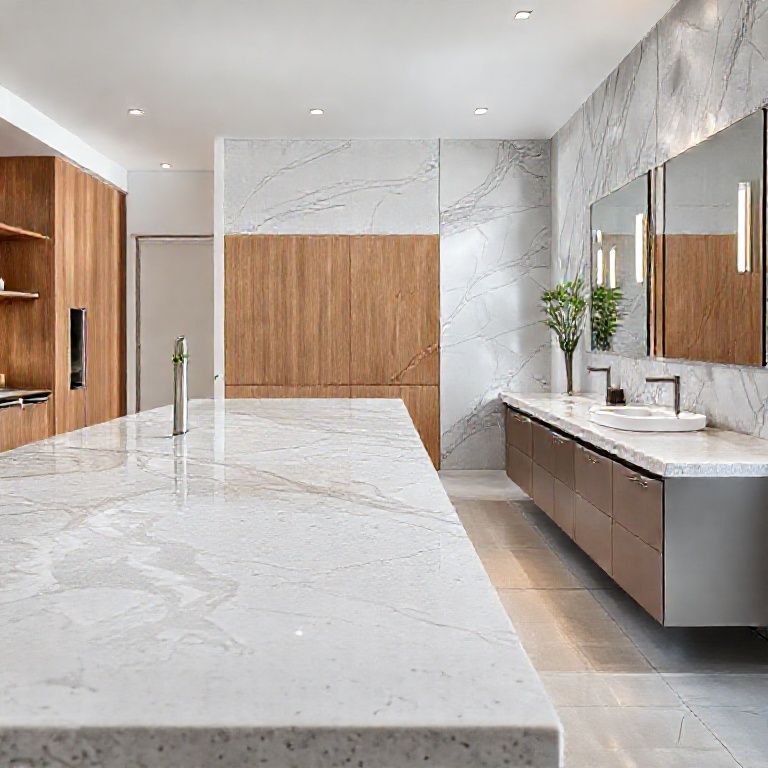
Synthetic stone, often referred to as artificial stone or cultured stone, is a composite material made from a combination of natural stone powders, resins, and pigments. This mixture is meticulously crafted to replicate the texture and appearance of natural stone types such as marble, granite, and limestone. The process involves heating the mixture to high temperatures, allowing the resin to bind the stone particles together into a solid form. The result is a material that not only looks like natural stone but also possesses many of its desirable qualities, including resistance to stains, scratches, and moisture.
Advantages of Synthetic Stone
One of the most compelling reasons for the growing popularity of synthetic stone is its array of benefits over traditional natural stone. Firstly, synthetic stone is incredibly durable and resistant to a variety of environmental factors. Unlike natural stone, which can be susceptible to cracking, fading, and weathering, synthetic stone maintains its integrity and appearance over time. This makes it an excellent choice for both indoor and outdoor applications, where longevity and low maintenance are paramount.
Another significant advantage is the ability to customize the appearance of synthetic stone. Designers can choose from a vast palette of colors and patterns, allowing for endless creative possibilities. This flexibility means that synthetic stone can be tailored to match any aesthetic, from the sleek and modern to the rustic and traditional. Additionally, synthetic stone can be fabricated into various shapes and sizes, offering designers the freedom to create unique and innovative designs.
Applications in Modern Design
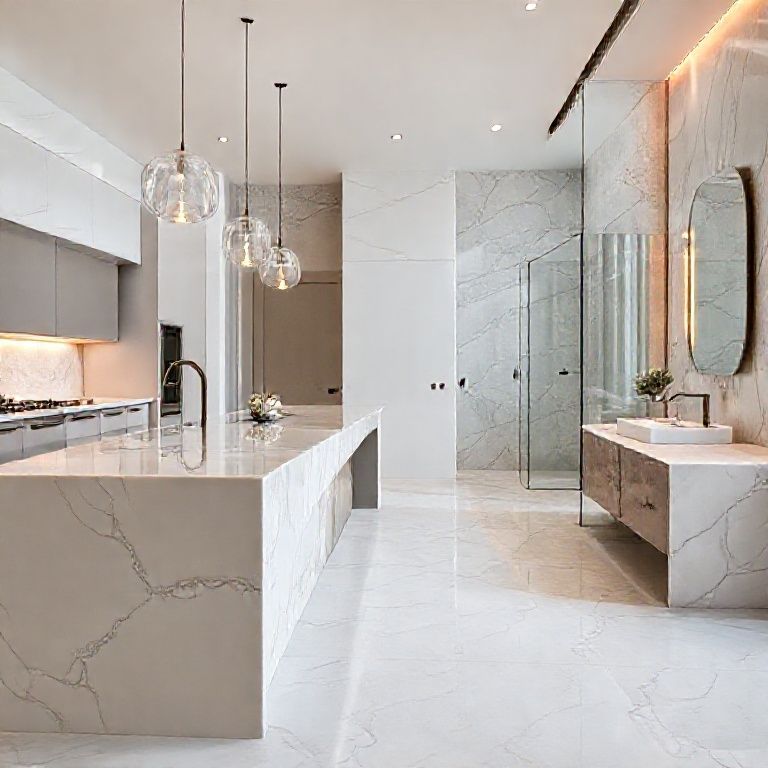
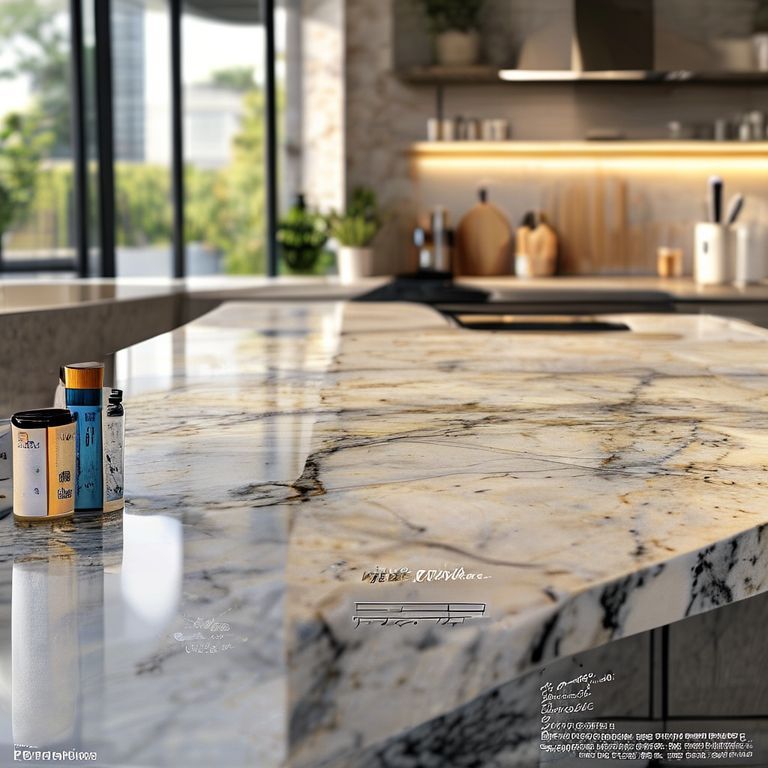
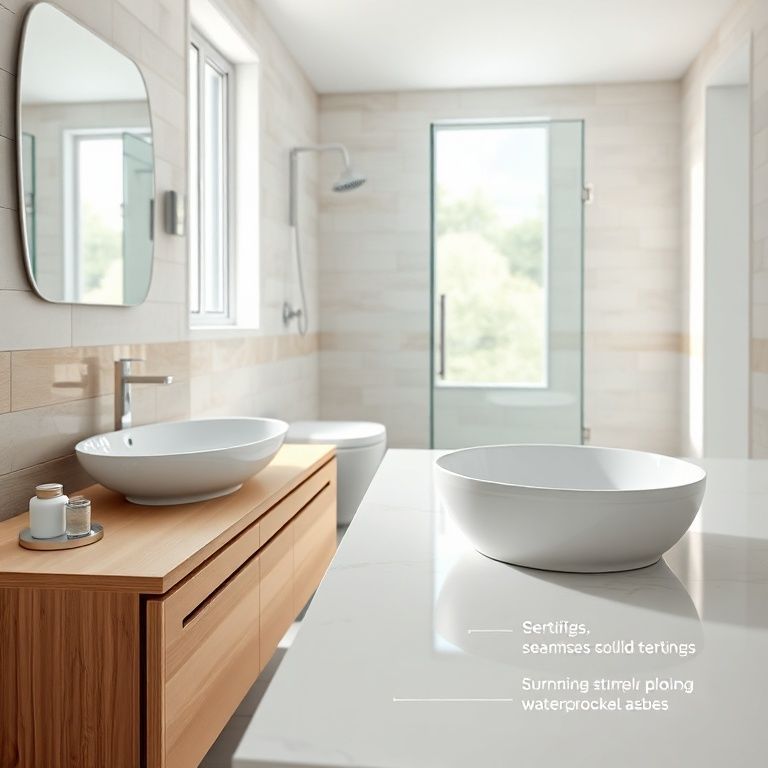
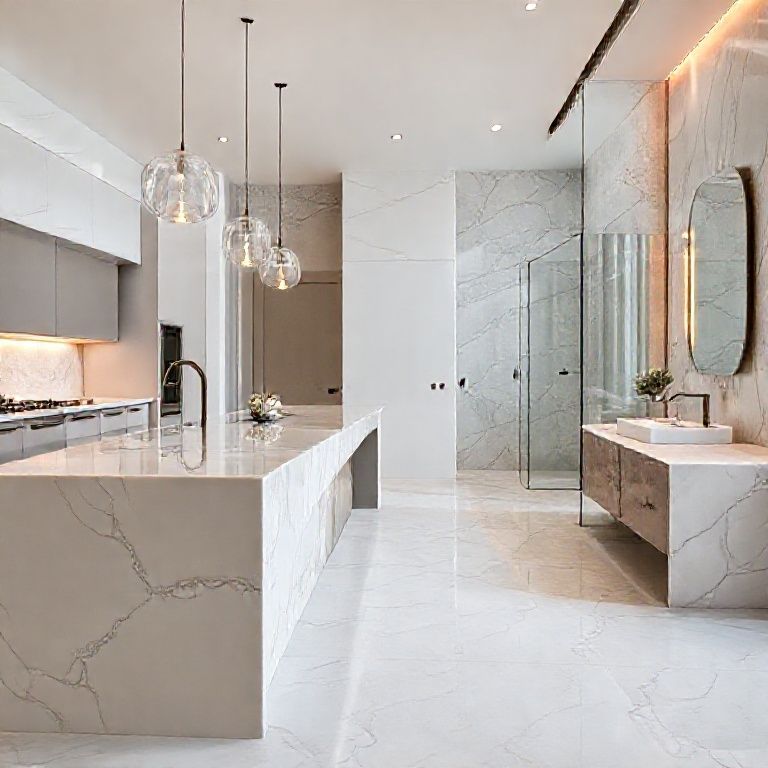
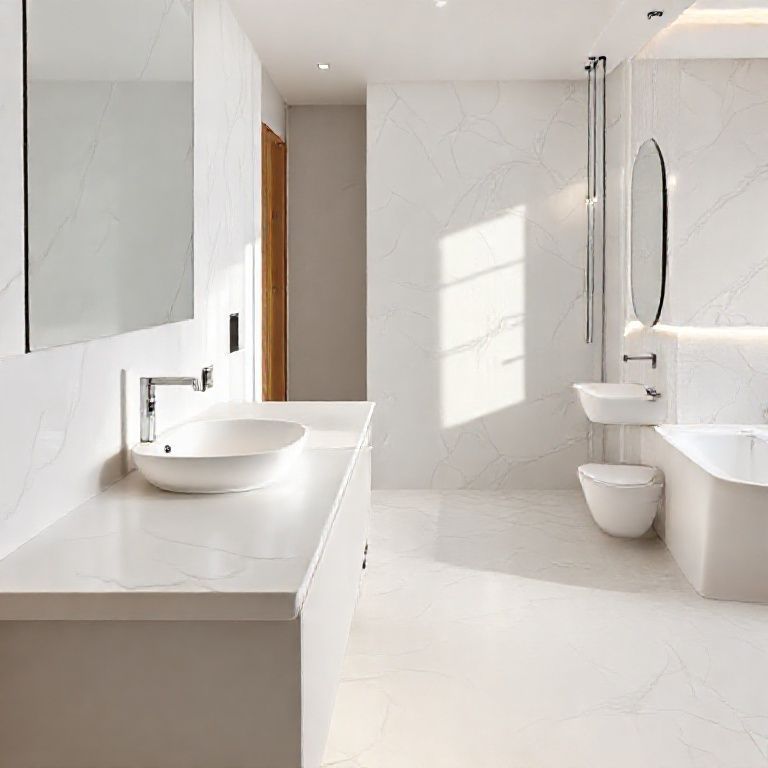
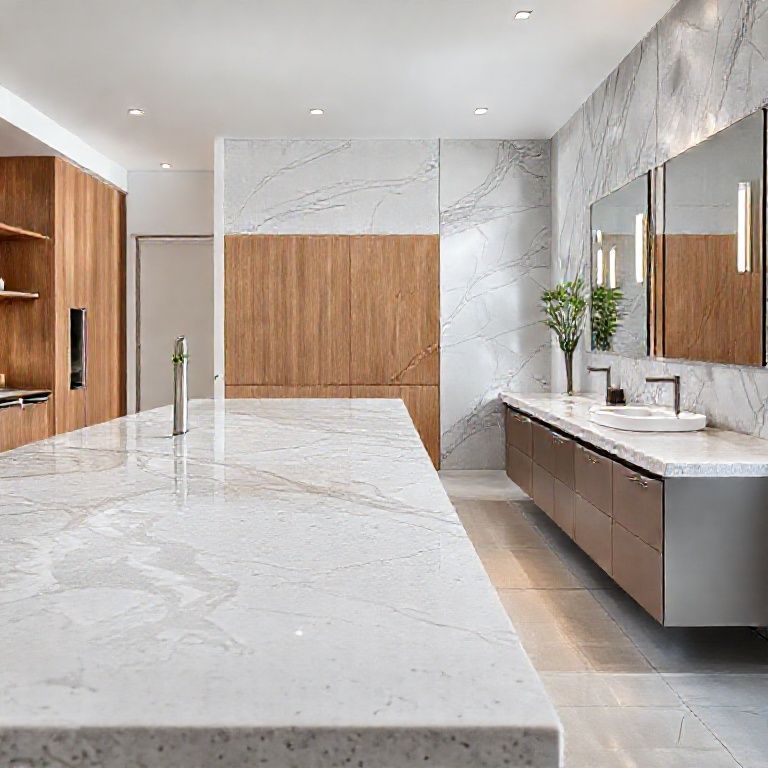
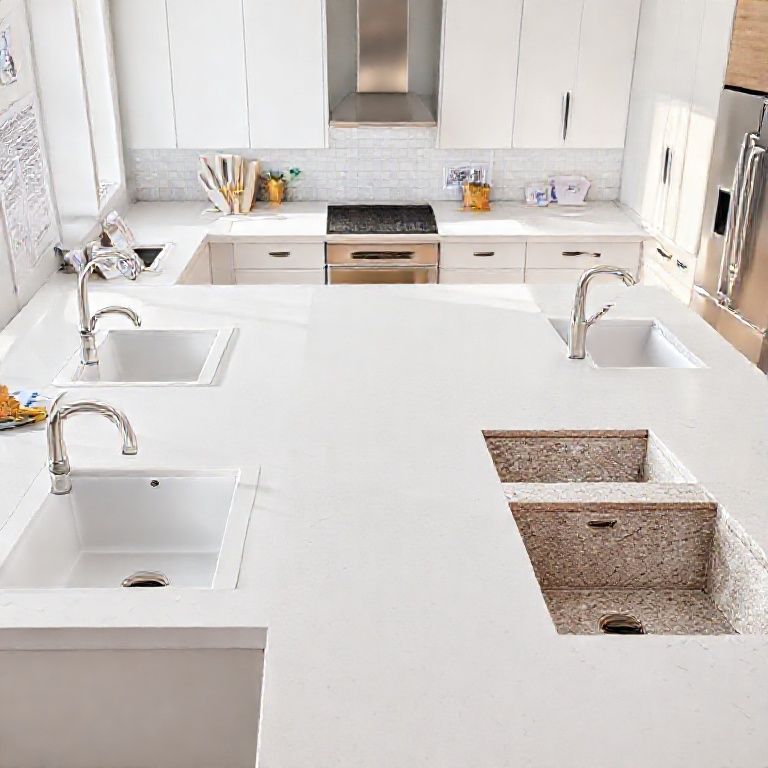
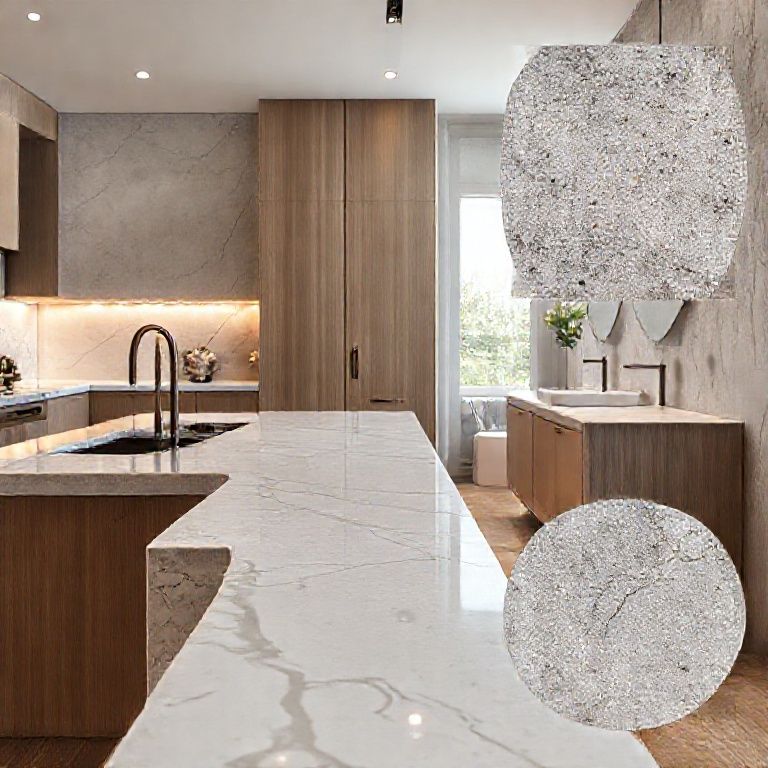
The versatility of synthetic stone has led to its widespread adoption across multiple sectors of the design industry. In the realm of kitchen and bathroom design, synthetic stone countertops have become a favorite choice among both designers and homeowners. These countertops offer the classic look of marble or granite at a fraction of the cost and with the added benefits of water resistance and easy cleaning. Whether used for countertops, sinks, or backsplashes, synthetic stone provides a luxurious and practical solution for modern kitchens and bathrooms.
Beyond the kitchen and bathroom, synthetic stone is finding its way into various other applications. In architecture, synthetic stone is used for facades, cladding, and decorative elements, providing a striking and durable surface that enhances the aesthetic appeal of buildings. In the realm of home decor, synthetic stone is used to create unique furniture pieces, decorative sculptures, and bespoke lighting fixtures. The possibilities are endless, limited only by the imagination of the designer.
Sustainability and Environmental Impact
In an era where sustainability is becoming increasingly important, synthetic stone offers a compelling solution for environmentally conscious designers and homeowners. Unlike natural stone, which requires significant mining and transportation, synthetic stone can be produced locally, reducing the carbon footprint associated with its production and transportation. Additionally, synthetic stone does not require the same level of maintenance as natural stone, which means less energy is needed for cleaning and repairs.
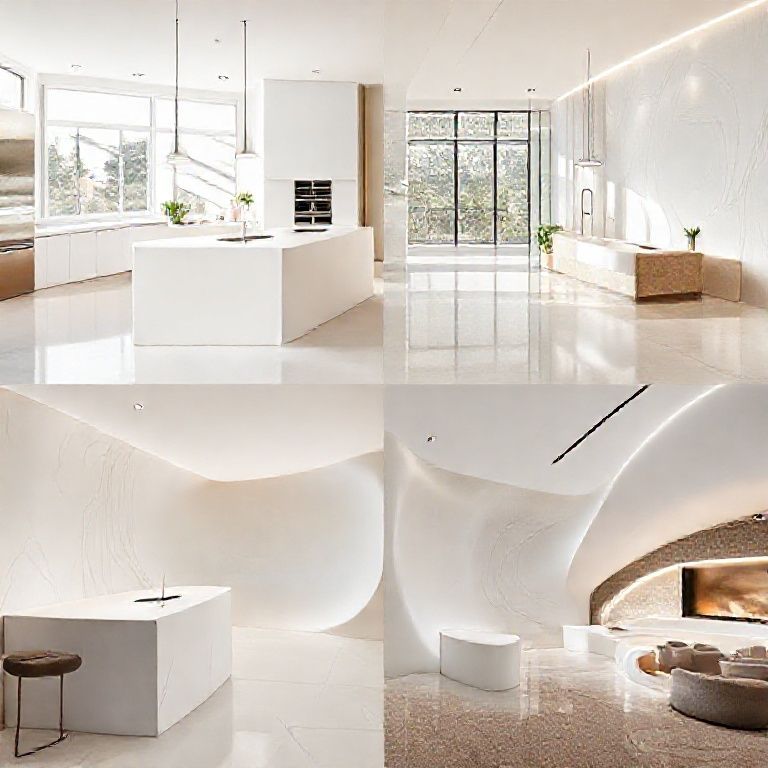
Moreover, synthetic stone can be made from recycled materials, further reducing its environmental impact. This aspect of sustainability makes synthetic stone an attractive option for those looking to make eco-friendly choices in their design projects.
Conclusion
Synthetic stone is undeniably a game changer in the world of modern design. Its combination of aesthetic appeal, durability, and sustainability makes it a versatile and practical choice for a wide range of applications. As designers continue to push the boundaries of creativity, synthetic stone will undoubtedly play a significant role in shaping the future of design. Whether for high-end residential projects or large-scale architectural designs, synthetic stone offers a compelling alternative to traditional materials, promising a future where beauty and functionality go hand in hand.
The Future of Synthetic Stone: Pushing Boundaries in Modern Design
As we delve deeper into the future of synthetic stone, it becomes clear that this remarkable material is poised to continue reshaping the landscape of modern design. With ongoing advancements in technology and materials science, synthetic stone is set to offer even greater possibilities for creativity and innovation. Let’s explore the future trajectory of synthetic stone and its potential to redefine design standards.
Advancements in Synthetic Stone Technology
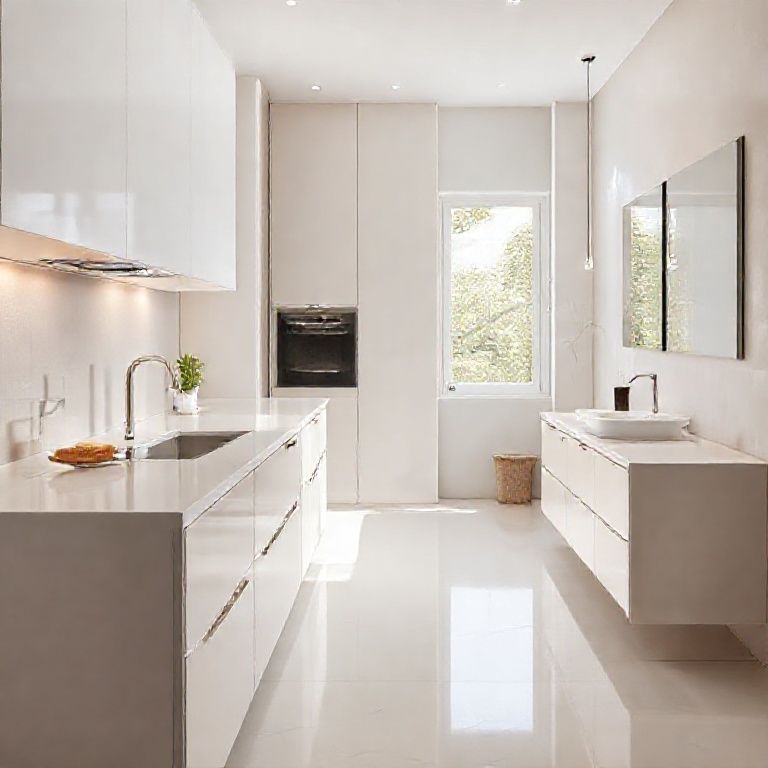
The future of synthetic stone is closely tied to the advancements in technology and materials science. Researchers and manufacturers are continually exploring new ways to enhance the properties of synthetic stone, making it even more versatile and durable. One area of focus is the development of composite materials that combine synthetic stone with other advanced materials, such as carbon fibers or nano-coatings. These innovations could lead to the creation of synthetic stone with even greater strength, resistance to wear, and unique aesthetic properties.
Another exciting development is the integration of smart technology into synthetic stone. Imagine countertops or facades that can change color with the touch of a button or surfaces that can purify the air around them. As synthetic stone technology advances, the possibilities for integrating smart features into this material become increasingly intriguing.
Synthetic Stone in Sustainable Design
Sustainability will remain a key driver in the future of synthetic stone. As the world becomes more aware of the environmental impact of traditional building materials, synthetic stone offers a compelling, eco-friendly alternative. Advances in production processes will likely focus on reducing waste, utilizing recycled materials, and minimizing energy consumption during manufacturing. This commitment to sustainability will not only appeal to environmentally conscious consumers but also meet the growing demand for sustainable design solutions.
Moreover, the use of synthetic stone in green building practices will continue to expand. Green building initiatives often prioritize materials that are durable, low-maintenance, and environmentally friendly. Synthetic stone’s durability and low maintenance requirements make it an ideal choice for sustainable building projects, including LEED-certified buildings and other eco-friendly constructions.
Synthetic Stone in Interior and Exterior Design
The versatility of synthetic stone means it can be used in both interior and exterior design projects. In interior design, synthetic stone’s ability to mimic the look of natural stone while offering superior durability and customization makes it an excellent choice for various applications. From luxurious countertops to intricate wall sculptures, synthetic stone can bring a touch of elegance and sophistication to any space.
In exterior design, synthetic stone’s durability and resistance to weathering make it an ideal choice for facades, cladding, and outdoor structures. Designers can use synthetic stone to create striking and long-lasting exterior features that enhance the aesthetic appeal of buildings and public spaces. Additionally, synthetic stone’s ability to be colored and textured allows for the creation of unique and dynamic exterior designs.
Innovations in Synthetic Stone Applications
As synthetic stone technology continues to evolve, we can expect to see new and innovative applications for this material. In the realm of furniture design, synthetic stone could be used to create durable and stylish pieces that combine the beauty of stone with the convenience of modern materials. From coffee tables to dining tables, synthetic stone furniture offers a blend of aesthetic appeal and practical functionality.
In the field of public art and installations, synthetic stone’s versatility and durability make it an excellent choice for large-scale sculptures and monuments. Artists and designers can use synthetic stone to create striking and long-lasting works of art that captivate and inspire viewers. This ability to create durable and visually stunning public art installations is a testament to the creative potential of synthetic stone.
The Role of Synthetic Stone in Smart Homes
As smart home technology continues to gain popularity, synthetic stone’s potential applications in this domain are exciting to consider. Imagine synthetic stone surfaces that can communicate with smart home systems, changing color or temperature based on the homeowner’s preferences or environmental conditions. Synthetic stone’s integration with smart technology could lead to the creation of homes that are not only aesthetically pleasing but also highly functional and responsive to the needs of the inhabitants.
Conclusion
The future of synthetic stone is bright and full of promise. With ongoing technological advancements and a growing emphasis on sustainability, synthetic stone is set to play an increasingly important role in the world of modern design. Its versatility, durability, and eco-friendly attributes make it an ideal choice for a wide range of applications, from interior design to public art and smart home technology. As designers and manufacturers continue to explore new possibilities, synthetic stone will undoubtedly continue to push the boundaries of creativity and innovation, shaping the future of design in exciting and unforeseen ways.
As we look ahead, it is clear that synthetic stone is not just a material but a catalyst for change in the design industry. Its ability to combine beauty, functionality, and sustainability makes it a powerful tool for creating spaces that are both aesthetically stunning and environmentally responsible. Whether for residential, commercial, or public projects, synthetic stone is poised to redefine what is possible in modern design, offering a glimpse into a future where creativity and sustainability go hand in hand.