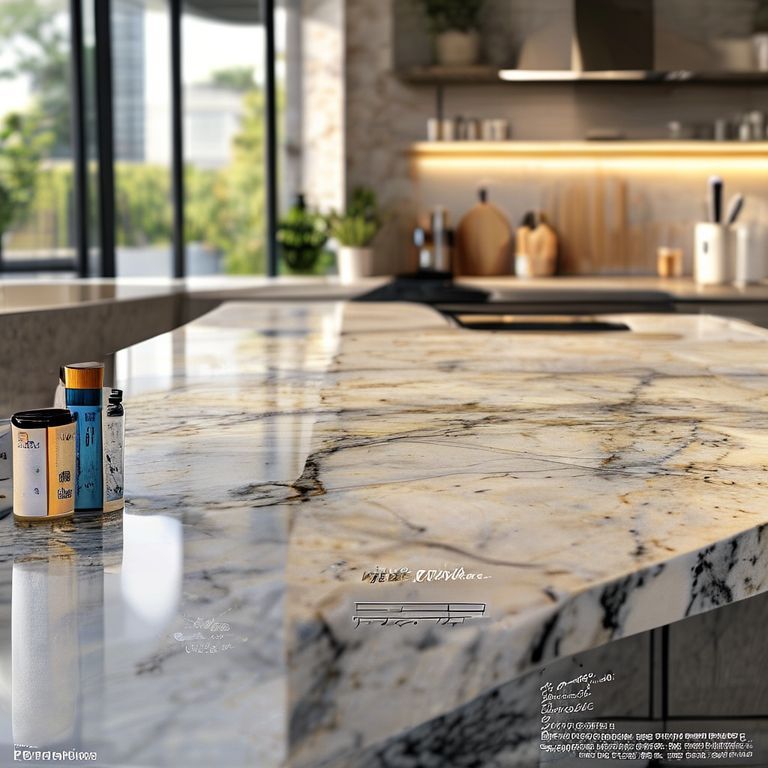
Understanding Synthetic Stone Countertops and Oil Penetration
In today’s fast-paced world, the kitchen is often the heart of the home, a place where creativity, comfort, and family gatherings converge. One of the most popular choices for kitchen countertops is synthetic stone. Known for their durability, aesthetic appeal, and ease of maintenance, synthetic stone countertops have become a favorite among homeowners and professionals alike. However, questions often arise regarding their safety, particularly concerning oil penetration and potential toxicity.

What is Synthetic Stone?
Synthetic stone, also known as cultured stone, is a composite material made primarily from marble dust, resin, and other additives. Unlike natural stone, synthetic stone is manufactured in a lab, allowing for a variety of colors and designs that mimic natural stone but without the associated costs and maintenance issues. It’s crafted by combining marble dust with a polymer resin, creating a material that is not only visually stunning but also incredibly resilient to scratches, chips, and stains.
The Composition of Synthetic Stone
The main components of synthetic stone are:
Marble Dust: This gives the stone its realistic appearance. Resin: A polymer that binds the marble dust together, providing strength and flexibility. Additives: These may include colorants, UV stabilizers, and other materials to enhance durability and appearance.
Oil Penetration in Synthetic Stone
One of the primary concerns with synthetic stone countertops is whether oil penetration can lead to toxicity. Oils from cooking, food spills, and even fingerprints can seep into the surface of synthetic stone. This raises questions about whether these oils could break down the resin or react with the marble dust, potentially releasing harmful substances into the air or onto the food we cook.

The Science Behind Oil Penetration
When oils penetrate synthetic stone, they can indeed seep into the material’s structure. However, understanding the nature of synthetic stone is crucial. The resin in synthetic stone is designed to be durable and resistant to most household chemicals, including oils. The resin bonds tightly with the marble dust, creating a surface that is both resilient and impervious to many types of stains.
Addressing the Concern: Non-Toxic Materials
Synthetic stone is composed of materials that are generally recognized as safe for kitchen use. The marble dust used is a natural material, and the resin is typically made from polymers that are food-safe. Additives like colorants and UV stabilizers are also chosen for their safety and non-toxicity.
Manufacturers of synthetic stone countertops ensure that their products meet stringent safety standards. They undergo rigorous testing to ensure that the materials used do not leach harmful chemicals into food or the environment. It’s important to note that while oils can penetrate the surface, they do not break down the resin or release toxic fumes. Instead, they simply sit on the surface or slightly below it, depending on the depth of penetration.

Maintenance Tips to Prevent Oil Build-Up
To maintain the beauty and safety of synthetic stone countertops, regular maintenance is key. Here are some practical tips:
Use a Soft Cloth: When cleaning, use a soft cloth or non-abrasive sponge to avoid scratching the surface. Immediate Cleaning: Wipe up spills immediately to prevent oils from penetrating deeply. Proper Cleaning Products: Use mild dish soap and water or specialized stone countertop cleaners to clean the surface without damaging it. Avoid Harsh Chemicals: Steer clear of harsh chemicals or abrasive cleaners that can damage the resin and marble dust bond.
Conclusion of Part 1
Synthetic stone countertops are a remarkable choice for modern kitchens, combining the best of aesthetics and durability. While concerns about oil penetration and toxicity are valid, the materials used in synthetic stone are carefully selected to ensure safety. Understanding the composition and maintenance of synthetic stone can help homeowners make informed decisions and enjoy their kitchen space without worry.
In the next part of this article, we will delve deeper into the safety aspects of synthetic stone countertops, addressing additional concerns and providing more detailed insights into their environmental and health impacts.
Safety and Environmental Impact of Synthetic Stone Countertops
As we continue our exploration of synthetic stone countertops, it’s essential to discuss their safety and environmental impact in greater detail. This comprehensive look will address additional concerns and provide insights into why synthetic stone is often a preferred choice for many households.
Health Considerations
One of the most pressing questions about synthetic stone countertops is whether they pose any health risks. To address this concern, it’s important to look at the materials used and the manufacturing processes involved.
Material Safety
The primary materials used in synthetic stone are:
Marble Dust: This is a natural material that is ground into a fine powder and used for its aesthetic qualities. Resin: The resin is typically a polymer that binds the marble dust together. Polymers used in synthetic stone are often food-safe, meaning they do not release harmful chemicals when in contact with food or cooking oils.
Additives and Safety
Additives such as colorants and UV stabilizers are carefully chosen for their non-toxicity. These additives are included to enhance the appearance and durability of the stone, but they are not known to contribute to health risks.
Regulatory Standards
Synthetic stone manufacturers adhere to various regulatory standards to ensure the safety of their products. These standards include:
Food Safety Standards: Ensuring that the materials used do not leach harmful substances into food. Environmental Regulations: Adhering to guidelines that minimize environmental impact during production.
Environmental Impact
The environmental impact of synthetic stone countertops is another critical aspect to consider. While natural stone mining has its environmental consequences, synthetic stone offers a more sustainable alternative.
Manufacturing Process
The production of synthetic stone involves several steps, including:
Material Sourcing: Marble dust and resin are sourced and processed in a controlled environment. Mixing and Molding: The materials are mixed and molded into the desired shape and size. Curing: The stone is cured under specific conditions to ensure the resin bonds effectively with the marble dust.
Reduction of Environmental Footprint
Synthetic stone offers several environmental benefits:
Reduced Quarrying: Unlike natural stone, synthetic stone does not require the extensive quarrying of marble, which can have significant environmental impacts. Lower Emissions: The manufacturing process of synthetic stone generally produces fewer emissions compared to natural stone mining. Resource Efficiency: Synthetic stone uses existing marble waste as a primary component, reducing the need for new marble extraction.
Longevity and Durability
The durability of synthetic stone countertops also plays a role in their environmental and health benefits. Because synthetic stone is resistant to scratches, chips, and stains, it requires less frequent replacement compared to natural stone. This longevity means fewer resources are used over time, reducing waste and environmental impact.
Maintenance and Safety
Regular maintenance of synthetic stone countertops is crucial for maintaining their appearance and ensuring safety. Here are some additional tips for safe and effective maintenance:
Avoiding Abrasives: Using non-abrasive cleaners prevents scratching and maintains the integrity of the stone. Immediate Cleaning: Promptly cleaning up spills and stains prevents deep penetration and potential damage. Safe Cleaning Products: Stick to mild, non-toxic cleaning agents to avoid breaking down the resin or releasing harmful chemicals.
Conclusion of Part 2
In conclusion, synthetic stone countertops offer a compelling blend of beauty, durability, and safety. The materials used are carefully selected to ensure non-toxicity, and the manufacturing process adheres to stringent safety and environmental standards. While oil penetration is a concern, the nature of synthetic stone makes it resistant to breaking down or releasing harmful substances. With proper maintenance, synthetic stone countertops can provide a safe and aesthetically pleasing kitchen surface for years to come.
By understanding the science behind synthetic stone and its benefits, homeowners can make informed decisions about their kitchen design and enjoy a safe, modern, and stylish space. Synthetic stone is not just a popular choice; it’s a responsible and sustainable option that meets the needs of today’s environmentally conscious consumers.