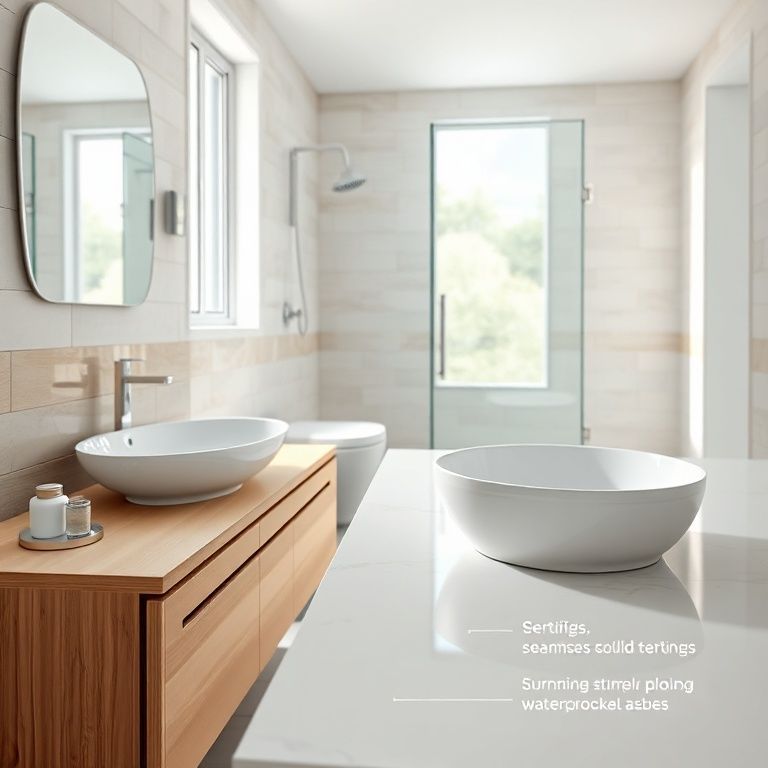
Understanding the Science Behind Color-Changing Artificial Stone Countertops
Artificial stone countertops have revolutionized modern kitchen design, offering a combination of beauty, durability, and low maintenance. However, one of the common concerns people have about these countertops is the potential for them to change color over time. Let’s dive into the fascinating science behind this phenomenon and understand what really happens to these materials.
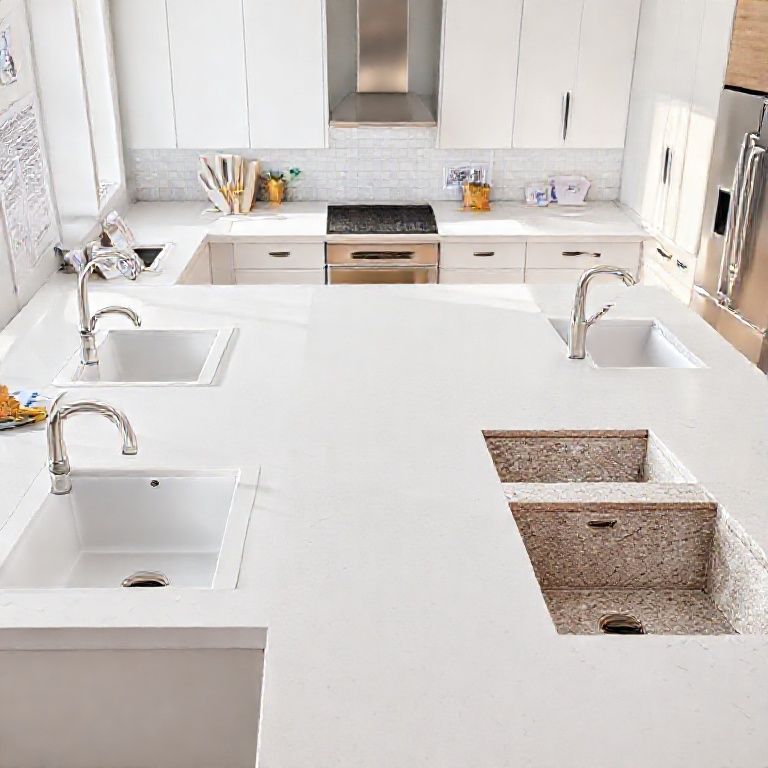
The Composition of Artificial Stone Countertops
Artificial stone countertops, also known as cultured stone, are a composite material typically made from a combination of marble dust, polymers, and other additives. This unique blend mimics the look and feel of natural stone while providing a more durable and affordable alternative.
The Role of Pigments and Polymers
One of the primary reasons artificial stone can change color lies in the pigments and polymers used during its creation. The pigments are responsible for the stone’s color, and they are often embedded within a polymer matrix. While these pigments are generally stable, they can be sensitive to various environmental factors, including UV light, heat, and chemical exposure.
Understanding UV Exposure and Its Effects
Ultraviolet (UV) light from the sun is a major contributor to color change in artificial stone countertops. Over time, prolonged exposure to UV rays can cause the pigments to fade or discolor, leading to a noticeable change in the stone’s appearance. This effect is more pronounced in lighter colors, as they tend to fade more quickly than darker ones.
Heat and Chemical Exposure
Heat can also play a significant role in the color-changing process. When artificial stone countertops are exposed to high temperatures, the polymers and pigments can break down, leading to discoloration. Similarly, exposure to harsh chemicals, such as cleaning agents and food spills, can cause the pigments to bleed or fade, altering the stone’s original color.
Surface Treatments and Their Impact
To combat these issues, manufacturers often apply surface treatments to artificial stone countertops. These treatments can include sealants and coatings designed to protect the stone from UV rays, heat, and chemical exposure. While these treatments can significantly prolong the life of the stone and maintain its color, they require regular maintenance and reapplication to remain effective.
Real-Life Examples and Case Studies
To better understand the real-life implications of color change in artificial stone countertops, let’s look at a few case studies:
Case Study: Residential Kitchen Transformation In a recent residential renovation project, a family decided to replace their outdated granite countertops with artificial stone. Initially, the new countertops were vibrant and appealing. However, after a few months of heavy use and exposure to sunlight, the lighter shades began to fade. The homeowners noticed a gradual change in color, particularly in the areas most exposed to sunlight. Upon consulting with the manufacturer, they learned that a top-quality sealant could have been applied to prevent this discoloration.
Case Study: Commercial Restaurant Setup A bustling restaurant opted for artificial stone countertops in their kitchen to withstand heavy use and frequent cleaning. Despite the high-quality materials used, the lighter stone shades started to show signs of fading within a year. The restaurant owner discovered that regular application of a protective sealant could have mitigated the issue, highlighting the importance of maintenance in preserving the stone’s appearance.
Conclusion to Part 1
Understanding the science behind color-changing artificial stone countertops is crucial for making informed decisions about their use and maintenance. By knowing the factors that contribute to color change, such as UV exposure, heat, and chemical exposure, homeowners and businesses can take proactive steps to preserve the beauty and integrity of their stone countertops. In the next part, we will explore practical tips for preventing color change, maintaining the stone, and choosing the right type of artificial stone for your needs.
Practical Tips for Preventing Color Change and Maintaining Artificial Stone Countertops
Artificial stone countertops are an excellent choice for those seeking durability, low maintenance, and aesthetic appeal. However, to ensure that these benefits last, it’s essential to understand and implement proper maintenance and preventive measures. This part will provide practical tips for preventing color change, maintaining the longevity and appearance of artificial stone countertops, and choosing the right type of stone for your needs.
Preventing Color Change: Best Practices
1. Regular Cleaning and Maintenance
Maintaining your artificial stone countertops with regular cleaning is essential to prevent color change. Use a mild, pH-neutral cleaner and a soft cloth to wipe down the surface. Avoid using abrasive scrubbers or harsh chemicals, as these can damage the stone and lead to discoloration.
2. UV Protection
Since UV light is a primary cause of color change, it’s important to provide protection against sunlight. Use sheer curtains or blinds to block direct sunlight on your countertops. If you’re unable to block sunlight, consider using UV-resistant coatings or sealants designed specifically for artificial stone.
3. Heat Management
To prevent heat-induced discoloration, it’s crucial to avoid placing hot pots, pans, or other heated items directly on the countertops. Use pot holders and trivets to protect the stone from direct heat exposure. Additionally, avoid using high-temperature appliances directly on the surface.
4. Chemical Protection
Harsh chemicals can cause pigments to bleed or fade. Always use pH-neutral cleaners and avoid using abrasive cleaners or cleaners with bleach or ammonia. For spills, wipe them up promptly with a damp cloth to prevent the chemicals from penetrating the stone and causing discoloration.
Choosing the Right Type of Artificial Stone
Selecting the right type of artificial stone is vital to ensure durability and color stability. Here are some factors to consider when choosing your stone:
1. Pigment Stability
Opt for stones with pigments that are known for their stability. Manufacturers often provide information on the color stability of their products. Pigments that are more resistant to fading and discoloration will provide a longer-lasting appearance.
2. Surface Treatment
When selecting an artificial stone countertop, inquire about the surface treatment. Look for stones that come with UV-resistant and chemical-resistant coatings. These treatments can significantly enhance the stone’s ability to withstand environmental factors that cause color change.
3. Brand Reputation
Choose reputable brands that have a track record of producing high-quality artificial stone countertops. Brands with positive customer reviews and warranties often indicate a higher level of durability and color stability.
Maintenance Tips for Long-Term Durability
1. Regular Sealing
While artificial stone countertops do not require traditional sealing like natural stone, it’s still beneficial to apply a protective sealant periodically. Look for sealants specifically designed for artificial stone to protect against UV rays, heat, and chemical exposure. Follow the manufacturer’s instructions for application and reapplication.
2. Avoid Overloading
To maintain the integrity of the stone, avoid placing heavy objects directly on the surface. Overloading can cause scratches or cracks, leading to potential discoloration.
3. Immediate Spill Management
For spills, act quickly to prevent stains and discoloration. Wipe up liquids immediately with a damp cloth, and for tougher stains, use a mild cleaner designed for artificial stone. Avoid letting spills sit on the surface for extended periods.
Real-Life Maintenance Tips and Success Stories
Case Study: Long-Term Maintenance of an Artificial Stone Countertop
In a family’s kitchen, an artificial stone countertop was installed several years ago. Over time, the family noticed a few areas where the color had begun to fade. Upon consulting with the manufacturer, they learned that regular cleaning and periodic reapplication of a UV-resistant sealant could have prevented the discoloration. By following these tips, they were able to restore the countertop’s original color and maintain its beauty.
Case Study: Commercial Kitchen Longevity
A busy restaurant with high foot traffic chose an artificial stone countertop for their kitchen. To ensure longevity, the kitchen staff used a pH-neutral cleaner and avoided direct heat exposure. They also applied a UV-resistant sealant every six months. This proactive maintenance approach kept the countertop looking vibrant and new, even after years of heavy use.
Conclusion to Part 2
By following practical tips for preventing color change and maintaining artificial stone countertops, you can ensure that these beautiful and durable surfaces remain vibrant and appealing for years to come. Regular cleaning, UV protection, heat management, and chemical protection are all essential components of proper maintenance. Additionally, choosing the right type of artificial stone and applying protective sealants can further enhance the stone’s durability and color stability. With these guidelines, you can enjoy the aesthetic and functional benefits of artificial stone countertops without the worry of color change.
This comprehensive guide offers valuable insights into the science and practical aspects of maintaining artificial stone countertops, ensuring they remain a stunning addition to your kitchen for years to come.