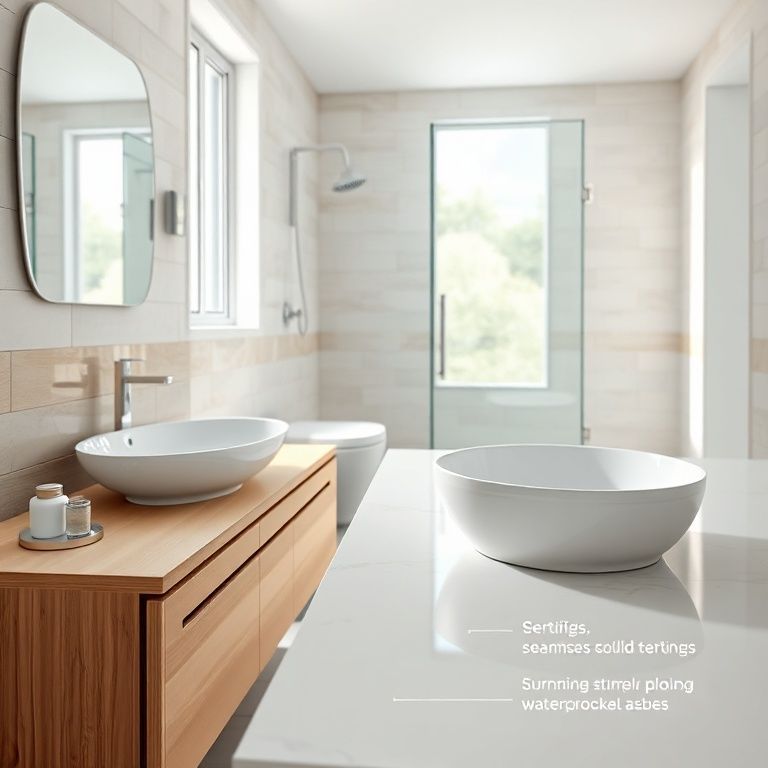
The Ultimate Comparison: Quartz vs. Marble Countertops
When it comes to selecting the perfect countertop for your kitchen or bathroom, the choice between quartz and marble can be quite challenging. Both materials boast unique benefits and have their own set of challenges. However, to fully appreciate their differences, it’s essential to understand the strengths and weaknesses of each. This article will focus on the most critical aspect that sets quartz apart from marble: its inherent drawbacks.
Understanding Quartz Countertops
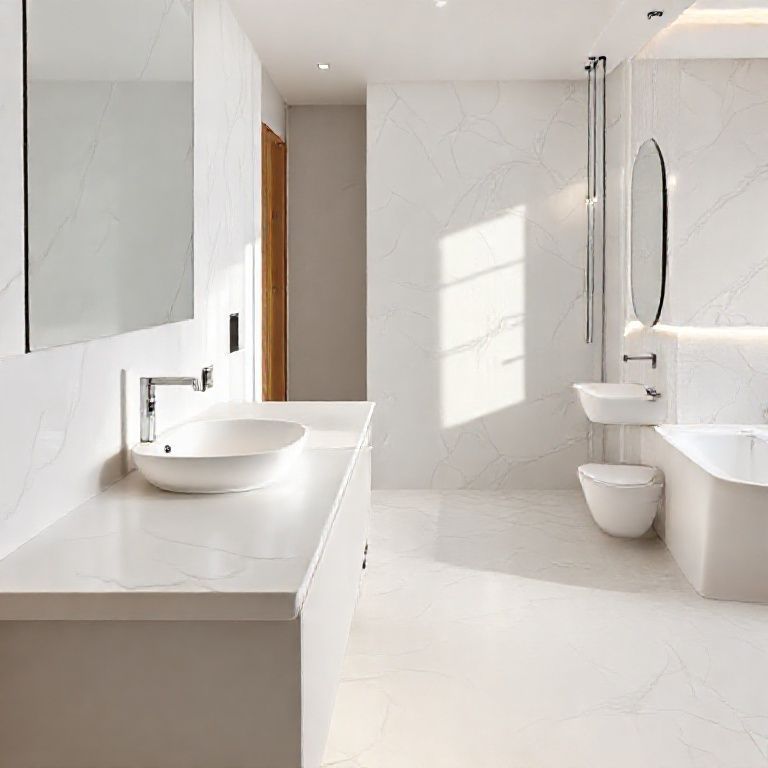
Quartz countertops, made from 93% quartz and other natural minerals, have surged in popularity due to their durability, low maintenance, and aesthetic versatility. These features make them an excellent choice for many homeowners and designers. Quartz surfaces are known for their resistance to heat, stains, and scratches, offering a seamless, monolithic surface that is incredibly easy to clean.
Durability and Maintenance
One of quartz’s greatest advantages is its durability. Unlike many other countertop materials, quartz does not scratch easily, meaning it maintains its pristine look over time. Additionally, its non-porous surface resists stains from everyday spills, such as coffee, juice, and food. This makes quartz a low-maintenance option, requiring only a simple wipe-down with a mild soap and water solution.
Design Versatility
Quartz countertops come in an extensive range of colors and patterns, allowing for limitless design possibilities. Whether you prefer a natural stone look or a sleek, modern finish, quartz can be customized to fit your vision. This versatility makes it a popular choice for both contemporary and traditional design aesthetics.
The Major Drawback of Quartz
While quartz has many benefits, it also has one significant drawback that can’t be overlooked. The material’s primary vulnerability lies in its natural composition. Quartz, despite its durability, is a natural stone, which means it can be prone to certain types of damage when subjected to extreme conditions.
The Issue of Thermal Expansion and Contraction
Quartz’s most critical flaw is its reaction to heat. Unlike marble, which is typically used for its aesthetic appeal and can handle heat well, quartz can expand and contract when exposed to extreme temperatures. This characteristic can cause cracks and other forms of damage, particularly in areas where high heat is consistently applied, such as near cooktops or ovens.
Safety Concerns
The risk of thermal damage is not just a minor inconvenience; it can pose a safety risk. For instance, if a hot pan or pot is placed directly on a quartz surface, the heat can cause the material to warp or crack, potentially leading to sharp edges and dangerous splinters. This makes it crucial to use trivets or hot pads to protect the surface from direct heat.
Comparing Quartz to Marble
Now that we’ve highlighted quartz’s most significant drawback, let’s contrast it with marble. Marble is known for its stunning, natural beauty and has been a favorite for centuries due to its veined patterns and smooth texture. However, marble has its own set of challenges.
Marble’s Aesthetic Appeal
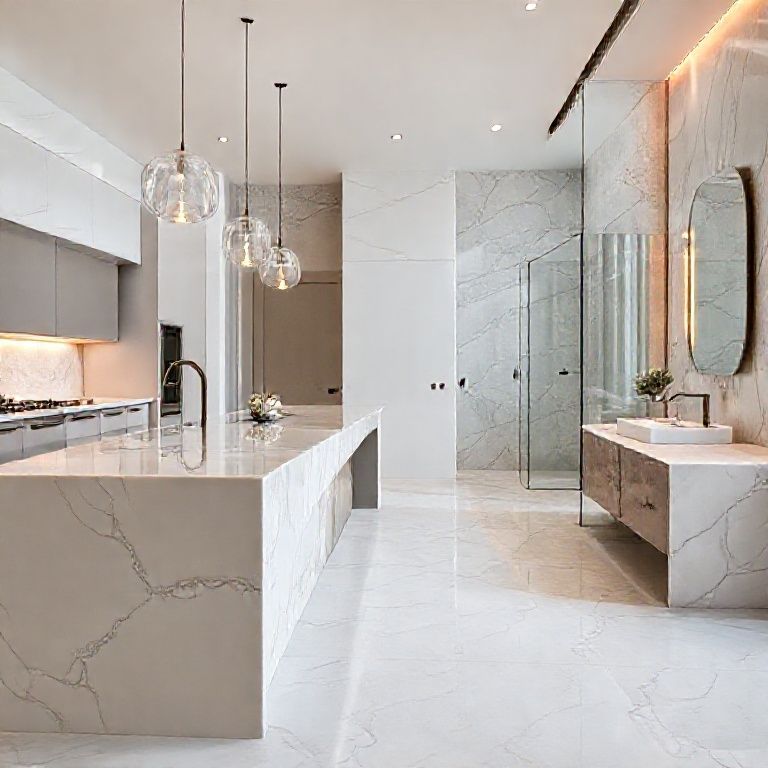
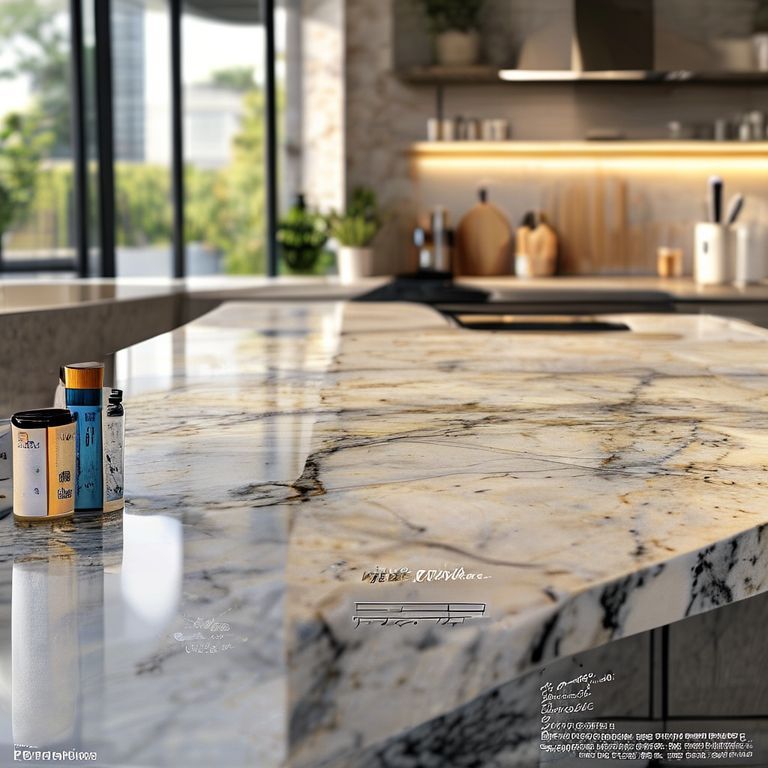
Marble’s most notable feature is its unique and intricate veining, which adds a touch of elegance and luxury to any space. Its natural beauty makes it an ideal choice for high-end design and can complement various architectural styles.
Maintenance Challenges
While marble is visually stunning, it does require more maintenance than quartz. Being a natural stone, marble is porous, meaning it can absorb liquids and stains over time. This requires regular sealing to maintain its appearance and longevity. Additionally, marble is softer than quartz, making it more susceptible to scratches and dents.
Resistance to Heat
Marble, unlike quartz, does not suffer from thermal expansion and contraction issues. Its natural composition allows it to handle heat better, making it an excellent choice for areas where high temperatures are common.
Conclusion
In conclusion, both quartz and marble offer unique advantages and come with their own set of challenges. Quartz excels in durability, low maintenance, and design versatility, but it has a significant weakness when it comes to thermal expansion and contraction. On the other hand, marble’s aesthetic appeal is unmatched, but it requires more maintenance and is less resistant to heat.
Understanding these differences can help you make a more informed decision based on your specific needs and preferences. Whether you value the low-maintenance simplicity of quartz or the timeless beauty of marble, knowing the strengths and weaknesses of each material will ensure you choose the best option for your space.
The Ultimate Comparison: Quartz vs. Marble Countertops
Exploring the Full Spectrum of Countertop Choices
Having covered the fundamental aspects of quartz and marble countertops, it’s time to delve deeper into their various facets. This part will explore the broader spectrum of countertop choices, focusing on how each material stands out in different scenarios. Understanding these nuances will further help you determine which countertop is best suited for your specific needs and lifestyle.
Cost Considerations
When it comes to cost, quartz and marble have different price points that can influence your decision. Quartz countertops generally range from $30 to $60 per square foot, depending on the color and pattern. High-end designs can push the price higher, but they also offer a wide range of aesthetic options.
Marble, on the other hand, tends to be more expensive, ranging from $100 to $400 per square foot. The cost difference is mainly due to marble’s natural beauty and the labor-intensive process involved in cutting and installing it. High-quality marble can fetch even higher prices due to its unique veining and color variations.
Installation and Maintenance
The installation process for both quartz and marble is similar, but there are some key differences in the maintenance aspect that should be considered.
Installation
Both quartz and marble require professional installation to ensure a seamless and secure fit. However, marble’s softer nature makes it more susceptible to damage during the installation process, requiring extra care.
Maintenance
Quartz countertops require minimal maintenance. Regular cleaning with a mild soap and water solution is usually sufficient to keep them looking pristine. Unlike marble, quartz does not need to be sealed or polished regularly to maintain its appearance.
Marble, however, requires more diligent care. It needs to be regularly sealed to prevent stains and maintain its luster. Additionally, because marble is porous, it is important to clean it promptly after spills to avoid permanent marks.
Aesthetic Versatility
Both quartz and marble offer a wide range of aesthetic possibilities, but they cater to different design preferences.
Quartz’s Versatility
Quartz’s versatility lies in its ability to mimic various natural stone materials, including granite, slate, and even marble. This allows designers to create custom patterns and colors that can closely resemble the look of more expensive natural stones, all at a fraction of the cost.
Marble’s Unique Appeal
Marble’s unique appeal comes from its natural veining and color variations. Each piece of marble is different, offering a one-of-a-kind aesthetic that is difficult to replicate. This individuality makes marble a popular choice for high-end projects where a bespoke look is desired.
Longevity and Durability
Longevity and durability are crucial factors when choosing a countertop material. Both quartz and marble offer impressive longevity, but their durability can be affected by different factors.
Quartz Durability
Quartz is known for its exceptional durability. It is resistant to scratches, stains, and heat, which means it can withstand the daily wear and tear of a busy kitchen or bathroom. Its non-porous surface ensures that spills do not penetrate the material, making it easy to maintain over time.
Marble Durability
Marble’s durability is more susceptible to damage from spills and heat. While it is still a long-lasting material, its porosity means that it can absorb liquids and stains, leading to potential discoloration over time. Additionally, its softer nature means it can scratch more easily than quartz.
Environmental and Health Considerations
In today’s environmentally conscious world, it’s important to consider the environmental and health impacts of the materials we choose for our homes.
Sustainability
Quartz is made from natural quartz and other minerals, which are extracted and processed to create the countertop. While the manufacturing process can be energy-intensive, the material itself is durable and long-lasting, reducing the need for frequent replacements.
Marble is a natural stone that is extracted from quarries. While it offers a beautiful and unique aesthetic, the process of quarrying and transporting marble can have significant environmental impacts, including land disruption and carbon emissions.
Health
Both quartz and marble are generally considered safe materials for kitchen and bathroom use. However, during the manufacturing process, quartz countertops may emit low levels of VOCs (volatile organic compounds), although these are typically within safe limits.
Marble, being a natural stone, does not pose significant health risks. However, it’s important to note that some marble quarries have been associated with environmental and health concerns due to mining practices.
Conclusion
In conclusion, the decision between quartz and marble countertops ultimately comes down to personal preference, lifestyle, and specific project needsThe Ultimate Comparison: Quartz vs. Marble Countertops
When it comes to selecting the perfect countertop for your kitchen or bathroom, the choice between quartz and marble can be quite challenging. Both materials boast unique benefits and have their own set of challenges. However, to fully appreciate their differences, it’s essential to understand the strengths and weaknesses of each. This article will focus on the most critical aspect that sets quartz apart from marble: its inherent drawbacks.
Understanding Quartz Countertops
Quartz countertops, made from 93% quartz and other natural minerals, have surged in popularity due to their durability, low maintenance, and aesthetic versatility. These features make them an excellent choice for many homeowners and designers. Quartz surfaces are known for their resistance to heat, stains, and scratches, offering a seamless, monolithic surface that is incredibly easy to clean.
Durability and Maintenance
One of quartz’s greatest advantages is its durability. Unlike many other countertop materials, quartz does not scratch easily, meaning it maintains its pristine look over time. Additionally, its non-porous surface resists stains from everyday spills, such as coffee, juice, and food. This makes quartz a low-maintenance option, requiring only a simple wipe-down with a mild soap and water solution.
Design Versatility
Quartz countertops come in an extensive range of colors and patterns, allowing for limitless design possibilities. Whether you prefer a natural stone look or a sleek, modern finish, quartz can be customized to fit your vision. This versatility makes it a popular choice for both contemporary and traditional design aesthetics.
The Major Drawback of Quartz
While quartz has many benefits, it also has one significant drawback that can’t be overlooked. The material’s primary vulnerability lies in its natural composition. Quartz, despite its durability, is a natural stone, which means it can be prone to certain types of damage when subjected to extreme conditions.
The Issue of Thermal Expansion and Contraction
Quartz’s most critical flaw is its reaction to heat. Unlike marble, which is typically used for its aesthetic appeal and can handle heat well, quartz can expand and contract when exposed to extreme temperatures. This characteristic can cause cracks and other forms of damage, particularly in areas where high heat is consistently applied, such as near cooktops or ovens.
Safety Concerns
The risk of thermal damage is not just a minor inconvenience; it can pose a safety risk. For instance, if a hot pan or pot is placed directly on a quartz surface, the heat can cause the material to warp or crack, potentially leading to sharp edges and dangerous splinters. This makes it crucial to use trivets or hot pads to protect the surface from direct heat.
Comparing Quartz to Marble
Now that we’ve highlighted quartz’s most significant drawback, let’s contrast it with marble. Marble is known for its stunning, natural beauty and has been a favorite for centuries due to its veined patterns and smooth texture. However, marble has its own set of challenges.
Marble’s Aesthetic Appeal
Marble’s most notable feature is its unique and intricate veining, which adds a touch of elegance and luxury to any space. Its natural beauty makes it an ideal choice for high-end design and can complement various architectural styles.
Maintenance Challenges
While marble is visually stunning, it does require more maintenance than quartz. Being a natural stone, marble is porous, meaning it can absorb liquids and stains over time. This requires regular sealing to maintain its appearance and longevity. Additionally, marble is softer than quartz, making it more susceptible to scratches and dents.
Resistance to Heat
Marble, unlike quartz, does not suffer from thermal expansion and contraction issues. Its natural composition allows it to handle heat better, making it an excellent choice for areas where high temperatures are common.
Conclusion
In conclusion, both quartz and marble offer unique advantages and come with their own set of challenges. Quartz excels in durability, low maintenance, and design versatility, but it has a significant weakness when it comes to thermal expansion and contraction. On the other hand, marble’s aesthetic appeal is unmatched, but it requires more maintenance and is less resistant to heat.
Understanding these differences can help you make a more informed decision based on your specific needs and preferences. Whether you value the low-maintenance simplicity of quartz or the timeless beauty of marble, knowing the strengths and weaknesses of each material will ensure you choose the best option for your space.
Exploring the Full Spectrum of Countertop Choices
Having covered the fundamental aspects of quartz and marble countertops, it’s time to delve deeper into their various facets. This part will explore the broader spectrum of countertop choices, focusing on how each material stands out in different scenarios. Understanding these nuances will further help you determine which countertop is best suited for your specific needs and lifestyle.
Cost Considerations
When it comes to cost, quartz and marble have different price points that can influence your decision. Quartz countertops generally range from $30 to $60 per square foot, depending on the color and pattern. High-end designs can push the price higher, but they also offer a wide range of aesthetic options.
Marble, on the other hand, tends to be more expensive, ranging from $100 to $400 per square foot. The cost difference is mainly due to marble’s natural beauty and the labor-intensive process involved in cutting and installing it. High-quality marble can fetch even higher prices due to its unique veining and color variations.
Installation and Maintenance
The installation process for both quartz and marble is similar, but there are some key differences in the maintenance aspect that should be considered.
Installation
Both quartz and marble require professional installation to ensure a seamless and secure fit. However, marble’s softer nature makes it more susceptible to damage during the installation process, requiring extra care.
Maintenance
Quartz countertops require minimal maintenance. Regular cleaning with a mild soap and water solution is usually sufficient to keep them looking pristine. Unlike marble, quartz does not need to be sealed or polished regularly to maintain its appearance.
Marble, however, requires more diligent care. It needs to be regularly sealed to prevent stains and maintain its luster. Additionally, because marble is porous, it is important to clean it promptly after spills to avoid permanent marks.
Aesthetic Versatility
Both quartz and marble offer a wide range of aesthetic possibilities, but they cater to different design preferences.
Quartz’s Versatility
Quartz’s versatility lies in its ability to mimic various natural stone materials, including granite, slate, and even marble. This allows designers to create custom patterns and colors that can closely resemble the look of more expensive natural stones, all at a fraction of the cost.
Marble’s Unique Appeal
Marble’s unique appeal comes from its natural veining and color variations. Each piece of marble is different, offering a one-of-a-kind aesthetic that is difficult to replicate. This individuality makes marble a popular choice for high-end projects where a bespoke look is desired.
Longevity and Durability
Longevity and durability are crucial factors when choosing a countertop material. Both quartz and marble offer impressive longevity, but their durability can be affected by different factors.
Quartz Durability
Quartz is known for its exceptional durability. It is resistant to scratches, stains, and heat, which means it can withstand the daily wear and tear of a busy kitchen or bathroom. Its non-porous surface ensures that spills do not penetrate the material, making it easy to maintain over time.
Marble Durability
Marble’s durability is more susceptible to damage from spills and heat. While it is still a long-lasting material, its porosity means that it can absorb liquids and stains, leading to potential discoloration over time. Additionally, its softer nature means it can scratch more easily than quartz.
Environmental and Health Considerations
In today’s environmentally conscious world, it’s important to consider the environmental and health impacts of the materials we choose for our homes.
Sustainability
Quartz is made from natural quartz and other minerals, which are extracted and processed to create the countertop. While the manufacturing process can be energy-intensive, the material itself is durable and long-lasting, reducing the need for frequent replacements.
Marble is a natural stone that is extracted from quarries. While it offers a beautiful and unique aesthetic, the process of quarrying and transporting marble can have significant environmental impacts, including land disruption and carbon emissions.
Health
Both quartz and marble are generally considered safe materials for kitchen and bathroom use. However, during the manufacturing process, quartz countertops may emit low levels of VOCs (volatile organic compounds), although these are typically within safe limits.
Marble, being a natural stone, does not pose significant health risks. However, it’s important to note that some marble quarries have been associated with environmental and health concerns due to mining practices.
Conclusion
In conclusion, the decision between quartz and marble countertops ultimately comes down to personal preference, lifestyle, and specific project needs. Quartz offers durability, low maintenance, and versatile design options, but it is vulnerable to thermal damage. Marble provides stunning, unique aesthetics with a natural beauty that is difficult to replicate, but it requires more maintenance and is less resistant to heat.
By weighing these factors, you can make a well-informed choice that best suits your home and design vision. Whether you prioritize ease of maintenance, design versatility, or the timeless elegance of natural stone, both quartz and marble have much to offer.