
Sure, I can help you with that! Here’s a soft article comparing Corian solid surfaces and porcelain, using the theme “可丽耐人造石和陶瓷哪个好些呢视频” as inspiration.

Choosing the right countertop material is a decision that impacts the look, feel, and functionality of your kitchen and bathroom for years to come. It’s a significant investment, and the sheer volume of options can feel overwhelming. Two materials that frequently come up in these discussions are Corian solid surfaces and porcelain. You might have seen videos asking “可丽耐人造石和陶瓷哪个好些呢?” (Which is better, Corian solid surface or porcelain?), and for good reason. Both offer compelling advantages, but they also have distinct differences that make them better suited for certain lifestyles and aesthetic preferences. Let’s embark on a journey to explore these two popular choices, dissecting their strengths and weaknesses to help you make an informed decision for your home.
Corian, a brand name for a solid surface material developed by DuPont, has been a staple in interior design for decades. Its primary composition includes acrylic polymer and alumina trihydrate (derived from bauxite ore). This unique blend results in a non-porous, homogeneous material that can be shaped, molded, and seamlessly joined. The “solid” in solid surface refers to the fact that the material’s color and pattern run all the way through, meaning scratches or stains can often be buffed out, restoring the surface to its original glory. This is a significant selling point for many homeowners, promising a countertop that can retain its beauty with proper care.
One of Corian’s most celebrated attributes is its seamless installation. Unlike natural stone or tile, Corian can be fabricated with almost invisible seams, especially when expertly installed. This creates a sleek, continuous surface that is not only visually appealing but also exceptionally hygienic. The non-porous nature of Corian means that bacteria, mold, and mildew have nowhere to hide, making it an excellent choice for kitchens and bathrooms where hygiene is paramount. Furthermore, Corian is thermoformable, meaning it can be heated and bent into curved shapes, allowing for a high degree of design flexibility. Imagine a waterfall edge that flows seamlessly down a cabinet, or a custom-shaped sink integrated directly into the countertop – these are design possibilities that Corian readily embraces.
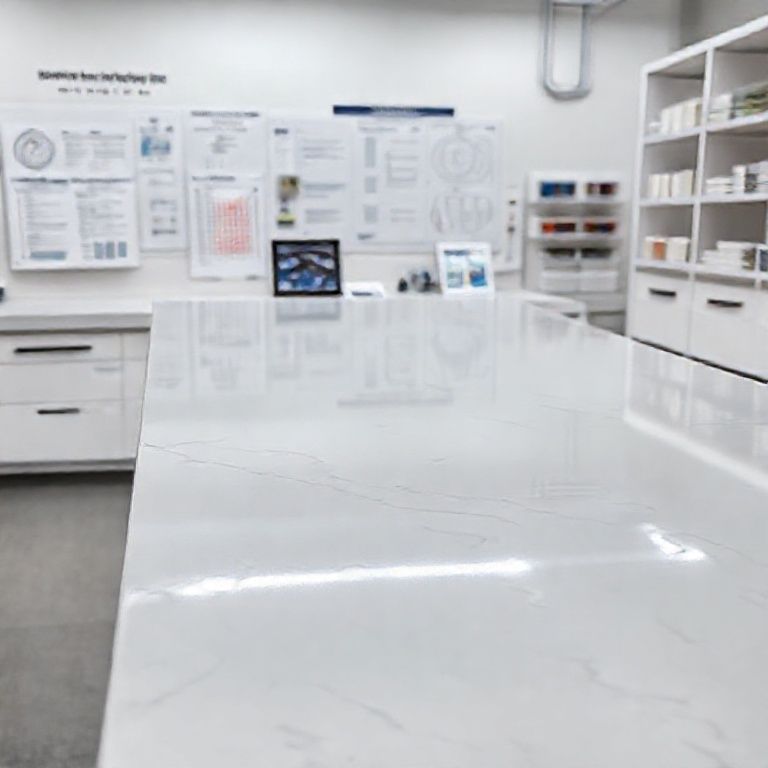
The aesthetic range of Corian is also quite impressive. It’s available in a vast spectrum of colors, patterns, and finishes, from subtle, solid hues that mimic concrete or marble to vibrant, bold statements and even translucent options that can be backlit for dramatic effect. This versatility allows designers and homeowners to achieve a wide array of looks, whether they’re aiming for a minimalist modern kitchen, a rustic farmhouse feel, or a chic contemporary bathroom. The uniformity of its color and pattern also means that if a piece of Corian is damaged, a replacement piece can often be sourced to match precisely, avoiding the slight variations that can occur with natural materials.
Maintenance for Corian is generally straightforward. Its non-porous surface resists stains from common household spills like coffee, wine, and juice, provided they are wiped up promptly. For tougher stains or minor scratches, a mild abrasive cleaner and a soft cloth are usually sufficient. For more significant damage, a professional can often refinish the surface, making it look as good as new. This repairability is a key advantage over materials like granite or quartz, where deep scratches or chips can be difficult, if not impossible, to fully rectify.
However, Corian isn’t without its drawbacks. While it’s durable, it’s not indestructible. Its acrylic component makes it susceptible to heat damage. Leaving hot pots or pans directly on a Corian surface can cause discoloration or even melting. Therefore, trivets and hot pads are essential kitchen companions for Corian users. Similarly, while it resists scratches better than many softer materials, it can still be scratched by sharp objects. The repairability means these scratches can be addressed, but it requires effort and potentially professional intervention for deeper marks. Impact resistance is also a consideration; while it’s not brittle, a very sharp, heavy blow could potentially chip or crack the material.
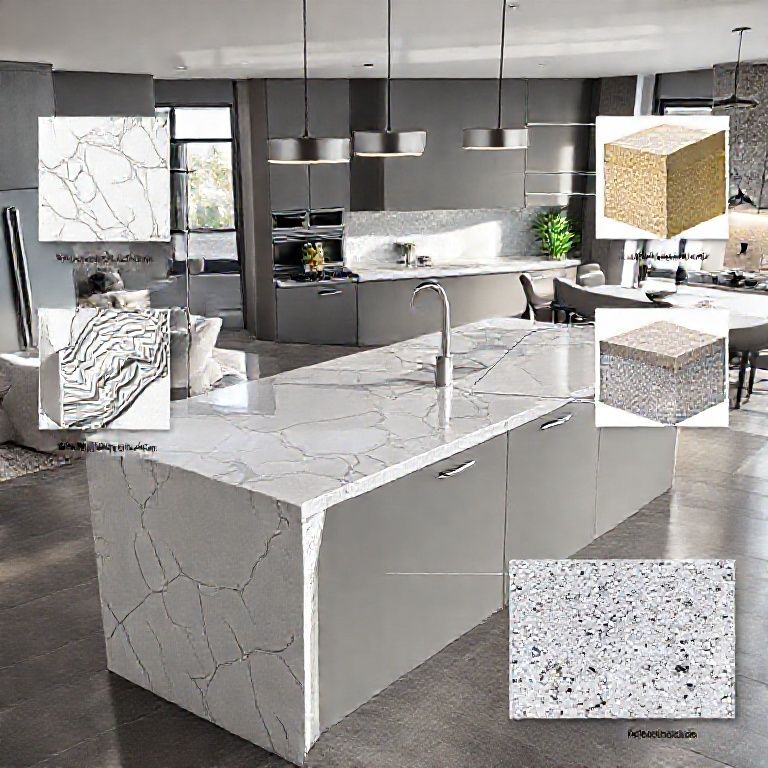
Now, let’s turn our attention to porcelain. Porcelain, a type of ceramic, is made from a refined clay mixture fired at extremely high temperatures (typically above 1,200°C or 2,200°F). This intense firing process results in a dense, vitrified material that is incredibly hard, durable, and virtually impermeable. In recent years, porcelain slabs have emerged as a major contender in the countertop market, offering a robust alternative to traditional materials.
Porcelain’s primary appeal lies in its exceptional durability and resilience. It boasts remarkable resistance to scratches, stains, and heat. You can place hot pans directly on a porcelain countertop without fear of damage – a significant advantage for busy home cooks. Its hardness also means it’s highly resistant to scratches from knives or other sharp objects, making it a practical choice for a high-traffic kitchen. Furthermore, porcelain is non-porous, similar to Corian, making it exceptionally hygienic and resistant to mold, mildew, and bacteria. This also translates to excellent stain resistance; spills are unlikely to penetrate the surface, making cleanup a breeze.
Aesthetically, porcelain has made tremendous strides. It can be designed to mimic a wide range of natural materials with astonishing realism. High-definition printing technology allows manufacturers to replicate the intricate veining of marble, the natural imperfections of granite, or the unique textures of natural stone. This means you can achieve the luxurious look of marble, for instance, without the associated maintenance and porosity concerns of natural marble. Porcelain slabs are also available in large formats, which can minimize seams in countertop installations, contributing to a cleaner, more modern look. The finishes available for porcelain range from matte and textured to high-gloss, offering further design versatility.
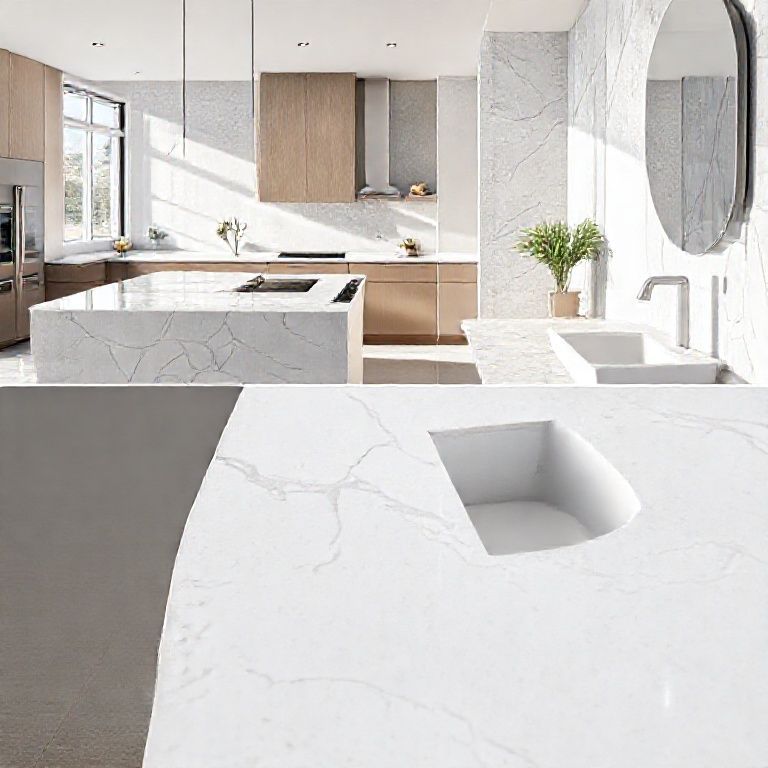
Porcelain’s resistance to UV rays is another notable advantage. Unlike some composite materials, porcelain does not fade or degrade when exposed to sunlight, making it a suitable choice for outdoor kitchens or areas with significant natural light. Its impermeability also makes it highly resistant to frost, ensuring durability even in extreme climates.
Maintenance of porcelain countertops is typically very low. Because it’s non-porous and highly resistant to stains, most everyday spills can be wiped away with a damp cloth and mild soap. Its hardness means it’s less prone to etching from acidic substances compared to some natural stones. In terms of longevity, porcelain is built to last, resisting wear and tear remarkably well over time.
However, porcelain also has its considerations. While it is incredibly hard, this hardness can also make it brittle. A sharp, concentrated impact, such as dropping a heavy cast-iron skillet directly onto a corner or edge, could potentially chip or crack the porcelain. While repairs are possible, they are often more challenging and less seamless than with Corian. The repair might be visible, and in some cases, a damaged section may need to be replaced entirely.
Another aspect to consider is the installation of porcelain countertops. Due to its density and weight, porcelain slabs require specialized tools and expertise for fabrication and installation. This can sometimes translate to higher installation costs compared to other materials. While large formats can minimize seams, the nature of the material means that achieving the completely seamless look that Corian is known for might be more difficult.
The sheer density of porcelain can also make it feel colder to the touch than some other countertop materials. This is a subjective aesthetic and tactile preference, but it’s something to consider if you’re accustomed to the warmer feel of natural wood or certain stones.
So, as we begin to unpack the nuances between Corian and porcelain, it’s clear that both offer compelling benefits. Corian shines in its seamless integration and repairability, while porcelain excels in its sheer durability and resistance to heat and scratches. The choice between them will undoubtedly hinge on your specific priorities, lifestyle, and aesthetic vision. Let’s continue this exploration to delve deeper into how these characteristics translate into real-world performance and design possibilities.
Continuing our deep dive into the Corian versus porcelain debate, let’s now focus on how these distinct materials perform in everyday use and how their installation, cost, and overall value proposition stack up. Understanding these practical aspects is crucial for making a decision that aligns with your budget, your family’s habits, and your long-term home improvement goals.
When it comes to everyday use, the contrasting properties of Corian and porcelain become particularly evident. For households with young children, pets, or those who frequently engage in culinary experiments, durability is often paramount. Porcelain’s extreme hardness makes it a formidable opponent against daily wear and tear. If your kitchen is a hub of activity where knives are frequently used directly on the surface (though not recommended for any countertop material!), or if you often place hot items down without a second thought, porcelain offers a higher degree of resilience. You can achieve a beautiful marble-like appearance without the constant worry of etching or staining that natural marble would entail. This peace of mind can be invaluable for busy families.
Conversely, Corian’s strength lies in its forgiving nature. While it can be scratched, the ability to sand out these imperfections means that a well-maintained Corian countertop can look perpetually new. This repairability is a significant advantage if you’re someone who values a pristine appearance and is willing to undertake minor maintenance. For instance, if a child accidentally leaves a permanent marker on the surface, or if a wine spill sets into a stain, a bit of elbow grease and the right cleaner can often rectify the situation seamlessly. This ease of repair can save you money and hassle in the long run, potentially avoiding the need for costly replacements. However, it’s essential to remember that this repairability is not limitless. Deep gouges or significant impact damage may still require professional intervention or even replacement.
The hygienic aspect is another area where both materials shine, though in slightly different ways. Both are non-porous, meaning they don’t harbor bacteria or mold. This is a significant advantage over porous materials like unsealed natural stone or even some types of laminate. For Corian, the seamless nature of its installation, particularly when integrated sinks are used, creates a virtually unbroken surface that is incredibly easy to wipe down and keep clean. There are no grout lines to scrub or crevices for grime to accumulate. Porcelain also offers excellent hygiene due to its impermeability. Spills bead up on the surface, making them easy to wipe away. The large-format slabs common in modern porcelain installations also minimize grout lines, contributing to a more hygienic and aesthetically pleasing finish compared to traditional ceramic tiles.
When considering installation, both materials require a professional touch, but the specifics differ. Corian is a relatively versatile material that can be cut and shaped on-site by experienced fabricators. Its ability to be thermoformed opens up a world of design possibilities, allowing for curved countertops, integrated sinks, and unique edge profiles that can’t be achieved with more rigid materials. The seamless joining technique is a hallmark of Corian installation, resulting in a cohesive, flowing surface.
Porcelain, on the other hand, is significantly harder and denser. This means it requires specialized cutting tools and a higher level of expertise for fabrication. While it can be fabricated with large slabs to minimize seams, achieving the complete, invisible seamlessness of Corian is generally not possible. The edges of porcelain slabs are often finished in ways that might be more prominent than Corian’s perfectly blended joints. The weight of porcelain slabs also necessitates a sturdy sub-base for support, which can be a factor in certain renovation projects. Due to the specialized nature of its fabrication, installation costs for porcelain can sometimes be higher than for Corian, especially for complex designs.
Cost is a significant factor in any renovation decision, and here, the waters can be a bit muddied. Generally speaking, Corian solid surfaces fall into the mid-to-high price range. The cost can vary widely depending on the color, pattern, and complexity of the fabrication. Premium colors or intricate designs will naturally cost more. Porcelain countertops, especially those made from high-quality, large-format slabs, also tend to be in the mid-to-high price bracket. The cost of porcelain is heavily influenced by the brand, the design, and the size of the slabs used. When comparing like-for-like in terms of aesthetic complexity and brand reputation, the price points for Corian and porcelain can often be quite comparable. However, it’s always wise to get detailed quotes from fabricators for your specific project, as installation costs can significantly impact the overall budget.
The long-term value proposition of each material is also worth considering. Corian’s repairability means that it can potentially maintain its aesthetic appeal for a very long time, especially if minor issues are addressed promptly. This can be seen as a significant cost-saving measure over the lifespan of the countertop. If a deep scratch occurs, a professional can often refinish it for a fraction of the cost of replacing the entire countertop.
Porcelain’s inherent durability means it’s less likely to suffer damage that would require costly repairs. Its resistance to heat, scratches, and stains means it will likely maintain its appearance with minimal intervention, offering a “set it and forget it” kind of value. While repairs can be more challenging, the material’s resilience means such repairs are less frequently needed. For homeowners who prioritize low maintenance and extreme durability, porcelain can offer excellent long-term value, especially in high-use areas.
When it comes to resale value, both materials are generally considered upgrades that can enhance a home’s appeal. Corian’s modern, seamless look and wide range of design options can be very attractive to potential buyers. Porcelain, with its ability to mimic high-end natural stones and its reputation for extreme durability, also adds significant value. The choice between them might subtly influence buyer perception, with some appreciating the inherent toughness of porcelain, while others might be drawn to the sleek, customizability of Corian.
Ultimately, the question of “可丽耐人造石和陶瓷哪个好些呢视频” (Which is better, Corian solid surface or porcelain?) doesn’t have a single definitive answer. It’s about finding the best fit for your specific needs and preferences.
If your priority is:
Seamless aesthetics and integrated features: Corian excels with its ability to create near-invisible seams and seamlessly integrated sinks, offering a truly fluid look. Repairability and ease of minor fixes: If you want the option to easily buff out scratches or repair minor damage yourself or through simple professional service, Corian is a strong contender. Design flexibility with curves and unique shapes: Corian’s thermoformable nature allows for more dramatic and custom design elements. A warmer feel to the touch: Corian generally has a warmer feel than porcelain.
If your priority is:
Maximum durability and resistance to heat and scratches: Porcelain is the champion here, standing up exceptionally well to intense daily use, hot pans, and sharp objects. Low maintenance and minimal worry about everyday mishaps: If you want a surface that you can largely ignore concerning spills, heat, and minor abrasions, porcelain offers peace of mind. Mimicking the look of natural stone without the upkeep: Porcelain’s advancements in replicating natural materials are remarkable, offering high-end aesthetics with robust performance. Resistance to fading in sunlight: Porcelain is an excellent choice for kitchens with direct sunlight or for outdoor applications.
In conclusion, both Corian solid surfaces and porcelain are fantastic choices for modern countertops, each bringing a unique set of strengths to the table. Corian offers unparalleled seamlessness and repairability, making it a highly adaptable and forgiving material. Porcelain, on the other hand, delivers a level of hardness and resistance that is hard to beat, ensuring a surface that can withstand the rigors of daily life with minimal fuss. Consider your lifestyle, your aesthetic aspirations, and your budget carefully. By weighing these factors, you can confidently select the material that will best serve your home and bring your dream kitchen or bathroom to life. The “best” choice is the one that aligns perfectly with your vision and practical needs.









