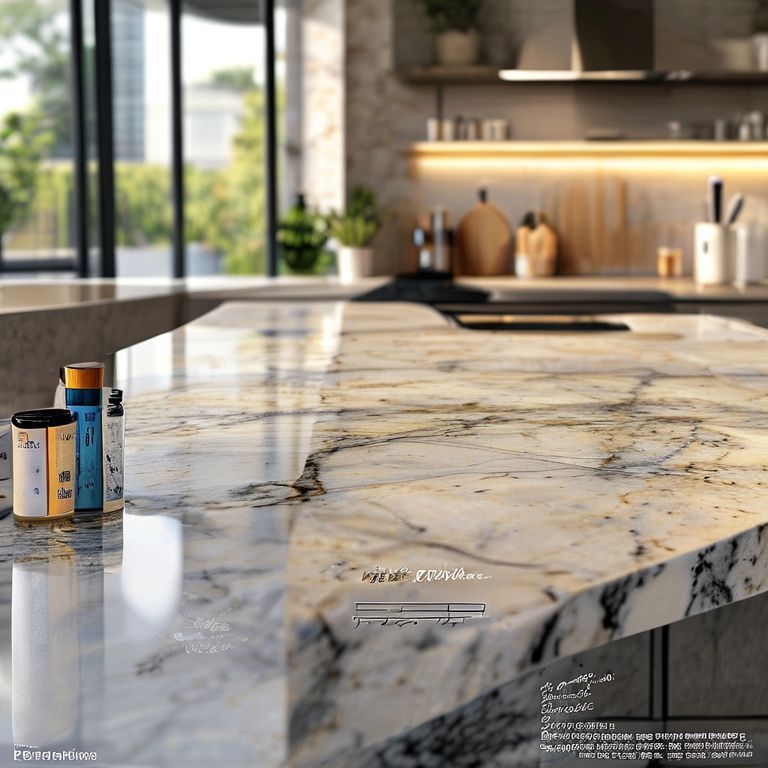
The Ultimate Guide to Artificial Marble Prices: Part 1
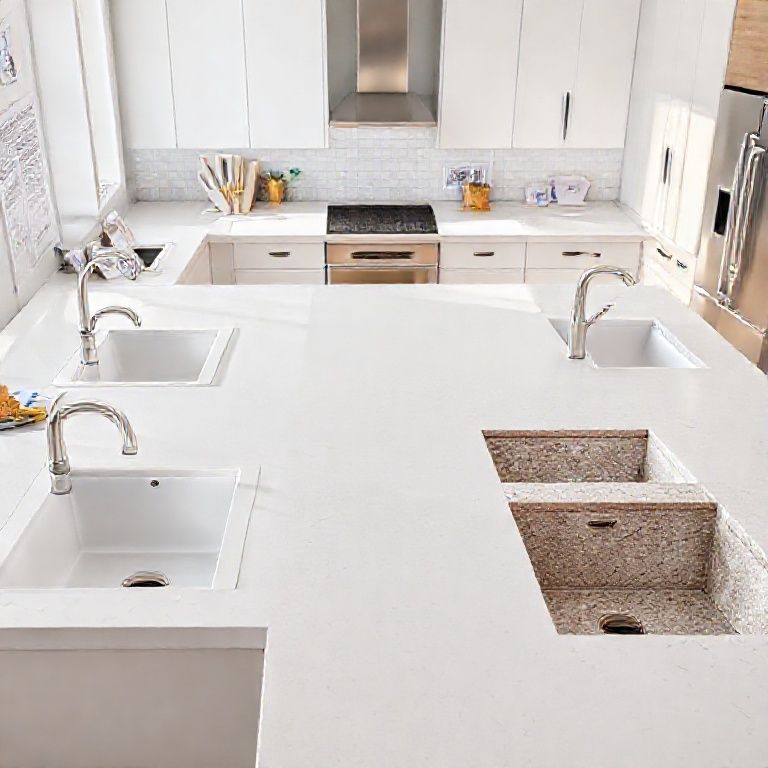
In the world of home improvement and interior design, one of the most popular choices for countertops is artificial marble. Known for its stunning aesthetic and durability, artificial marble has become a favorite among homeowners and designers alike. But what factors influence the prices of these luxurious surfaces? In this part of our comprehensive guide, we will explore the material types, design options, and key factors that determine artificial marble prices.
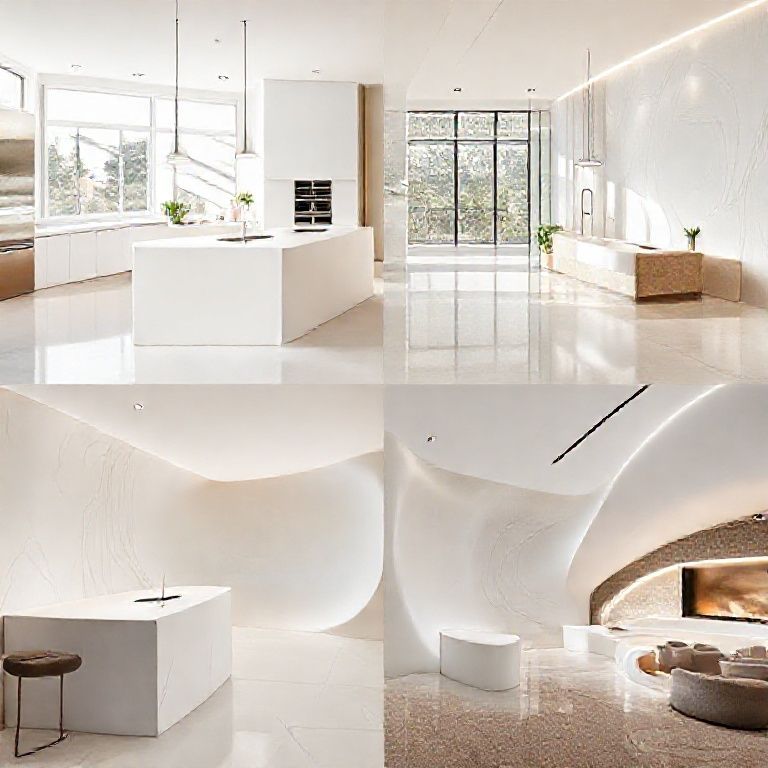
Understanding Material Types
Artificial marble, also known as cultured marble, is a composite material made from a mixture of natural stone powder (usually calcite), resin, and pigments. This unique blend gives it the appearance of natural marble while offering several advantages in terms of cost, maintenance, and versatility.
1. Calcite-Based Artificial Marble: The most common type of artificial marble uses calcite, which is derived from limestone. Calcite-based artificial marble is known for its high-quality finish and resistance to stains and scratches. It is also relatively easy to install and maintain.
2. Onyx-Based Artificial Marble: Onyx-based artificial marble incorporates onyx stone dust into the mixture, resulting in a product that closely mimics the look and feel of natural onyx. This type is often chosen for its intricate veining and luxurious appearance.
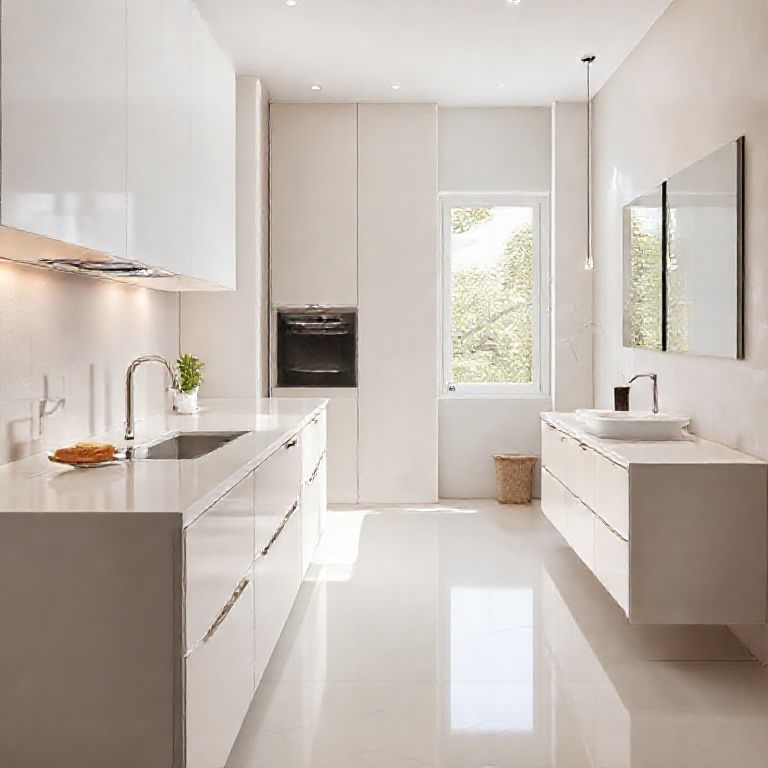
3. Other Ingredients: Some artificial marbles may include additional ingredients like silica or dolomite to enhance specific properties such as increased strength or better resistance to thermal shock. These variations can affect the overall price of the material.
Design Options and Their Impact on Pricing
The design and color options available for artificial marble are virtually limitless, which is both a blessing and a potential source of confusion when it comes to pricing.
1. Custom Colors and Patterns: Creating a custom color or pattern can significantly increase the cost of artificial marble. Custom formulations require more time and specialized materials, leading to higher expenses. Designers often recommend sticking to standard colors and patterns to keep costs in check.
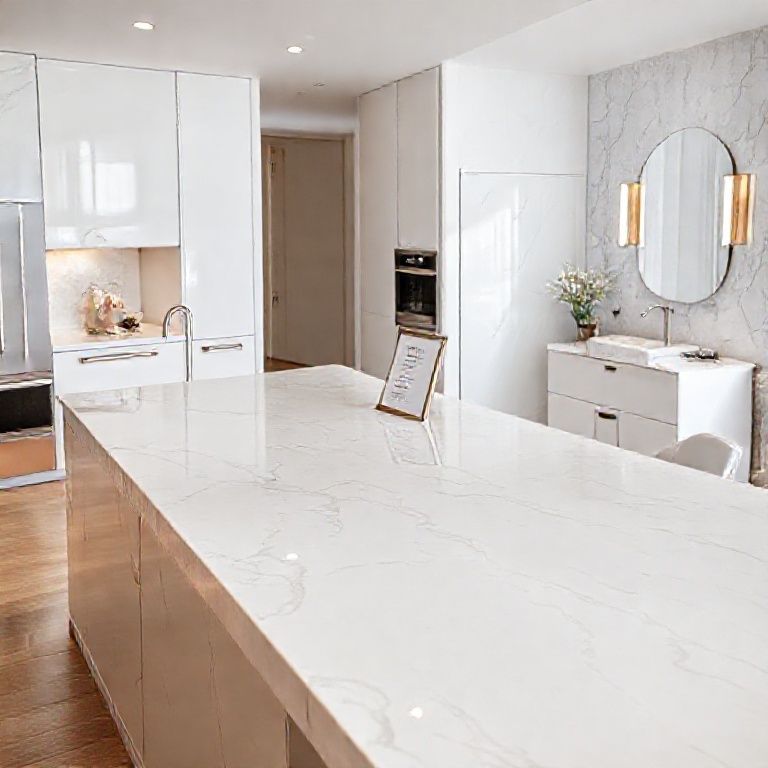
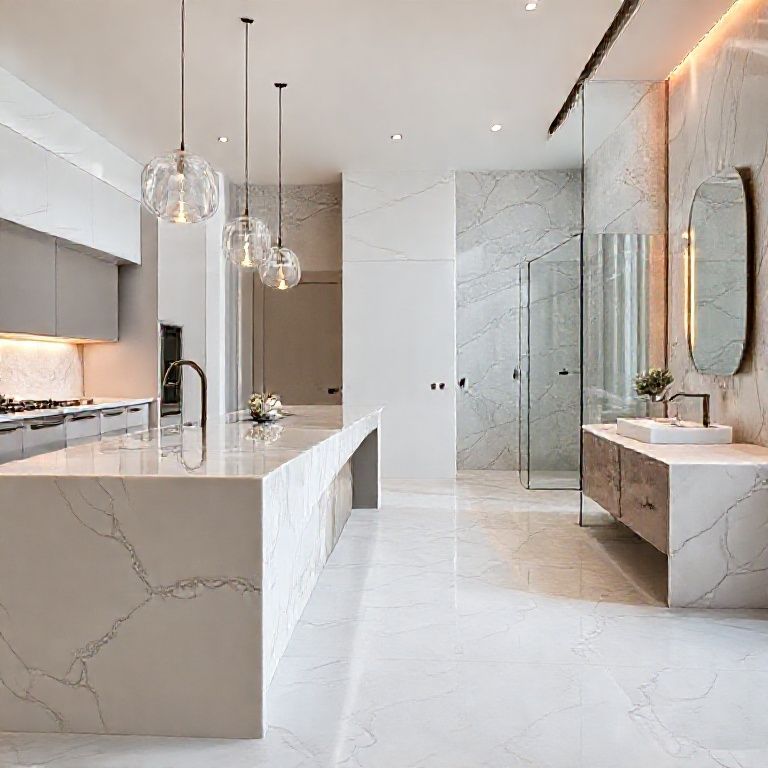
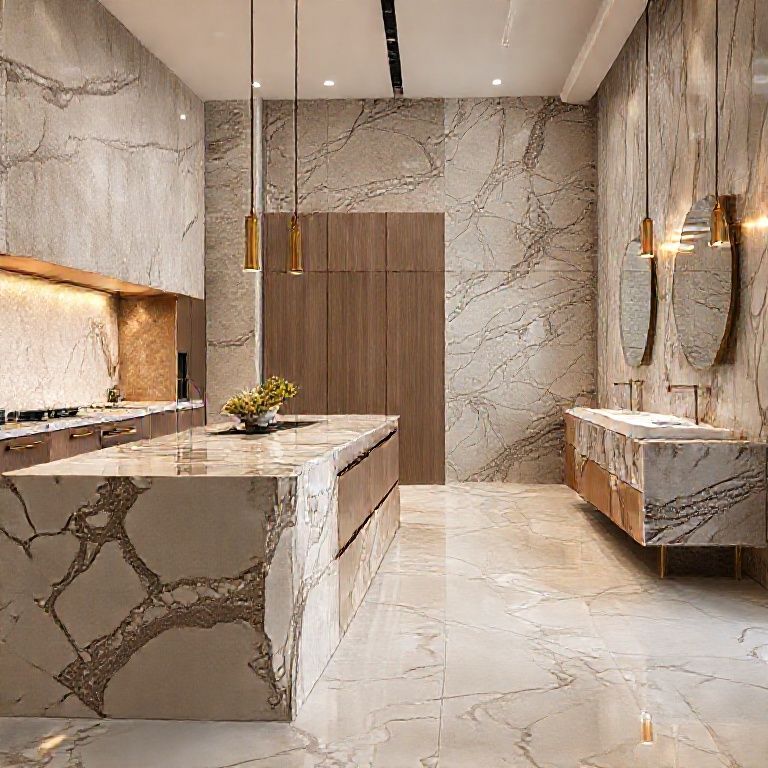
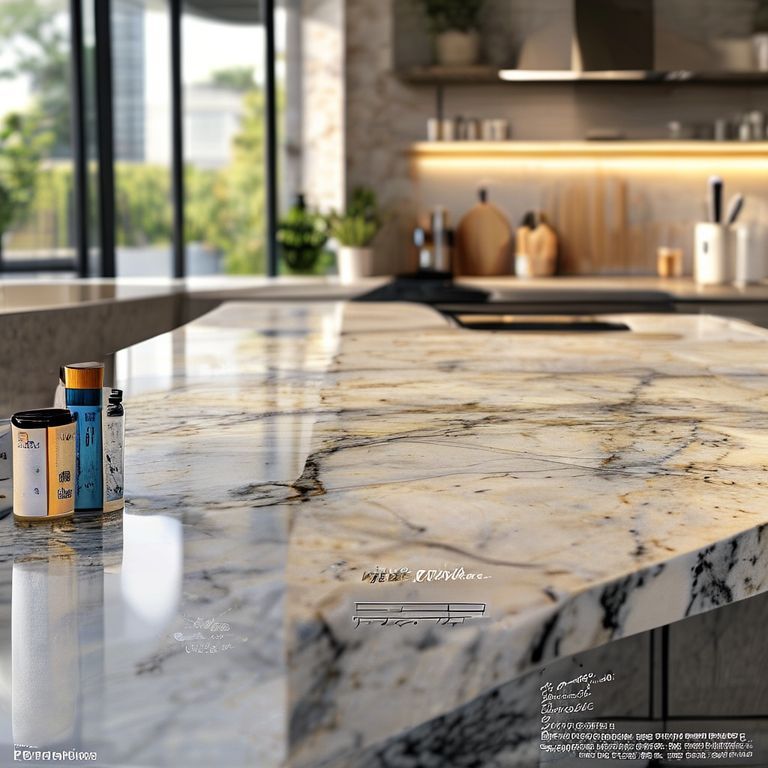
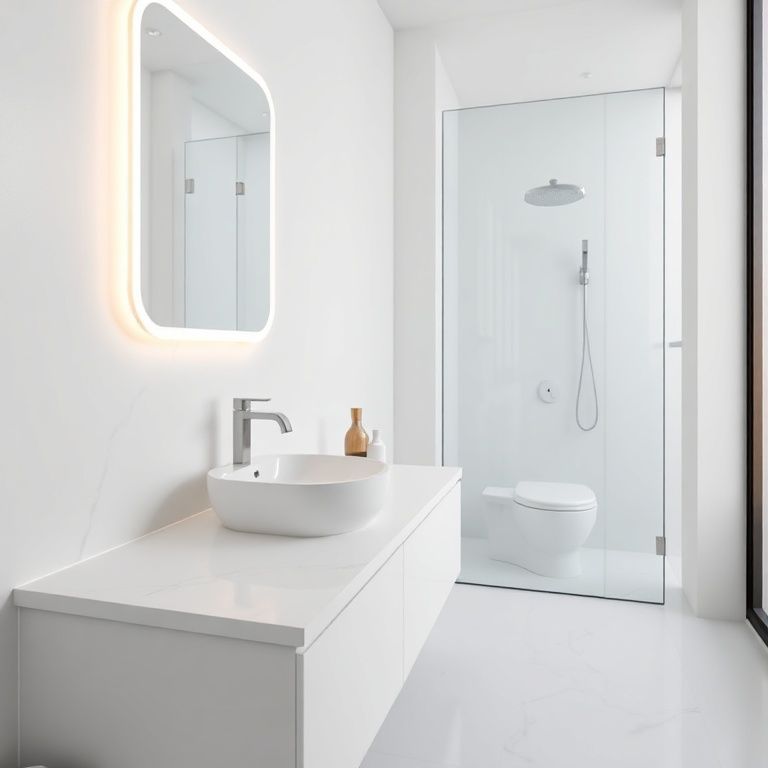
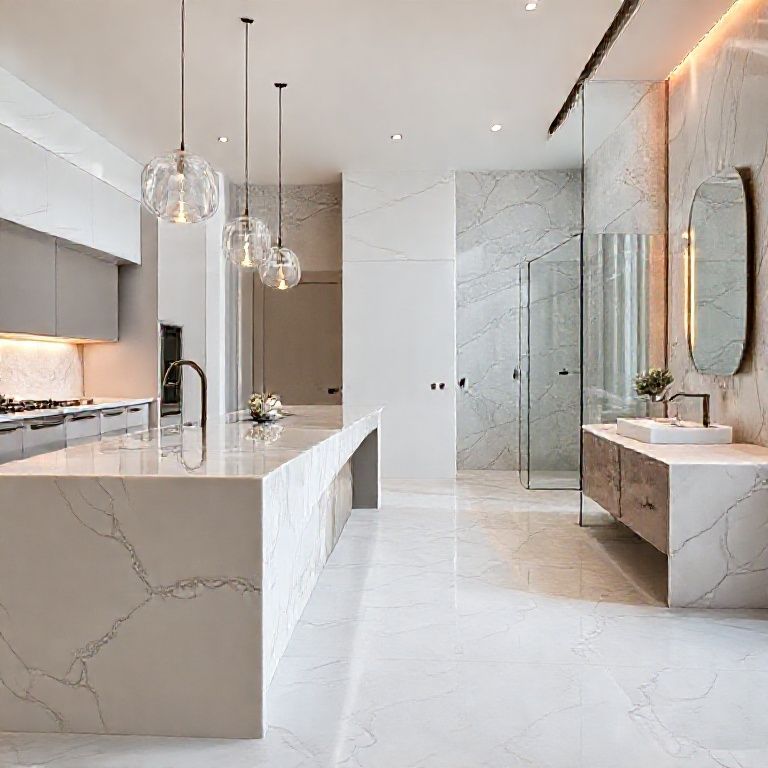
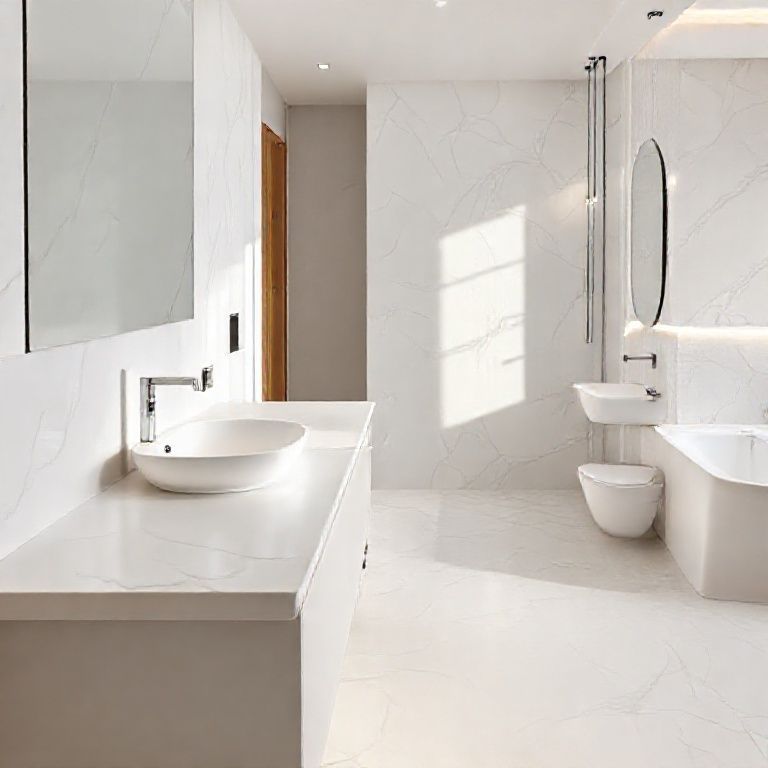
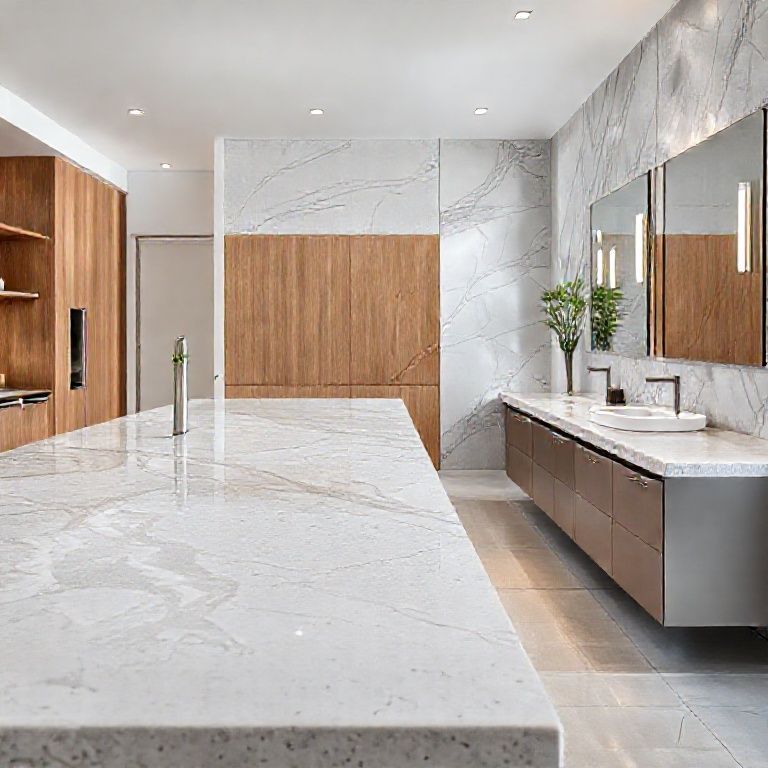
2. Veining and Textures: Artificial marble can be crafted to mimic the intricate veining of natural marbles like veined marble, Calacatta, or Emperador. The more complex the veining and texture, the higher the cost. Detailed veining and realistic textures require more advanced manufacturing techniques and materials.
3. Edge Designs: Different edge designs such as beveled, bullnose, or faceted edges can also affect pricing. Custom edge designs require additional labor and precision, contributing to the overall cost.
Key Factors Influencing Pricing
Several key factors influence the pricing of artificial marble. Understanding these elements can help you make informed decisions when budgeting for your next project.
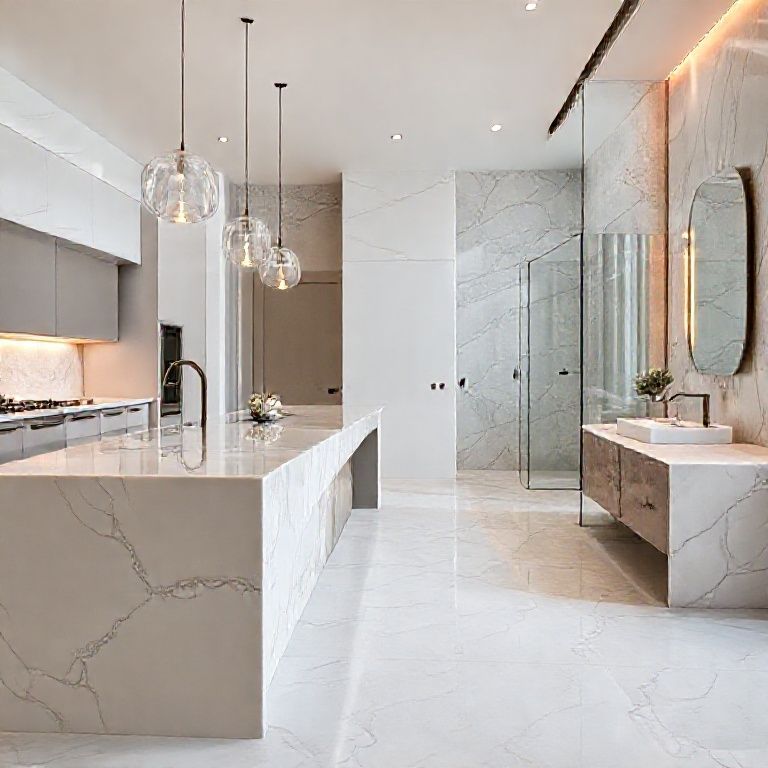
1. Quality of Materials: The quality of the materials used in the artificial marble significantly impacts its price. Higher-quality stone powders and resins result in a more durable and aesthetically pleasing product.
2. Manufacturing Process: The manufacturing process also plays a crucial role. Advanced manufacturing techniques, such as precision mixing and curing processes, contribute to higher costs.
3. Thickness and Size: The thickness and size of the artificial marble slabs can affect pricing. Thicker slabs (usually 1.5 to 2 inches) are more durable and offer a more natural look but are more expensive than thinner slabs.
4. Installation Costs: Professional installation can add to the overall cost. Skilled labor is required to cut, install, and finish artificial marble, which can vary depending on the complexity of the project.
5. Customization: Customization, including color, veining, and edge designs, is a significant factor in pricing. Custom orders incur additional costs due to the need for specialized materials and labor.
6. Brand and Reputation: Brands with a reputation for high quality and customer satisfaction may charge a premium for their products. Established brands often offer better warranties and customer service, which is worth the extra cost for many buyers.
Budgeting for Your Project
When budgeting for an artificial marble countertop, it’s essential to consider all these factors to avoid unexpected expenses. Here’s a simple breakdown to help you plan:
1. Initial Cost: The base cost of artificial marble typically ranges from $30 to $70 per square foot. This cost can vary based on the type of material and the complexity of the design.
2. Additional Costs: Factor in additional costs such as installation, which can add 10-20% to the initial cost. Customization and specialized designs can also increase the overall price.
3. Long-Term Savings: While the upfront cost might be higher than other materials, the long-term savings in maintenance and durability often make artificial marble a cost-effective choice. Unlike natural stone, artificial marble is resistant to stains, scratches, and thermal damage, reducing the need for frequent repairs and replacements.
Conclusion
Artificial marble offers a stunning, durable, and versatile alternative to natural stone for your countertops. By understanding the material types, design options, and key factors influencing pricing, you can make informed decisions that align with your budget and design goals. In the next part of our guide, we will delve deeper into specific price ranges, popular brands, and additional considerations to help you choose the perfect artificial marble for your space.
Stay tuned for Part 2, where we will explore specific price ranges, popular brands, and additional considerations for selecting the perfect artificial marble for your project.
The Ultimate Guide to Artificial Marble Prices: Part 2
In the continuation of our comprehensive guide on artificial marble prices, we delve deeper into specific price ranges, popular brands, and additional considerations to help you make the best choice for your home or commercial space. This part will provide detailed insights into how you can get the most value for your investment while achieving the desired aesthetic and functional outcomes.
Specific Price Ranges
Understanding the specific price ranges for artificial marble can help you set a realistic budget and make informed purchasing decisions. Here’s a detailed breakdown:
1. Low-End Price Range ($30 – $50 per square foot): This range typically includes basic models made from standard materials with simple designs. While affordable, these options may lack the durability and aesthetic appeal of higher-end models.
2. Mid-Range Price Range ($50 – $70 per square foot): Mid-range artificial marbles offer a good balance between quality and cost. These products often feature high-quality stone powders and resins, along with intricate veining and textures. They provide a durable and visually appealing option for most projects.
3. High-End Price Range ($70 – $100+ per square foot): High-end artificial marbles are crafted from premium materials and feature intricate designs and custom colors. These options are ideal for luxury projects where aesthetics and durability are paramount. Prices can vary widely based on the complexity of the design and the use of high-grade materials.
Popular Brands
Several brands are well-known for their high-quality artificial marble products. Here are some of the most popular ones:
1. Caesarstone: Caesarstone is a leading brand in the artificial marble industry, known for its high-quality products and innovative designs. Their marbles are crafted from premium materials and offer excellent durability and resistance to stains and scratches.
2. Cosentino Group (Silestone): Cosentino Group’s Silestone line is another top choice for many designers and homeowners. Known for their sleek and modern designs, Silestone products offer exceptional strength and a wide range of color options.
3. Quarts: Quarts is a well-established brand that offers a variety of artificial marble options. Their products are known for their realistic veining and textures, making them a popular choice for those seeking a highly realistic look.
4. Other Notable Brands: Other reputable brands in the industry include Natura Stone, Laticrete, and Carrara Stone. These companies offer a range of artificial marble products that cater to different budgets and design preferences.
Additional Considerations
When selecting artificial marble, several additional considerations can impact your overall cost and satisfaction with the final product.
1. Warranty and Guarantees: Many reputable brands offer warranties that cover defects in materials and workmanship. These warranties can provide peace of mind and protect your investment against unexpected issues. It’s important to review the warranty terms carefully to understand what is covered and for how long.
2. Local vs. Imported Products: The source of your artificial marble can influence the价格。本地生产的材料通常比进口材料更便宜,因为运输和关税成本可以避免。
进口材料可能提供更高的品质和更多的设计选择。在选择供应商时,要考虑这一点,并确保他们提供透明的成本信息。
3. 维护和清洁: 尽管人造大理石非常耐用,但正确的维护和清洁对其长期美观和耐用性至关重要。选择易于清洁和维护的产品可以避免额外的维护费用。了解如何正确保养您的人造大理石,可以延长其使用寿命并保持其外观。
4. 环境影响: 在现代设计中,环保和可持续性越来越受到重视。选择环保认证的人造大理石品牌,不仅对环境有益,还可能在长期内节省成本,因为这些材料通常更耐用,减少了更换和维护的需要。
5. 安装和定制服务: 如果您选择定制设计或需要特殊安装服务,这将增加总体成本。专业的安装服务可以确保最佳的结果和耐用性,但需要在预算内进行合理规划。
实际案例分析
为了更好地理解这些因素如何在实际情况中影响价格,让我们看看几个具体案例:
案例1: 小型厨房改造
背景: 一对夫妇计划改造他们的小厨房,希望在保持预算的获得高质量的人造大理石台面。
选择: 他们选择了中档价位的Silestone人造大理石,并选择了一个简单的白色设计。他们还选择了专业的安装服务,以确保最佳效果。
成本: 最终成本包括材料、安装和一些小的修复费用,总共约为$6,000。
案例2: 豪华客厅设计
背景: 一位富有的客户希望在他的豪华客厅中添加一个精致的人造大理石台面,以提升整体装修水平。
选择: 他选择了高端的Caesarstone人造大理石,并选择了一种复杂的多彩设计,包括定制的边缘设计。
成本: 由于复杂的设计和高品质材料,这个项目的总成本约为$15,000。
结论
人造大理石的价格受多种因素影响,包括材料质量、设计复杂度、品牌声誉以及安装和维护要求。通过全面了解这些因素,您可以更好地规划您的预算,并选择最适合您需求和预算的人造大理石材料。在做决定之前,建议咨询专业设计师或供应商,以获得最准确和个性化的建议。