Introduction to Artificial Marble
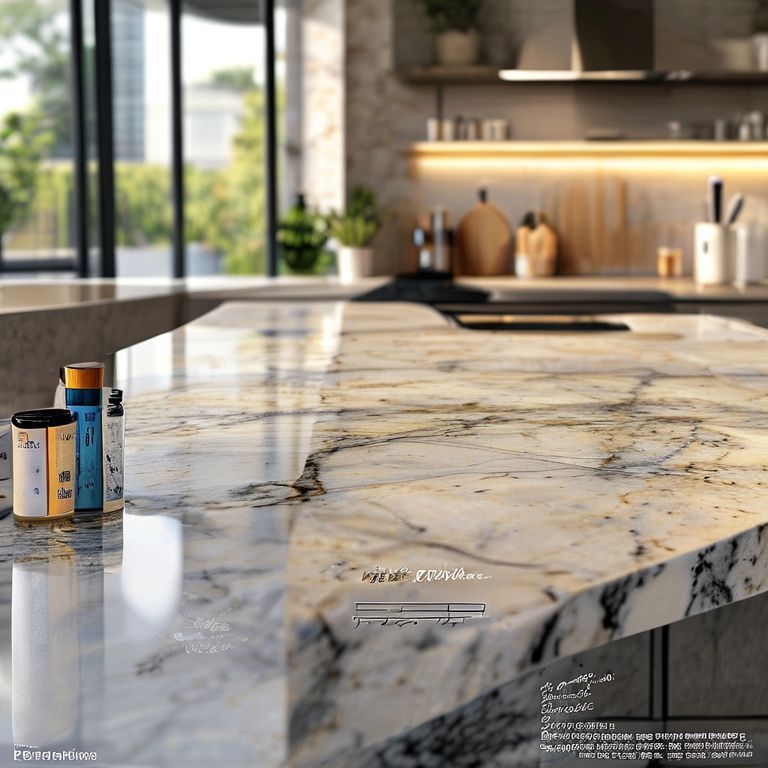
Artificial marble, also known as cultured marble, is a composite material made from a combination of natural stone, resin, and pigments. This innovative material has gained immense popularity over the last decade due to its stunning aesthetics, versatility, and cost-effectiveness compared to natural stone. In this part, we will delve into the composition, benefits, and applications of artificial marble.
Composition and Manufacturing Process
Artificial marble is meticulously crafted through a process that combines crushed marble chips, resin, and color pigments. The mixture is then poured into molds and subjected to high pressure and temperature, allowing the resin to bind the marble chips together, creating a solid, monolithic structure. This method results in a product that mimics the look of natural marble while offering superior durability and resistance to scratches, stains, and chips.
Why Choose Artificial Marble?
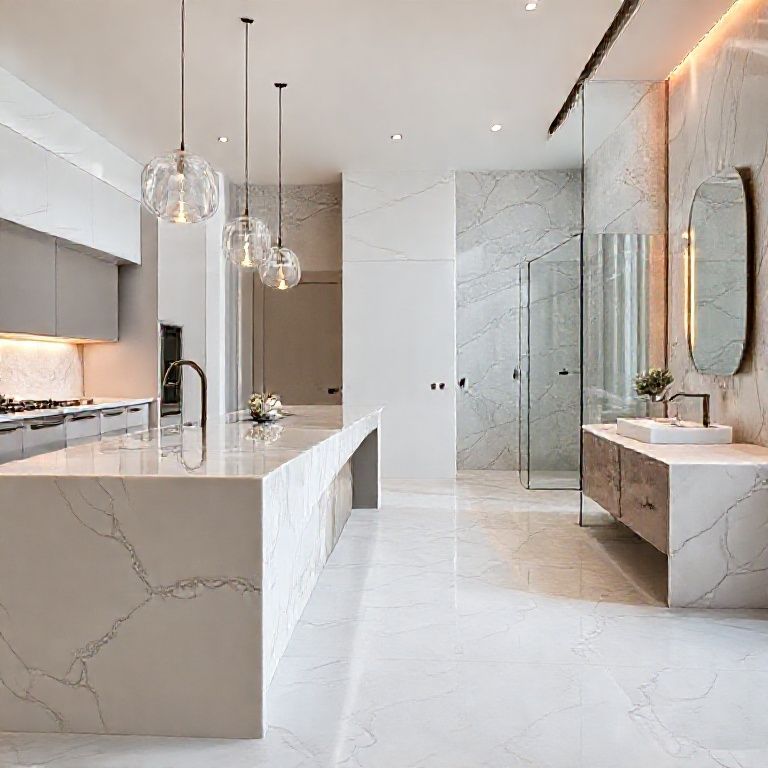
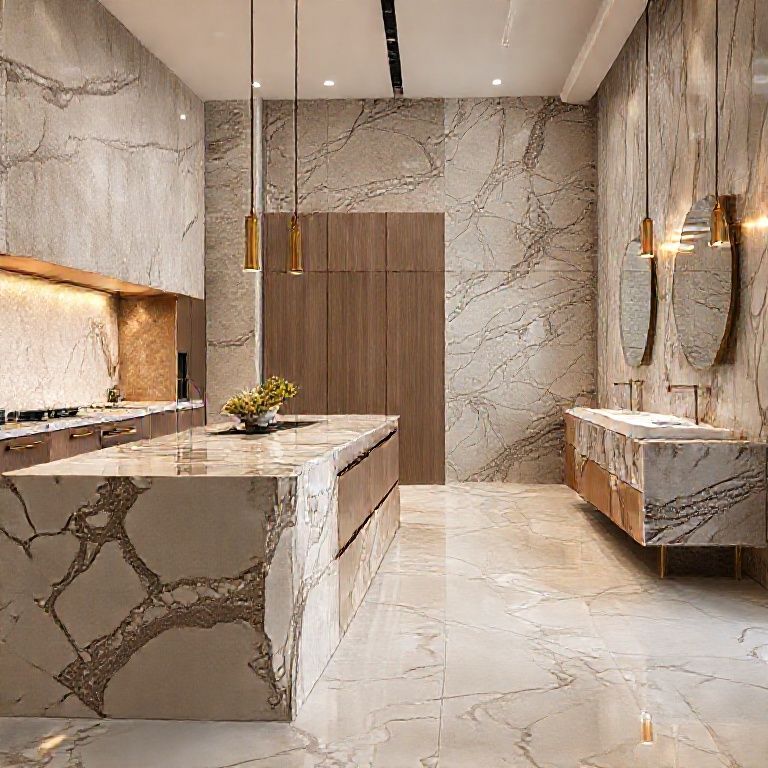
Aesthetic Appeal: Artificial marble can replicate the intricate veining and colors found in natural marble, offering a luxurious and sophisticated look that can elevate any space. With a wide range of colors and patterns available, it provides unparalleled design flexibility.
Durability: One of the most significant advantages of artificial marble is its durability. Unlike natural stone, it does not chip, crack, or splinter. The high-pressure manufacturing process ensures that the material is solid and resistant to scratches and stains, making it ideal for high-traffic areas such as kitchens and bathrooms.
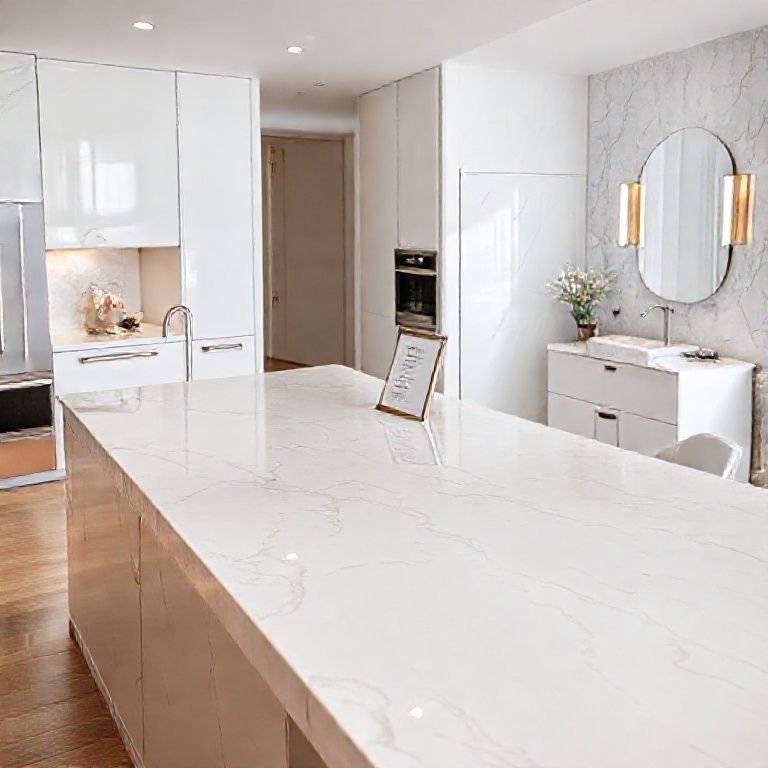
Cost-Effectiveness: Artificial marble is generally more affordable than natural stone. This makes it an attractive option for homeowners and businesses looking to achieve high-end aesthetics without the premium price tag of natural marble or other luxury materials.
Ease of Installation: Artificial marble is lightweight and easy to install. It can be used for countertops, sinks, backsplashes, and even bathtubs. The material is also relatively easy to cut and shape, allowing for custom designs tailored to specific needs.
Applications of Artificial Marble
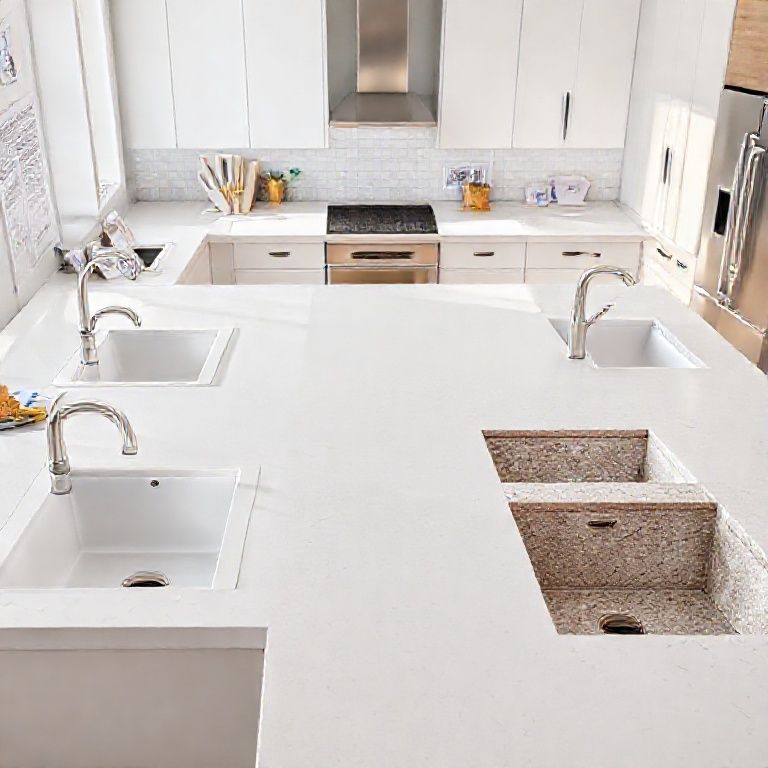
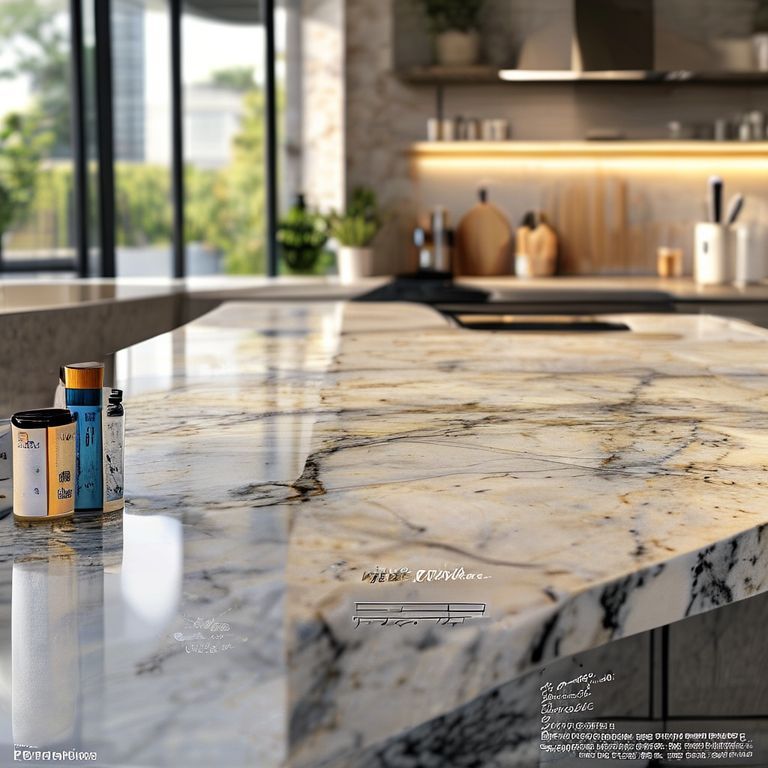
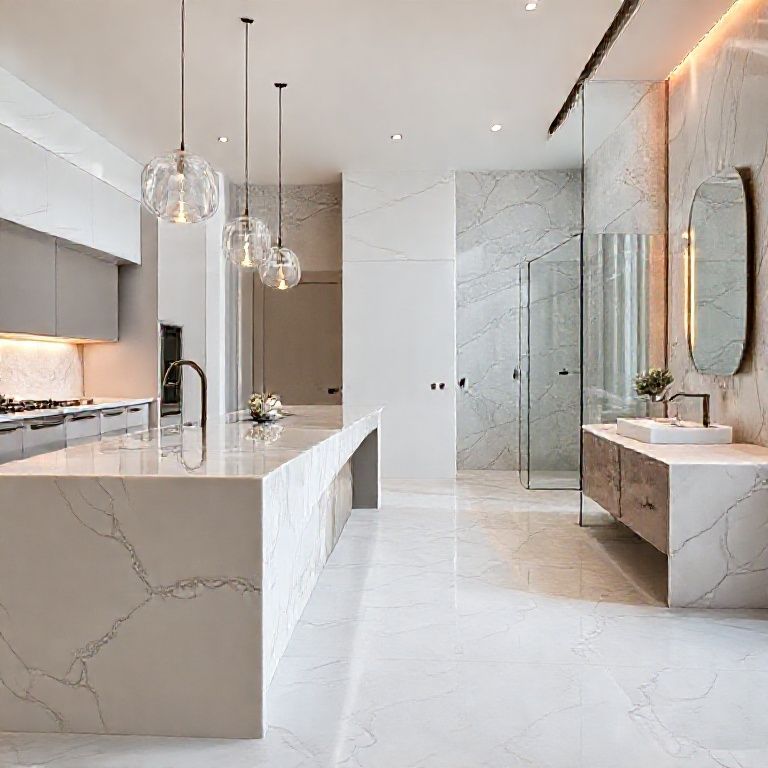
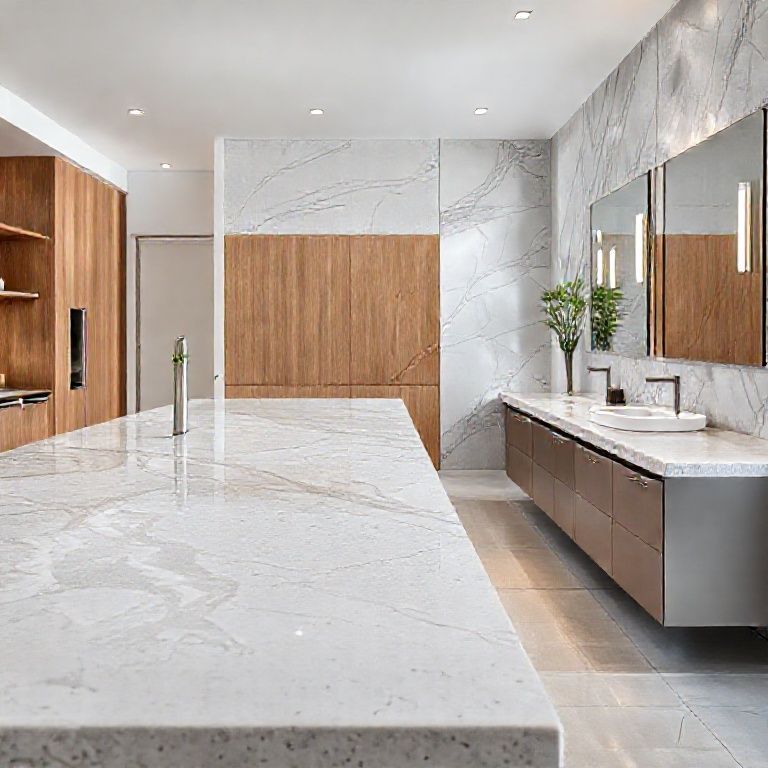
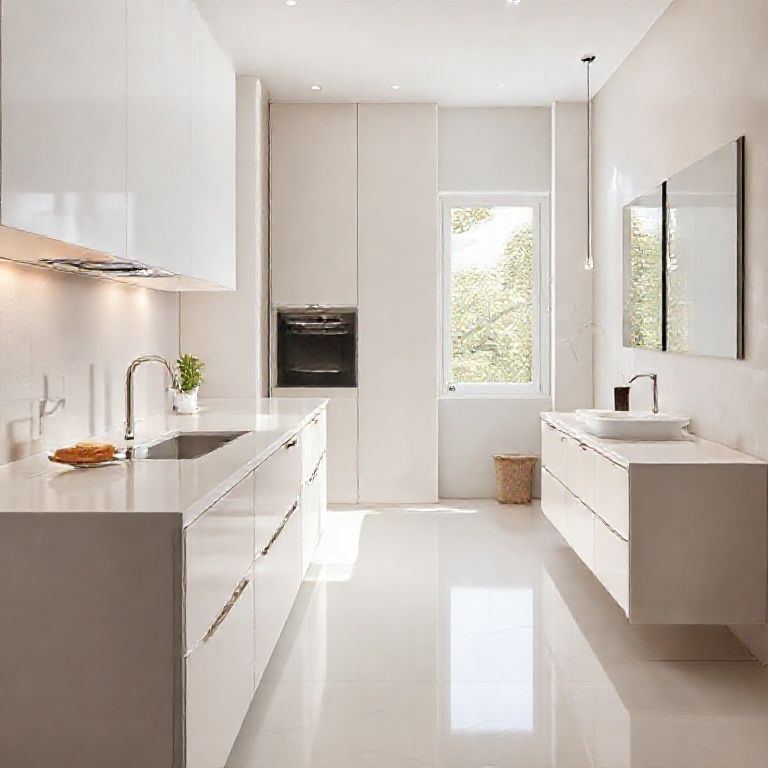
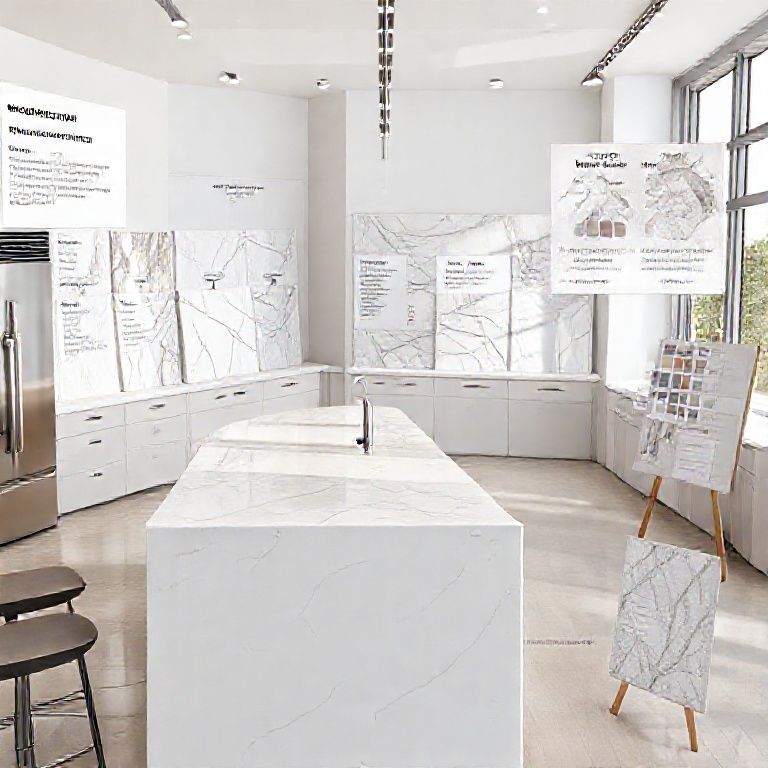
Kitchens: In the kitchen, artificial marble is a popular choice for countertops, backsplashes, and island surfaces. Its durability ensures that it can withstand the daily wear and tear of cooking and food preparation. Additionally, its resistance to heat makes it ideal for surfaces that come into contact with hot pots and pans.
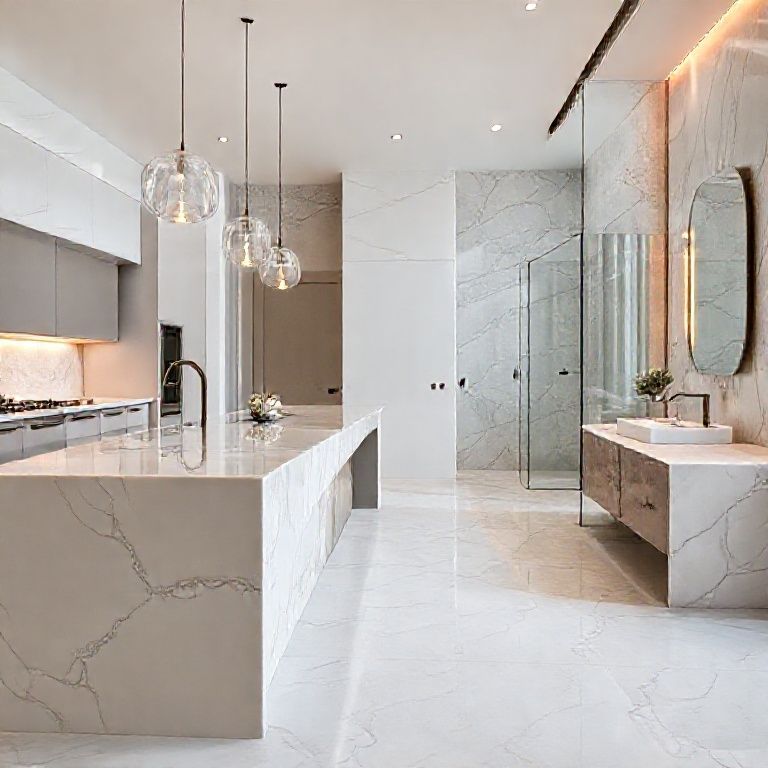
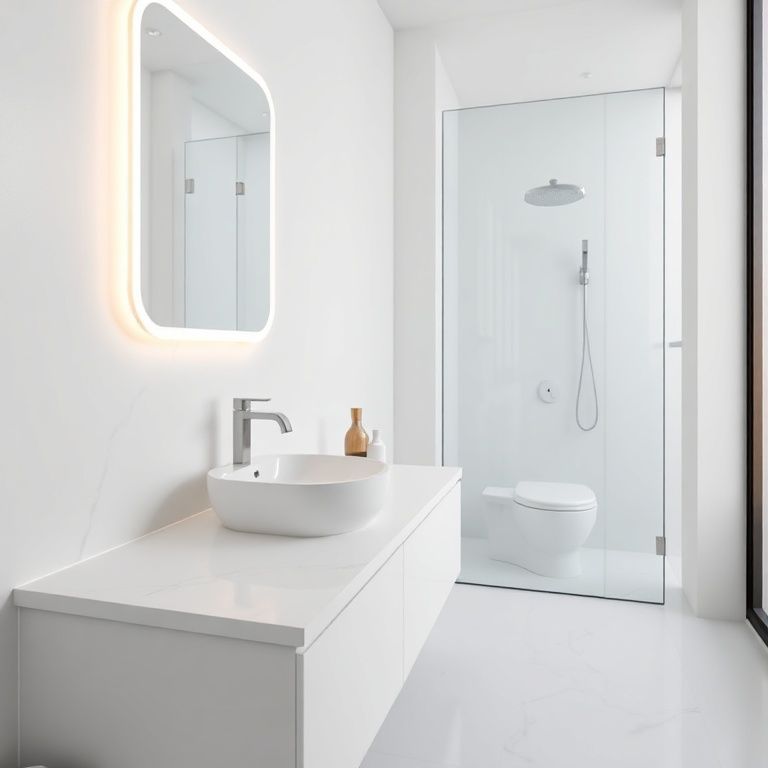
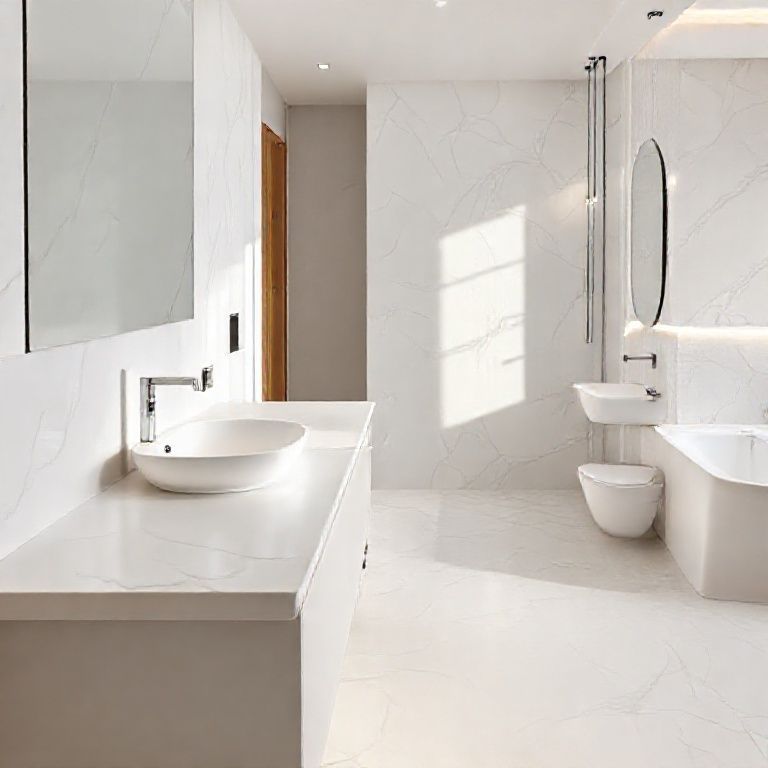
Bathrooms: Artificial marble is increasingly used in bathroom renovations. It can be employed for vanities, sinks, and even bathtubs. Its stain-resistant properties make it easy to maintain, ensuring that it looks pristine over time.
Commercial Spaces: In commercial settings, artificial marble is used for reception desks, conference tables, and other high-traffic areas. Its durability and resistance to damage make it a practical choice for places where the material will endure frequent use.
Interior Design: Beyond functional applications, artificial marble is also used in interior design for decorative elements such as fireplace surrounds, mantles, and even furniture. Its versatility allows designers to incorporate it into various styles and themes, from modern and minimalist to classic and ornate.
Maintenance and Longevity of Artificial Marble
While artificial marble offers numerous benefits, understanding its maintenance and longevity is crucial to ensuring that it remains a long-term investment. In this part, we will explore how to care for artificial marble and why it is a durable, low-maintenance material.
Maintenance Tips
Cleaning: Artificial marble is relatively easy to clean. A mild soap and water solution is typically sufficient to remove everyday spills and stains. For tougher stains, a commercial cleaner designed for stone surfaces can be used. It is important to avoid abrasive cleaners or sponges, which can scratch the surface.
Avoiding Acidic Substances: While artificial marble is resistant to many types of stains, it is not entirely impervious to acidic substances. To prevent potential damage, avoid placing acidic items such as citrus juices, vinegar, or acidic foods directly on the surface. If spills occur, wipe them up immediately with a clean, damp cloth.
Regular Maintenance: Regular maintenance is key to keeping artificial marble looking its best. Wipe surfaces with a soft, dry cloth to remove dust and prevent the build-up of grime. For deeper cleaning, use a stone-specific cleaner and a soft cloth or microfiber mop.
Longevity and Durability
One of the most compelling reasons to invest in artificial marble is its longevity. Unlike natural stone, which can suffer from cracks, chips, and stains over time, artificial marble is designed to withstand the test of time. Its high-pressure manufacturing process ensures that the resin bonds the marble chips tightly, creating a solid and monolithic structure that does not degrade easily.
Environmental Impact
Artificial marble is also an eco-friendly option compared to natural stone. The production of natural stone involves mining, which can have significant environmental impacts, including habitat destruction and carbon emissions. In contrast, artificial marble is manufactured using a closed-loop process that minimizes waste and energy consumption.
Real-World Examples
Home Renovations: Many homeowners choose artificial marble for kitchen and bathroom renovations due to its beauty and practicality. It allows for creative design possibilities while ensuring that the space remains functional and easy to maintain.
Commercial Projects: Businesses often opt for artificial marble in high-traffic areas such as reception desks, conference rooms, and showrooms. Its durability and low maintenance make it an ideal choice for commercial environments where aesthetics and functionality are paramount.
Custom Projects: Designers and architects frequently use artificial marble for custom projects, from unique furniture pieces to elaborate architectural elements. Its versatility and ease of customization make it a favorite in the design community.
Conclusion
In conclusion, artificial marble offers a compelling blend of aesthetics, durability, and cost-effectiveness that makes it an excellent choice for both residential and commercial spaces. Its ability to mimic the beauty of natural marble while providing superior resistance to damage and stains ensures that it remains a long-term investment. Whether you are renovating a kitchen, updating a bathroom, or designing a commercial space, artificial marble is a material that combines luxury with practicality, making it a wise choice for any project.