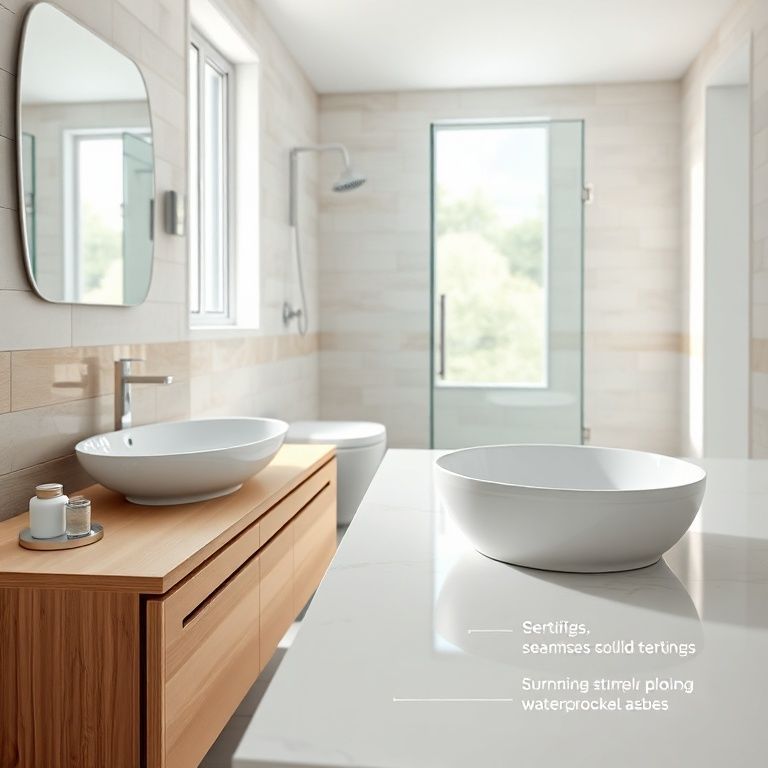
The Ultimate Guide to Artificial Quartz Countertops: Pros and Cons
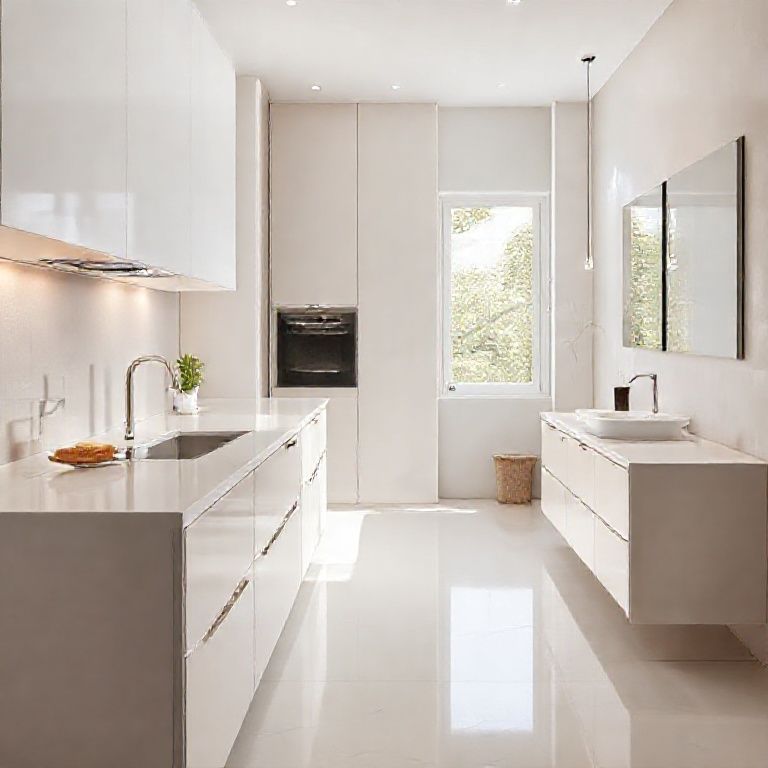
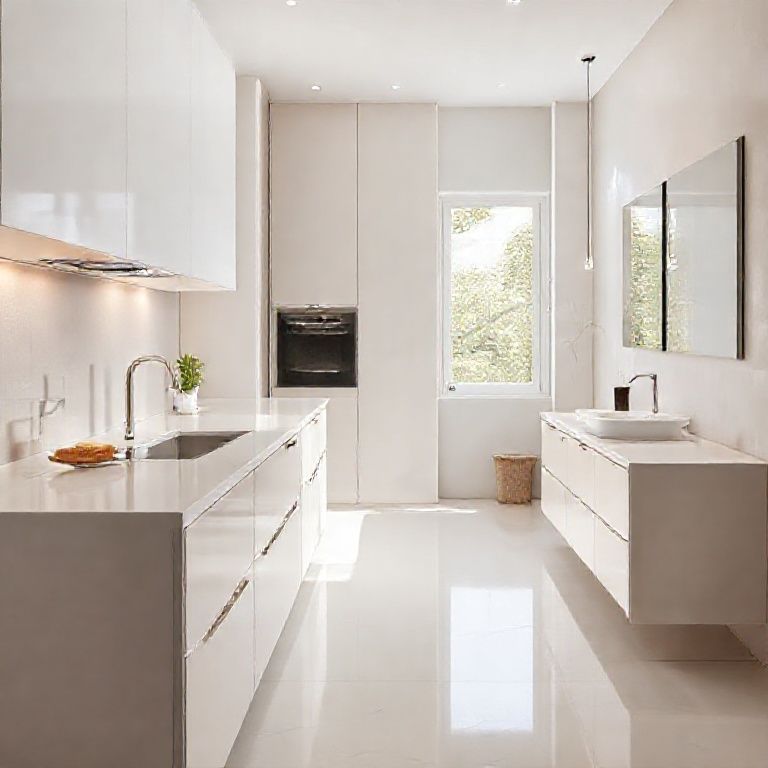
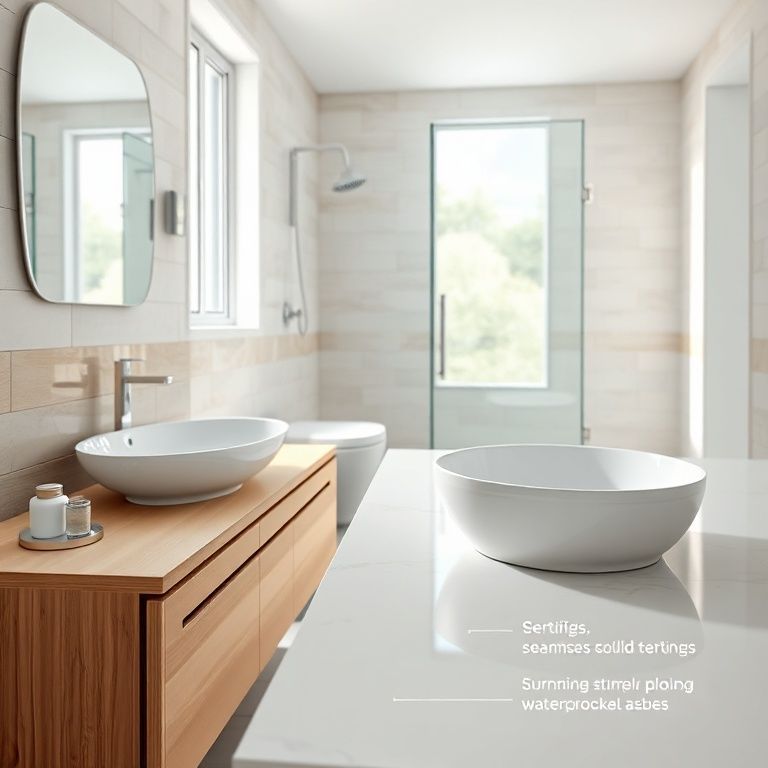
Artificial quartz countertops have revolutionized the world of kitchen and bathroom design, offering a sleek, modern look that’s both beautiful and highly functional. These surfaces, crafted from a composite material made primarily from silica, have captured the imagination of homeowners and designers alike. But as with any material, artificial quartz countertops come with their own set of advantages and disadvantages. In this first part of our comprehensive guide, we’ll delve into the myriad benefits that make these countertops an attractive choice for many.
Durability and Strength
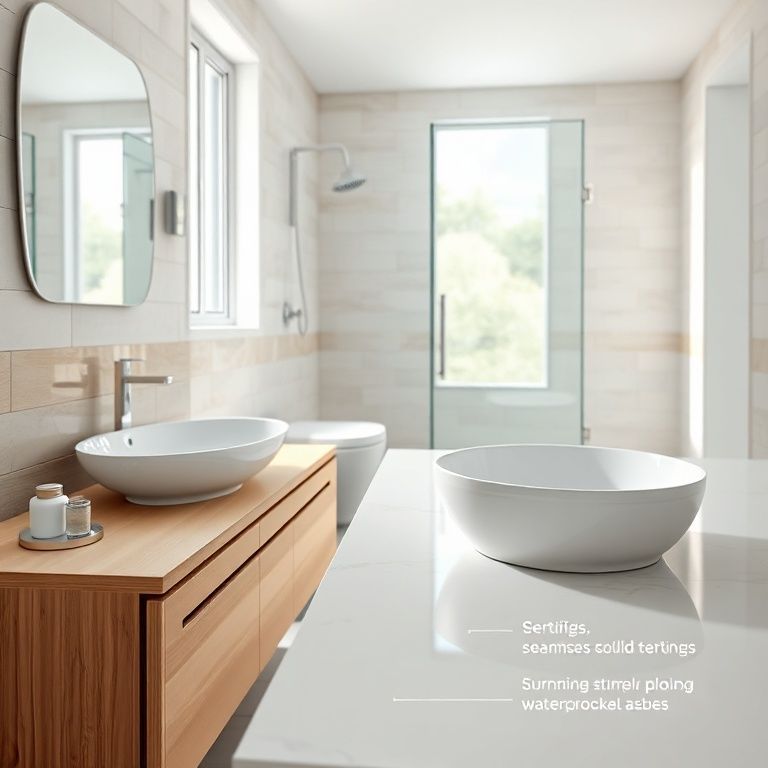
One of the standout features of artificial quartz countertops is their exceptional durability. Quartz is 93% pure silica, making it one of the hardest materials on the Mohs scale of mineral hardness. This inherent strength translates into a countertop that’s highly resistant to scratches, dents, and impact. Unlike natural stone, which can chip or crack under pressure, quartz remains pristine for years to come, maintaining its structural integrity and aesthetic appeal.
Stain and Scratch Resistance
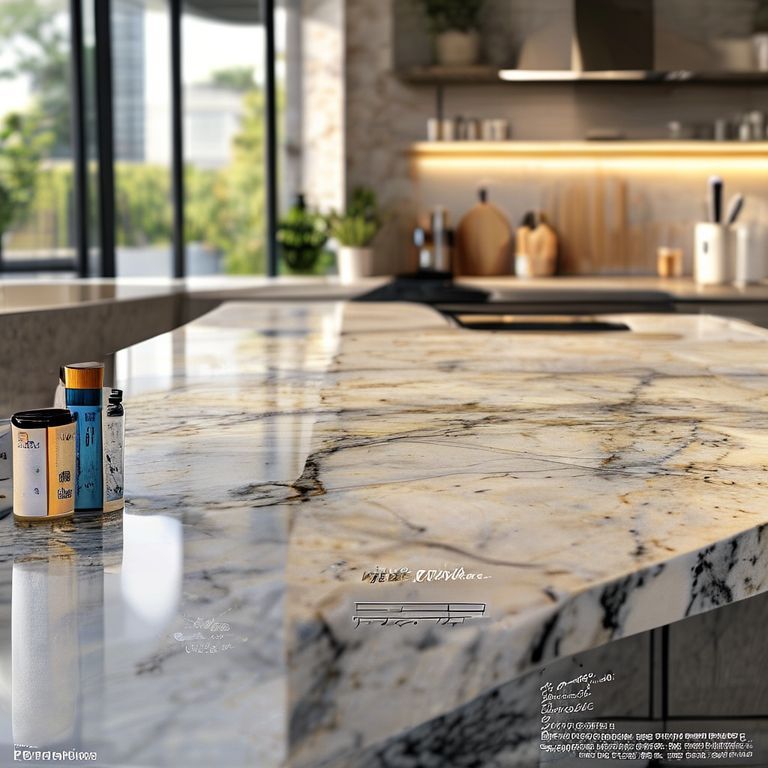
Artificial quartz countertops are also renowned for their stain resistance. The material’s smooth, non-porous surface means that liquids simply bead up and roll off, preventing any type of liquid from seeping into the surface. This makes quartz an ideal choice for kitchens and bathrooms where spills and splashes are common. Furthermore, the surface’s resistance to stains means that coffee, wine, juice, and even food spills leave no lasting marks, simplifying the cleaning process significantly.
Easy to Clean and Maintain
Another major advantage of artificial quartz countertops is their low maintenance requirements. Unlike granite or marble, which need regular sealing to protect their surfaces, quartz does not require any special maintenance to maintain its appearance. Cleaning is as simple as wiping the surface with a damp cloth and a mild soap solution. For tougher spots, a few minutes with a sponge and a little elbow grease will do the trick. The result? A countertop that looks new, every day of the week.
Variety of Colors and Designs
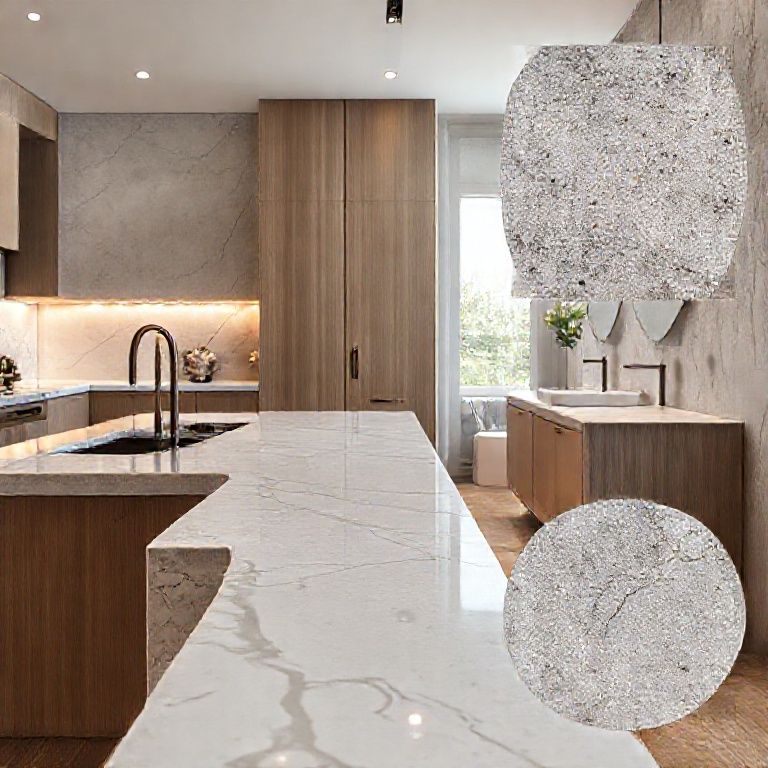
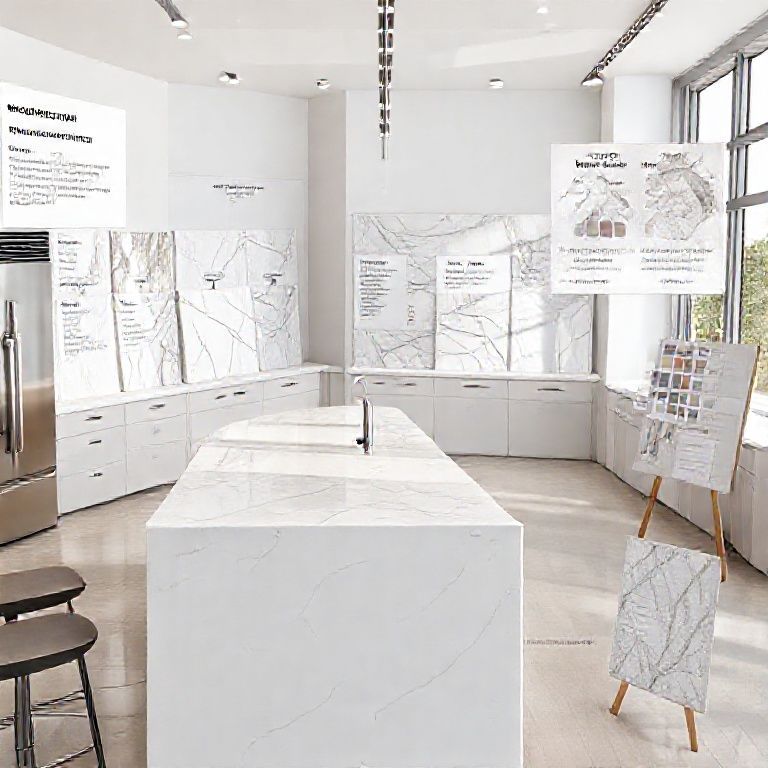
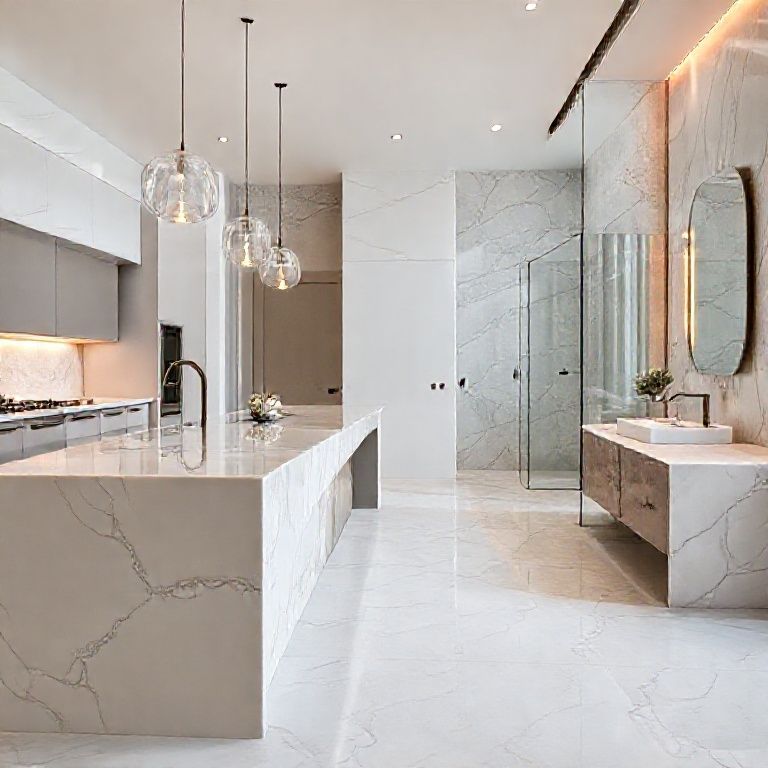
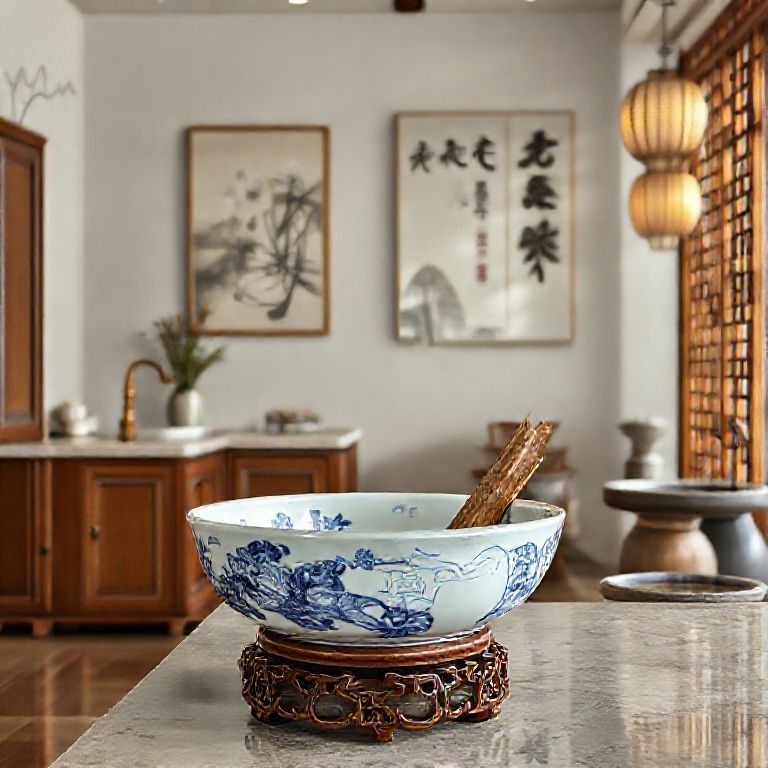
Artificial quartz countertops come in an impressive range of colors and patterns, allowing for limitless design possibilities. Whether you prefer a sleek, monochromatic look or something more intricate and detailed, there’s a quartz countertop to match any aesthetic. Companies like Cosentino offer a vast array of designs, from the sleek and modern to the rustic and traditional. This versatility makes quartz a perfect choice for those who want a custom look without the high cost of natural stone.
Affordability
For many, the cost of natural stone countertops is prohibitive. Quartz, however, offers a more affordable alternative without compromising on quality. The cost-effectiveness of quartz makes it accessible to a broader range of homeowners and designers. This affordability does not come at the expense of durability or aesthetic appeal, as quartz continues to set the benchmark for quality and design.
Eco-Friendly
In an era where sustainability is paramount, artificial quartz countertops offer an eco-friendly option. The manufacturing process of quartz is less resource-intensive compared to that of natural stone. Additionally, quartz countertops have a longer lifespan, reducing the need for frequent replacements and contributing to less waste over time. This makes quartz not just a smart choice for your home, but also for the planet.
The Ultimate Guide to Artificial Quartz Countertops: Pros and Cons
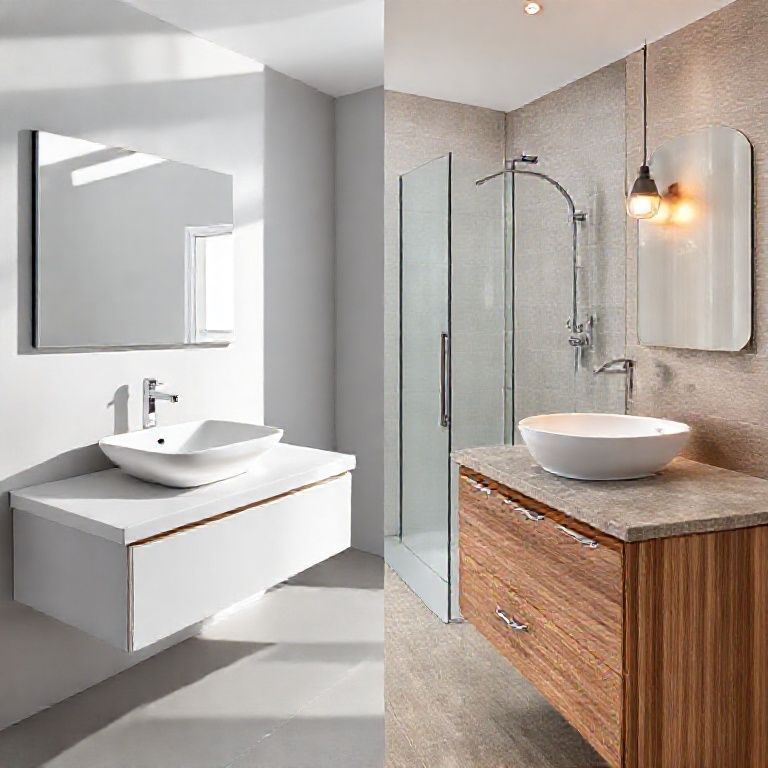
Building on the myriad benefits of artificial quartz countertops, this second part of our guide will explore the potential drawbacks and considerations that come with choosing this material. While quartz offers a compelling package of durability, ease of maintenance, and design flexibility, it’s important to weigh these against any potential downsides to make an informed decision.
Initial Cost and Installation
Despite being more affordable than many types of natural stone, artificial quartz countertops can still represent a significant upfront investment. The cost of quartz can vary depending on the design, color, and size of the countertop, with custom orders often carrying a higher price tag. Additionally, the installation process can be more complex than with other materials, often requiring specialized tools and expertise. This complexity can add to the overall cost and time required for installation.
Heat Resistance
While quartz is incredibly resistant to scratches and stains, it has some limitations when it comes to heat. Quartz can crack or shatter if exposed to extremely high temperatures, such as those from a direct blow from a hot pot or pan. To prevent this, it’s advisable to use trivets or pot holders when placing hot items on the countertop. While this is a relatively minor concern for most users, it’s worth noting for those who frequently cook or prepare meals on their countertops.
Weight
Quartz countertops are generally heavier than some other countertop materials, such as laminate or composite options. This increased weight can pose a challenge during installation, particularly in homes with older or less sturdy cabinetry. It’s important to consider the structural integrity of your kitchen or bathroom when opting for quartz to ensure it can support the added weight without any issues.
Environmental Impact
While quartz is generally considered more environmentally friendly than natural stone, the production process still has some environmental impacts. The manufacturing of quartz involves energy-intensive processes that emit greenhouse gases. Additionally, while quartz has a long lifespan, the disposal of old countertops still contributes to waste. However, the relatively low maintenance and longevity of quartz countertops help mitigate these concerns to some extent.
Customization Limitations
While quartz offers a vast array of colors and patterns, the level of customization is somewhat limited compared to natural stone. While you can get extremely close to any design you want, achieving a perfectly unique look can be challenging. For those seeking highly personalized designs, natural stone may still offer more options. However, for most practical purposes, the customization available with quartz is more than sufficient.
Conclusion
Artificial quartz countertops represent a remarkable fusion of durability, design flexibility, and low maintenance, making them a popular choice for modern kitchens and bathrooms. While there are some potential drawbacks to consider, such as higher initial costs, heat sensitivity, and weight, these are generally minor compared to the many benefits quartz offers. Whether you’re looking to enhance the aesthetics of your home or simply seeking a low-maintenance, durable surface, artificial quartz countertops are a compelling option worth considering.
By weighing the pros and cons, you can make an informed decision that best suits your needs and preferences, ensuring a beautiful, functional, and enduring addition to your home.