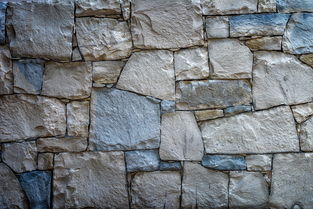
The Ultimate Guide to Artificial Stone Countertops vs. Quartz: Visual Distinctions and Features
When it comes to selecting countertops for your kitchen or bathroom, the choices are abundant. Among the most popular options are artificial stone and quartz. Both materials offer impressive durability, aesthetics, and functionality, but they differ in several key aspects. To help you make an informed decision, we’ll explore the visual distinctions and unique features of artificial stone and quartz countertops, supported by stunning images to guide your choice.

What is Artificial Stone?
Artificial stone, often referred to as cultured marble, is a composite material made from natural stone powders, such as limestone or marble, combined with resins and pigments. This combination is then poured into molds and allowed to cure, creating a solid, durable countertop.
Visual Characteristics of Artificial Stone:
Color and Patterns: Artificial stone is highly customizable, allowing you to achieve a wide range of colors and patterns. While it can mimic natural stone, it offers more flexibility in design. Surface Finish: The surface of artificial stone can be honed, polished, or brushed to achieve different textures. Durability: Artificial stone is known for its strength and resistance to scratches and stains, though it is not as hard as some natural stones.
[Image 1: Various Colors and Patterns of Artificial Stone Countertops]
What is Quartz?
Quartz is a naturally occurring mineral composed primarily of silica (silicon dioxide). It is processed and manufactured into countertops by companies like Cosentino, resulting in a material that is both durable and aesthetically pleasing.
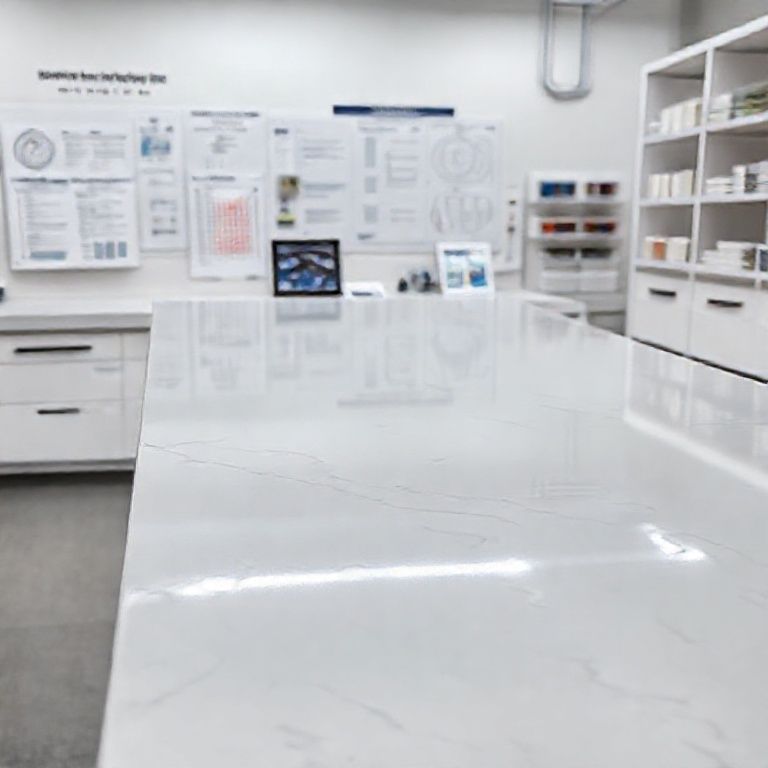
Visual Characteristics of Quartz:
Color and Patterns: Quartz offers a vast array of colors and patterns. It can replicate the look of natural stone but often includes more vibrant and unique hues. Surface Finish: Quartz countertops can have a smooth, sleek finish that is highly resistant to stains and scratches. Durability: Quartz is incredibly hard, ranking 7 on the Mohs scale, making it highly resistant to scratches, stains, and thermal damage.
[Image 2: Various Colors and Patterns of Quartz Countertops]
Durability and Maintenance
Both artificial stone and quartz are renowned for their durability, but they have different maintenance requirements.
Artificial Stone:
Scratch Resistance: While artificial stone is fairly scratch-resistant, it is not as hard as quartz. It can be scratched by harder objects. Stain Resistance: Artificial stone is stain-resistant but can stain if exposed to acidic substances like lemon juice. Maintenance: Cleaning artificial stone requires mild soap and water. It should be sealed periodically to maintain its finish.
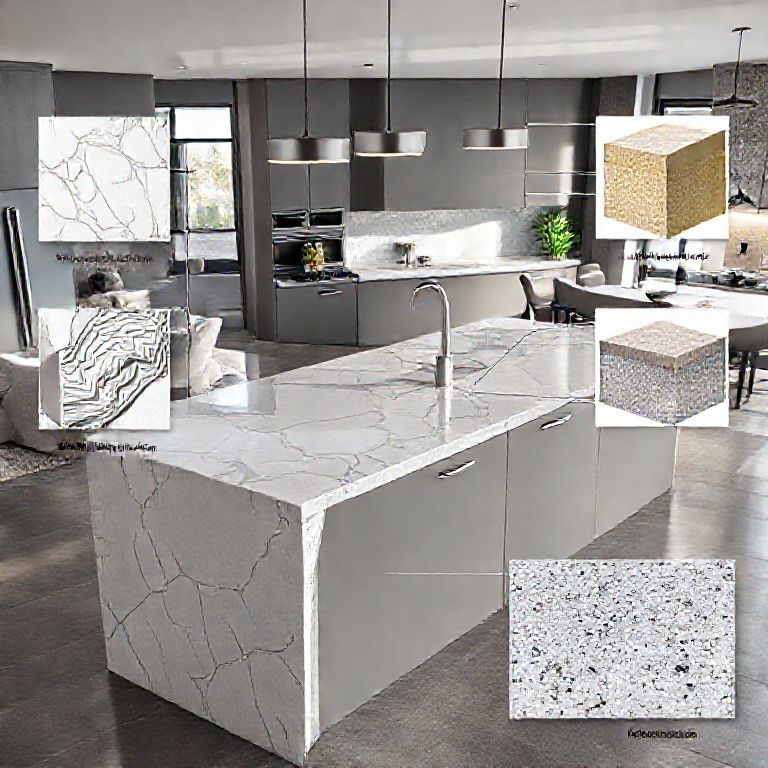
Quartz:
Scratch Resistance: Quartz’s hardness makes it highly scratch-resistant. It can withstand even the toughest kitchen knives. Stain Resistance: Quartz is virtually stain-proof. It does not react to acidic or alkaline substances. Maintenance: Quartz countertops only need a simple wipe-down with mild soap and water. They do not require sealing.
[Image 3: Scratch-resistant Quartz Countertops vs. Artificial Stone]
Cost Comparison
When it comes to cost, artificial stone and quartz offer different price points.
Artificial Stone:
Cost: Generally more affordable than quartz, making it a popular choice for budget-conscious homeowners. Installation: Typically easier to install due to its flexibility and lower weight.
Quartz:
Cost: Generally more expensive due to its high-quality manufacturing process and superior durability. Installation: Requires professional installation due to its rigidity and weight.
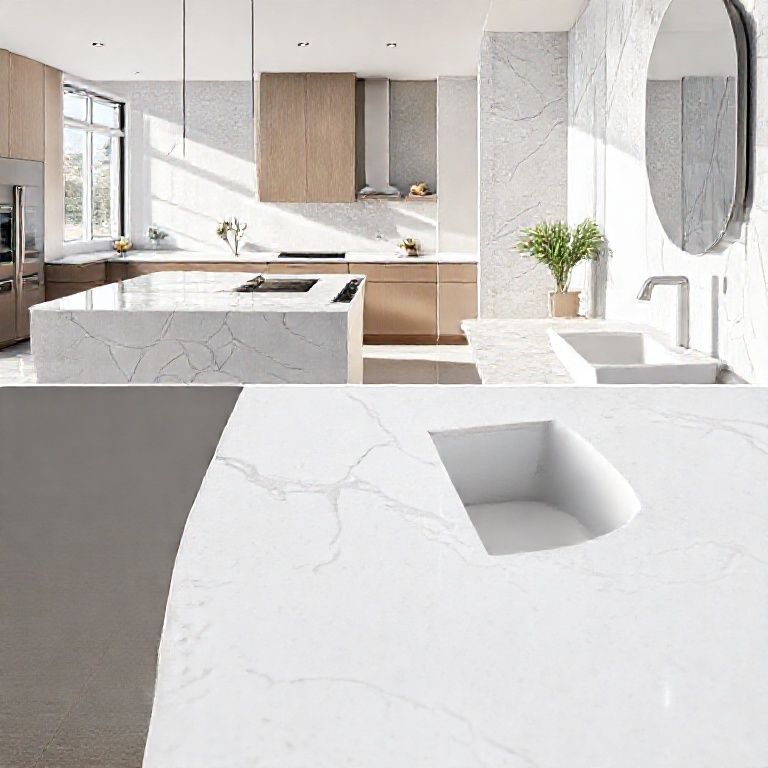
[Image 4: Cost Comparison Between Artificial Stone and Quartz Countertops]
Aesthetic Appeal
Both materials offer stunning visual appeal, but they cater to different tastes.
Artificial Stone:
Customization: Offers extensive customization options for color and pattern, making it suitable for those who want a unique look. Texture: Available in honed, polished, and brushed finishes, providing versatility in design.
Quartz:
Variety: Features a broad spectrum of colors and patterns, often with a more modern and sleek appearance. Finish: Known for its smooth, glossy finish that exudes a high-end look.
[Image 5: Customization Options for Artificial Stone vs. Sleek Quartz Finishes]
Environmental Impact
Sustainability is a growing concern for many homeowners. Both artificial stone and quartz have different environmental impacts.
Artificial Stone:
Production: Requires the use of natural stone powders and resins, which can have environmental implications depending on the sourcing of materials. Disposal: Generally easier to dispose of compared to some natural stone products.
Quartz:
Production: Quartz countertops are manufactured using silica sand, which is abundant but requires significant processing. Disposal: Quartz is more challenging to recycle, leading to higher environmental concerns regarding disposal.
[Image 6: Environmental Impact of Artificial Stone vs. Quartz Production]
Conclusion
Choosing between artificial stone and quartz depends on your specific needs, preferences, and budget. Both materials offer impressive durability, aesthetics, and functionality, but they cater to different tastes and requirements. Artificial stone provides customization and affordability, while quartz offers unmatched durability and a sleek, modern look.
By understanding the visual distinctions and unique features of each material, you can make an informed decision that will enhance the beauty and functionality of your kitchen or bathroom.
The Ultimate Guide to Artificial Stone Countertops vs. Quartz: Visual Distinctions and Features (Continued)
Installation and Versatility
When it comes to installation, the differences between artificial stone and quartz become even more apparent.
Artificial Stone:
Installation: Artificial stone is relatively easy to install. It is lightweight and flexible, making it suitable for both DIY enthusiasts and professional installers. Versatility: Its flexibility allows it to be used in various applications, including countertops, sinks, and even decorative elements in home décor.
Quartz:
Installation: Quartz countertops require professional installation due to their rigidity and weight. They are typically installed using specialized adhesives and techniques to ensure durability and longevity. Versatility: While quartz is less flexible, its high strength and durability make it ideal for use in high-traffic areas like kitchens and bathrooms.
[Image 7: Easy Installation of Artificial Stone vs. Professional Quartz Installation]
Weight and Structural Integrity
The weight and structural integrity of each material also play a significant role in their application.
Artificial Stone:
Weight: Artificial stone is lightweight, which makes it easier to handle and install. It is often used in areas where weight is a concern, such as mobile kitchen islands or light countertops. Structural Integrity: While it offers good structural integrity, it is not as strong as quartz, making it less suitable for high-impact areas.
Quartz:
Weight: Quartz is heavy and rigid, which requires careful handling during installation. It is often used in permanent installations where stability is paramount. Structural Integrity: Quartz’s high structural integrity makes it ideal for countertops that experience frequent use and heavy loads.
[Image 8: Structural Integrity Comparison Between Artificial Stone and Quartz]
Design and Aesthetics
Design flexibility and aesthetic appeal are key factors in choosing between artificial stone and quartz.
Artificial Stone:
Design: Artificial stone’s flexibility in color and pattern allows for a wide range of designs. It can be tailored to match or complement existing décor, offering a personalized touch. Aesthetics: The surface finish of artificial stone can be honed, polished, or brushed to achieve different looks. It can mimic natural stone but often offers more creative design possibilities.
Quartz:
Design: Quartz’s broad spectrum of colors and patterns provides a modern and sleek aesthetic. Its uniformity and high-gloss finish offer a clean, contemporary look. Aesthetics: The sleek, smooth finish of quartz creates a sophisticated and elegant appearance, perfect for modern home décor.
[Image 9: Design Flexibility and Aesthetic Appeal of Artificial Stone vs. Quartz]
Longevity and Longevity
The longevity of your countertop is an important consideration, as it impacts both the aesthetic and functional aspects of your space.
Artificial Stone:
Lifespan: Artificial stone typically lasts between 15 to 20 years with proper maintenance. It is durable but can be prone to staining and scratching over time. Maintenance: Regular sealing and maintenance are required to keep artificial stone looking its best. While it is relatively low-maintenance, it does require periodic upkeep.
Quartz:
Lifespan: Quartz countertops have an impressive lifespan, often lasting upwards of 30 years. Their high durability ensures they remain in excellent condition for many years. Maintenance: Quartz requires minimal maintenance. A simple wipe-down with mild soap and water is usually sufficient, making it a low-maintenance option.
[Image 10: Longevity and Maintenance of Artificial Stone vs. Quartz]
Budget Considerations
材料成分和制造工艺
人造石台面(Artificial Stone Countertops):
材料成分:人造石通常由天然石材粉末(如大理石、石灰岩)与树脂、颜料和填充剂混合制成。 制造工艺:通过高温高压下固化,形成一种类似天然石材的复合材料。这种材料具有较高的强度和耐用性,同时可以模仿各种天然石材的外观。
石英石台面(Quartz Countertops):
材料成分:石英石由90%以上的二氧化硅组成,是一种天然矿物。 制造工艺:采用高压、高温下将石英石粉末熔合成一种密实的材料。由于其高硬度和耐用性,石英石台面具有出色的耐刮擦和耐热性能。
外观与颜色
人造石台面:
外观:人造石可以模仿天然石材的纹理和颜色,但由于其是人工合成的材料,可能会有一些细微的不均匀。 颜色:由于是通过添加颜料制成,人造石可以提供非常多样的颜色选择,几乎可以实现任何颜色和图案。
石英石台面:
外观:石英石具有均匀的纹理和光滑的表面,其天然的质感和颜色非常美观。 颜色:石英石的颜色较为单一,但它的光泽和质感非常独特,能够展现出高端的质感。
耐用性和维护
人造石台面:
耐用性:人造石的耐用性较高,但不如石英石。它对于酸性物质有一定的敏感性,但对碱性物质和普通的家用化学品较为耐受。 维护:需要定期进行密封处理,以保持其光泽和防止污渍。清洁时使用中性清洁剂即可。
石英石台面:
耐用性:石英石的硬度极高,抗刮擦、抗污渍、抗热溅和抗氧化能力都非常强,是市面上最耐用的台面之一。 维护:石英石的维护非常简单,只需用中性清洁剂轻轻擦拭即可。由于其高硬度,不需要定期密封处理。
价格
人造石台面:
价格:一般来说,人造石的价格较为亲民,适合预算有限的消费者。
石英石台面:
价格:石英石的价格相对较高,但其出色的耐用性和低维护成本使其在长期使用中成本较低。
环保性
人造石台面:
环保性:由于人造石含有树脂和其他添加剂,其环保性可能不如天然石材。生产过程中可能会释放出少量的有害气体。
石英石台面:
环保性:石英石是天然矿物,其环保性较高,不含有害添加剂,对环境的影响较小。
总结
人造石台面:适合追求多样化设计、预算有限的消费者。它具有较高的灵活性和多样化的颜色选择,但其耐用性和维护要求略逊于石英石。 石英石台面:适合追求高端质感、耐用性和低维护的消费者。其出色的耐用性和天然美观的外观使其成为高端家居和商业空间的理想选择,尽管其价格较高,但其长期的低维护成本使其成为一项值得投资的选择。
希望这些信息能帮助你更好地理解人造石台面与石英石台面的差异,从而做出最适合你需求的选择。