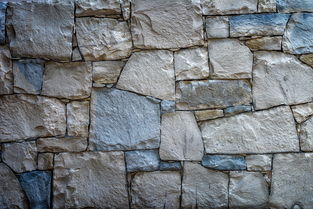
In today’s dynamic world, where style meets functionality, artificial stone countertops have emerged as a popular choice for both kitchens and bathrooms. These surfaces, often referred to simply as “engineered stone,” combine the best features of natural stone with modern technology, offering a range of benefits and some drawbacks. Let’s delve into the advantages that make artificial stone countertops a compelling option for modern homes.

Durability and Strength
One of the standout features of artificial stone countertops is their remarkable durability. Unlike traditional granite or marble, which can be prone to scratches, chips, and staining, artificial stone is crafted to be exceptionally tough. Made from a combination of natural stone minerals and resins, these countertops are resistant to heat, stains, and scratches. This makes them an ideal choice for high-traffic areas where durability is paramount.
Aesthetic Appeal
Artificial stone countertops come in a vast array of colors, textures, and finishes, allowing homeowners to match or exceed the aesthetic appeal of natural stone options. The design possibilities are virtually limitless, from sleek and modern to rustic and traditional. With customizable designs, artificial stone can mimic the look of various types of natural stone while providing a unique, one-of-a-kind appearance.
Cost-Effectiveness
Another significant advantage of artificial stone countertops is their cost-effectiveness. While natural stone options can be prohibitively expensive, artificial stone provides a more affordable alternative without sacrificing quality. The lower cost is due to the manufacturing process, which does not require the extensive mining and cutting processes associated with natural stone. This makes artificial stone a budget-friendly option for homeowners looking to upgrade their kitchen or bathroom without breaking the bank.
Ease of Maintenance
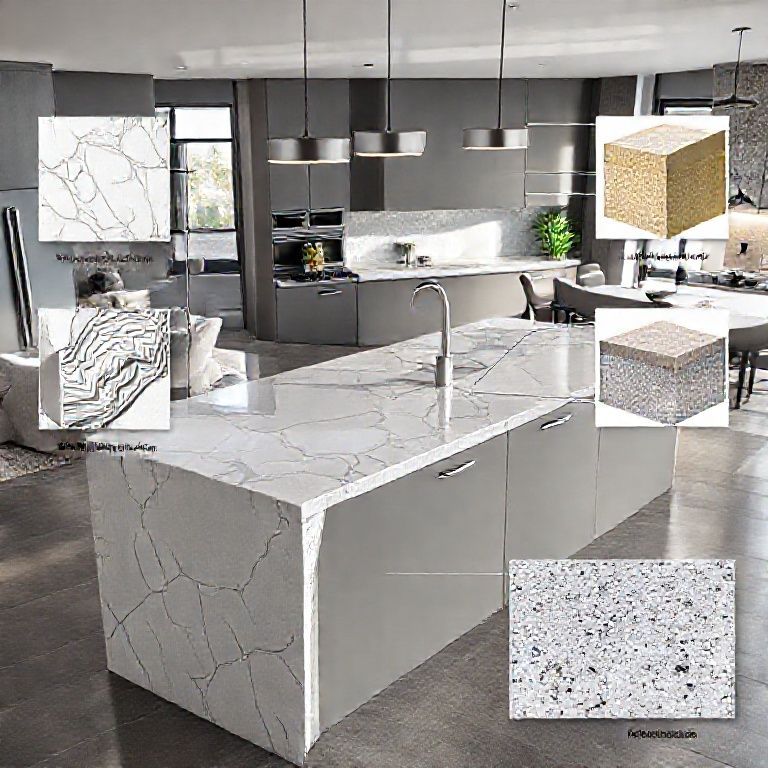
Artificial stone countertops are a dream to maintain. They do not require sealing like natural stone, which can be a cumbersome and time-consuming task. Simply wiping down with a soft cloth and mild dish soap is usually sufficient to keep these surfaces looking pristine. This low-maintenance characteristic is particularly appealing to busy homeowners who value convenience without sacrificing style.
Environmental Friendliness
In the realm of sustainable living, artificial stone countertops shine as an eco-friendly option. The manufacturing process does not require the extensive quarrying and transportation associated with natural stone, reducing the environmental impact. Additionally, artificial stone does not deplete natural resources, making it a sustainable choice for environmentally conscious homeowners.
Customization and Flexibility
Artificial stone countertops offer an unparalleled level of customization. Homeowners can choose from a wide range of colors, patterns, and finishes to create a unique look that suits their personal style. The flexibility extends to design as well, allowing for intricate patterns and shapes that might be difficult to achieve with natural stone. Whether you prefer a minimalist look or something more ornate, artificial stone can be tailored to meet your specific needs.
Heat Resistance
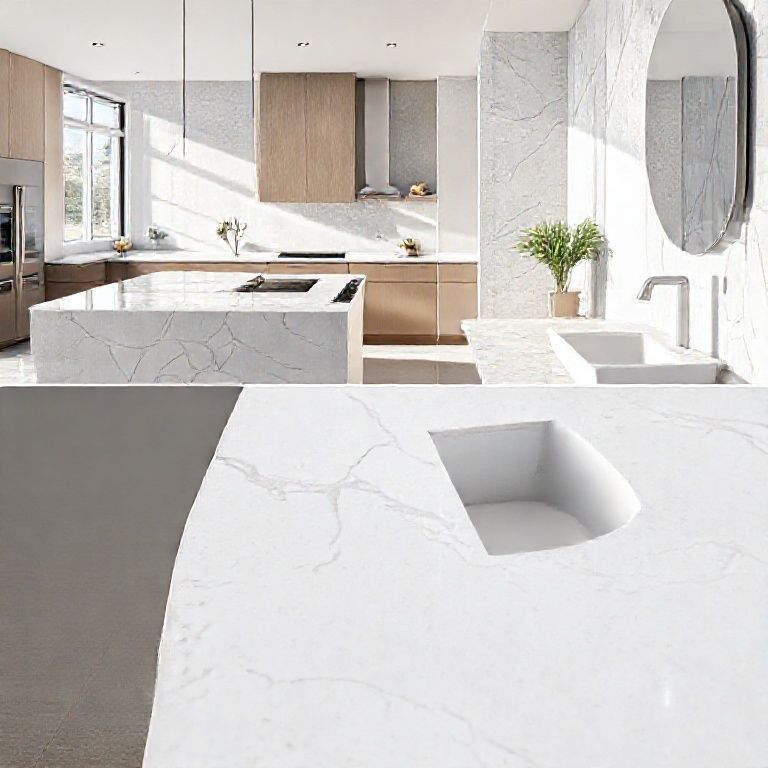
One of the primary advantages of artificial stone countertops is their exceptional heat resistance. Unlike certain natural stones, which can crack or chip under high temperatures, artificial stone can withstand the heat from cooking appliances and hot pots and pans. This makes it a safe and reliable option for kitchens where heat management is a concern.
Safety
Artificial stone countertops are inherently safer than many natural stone options. They do not contain the heavy metals and toxins sometimes found in natural stone, such as lead or arsenic. This makes them a safer choice, particularly for families with young children or pets. The non-porous nature of artificial stone also means that harmful bacteria and viruses are less likely to thrive on its surface.
While artificial stone countertops offer numerous advantages, it’s essential to consider their potential drawbacks to make an informed decision. This comprehensive look at the cons will help you weigh the pros and cons and determine whether artificial stone is the right choice for your home.
Aesthetic Limitations
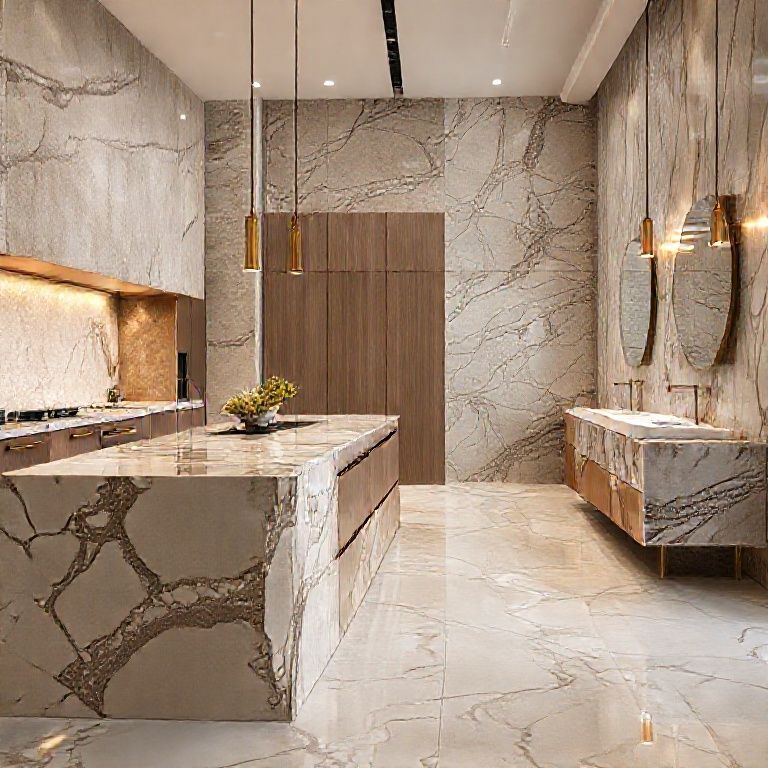
Despite the wide range of colors and patterns available, artificial stone can sometimes lack the natural beauty and uniqueness of genuine natural stone. The intricate veins and natural formations found in natural stone cannot be replicated perfectly with artificial stone. While artificial stone can mimic the appearance of natural stone to a large extent, it may not capture that unique, one-of-a-kind look that some homeowners desire.
Cost of Installation
Although the material itself may be more affordable, the installation costs of artificial stone countertops can be higher than expected. The installation process often requires specialized tools and techniques, which can add to the overall cost. Additionally, the cost of any necessary repairs or replacements might also be higher than some other materials due to the specialized nature of the product.
Fragility in Certain Types
While artificial stone is generally durable, there are some types that can be more fragile than others. For instance, certain lower-grade artificial stones might not be as resistant to impacts as higher-quality options. This can make them less suitable for areas where heavy use or potential impacts are likely.
Longevity Concerns
One of the common concerns with artificial stone countertops is their longevity compared to natural stone. While artificial stone is durable, it may not last as long as high-quality natural stone. The aging process of artificial stone can sometimes result in changes in color or appearance over time, although this is less common with high-quality products. Additionally, the warranty and lifespan can vary depending on the manufacturer and the specific type of artificial stone used.
Heat Discoloration
Despite their heat resistance, artificial stone countertops are not immune to discoloration from prolonged exposure to high heat. While they do not crack or chip like natural stone, prolonged exposure to high temperatures can sometimes cause artificial stone to lose its color or develop minor discolorations. This is less likely with high-quality artificial stone but can be a consideration for kitchens with intense heat.
Installation and Repair Challenges
The installation of artificial stone countertops can be more complex than other materials due to their unique composition. Special tools and techniques are often required, which can necessitate professional installation to ensure a flawless finish. Similarly, repairing artificial stone countertops can be more challenging than repairing natural stone, as the repair materials and techniques can be less readily available.
Environmental Concerns
While artificial stone is generally more eco-friendly than natural stone, the manufacturing process still involves the use of resins and other chemicals. There are concerns about the environmental impact of these chemicals, particularly if they are not disposed of properly. Additionally, the production process can contribute to air pollution if not managed correctly. It’s essential to choose a manufacturer that follows sustainable practices to mitigate these concerns.
Temperature Sensitivity
Artificial stone countertops can be sensitive to extreme temperatures. While they are generally heat-resistant, they can still be affected by very high or very low temperatures. For instance, prolonged exposure to very cold temperatures might cause some types of artificial stone to crack or chip. This is more of a concern in areas with extreme weather conditions.
Customization Limitations
While artificial stone offers extensive customization options, there are still limitations compared to natural stone. The patterns and colors available may not always perfectly replicate the unique look of natural stone. Additionally, while you can create a custom design, the level of detail and complexity might not reach the same level as with natural stone, which can have intricate and unique veins and patterns.
Final Thoughts
In conclusion, artificial stone countertops present a compelling blend of durability, aesthetic appeal, and cost-effectiveness, making them an attractive option for modern homes. However, it’s important to consider the potential drawbacks, such as aesthetic limitations and installation complexities, to make an informed decision. By weighing the pros and cons, homeowners can determine if artificial stone is the perfect fit for their unique needs and preferences. Whether you’re looking to upgrade your kitchen or refresh your bathroom, artificial stone countertops offer a versatile and stylish solution that balances functionality and beauty.