The Rising Popularity of Artificial Stone Countertops: A Smart Choice for Modern Homes
Artificial stone countertops have surged in popularity over the past few years, becoming a go-to choice for homeowners seeking durability, style, and low maintenance. Unlike traditional countertops made from materials like granite or quartz, artificial stone offers a unique blend of aesthetics and practicality that is hard to beat. But what exactly drives this growing trend, and how do the costs compare?

Understanding Artificial Stone Countertops
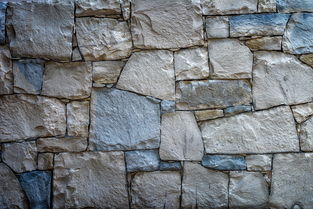
Artificial stone countertops, often referred to as cultured stone, are made from a combination of natural stone dust, such as marble or limestone, and resin. This mixture is formed under high pressure and temperature, creating a material that closely mimics the look and feel of natural stone but without the fragility and maintenance issues. The result is a countertop that is not only durable and resilient but also customizable in terms of color and design.
Factors Influencing the Cost of Artificial Stone Countertops
The cost of artificial stone countertops can vary widely based on several factors:
Material Quality: The quality of the stone dust used in the artificial stone can significantly affect the price. Higher-quality materials will result in a more premium product, which translates to a higher cost.
Design and Customization: Custom designs and intricate patterns can drive up the cost. If you want a unique look or specific design elements, be prepared to pay more.
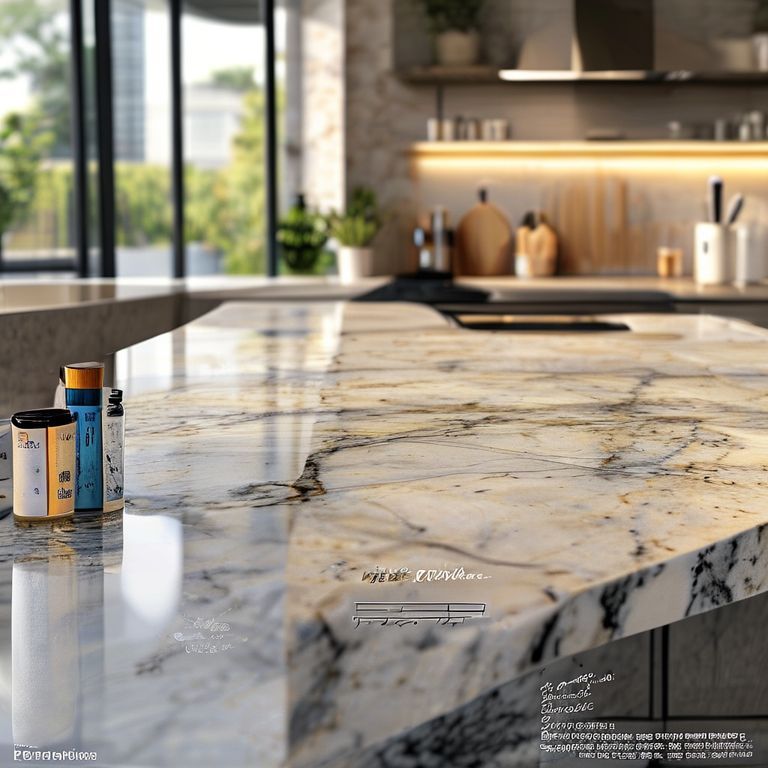
Installation: Professional installation can add to the overall cost. While the artificial stone countertops are relatively easy to install, professional services ensure a flawless finish and can justify the additional expense.
Size and Complexity: The size of the countertop and the complexity of the design play a significant role in determining the cost. Larger countertops and those with more detailed patterns will generally cost more.
Brand Reputation: Established brands known for their high-quality products may charge more for their artificial stone countertops compared to lesser-known brands.
Comparing Artificial Stone to Traditional Countertops
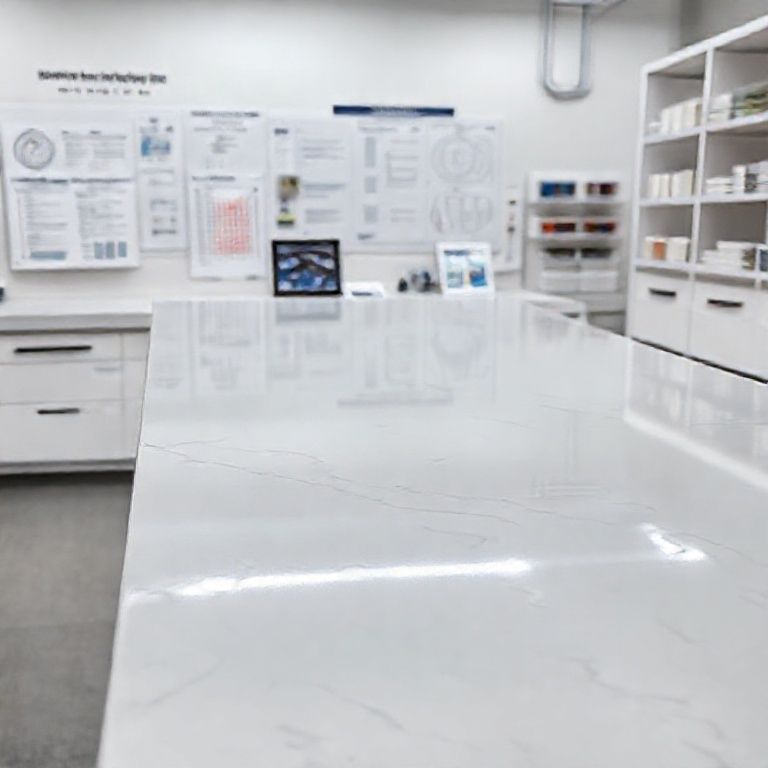
When considering the cost of artificial stone countertops, it’s essential to compare them with traditional options like granite, quartz, and even solid surfaces like Corian. Here’s a quick breakdown:
Granite: Known for its natural beauty and durability, granite countertops are generally more expensive upfront due to their natural stone composition. However, they also require more maintenance and can be prone to scratching and staining.
Quartz: Quartz offers a blend of durability and aesthetics at a price point that is often comparable to granite. Like granite, quartz is a natural stone and requires regular sealing and maintenance.
Corian: A popular choice for its ease of maintenance, Corian is made from a synthetic material that is relatively affordable. However, it doesn’t offer the same durability as artificial stone.
In comparison, artificial stone countertops offer a balance of durability, low maintenance, and aesthetic appeal at a competitive price. While the initial cost might be slightly higher than Corian, the long-term benefits often justify the investment.
The Long-Term Benefits of Artificial Stone Countertops
Investing in artificial stone countertops is not just a matter of aesthetics; it’s a smart choice for long-term benefits that make it worth the cost. Here’s why:
Durability: Artificial stone is incredibly durable and resistant to scratches, chips, and stains. This makes it an ideal choice for high-traffic areas like kitchens and bathrooms where durability is paramount.
Low Maintenance: Unlike natural stone countertops, artificial stone doesn’t require sealing or regular maintenance. This means less time and money spent on upkeep, making it an attractive option for busy households.
Heat Resistance: Artificial stone countertops can withstand high temperatures, making them perfect for kitchens where hot pots and pans are common. They won’t crack or damage under heat stress.
Customization: With artificial stone, you can choose from a wide range of colors and patterns to match your home’s decor. You can also create custom designs that fit your specific needs and preferences.
Water Resistance: Being a synthetic material, artificial stone is naturally water-resistant. This makes it an excellent choice for areas prone to spills and moisture.
How to Choose the Right Artificial Stone Countertop
Choosing the right artificial stone countertop involves several considerations:
Budget: Determine your budget and compare the costs of different brands and designs. Keep in mind that the initial cost is often offset by the long-term savings in maintenance.
Quality: Look for high-quality materials and reputable brands. Higher-quality stone dust and better manufacturing processes will result in a more durable and attractive countertop.
Design: Choose a design that complements your home’s decor. Whether you prefer a classic look or a modern aesthetic, there’s an artificial stone countertop to suit your style.
Installation: Decide whether you want to hire a professional installer or handle the installation yourself. Professional installation ensures a perfect finish but can add to the overall cost.
Warranty: Check for warranties offered by different brands. A good warranty provides peace of mind and covers potential defects or damages.
Conclusion: Why Artificial Stone Countertops Are Worth the Investment
Artificial stone countertops offer a compelling combination of durability, low maintenance, and aesthetic flexibility that makes them an excellent choice for modern homes. While the cost might be slightly higher than some other options, the long-term benefits and savings on maintenance make it a worthwhile investment. Whether you’re renovating your kitchen or bathroom, artificial stone countertops provide a stylish and practical solution that stands the test of time.
In the next part, we’ll delve deeper into specific cost considerations and provide detailed insights on how to get the best value for your artificial stone countertops. Stay tuned for more information!
Detailed Insights on Artificial Stone Countertop Costs
Breaking Down the Pricing
Understanding the cost of artificial stone countertops involves breaking down various components that contribute to the final price. Here’s a detailed look at what you can expect:
Material Costs: The primary cost driver is the quality and type of stone dust used. Premium materials such as marble or high-grade limestone will increase the cost. On average, expect to pay between $30 to $70 per square foot for high-quality artificial stone.
Design Complexity: Custom designs and intricate patterns can significantly affect the price. If you opt for a unique pattern or color combination, be prepared to pay a premium. Simple designs will generally cost less.
Installation Fees: Professional installation can add to the overall cost. While artificial stone is relatively easy to install, professional services ensure precision and a flawless finish. Expect to pay an additional $10 to $20 per square foot for professional installation.
Additional Features: Some artificial stone countertops come with additional features like built-in sinks or special textures. These features can increase the cost but offer added convenience and aesthetics.
Shipping and Handling: If you’re ordering artificial stone countertops from a supplier outside your area, shipping costs can add to the total expense. It’s essential to factor in these costs when budgeting.
Comparing Artificial Stone to Other Countertops
To provide a clearer picture of the cost-effectiveness of artificial stone countertops, let’s compare them to other popular options:
Granite: Granite countertops typically cost between $40 to $100 per square foot. While they offer natural beauty, their higher maintenance requirements and potential for damage can lead to additional costs over time.
Quartz: Quartz countertops generally range from $50 to $120 per square foot. Like granite, they are durable but require regular sealing to maintain their shine and resist stains.
Corian: Corian countertops cost around $20 to $40 per square foot. While affordable and low-maintenance, Corian is less durable compared to artificial stone, which may lead to higher replacement costs in the long run.
Hidden Costs and Savings
While the upfront cost of artificial stone countertops might seem higher, there are several hidden costs associated with other materials that make artificial stone a more economical choice in长期来看,人造石台面(artificial stone countertops)的成本效益往往超过其他台面材料。
维护成本低:人造石台面几乎不需要任何维护,只需简单的日常清洁即可。相比之下,天然石材如花岗岩和石英石需要定期密封以防止污渍和损坏,这增加了长期的维护成本。
耐用性强:人造石台面具有出色的耐用性,能够承受高温、冲击和刮擦,这意味着它们不容易出现裂缝或损坏,从而避免了频繁更换台面的成本。
抗污性能好:由于人造石材的特殊制造工艺,其抗污性能优于许多其他台面材料。即使是溅落的油污或顽固污渍,也能轻松清除,避免了因污渍而导致的更换台面的高昂费用。
环保性:人造石材的生产过程中通常使用的是再生材料,这使其成为一种更加环保的选择。相较于开采和运输天然石材,人造石台面对环境的影响较小。
价格稳定:由于人造石材的成本结构与天然石材不同,它们的价格相对稳定,不会因为市场波动而显著上涨,这为购买者提供了更多的经济保障。
如何选择合适的人造石台面
为了获得最佳的性价比和美观效果,选择合适的人造石台面需要考虑以下几个方面:
品牌和质量:选择信誉良好的品牌和高质量的材料,这不仅能保证台面的美观和耐用性,还能避免因劣质材料导致的短期内损坏和更换。
设计和颜色:根据家居风格和个人喜好选择适合的设计和颜色。现代人造石材可以模拟各种天然石材的纹理和颜色,因此选择时可以根据实际需求进行调整。
预算:确定一个合理的预算范围,并在预算内寻找性价比最高的产品。不要只关注初始成本,还应考虑到后期维护和可能的更换费用。
售后服务:选择提供良好售后服务的品牌,这样在出现问题时可以得到及时有效的解决方案,避免因缺乏售后支持导致的麻烦。
总结来说,人造石台面不仅在初始成本上具有竞争力,而且在长期使用中的维护和更换成本上也远低于其他台面材料。通过选择高质量的品牌和合理的设计,你可以获得美观耐用且低维护的台面,为你的家居增添持久的价值。