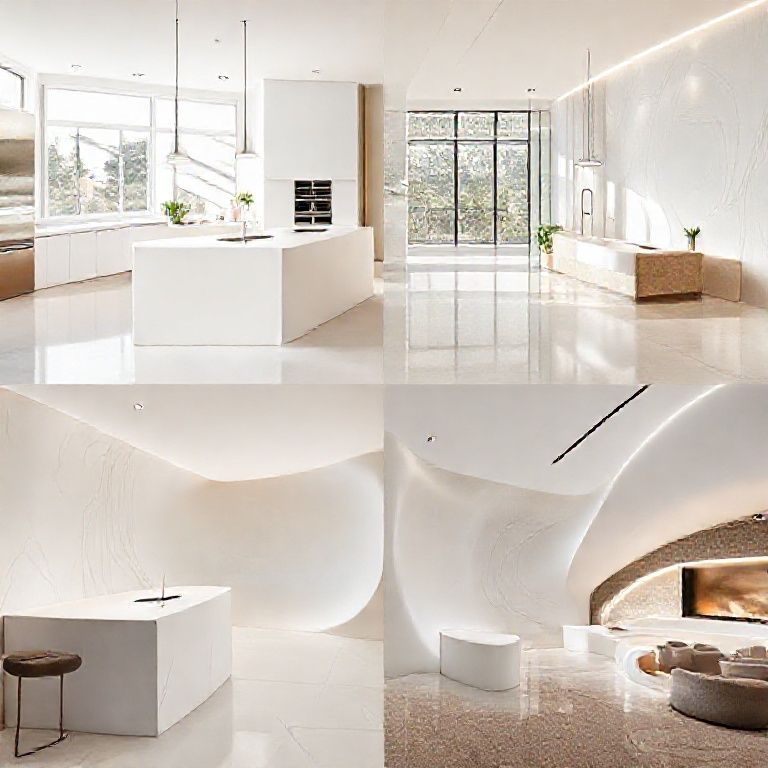
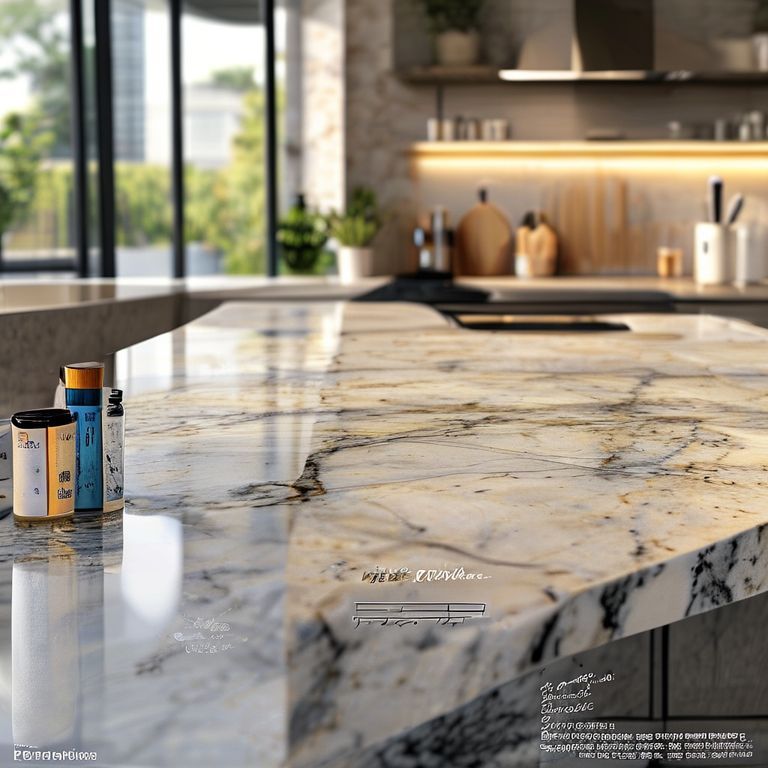
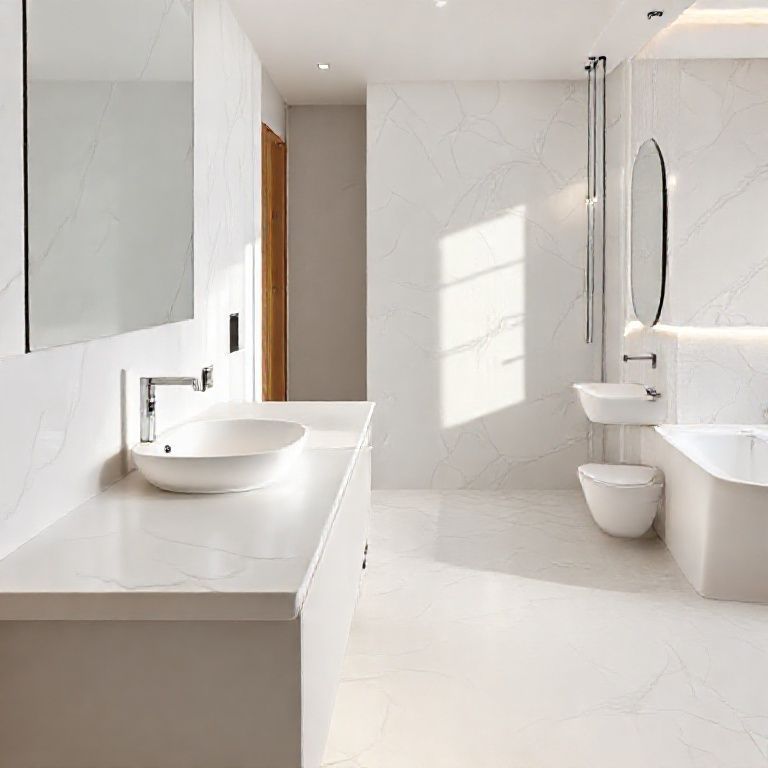
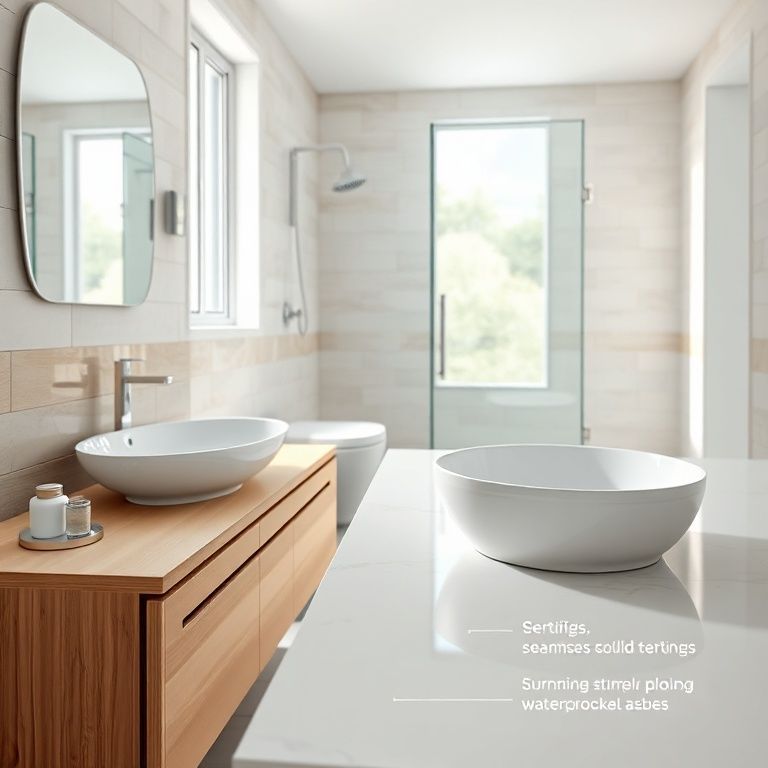
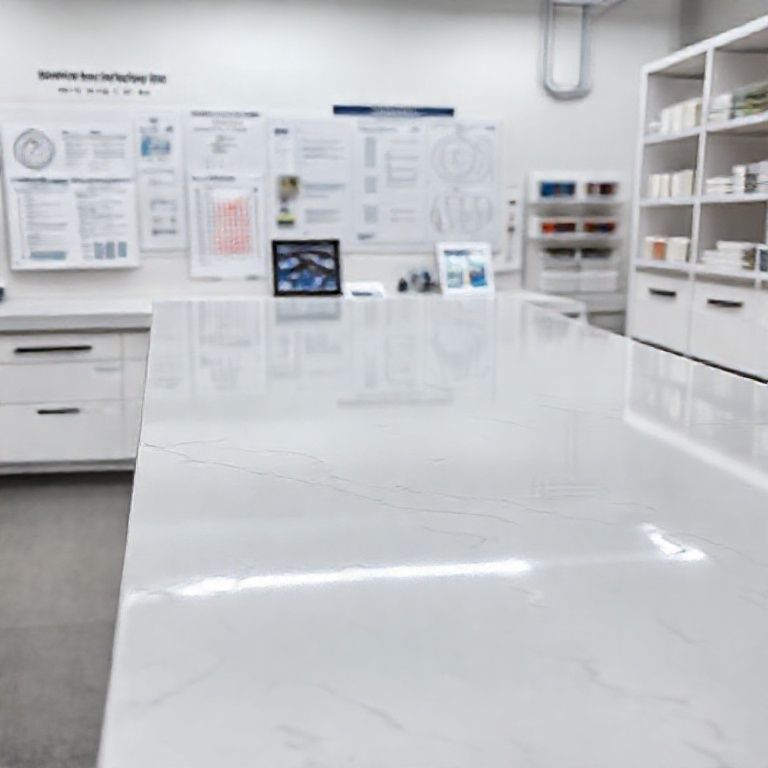
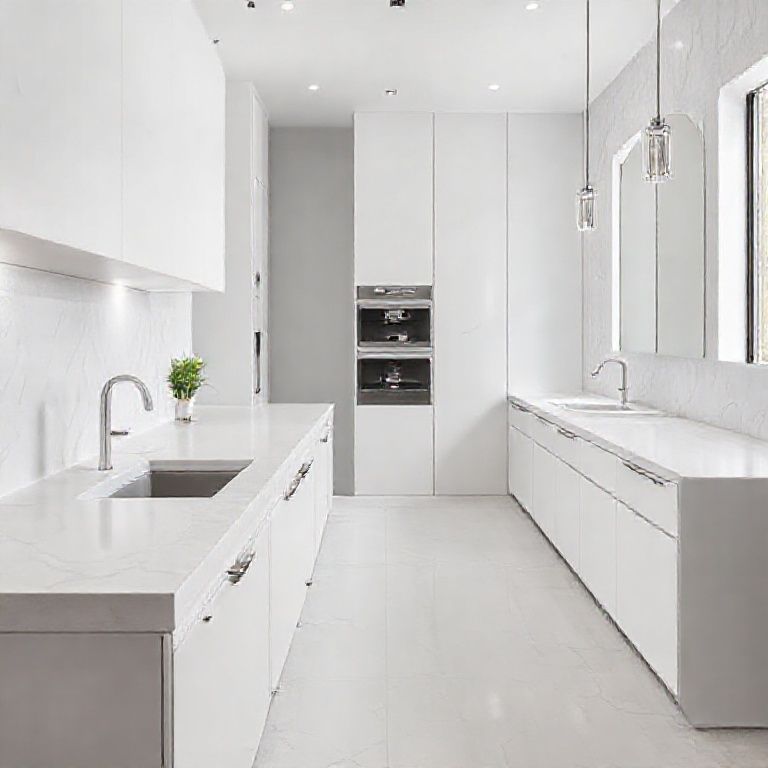
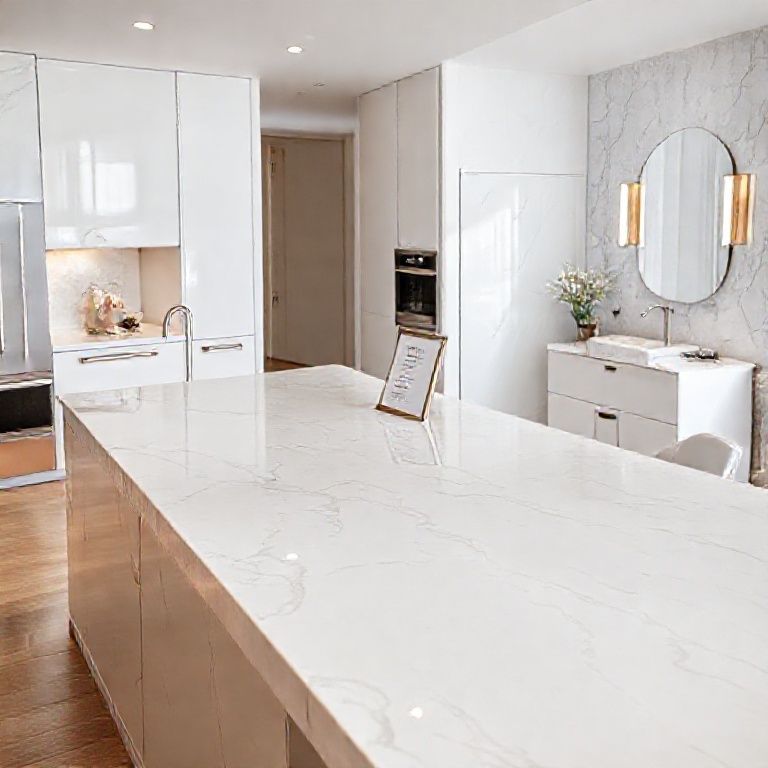
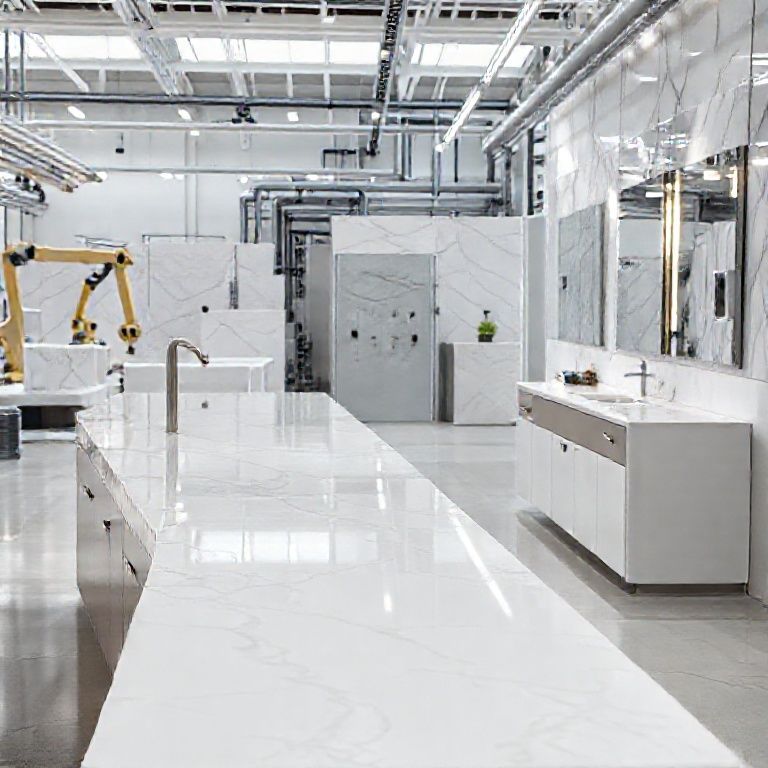
When it comes to kitchen and bathroom renovations, countertops are one of the most significant investments you’ll make. Choosing the right material is essential to ensure durability, style, and ease of maintenance. One popular choice in recent years has been artificial stone countertops. But the question remains: “Is artificial stone a good choice for your countertop needs?”
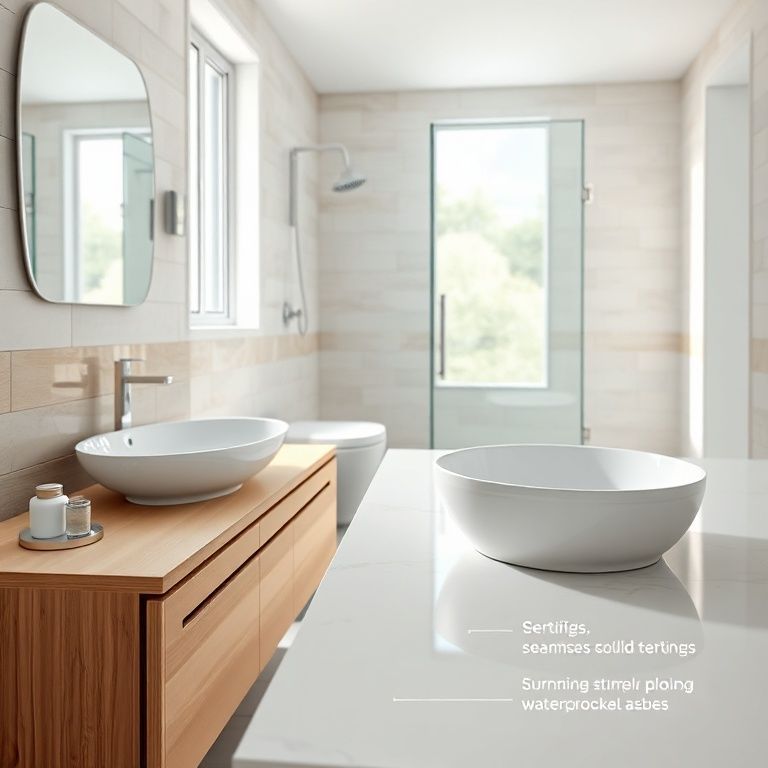
What are Artificial Stone Countertops?
Artificial stone, also known as synthetic stone or cultured stone, is a composite material made from a mixture of minerals, quartz, and resins. This innovative material mimics the appearance and feel of natural stone but offers several advantages over traditional stone options.
Benefits of Artificial Stone Countertops
Durability: Artificial stone countertops are incredibly durable. They are highly resistant to scratches, stains, and heat, making them an excellent choice for high-traffic areas like kitchens. Unlike natural stone, they don’t develop water spots, etch, or crack over time.
Maintenance: One of the most significant advantages of artificial stone is its low maintenance requirements. Unlike granite or marble, which require sealing and periodic maintenance to prevent staining, artificial stone simply needs to be wiped clean with a damp cloth and mild soap. This ease of maintenance makes it a practical choice for busy households.
Customizability: Artificial stone allows for a high degree of customization. It can be colored and textured in almost any way, giving designers and homeowners the freedom to create unique and personalized designs. Whether you prefer a natural stone look or a bold, modern aesthetic, artificial stone can be tailored to suit your vision.
Cost-Effective: While the initial cost of artificial stone countertops can be higher than some other materials, they often provide better value for money over time. The durability and low maintenance requirements mean fewer expenses for upkeep and repairs, which can add up with natural stone options.
Eco-Friendly: Artificial stone is a more environmentally friendly option compared to natural stone. The production of natural stone can involve significant environmental impact, including the extraction of large quantities of stone and the use of water-intensive processes. In contrast, artificial stone typically requires fewer natural resources and less energy to produce.
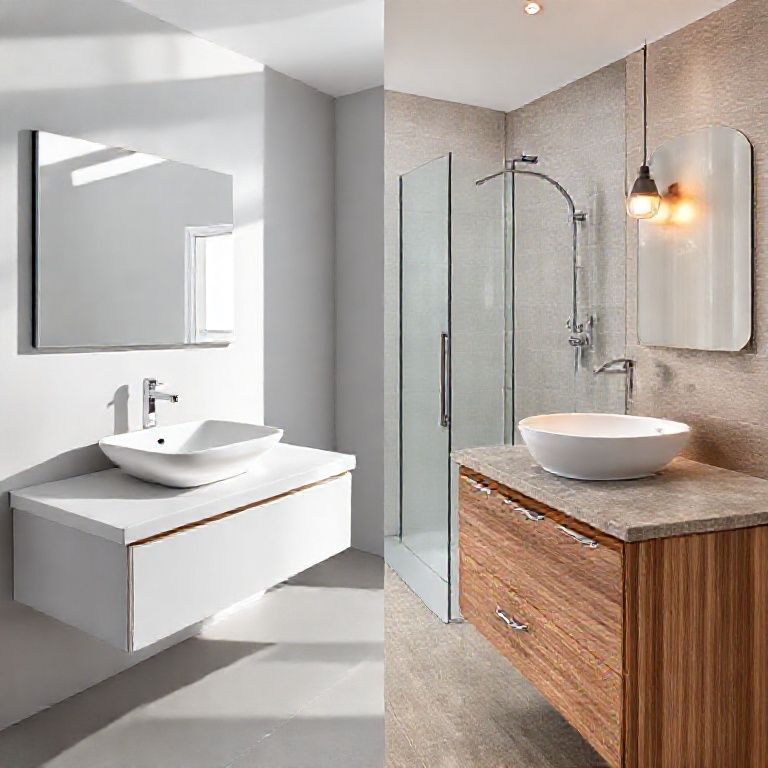
Drawbacks of Artificial Stone Countertops
Weight: Artificial stone countertops can be heavier than some alternatives, such as quartz or concrete. This added weight may require additional support or consideration during installation, especially in areas where the countertop is particularly long or heavy.
Heat Resistance: Although artificial stone is highly heat-resistant, it can still crack if exposed to extremely high temperatures, such as those from direct contact with an open flame or a very hot pot or pan without a trivet. It’s important to use potholders and other protective measures to prevent accidental damage.
Aesthetic Limitations: While artificial stone can mimic the look of natural stone quite convincingly, it may not fully replicate the unique characteristics of natural stone, such as veining and texture. Some purists may prefer the natural beauty of real stone over the uniformity of artificial stone.
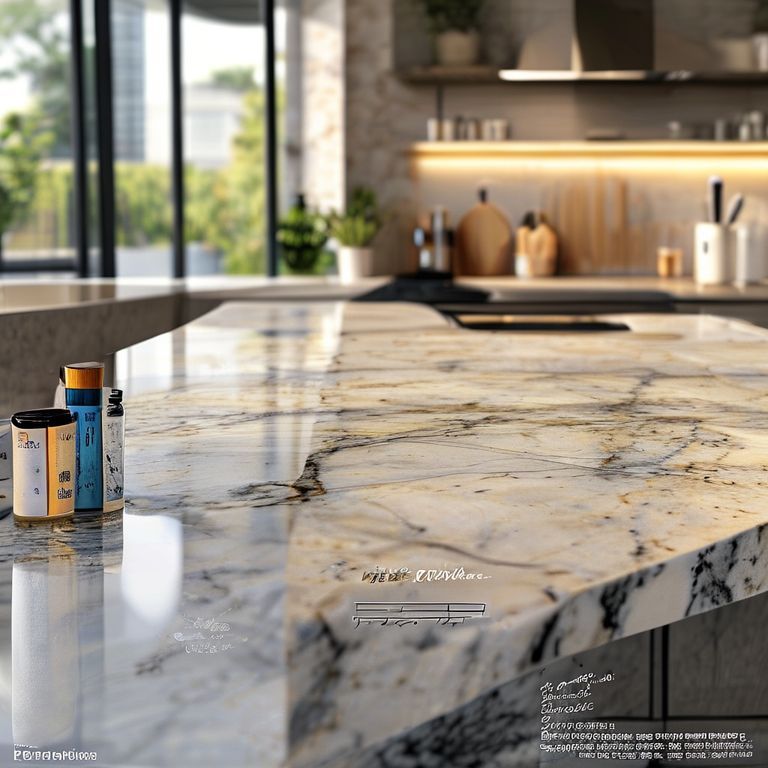
Installation Considerations
Installing artificial stone countertops can be a bit more complex than some other materials. Because of their density and weight, they often require a more robust installation process. Here are some key considerations for installation:
Support: Ensure that the countertop has adequate support to handle its weight. This often means using a thicker and more robust underlayment and ensuring that the cabinet or wall supports are capable of holding the weight.
Sealing: Unlike natural stone, artificial stone doesn’t require sealing to prevent staining. However, it’s still important to ensure that any edges are properly sealed to prevent any potential water or moisture damage.
Cabinet Fit: Because artificial stone can expand and contract slightly over time, it’s crucial to allow for some movement during installation. This might mean using flexible caulk or other spacers to prevent cracking due to movement.
Conclusion:
Artificial stone countertops offer a compelling blend of durability, low maintenance, and aesthetic flexibility, making them a worthy contender in the world of kitchen and bathroom renovations. While they do have some drawbacks, such as weight and potential heat damage, the overall benefits often outweigh these considerations for many homeowners. If you’re looking for a long-lasting, easy-to-maintain countertop that allows for creative design possibilities, artificial stone might just be the perfect choice for you.
In the next part of this guide, we’ll delve deeper into how to choose the right artificial stone countertop, compare different brands, and discuss how to ensure a successful installation. Stay tuned for more insights!
In the previous part, we explored the benefits and drawbacks of artificial stone countertops, as well as some installation considerations. Now, let’s delve deeper into how to choose the right artificial stone countertop for your renovation project and ensure a successful installation.
Choosing the Right Artificial Stone Countertop
Design and Color: Artificial stone countertops come in a wide variety of colors and patterns. Whether you prefer a natural stone look or a bold, modern design, there’s likely an artificial stone option that matches your vision. When selecting a color and design, consider the overall aesthetic of your kitchen or bathroom. It’s important to choose a design that complements your existing fixtures and décor.
Thickness: The thickness of artificial stone countertops typically ranges from 1 to 2 inches. Thicker countertops are generally more durable and provide a more substantial look, while thinner options may offer a more modern, streamlined appearance. Consider the weight and support requirements based on the thickness you choose.
Durability: While all artificial stone is durable, some brands and formulations may offer better resistance to scratches, stains, and heat than others. Look for products with high impact resistance ratings and positive reviews regarding durability. It’s also a good idea to check the manufacturer’s warranty to ensure that you’re getting a product backed by strong guarantees.
Cost: Artificial stone countertops can vary significantly in price based on the quality, design, and brand. It’s important to get multiple quotes from different suppliers to compare prices and find the best value. Keep in mind that while the upfront cost might be higher than some alternatives, the long-term savings in maintenance and repairs can make artificial stone a more cost-effective choice over time.
Comparing Brands
Quality: Not all artificial stone is created equal. Some brands are known for their high-quality materials and superior craftsmanship. Research different brands and read reviews to determine which ones are most highly regarded in terms of quality and durability.
Customer Service: Excellent customer service can make a big difference, especially if you encounter any issues during installation or after purchase. Look for companies that offer reliable customer support, clear communication, and responsive service.
Warranties: Check the warranties offered by different brands. A good warranty can provide peace of mind and protect your investment. Look for warranties that cover both the material and the installation, as well as the duration of the warranty.
Installation Tips
Professional Installation: Given the complexity and weight of artificial stone countertops, it’s often best to hire a professional installer. A skilled professional will ensure that the countertop is installed correctly, providing the best possible outcome in terms of durability and appearance.
Proper Underlayment: Use a high-quality underlayment to support the artificial stone countertop. This will help to distribute the weight evenly and prevent any potential damage to the countertop or surrounding cabinets.
Edge Sealing: Properly seal the edges of the countertop to prevent any water or moisture damage. Use a flexible caulk or sealant that can accommodate slight movements over time without cracking.
Regular Maintenance: While artificial stone requires less maintenance than natural stone, it still benefits from regular cleaning and care. Wipe the surface with a damp cloth and mild soap to keep it looking its best. Avoid using harsh chemicals that could damage the surface.
Real-Life Success Stories
案例1:现代化厨房改造
背景: 一对年轻夫妇决定对他们的厨房进行全面改造,希望打造一个既时尚又实用的空间。他们选择了人造石台面,因为这种材料不仅耐用,而且能够提供多种颜色和纹理选择。
设计与选择: 他们选择了一款深灰色的人造石,搭配白色的不锈钢器具和现代化的橱柜。这种组合不仅美观,还非常适合他们的生活方式,能够轻松应对日常的烹饪活动。
结果: 在经过几个月的使用后,夫妇表示非常满意。人造石台面的耐用性和易清洁性使得他们不再担心油污和污渍。他们还提到,人造石的多样性允许他们在未来随时更换颜色和风格,以保持厨房的新鲜感。
案例2:豪华浴室升级
背景: 一对备受瞩目的新婚夫妇希望在他们的主浴室中进行一次奢华的升级。他们希望打造一个既功能性强又时尚的空间,并选择人造石台面来实现这一目标。
设计与选择: 他们选择了一款带有微妙花纹的浅色人造石,并将其与大理石浴缸、金属质感的五金件以及高端的洗手盆搭配。这种组合不仅提升了浴室的整体档次,还使得空间显得更加宽敞和明亮。
结果: 新婚夫妇在浴室使用一段时间后,反映人造石台面的光洁度和易清洁性让他们感到非常满意。他们特别提到,人造石不会像大理石那样容易积累污渍和水渍,保持干净非常方便。
案例3:商业咖啡馆
背景: 一家新开的咖啡馆希望在其吧台和准备区域展现高质量的台面材料,以提升整体的餐饮环境。他们选择了人造石台面,因为其耐用性和易清洁性特别适合高频使用的场所。
设计与选择: 他们选择了一款带有微妙纹理的浅褐色人造石,与现代的金属和玻璃材质相结合。这种组合不仅现代感十足,还能够轻松应对咖啡馆的高流量和高污渍环境。
结果: 经营几个月后,咖啡馆的经营者反馈非常积极。人造石台面的耐用性和易清洁性使得他们减少了清洁成本,并且客户对其外观和质感也给予了高度评价。
总结
从这些案例中可以看出,人造石台面在各种应用场景中都表现出色。无论是家庭厨房、豪华浴室,还是商业场所,人造石的耐用性、易清洁性和多样性都能够满足不同的需求。它不仅能提升空间的美观度和功能性,还能为用户带来长久的使用满意度。
如果你正在考虑为你的家居或商业空间选择台面材料,人造石无疑是一个值得考虑的优秀选择。