The Ultimate Guide to Artificial Stone Countertops: What You Need to Know
In today’s fast-paced world, kitchen and bathroom renovations have become a necessity for many homeowners. Among the myriad of choices available, artificial stone countertops stand out as a versatile, durable, and stylish option. Known for their remarkable resistance to scratches, stains, and heat, these countertops have become a popular choice for those looking to enhance their home’s aesthetic appeal while ensuring long-lasting durability. In this first part of our comprehensive guide, we will delve into what artificial stone countertops are, their benefits, types, and the reasons why they are revolutionizing modern kitchen and bathroom design.
What Are Artificial Stone Countertops?
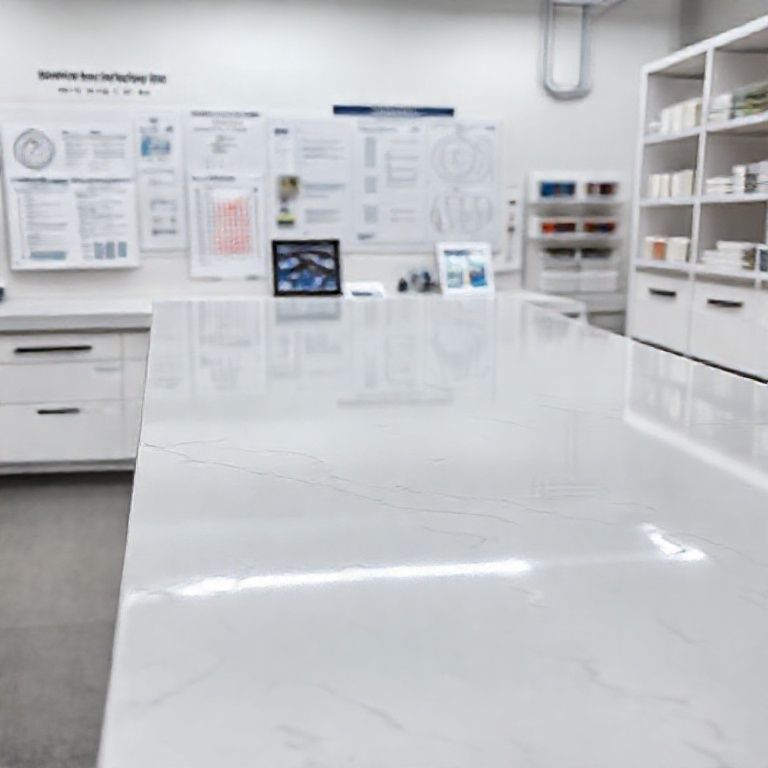
Artificial stone countertops, often referred to as engineered stone, are composite materials made from natural stone powder, water, and other additives. The mixture is pressed and cured under high pressure and temperature, resulting in a material that mimics the appearance and texture of natural stone. Unlike traditional stone, artificial stone is not a single material but rather a composite that blends the best qualities of various natural stones, such as granite, marble, and quartz, to create a versatile and high-quality product.
Benefits of Artificial Stone Countertops
Durability: One of the most significant advantages of artificial stone countertops is their durability. They are highly resistant to scratches, stains, and heat. Unlike natural stone, which can be prone to chips and cracks, artificial stone is engineered to withstand daily wear and tear, making it an ideal choice for high-traffic areas such as kitchens and bathrooms.
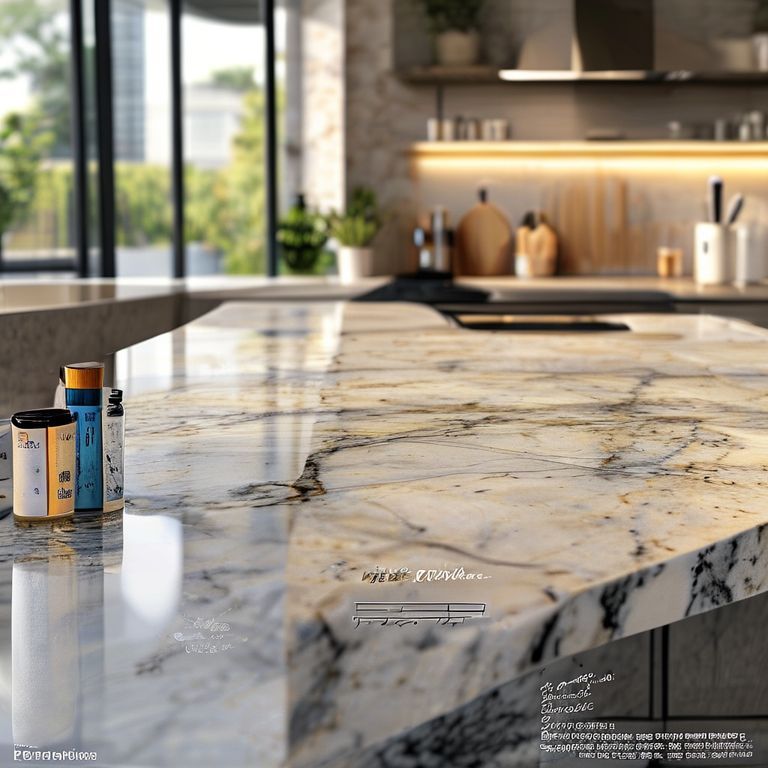
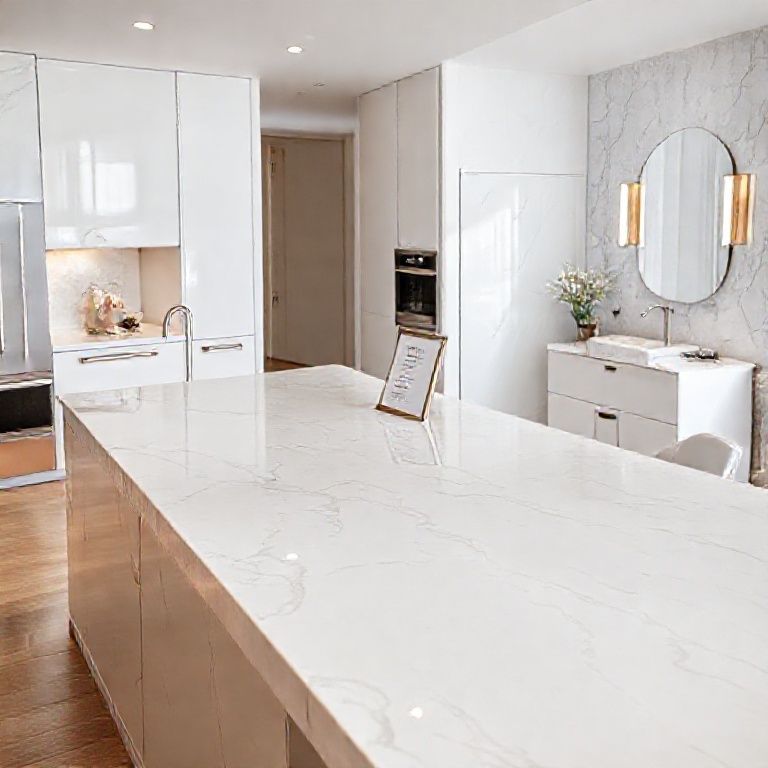
Aesthetic Appeal: Artificial stone countertops offer a wide range of colors and patterns, allowing for virtually limitless design possibilities. Whether you prefer the sleek, modern look of quartz or the timeless elegance of marble, artificial stone can be customized to match your aesthetic preferences. This versatility makes it an excellent choice for both contemporary and traditional designs.
Low Maintenance: Artificial stone countertops are low-maintenance compared to natural stone. While natural stone requires sealing to protect against stains, artificial stone does not need this process. This simplicity translates into less effort and fewer cleaning products, saving you time and effort in the long run.
Cost-Effective: For many homeowners, cost is a significant factor in renovation decisions. Artificial stone countertops are often more affordable than natural stone, making them an attractive option for those looking to achieve high-quality results without breaking the bank.
Types of Artificial Stone Countertops
There are several types of artificial stone countertops, each with unique characteristics and applications:
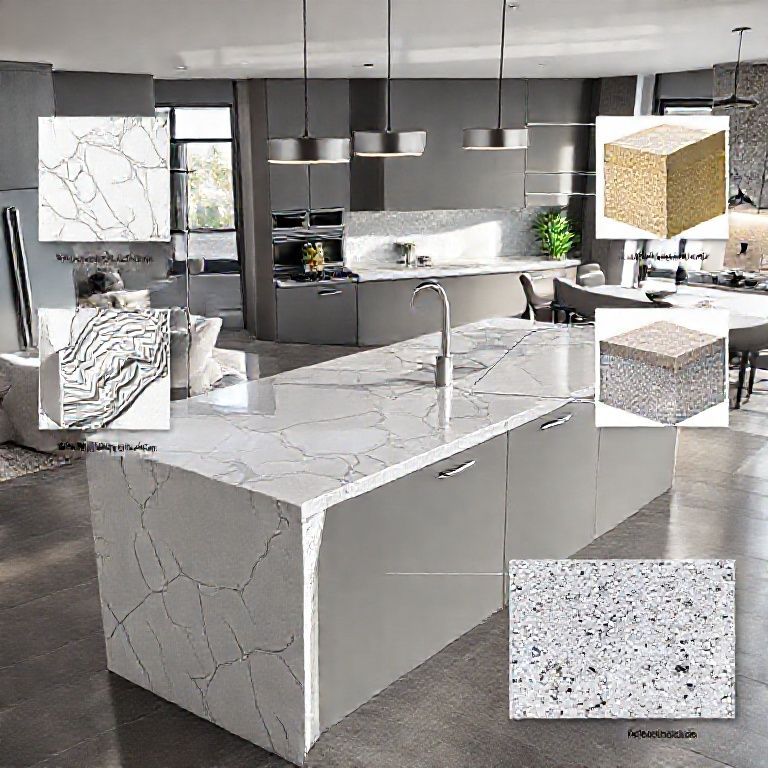
Quartz: Quartz countertops are known for their strength, durability, and resistance to scratches and stains. They offer a wide range of colors and patterns, making them suitable for both modern and traditional designs. Quartz is also highly heat-resistant, making it ideal for kitchen countertops.
Corian: Corian is a type of acrylic-based artificial stone that is highly durable and easy to clean. It offers a smooth, non-porous surface that resists stains and bacteria. Corian is often used in both kitchen and bathroom applications due to its low maintenance requirements.
Silica Stone: Silica stone is a composite material made from silica sand and other additives. It offers a natural stone-like appearance with the durability and low maintenance of artificial stone. Silica stone is versatile and can be used in various applications, from countertops to tiles.
Why Artificial Stone is Revolutionizing Kitchen and Bathroom Design
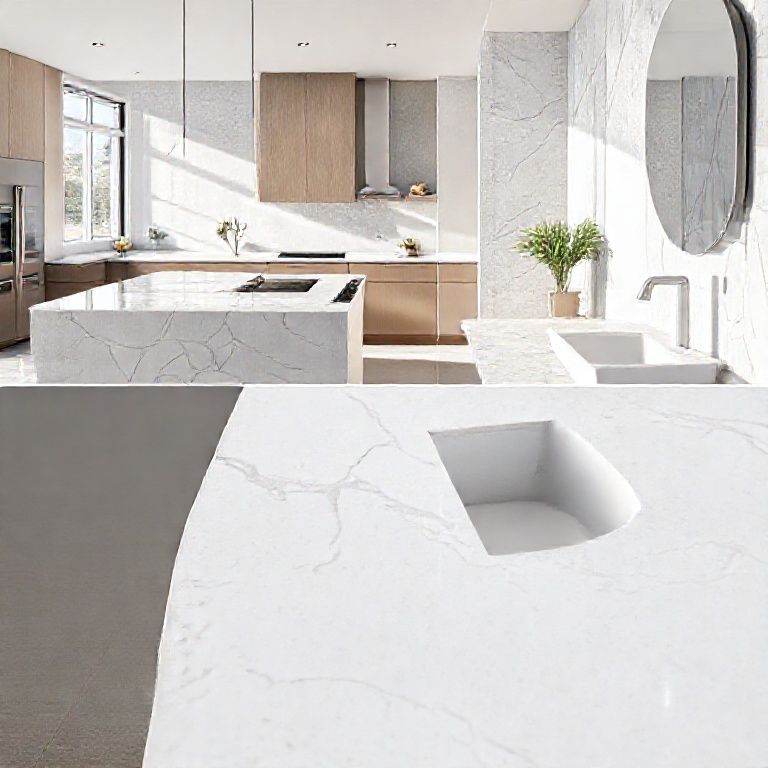
Artificial stone countertops are revolutionizing kitchen and bathroom design by offering a blend of style, functionality, and durability. Here are some reasons why:
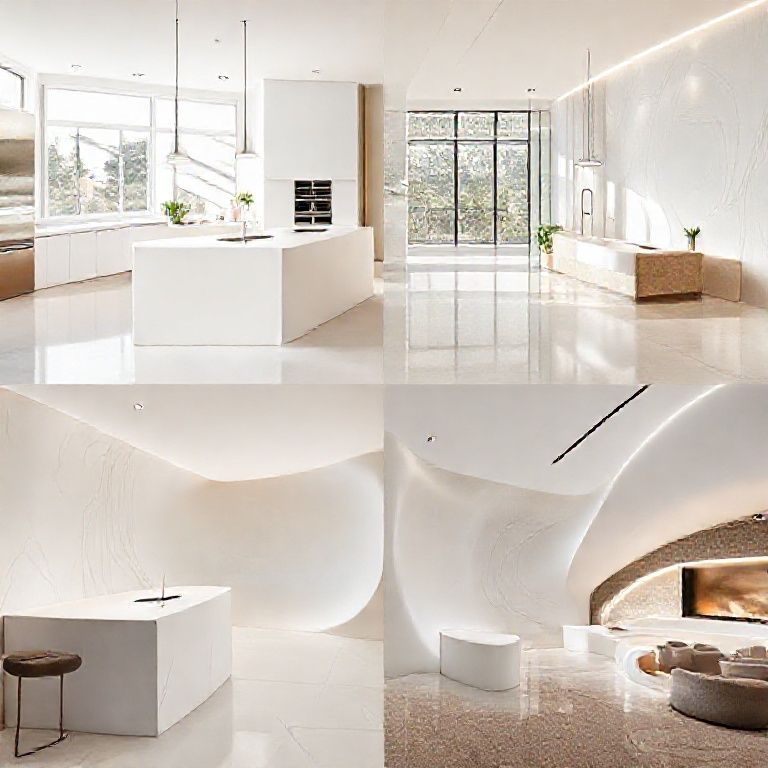
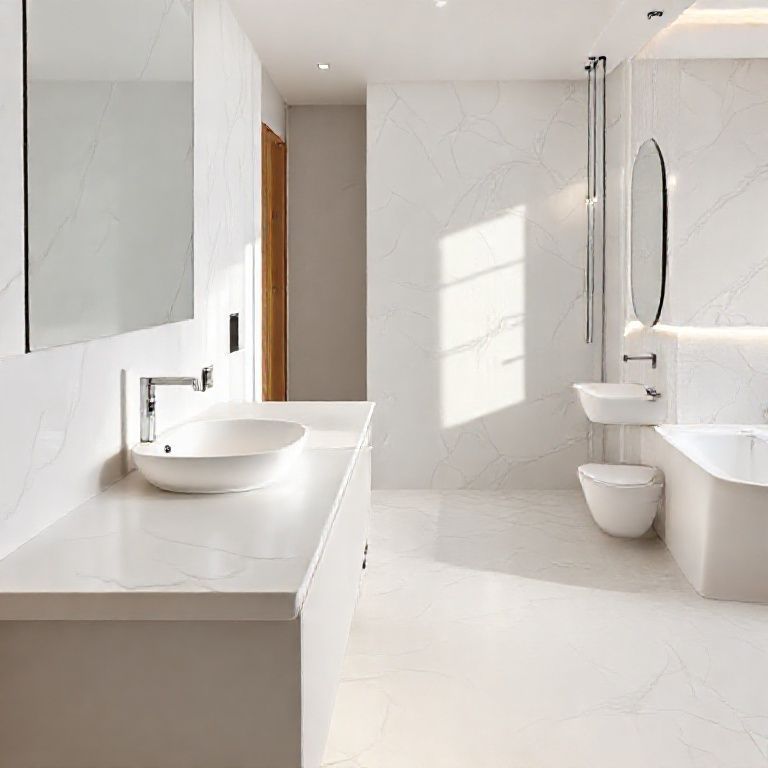
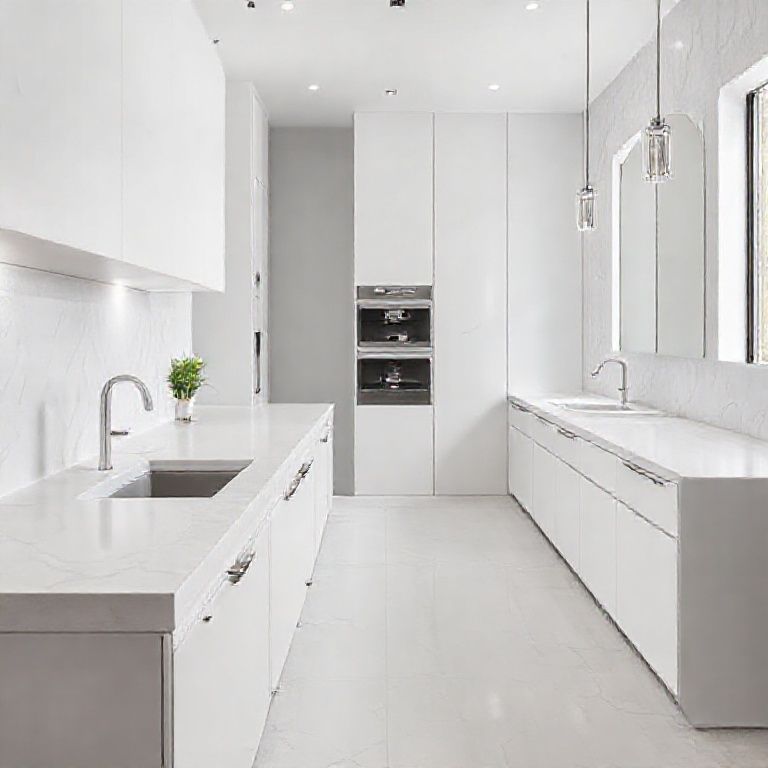
Modern Aesthetics: Artificial stone provides a modern, sleek appearance that is perfect for contemporary home designs. Its wide range of colors and patterns allows designers to create unique and personalized looks that can complement any style.
Functionality: The practicality of artificial stone makes it an excellent choice for kitchen and bathroom renovations. Its resistance to heat, stains, and scratches means it can withstand the rigors of daily use without showing signs of wear and tear.
Customization: One of the biggest advantages of artificial stone is its customization options. Homeowners can choose from a variety of colors, patterns, and textures to create a countertop that matches their exact vision. This flexibility is something that traditional natural stone cannot match.
Sustainability: Artificial stone is a more sustainable option compared to natural stone. It is made from recycled stone and other materials, reducing the need for quarrying and the environmental impact associated with natural stone extraction.
Installation and Maintenance of Artificial Stone Countertops
While artificial stone countertops offer numerous benefits, proper installation and maintenance are essential to ensure their longevity and performance. In this second part of our guide, we will explore how to install artificial stone countertops, as well as provide tips for their maintenance.
Installation of Artificial Stone Countertops
Surface Preparation: Proper surface preparation is crucial for a successful installation. The area where the countertop will be installed must be clean, flat, and dry. Any imperfections in the surface, such as unevenness or moisture, can lead to installation issues and affect the overall appearance of the countertop.
Measuring and Cutting: Accurate measurements are essential to ensure that the countertop fits perfectly. Use a tape measure to determine the dimensions of the space and transfer these measurements to the countertop material. Most artificial stone countertops can be cut using a tile cutter or a wet saw, but it’s important to follow the manufacturer’s instructions for the best results.
Adhesive Application: Apply an appropriate adhesive to the surface where the countertop will be installed. Use a notched trowel to spread the adhesive evenly and ensure good contact between the countertop and the surface. Follow the adhesive manufacturer’s instructions for the best results.
Placing the Countertop: Carefully place the countertop onto the adhesive, pressing it firmly to ensure a good bond. Use a rubber mallet to gently tap the countertop into place, removing any air bubbles that may form. Allow the adhesive to cure according to the manufacturer’s instructions before using the countertop.
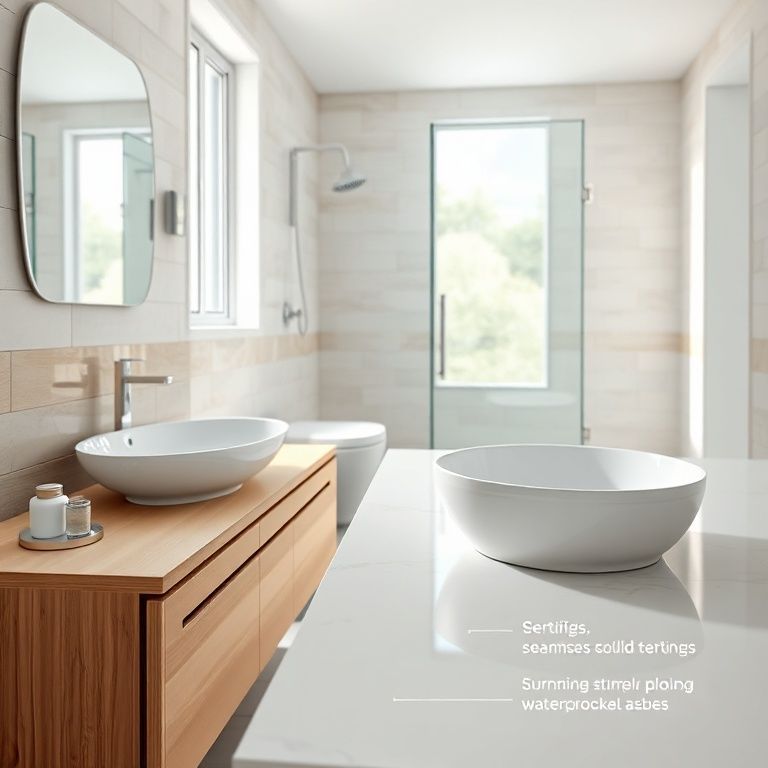
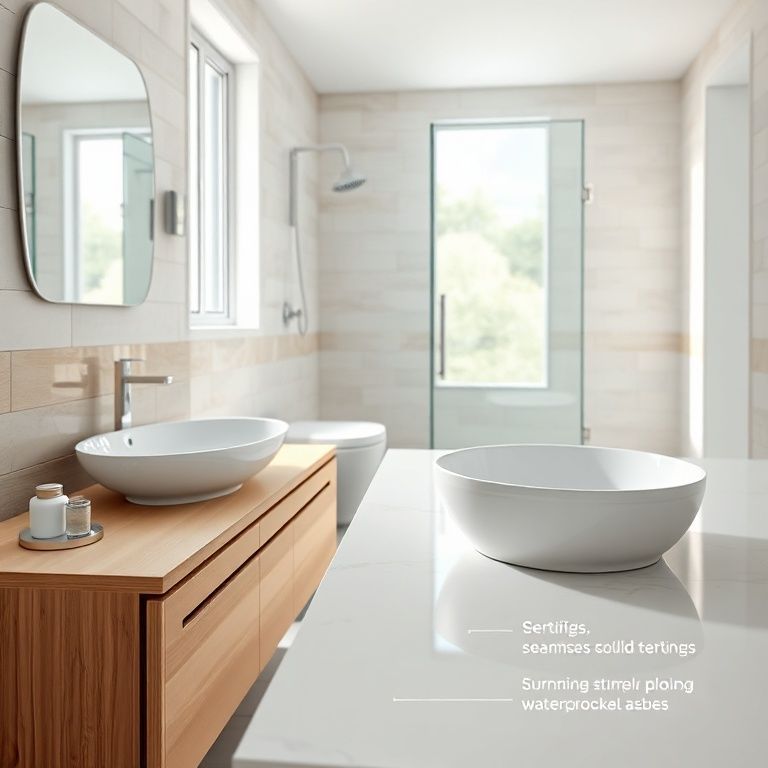
Sealing Edges: Once the countertop is securely in place, seal the edges to prevent water from seeping underneath. Use a caulking gun to apply a waterproof sealant around the edges of the countertop. This step is crucial for preventing water damage and ensuring the longevity of the installation.
Maintenance of Artificial Stone Countertops
Proper maintenance is essential to keep artificial stone countertops looking their best and to ensure their durability. Here are some tips for maintaining your artificial stone countertops:
Daily Cleaning: Clean the countertop daily with a mild soap and water solution. Avoid using harsh chemicals or abrasive cleaners, as these can damage the surface. For tougher stains, a gentle cleaner or a mixture of water and vinegar can be effective.
Immediate Spills: Wipe up spills immediately to prevent stains and damage. Acidic substances, such as citrus juices and vinegar, can cause discoloration over time, so it’s important to clean up these types of spills as soon as they occur.
Avoiding Heat Sources: While artificial stone is heat-resistant, it’s still best to avoid placing hot pots, pans, or other heat sources directly on the countertop. Use trivets or heat-resistant pads to protect the surface from heat damage.
Regular Inspections: Regularly inspect your countertop for any signs of damage or wear. If you notice any chips, cracks, or other imperfections, address them promptly to prevent further damage. Artificial stone can often be repaired by a professional, depending on the extent of the damage.
Conclusion
Artificial stone countertops are transforming the way we think about kitchen and bathroom design. Their durability, aesthetic versatility, and low maintenance requirements make them an excellent choice for homeowners looking to enhance their living spaces. By understanding the benefits, types, installation, and maintenance of artificial stone countertops, you can make an informed decision that will elevate the look and functionality of your home.
Whether you are planning a renovation or simply looking to update your existing space, artificial stone countertops offer a modern, sustainable, and stylish solution that is sure to impress. Embrace the future of kitchen and bathroom design with artificial stone countertops and enjoy the long-lasting beauty and practicality they bring to your home.