The Ultimate Guide to Cabinet Countertop Stone Thickness
When it comes to kitchen design, one of the most critical decisions you’ll make is selecting the right material for your cabinet countertops. Stone countertops, renowned for their durability, beauty, and low maintenance, have surged in popularity. However, a crucial factor that often determines the success of your kitchen design is the stone thickness. In this article, we will delve into everything you need to know about cabinet countertop stone thickness to help you make an informed decision.
Understanding Stone Thickness
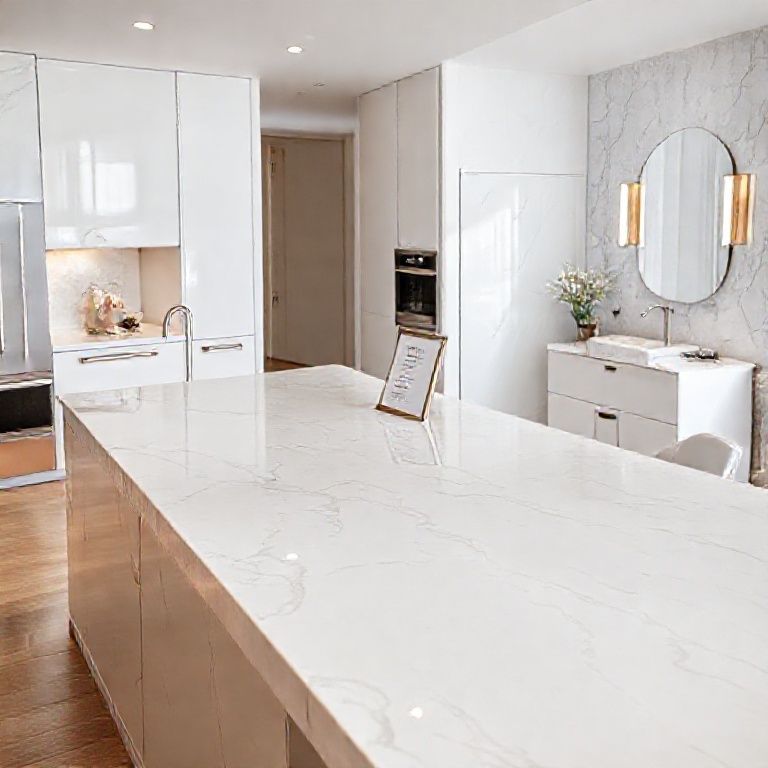
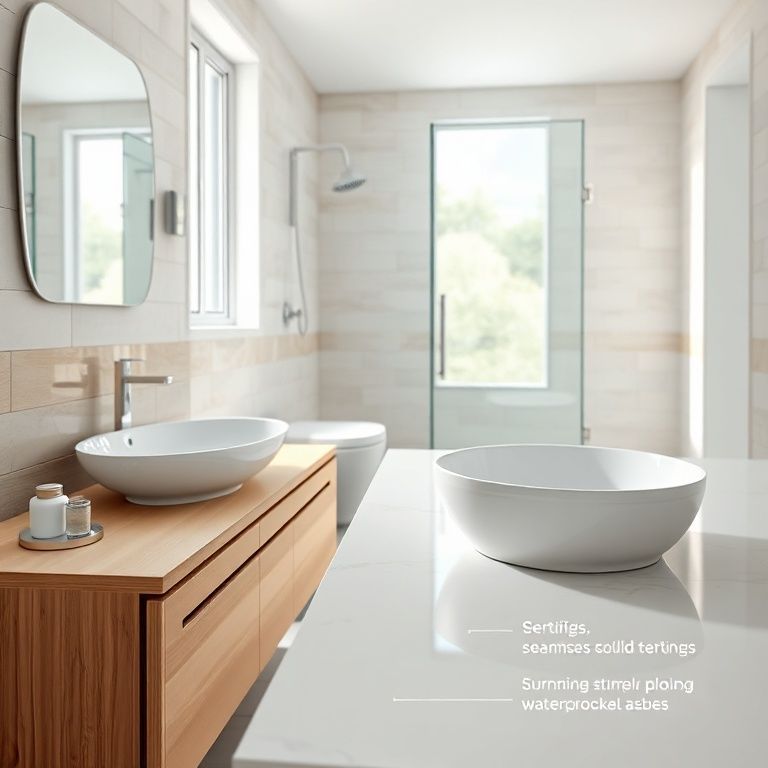
Stone thickness refers to the measure of how thick the stone slab is when it is cut and installed as a countertop. This dimension is critical because it affects the weight, durability, and appearance of the countertop. Generally, stone thickness ranges from 1.5 inches to 2 inches, although specific stones like granite may be thicker. Knowing the appropriate thickness for your countertop is essential to avoid potential issues during installation and to ensure that your kitchen looks and functions perfectly.
Types of Stone and Their Recommended Thickness
Different types of stone have different recommended thicknesses based on their density and weight. Here’s a brief overview of some popular stones and their ideal thickness:
Granite: Granite is one of the most popular choices due to its durability and beauty. Typically, granite countertops should be at least 1.5 inches thick. However, for areas that experience heavy use, such as islands or breakfast bars, a thickness of 2 inches is recommended.
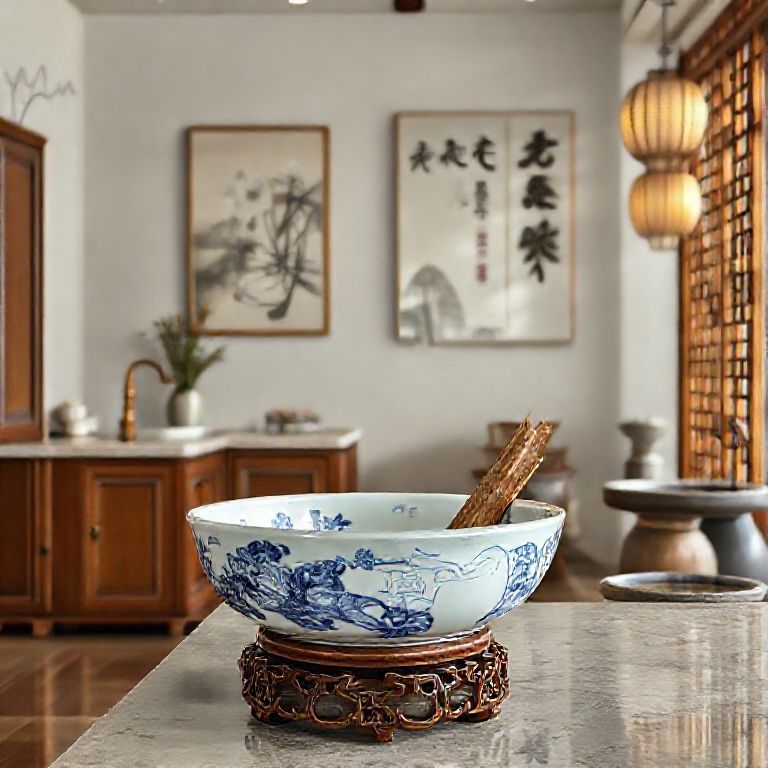
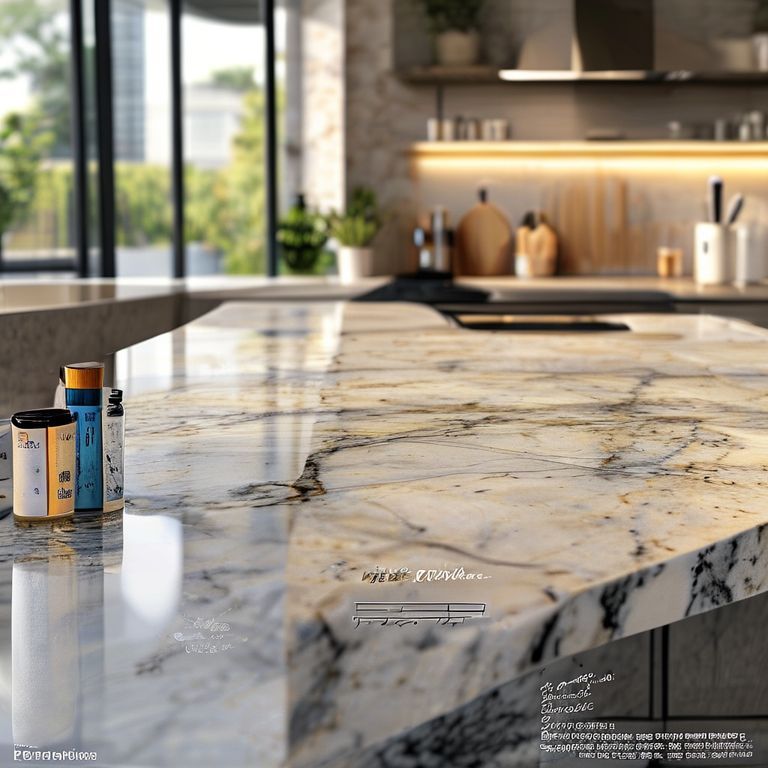
Marble: Marble is known for its elegant appearance but is less durable than granite. Marble countertops should generally be around 1.5 inches thick. However, the porosity of marble means that a thicker slab might be necessary to reduce the risk of chipping.
Quartz: Quartz is a man-made stone that combines the beauty of natural stone with the durability of composite materials. Quartz countertops typically require a thickness of 1.5 inches, making them an excellent choice for those who desire durability without the weight of natural stone.
Slate: Slate offers a rustic, natural look with a relatively low maintenance requirement. Slate countertops usually range from 1.25 to 1.5 inches thick. The thinner option can add a unique aesthetic, but ensure it’s appropriately supported.
Factors Influencing Stone Thickness
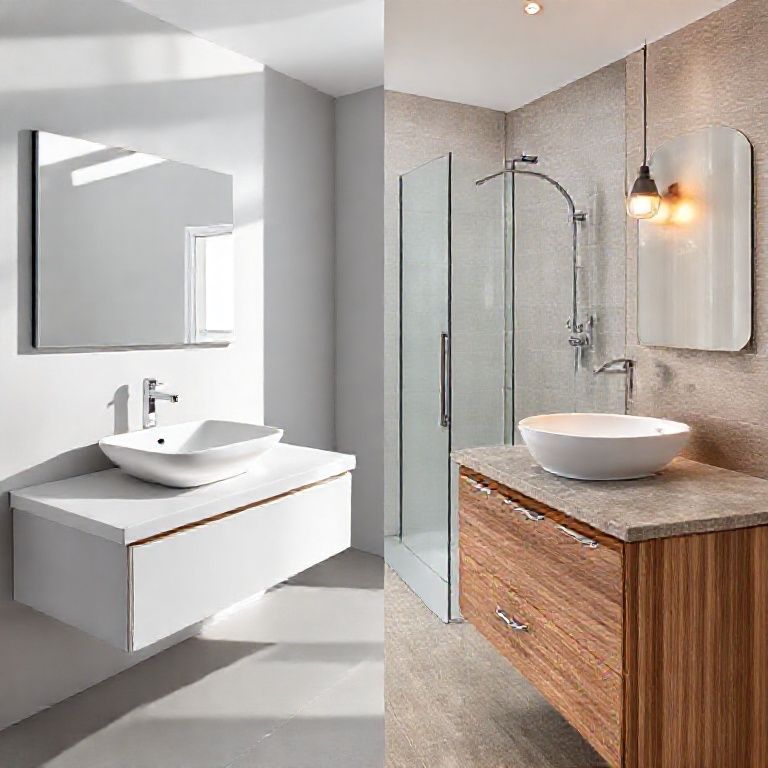
Several factors influence the appropriate thickness of your stone countertop:
Usage: Areas of the kitchen that experience heavy use, such as countertops near the stove or sink, benefit from a thicker stone slab to withstand constant impact and pressure.
Weight: Heavier stones, like granite, generally require a thicker slab to maintain structural integrity. Lighter stones, such as marble, can be thinner without compromising durability.
Support: Adequate support from underneath the countertop is crucial for maintaining the thickness of the stone. This involves proper installation techniques and the use of a sturdy substrate.
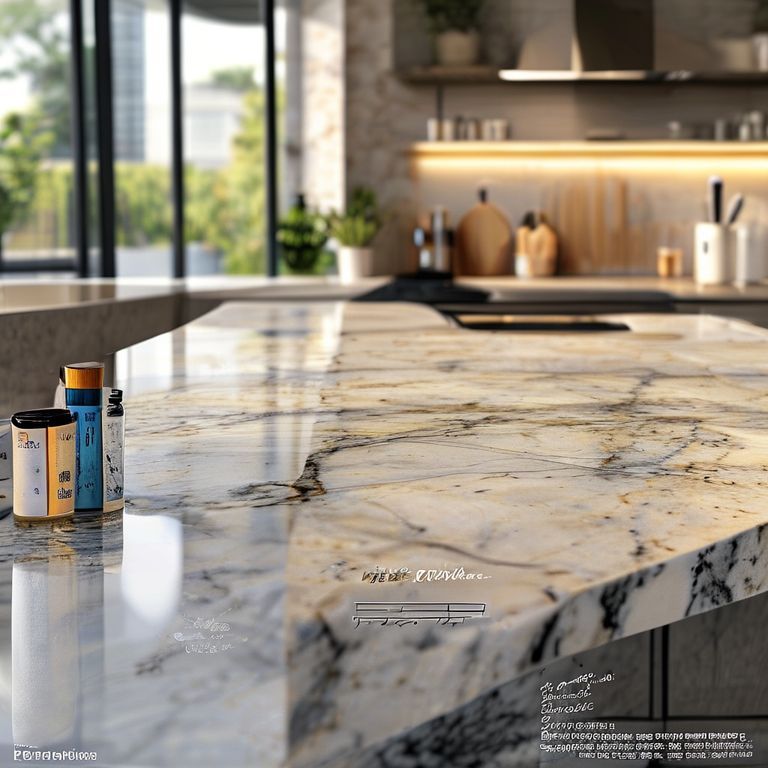
Aesthetics: Thickness also affects the visual appeal of the countertop. A thicker slab can create a more substantial and robust look, while a thinner slab might offer a sleek, modern aesthetic.
Installation Techniques
Proper installation is crucial to ensuring that your stone countertop maintains its thickness and structural integrity. Here are some essential installation techniques to consider:
Substrate Preparation: The substrate, often a plywood or composite base, must be well-prepared to support the stone countertop. It should be smooth, level, and free from any defects. A thicker substrate can help support a thinner stone slab.
Lapping Edges: When installing stone countertops around sinks or islands, lapping the edges is a technique used to maintain the stone’s thickness at the joints. This involves cutting the stone so that one edge overlaps the other, ensuring a seamless and sturdy joint.
Adhesive Use: High-quality, flexible adhesives are essential for securing the stone to the substrate. These adhesives can accommodate minor movement and shifts, maintaining the integrity of the stone’s thickness.
Support Beams: In areas where the stone countertop spans a significant distance, such as large island countertops, support beams can be used to maintain the stone’s thickness and prevent sagging.
Maintenance and Longevity
Maintaining the thickness of your stone countertop is essential for its longevity and appearance. Here are some tips for keeping your stone countertop in top condition:
Sealing: Regular sealing of the stone countertop helps to protect it from stains and scratches, extending its lifespan. The frequency of sealing depends on the type of stone and the level of usage.
Cleaning: Proper cleaning techniques, using recommended stone countertop cleaners, help maintain the stone’s natural beauty and thickness. Avoid using abrasive cleaners that can wear down the stone over time.
Repairs: In the event of chips or cracks, professional repair services can restore the stone’s thickness and appearance. Avoid DIY repairs, as they can compromise the integrity of the countertop.
Conclusion
Choosing the right stone thickness for your cabinet countertop is a vital aspect of kitchen design that affects durability, appearance, and functionality. By understanding the types of stone, factors influencing thickness, installation techniques, and maintenance requirements, you can make an informed decision that will enhance your kitchen’s overall aesthetic and longevity.
Stay tuned for the second part of this guide, where we will explore advanced installation techniques, popular design trends, and additional tips to ensure your kitchen makeover is a stunning success!
The Ultimate Guide to Cabinet Countertop Stone Thickness (Continued)
In the previous section, we covered the basics of stone thickness for cabinet countertops, focusing on the types of stone, factors influencing thickness, and installation techniques. Now, let’s delve deeper into advanced installation techniques, popular design trends, and additional tips to ensure your kitchen makeover is a stunning success.
Advanced Installation Techniques
When it comes to installing stone countertops, precision and expertise are key to achieving a flawless finish. Here are some advanced installation techniques that can elevate the quality of your kitchen design:
Edge Profiling: Edge profiling involves creating a specific profile along the edges of the stone countertop to enhance its appearance and provide additional support. This technique can include beveled edges, rounded edges, or custom profiles that blend seamlessly with the surrounding cabinetry.
Underlayment: An underlayment, often made of high-density polyethylene (HDPE), provides an additional layer of support and flexibility beneath the stone countertop. This layer helps to distribute weight evenly and accommodate minor movements, ensuring the stone maintains its thickness and structural integrity.
Custom Cutting: For unique designs, such as custom shapes or intricate patterns, professional stone cutters use advanced tools and techniques to achieve precise cuts. This level of craftsmanship ensures that the stone countertop fits perfectly within the kitchen design, maintaining its thickness and aesthetic appeal.
Popular Design Trends
Stone countertops continue to be a popular choice in modern kitchen design, and several trends have emerged that showcase the versatility and beauty of stone:
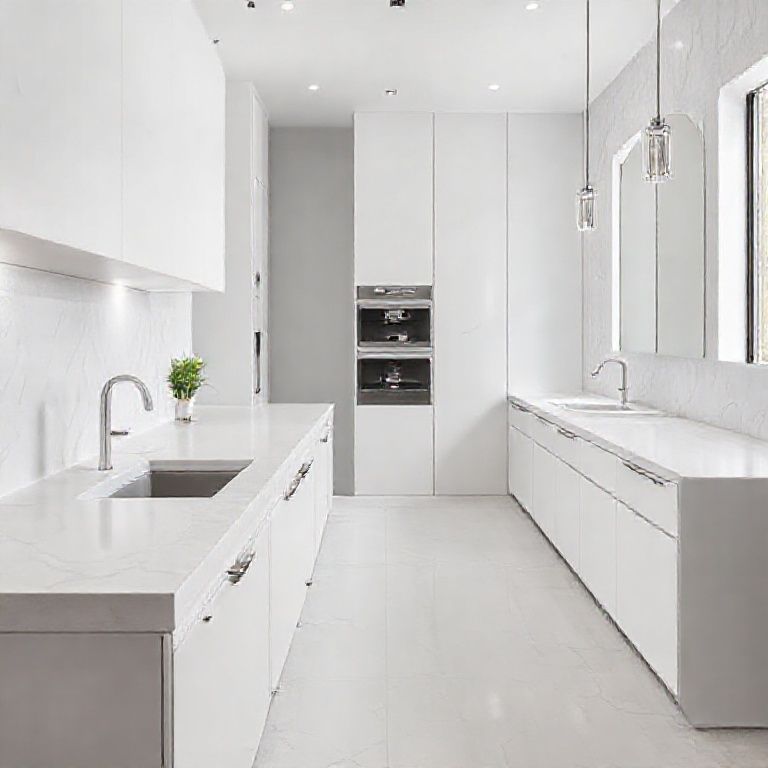
Monochromatic Palettes: A single color or shade of stone creates a sleek, modern look that is both elegant and understated. Monochromatic palettes allow the natural beauty of the stone to shine through without distraction.
Bold Patterns: Using contrasting colors or unique patterns in stone can create bold, eye-catching designs. Techniques like layering or mixing different stones can add depth and visual interest to the countertop.
Integrated Appliances: Incorporating appliances directly into the stone countertop, such as built-in coffee makers or juicers, can create a seamless, streamlined look. This trend emphasizes functionality without sacrificing the aesthetic appeal of the countertop.
Mix-and-Match: Combining different types of stone or materials, such as wood and stone, can create a dynamic, eclectic look. This trend allows for creative design possibilities while maintaining structural integrity and thickness.
Additional Tips for a Successful Kitchen Makeover
To ensure your kitchen makeover is a success, here are some additional tips to consider:
Professional Consultation: Consulting with a professional stone contractor or designer can provide valuable insights and guidance tailored to your specific kitchen design. They can help you choose the right stone type and thickness, as well as offer expert installation advice.
Budget Planning: Stone countertops can vary widely in cost depending on the type of stone, thickness, and design complexity. Planning your budget in advance ensures you can make informed choices without compromising on quality.
Customization Options: Many stone suppliers offer customization options, such as custom cuts, stains, and finishes. Take advantage of these options to create a unique, personalized countertop that fits your vision.
Quality Materials: Invest in high-quality stone and installation materials. Premium materials not only enhance the appearance of your countertop but also ensure its durability and longevity.
Proper Tools: Using the right tools for cutting, shaping, and installing the stone countertop is crucial. High-quality tools can make the installation process more precise and efficient, resulting in a professional finish.
Conclusion
Choosing the right stone thickness for your cabinet countertop is an essential aspect of creating a functional, beautiful, and long-lasting kitchen design. By understanding advanced installation techniques, staying up-to-date with popular design trends, and following additional tips for a当然,我们可以继续探讨关于石材橱柜台面厚度的更多细节和其他相关方面。
石材橱柜台面厚度的安全性
安全性考虑:在选择石材橱柜台面的厚度时,安全性也是一个重要因素。较厚的石材(如2英寸)不仅更耐用,还能提供更好的安全保障,减少割伤和碰撞的风险。如果你的厨房有小孩或宠物,选择较厚的石材可能会更为合适。
重量:厚度越大,石材的重量通常也越大。因此,需要确保安装和支撑结构足够坚固以承受重量。在选择石材和安装前,建议咨询专业人员以确保安装的安全性和稳定性。
石材橱柜台面厚度的美观与设计
现代设计:现代厨房设计中,较薄的石材台面(如1.5英寸)越来越流行,因为它们能提供一种更简洁、现代的外观。薄的石材台面还能让厨房显得更加宽敞。
传统设计:如果你喜欢传统设计风格,较厚的石材(如2英寸)可能更符合你的需求。厚石材通常有更浓厚的质感和更丰富的纹理,能够增加厨房的整体档次感。
石材橱柜台面的耐用性和维护
耐用性:厚石材通常更耐用,因为它们具有更大的承重能力和抗冲击性。在高频使用的区域,如厨房岛台或餐桌,厚石材能提供更长久的使用寿命。
维护:大多数石材台面都需要定期维护,以确保其光泽和耐用性。无论厚度如何,定期清洁和密封都是必要的。一些石材类型可能需要特殊的护理,因此在选择时了解其维护需求是很重要的。
石材橱柜台面的安装与支撑
安装方法:石材台面的安装方法会因厚度而有所不同。较厚的石材通常需要更多的支撑,可能需要安装支撑杆或使用其他固定方式。而较薄的石材可以通过简单的胶水或黏合剂安装。
支撑结构:无论选择何种厚度的石材,确保橱柜的支撑结构坚固是至关重要的。在安装前,检查橱柜底板和支撑梁,以确保它们能够承受石材台面的重量。
其他考虑因素
预算:石材的种类和厚度会直接影响其价格。大理石、花岗岩等高端石材通常比普通石材更昂贵。在选择时,需要考虑你的预算和性价比。
环境因素:不同的石材对湿度和温度变化的耐受性不同。如果你的厨房环境潮湿或温度波动较大,需要选择更耐候性强的石材。
总结来说,石材橱柜台面的厚度是一个综合考虑多个因素的决定,包括耐用性、安全性、美观性、维护要求和预算等。在做出最终决定前,建议与专业人员详细咨询,以确保选择最适合你厨房设计和需求的石材橱柜台面。