The Ultimate Guide to Cabinet Countertop Stone Thickness: Ensuring Durability and Style
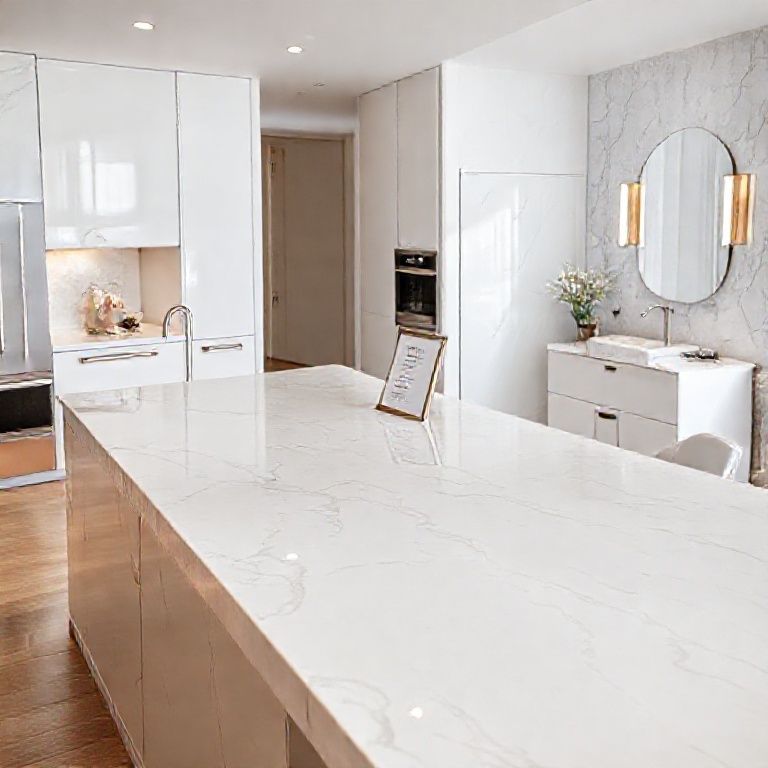
In the realm of home renovation and design, one of the most crucial elements in a kitchen is the cabinet countertop. The right choice of material, style, and most importantly, thickness can make or break the aesthetic and functional aspects of your kitchen. Among the plethora of options available, natural stone countertops have always stood out for their timeless appeal, durability, and luxurious feel. When it comes to selecting the perfect stone for your cabinet countertops, understanding the right thickness is paramount. This first part delves into the various types of stone used in countertops, the factors influencing the ideal thickness, and why getting this right is essential.
Choosing the Right Stone for Your Cabinet Countertops
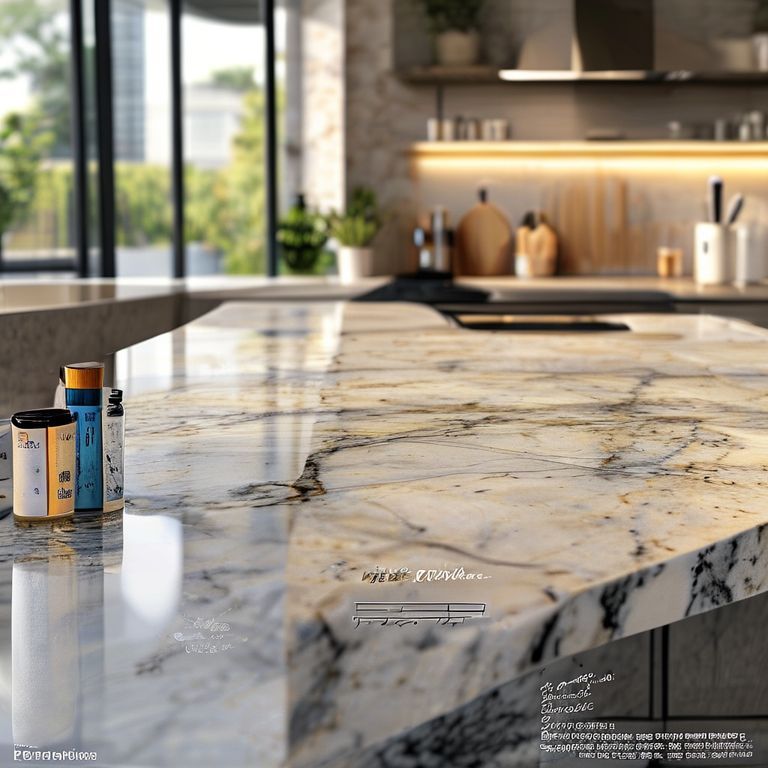
There are numerous types of stone that can be used for cabinet countertops, each with unique characteristics. The most popular choices include granite, marble, quartz, and travertine.
Granite: Known for its durability and vibrant colors, granite is a favorite among homeowners. It’s also highly resistant to scratches and stains. Marble: With its beautiful veins and soft, elegant appearance, marble is a classic choice. However, it is less durable than granite and requires careful maintenance. Quartz: A composite material made from 90% quartz and 10% resin, quartz countertops are highly resistant to stains, heat, and scratches, making them a low-maintenance option. Travertine: A type of limestone that has a unique, natural look and is less dense than marble, making it a good choice for those looking for a natural aesthetic with moderate durability.
Factors Influencing the Ideal Thickness
The thickness of your cabinet countertop stone is a crucial factor that impacts both its aesthetic appeal and functional performance. The ideal thickness varies depending on several factors:
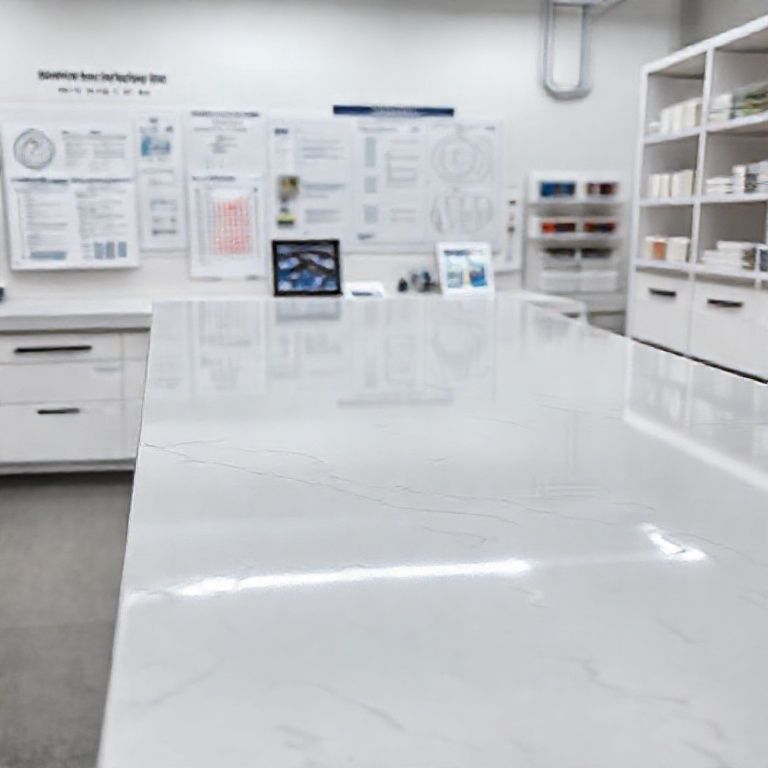
Type of Stone: Different stones have different natural thicknesses. For instance, granite slabs are typically thicker than marble slabs because marble is more prone to chipping and cracking.
Usage: The more frequently a countertop is used, the thicker it should be. High-traffic areas, like kitchen islands, benefit from a thicker stone to withstand daily use.
Weight Distribution: Thicker stones are generally better at distributing weight evenly, which can help prevent unevenness and potential damage.
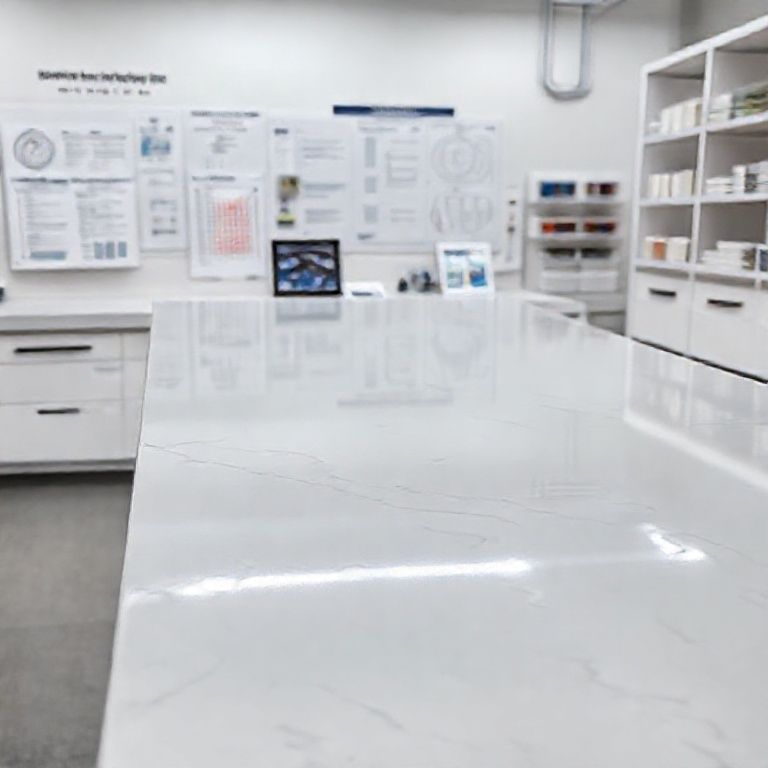
Aesthetic Preferences: Thinner stones might give a modern, sleek look, while thicker stones often provide a classic, robust appearance.
Why Getting the Right Thickness Matters
Choosing the correct thickness for your cabinet countertop stone is not just about aesthetics; it’s also about functionality and longevity. Here are a few reasons why the right thickness is essential:
Durability: The thickness of the stone plays a vital role in its durability. Thicker stones are less likely to crack or chip, making them a better choice for high-traffic areas. Weight: Heavier stones, such as granite, are thicker by nature. Using a thicker slab ensures that the stone can handle its own weight without warping or sagging over time. Installation: The thickness also impacts the installation process. Thicker slabs may require more robust supports and careful handling to ensure a seamless installation.
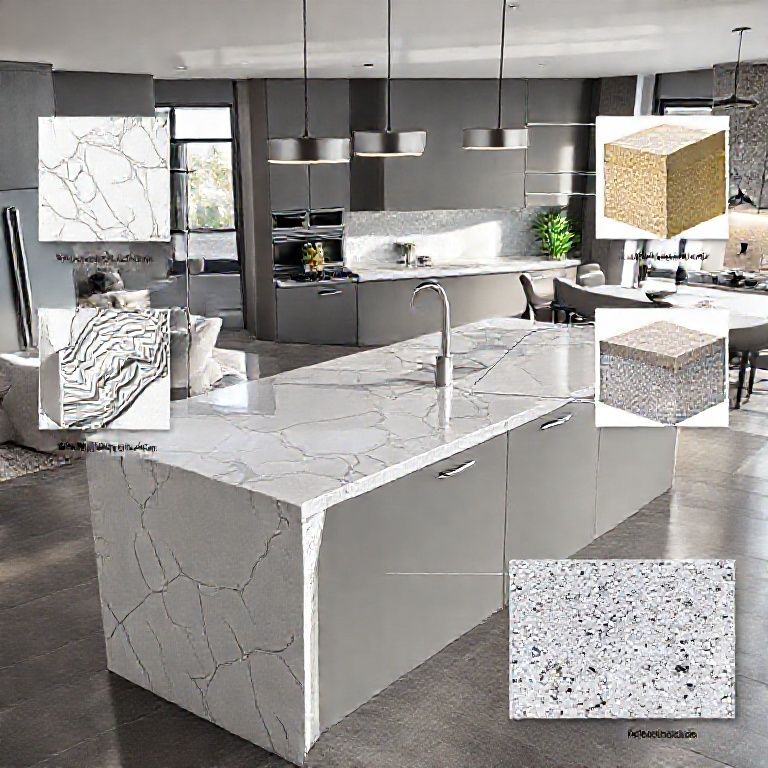
As we proceed to the second part of this guide, we will explore the specific thickness recommendations for different types of stone countertops and provide detailed insights into how to choose the best thickness for your unique kitchen design needs.
In the second part of this comprehensive guide, we delve deeper into the specific thickness recommendations for various types of stone countertops and provide detailed insights into how to choose the best thickness for your unique kitchen design needs. Whether you are looking to enhance the durability of your kitchen island or achieve a sleek, modern look with your countertop, understanding the nuances of stone thickness is essential.
Detailed Thickness Recommendations for Different Stone Types
When it comes to stone countertops, the thickness can vary significantly based on the type of stone. Here are the recommended thicknesses for some of the most popular options:
Granite: Granite slabs typically range from 2 to 3 inches thick. For standard kitchen countertops, a thickness of 2.5 inches is often recommended to balance durability and ease of installation.
Marble: Marble is generally thinner than granite, often ranging from 1.5 to 2 inches. However, due to its lower durability, it’s essential to use a thicker slab if it’s used heavily or in areas that will see frequent use.
Quartz: Quartz slabs are usually available in thicknesses similar to granite, ranging from 2 to 3 inches. The resin binder in quartz allows for the creation of very thick slabs, which enhances its durability.
Travertine: Travertine, being a softer stone, is often used in thinner slabs, typically between 1.5 and 2 inches. The thinner thickness provides a natural, rustic look but requires careful handling.
How to Choose the Best Thickness for Your Kitchen
Selecting the right thickness for your cabinet countertop stone involves balancing aesthetic preferences with practical considerations. Here are some steps to help you make the best choice:
Assess Usage Patterns: Consider how often the countertop will be used and where. High-traffic areas like kitchen islands or dining tables benefit from thicker slabs to withstand daily wear and tear.
Evaluate Weight Distribution: Thicker stones are better at distributing weight evenly, which can help prevent sagging and uneven surfaces. If your countertop will bear a lot of weight, a thicker slab is advisable.
Consider Maintenance: Some stones, like marble, require more maintenance and are more prone to damage. A thicker slab can provide additional protection against chips and scratches.
Design Aesthetics: Thinner slabs offer a modern, sleek look, while thicker slabs provide a more robust and classic appearance. Your design preference will play a significant role in determining the ideal thickness.
Additional Tips for Installing Stone Countertops
Proper installation is crucial to ensure the longevity and beauty of your stone countertops. Here are some additional tips to consider:
Professional Installation: It’s often best to hire a professional to install your stone countertops. They have the expertise to handle the weight and ensure a smooth, even installation. Proper Support: Ensure that your cabinets have adequate support to hold the weight of the stone countertop. Inadequate support can lead to sagging and other structural issues over time. Sealing: Regardless of the thickness, it’s essential to seal your stone countertops to protect them from stains and spills. Regular maintenance will help keep your countertops looking beautiful for years to come.
Conclusion
Choosing the right thickness for your cabinet countertop stone is a decision that impacts both the beauty and functionality of your kitchen. By understanding the different types of stone, the factors that influence the ideal thickness, and the specific recommendations for each type, you can make an informed choice that enhances your kitchen’s design and durability.
In the next part of our guide, we will explore the installation process, common mistakes to avoid, and maintenance tips to keep your stone countertops looking their best. Stay tuned for more detailed insights into achieving the perfect kitchen transformation.
In conclusion, selecting the appropriate thickness for your cabinet countertop stone is a critical decision that blends aesthetic appeal with practical functionality. By considering the type of stone, usage patterns, and design preferences, you can ensure that your kitchen countertop not only looks stunning but also stands the test of time. With the right knowledge and expert guidance, you can create a kitchen that is both beautiful and durable.