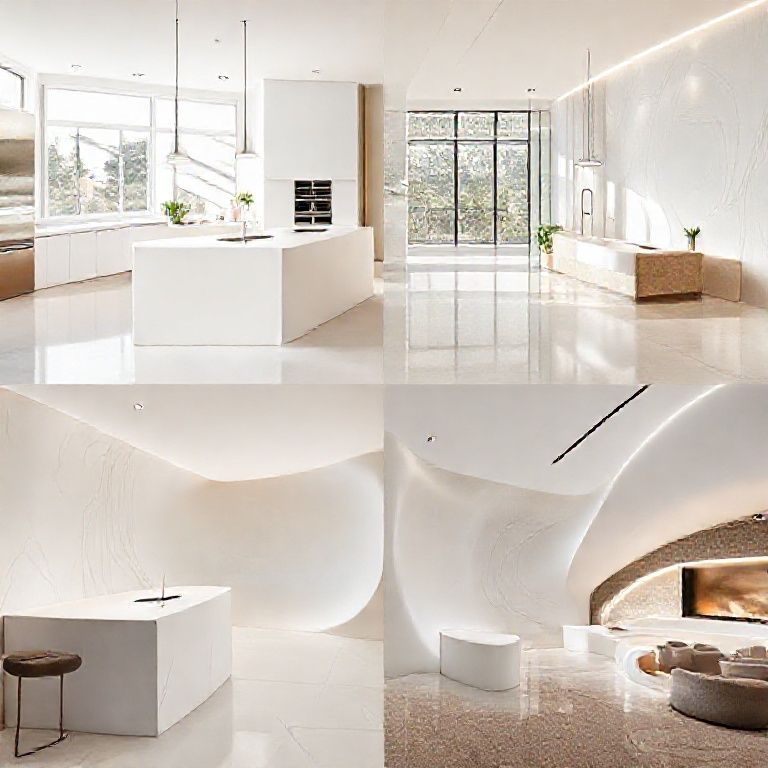
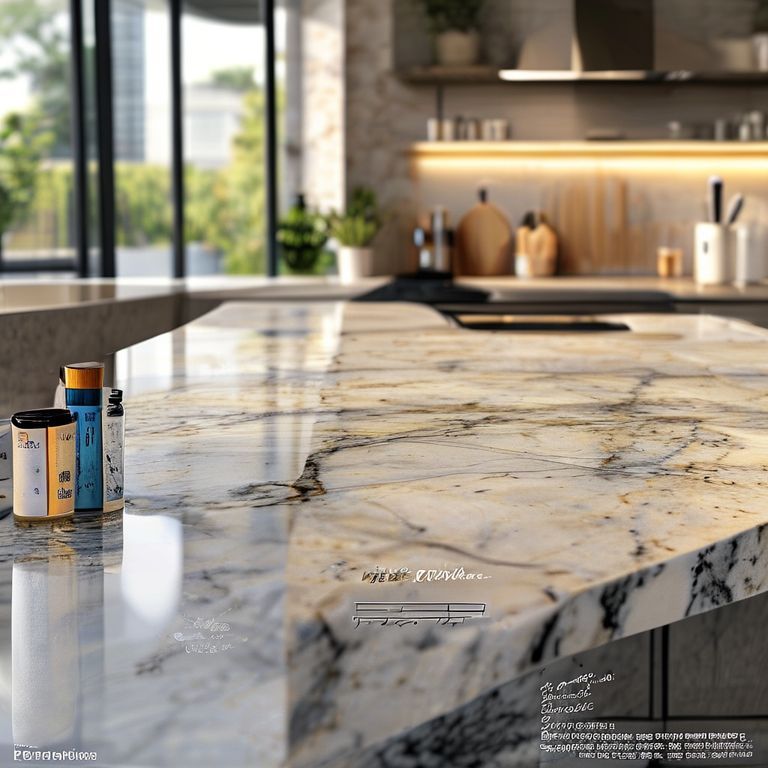
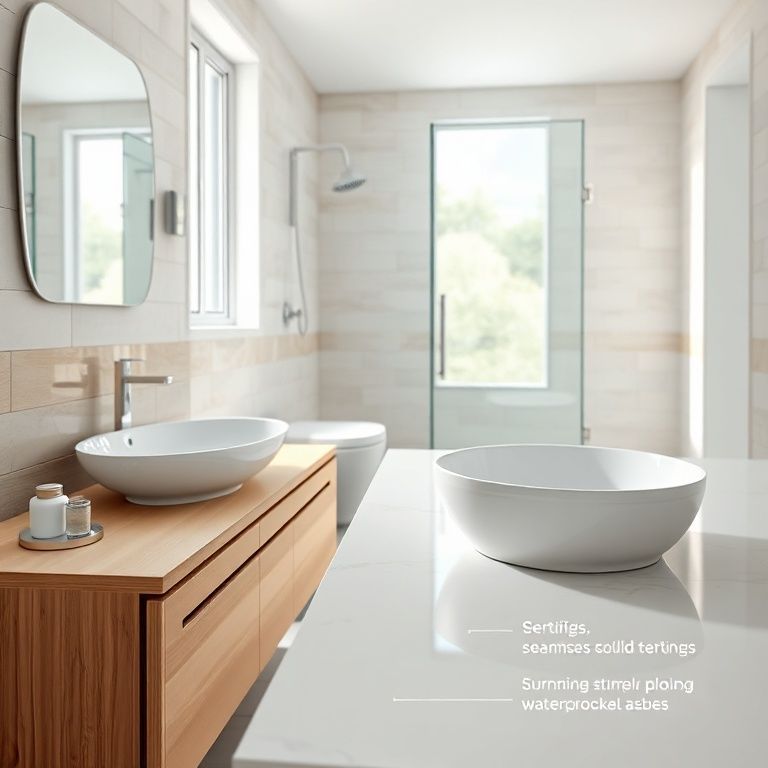
When it comes to kitchen renovation, one of the most impactful decisions you can make is choosing the right material for your cabinet countertops. Granite slabs have emerged as a top choice for their durability, aesthetic appeal, and longevity. This article provides an in-depth look at the cost, benefits, and considerations of using granite for your cabinet countertops.
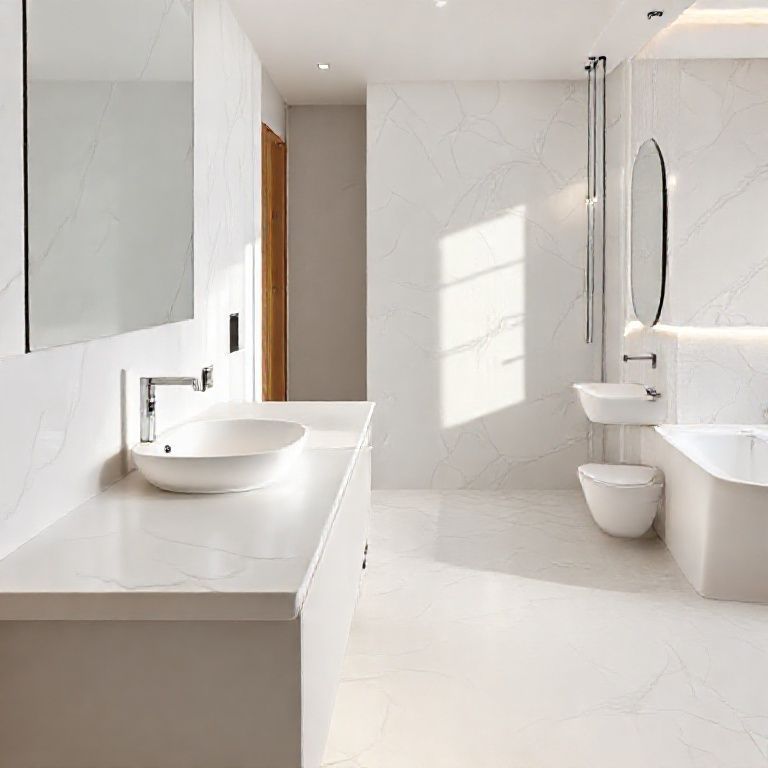
Understanding the Cost of Granite Countertops
Granite countertops are renowned for their natural beauty and robustness. However, their cost can vary significantly based on several factors. To understand the expense, let’s break it down:
Quality and Type of Granite: Granite slabs are available in various types, each with its own unique characteristics and price range. Popular types include: Black Granite: Typically more affordable with a classic, timeless look. Red Granite: Known for its rich color and durability, often commanding a higher price. White Granite: Offers a pristine, elegant appearance but can be pricier due to its demand.
Customization and Design: Custom cuts, intricate designs, and special finishes can drive up the cost. Custom granite slabs often involve additional labor and materials.
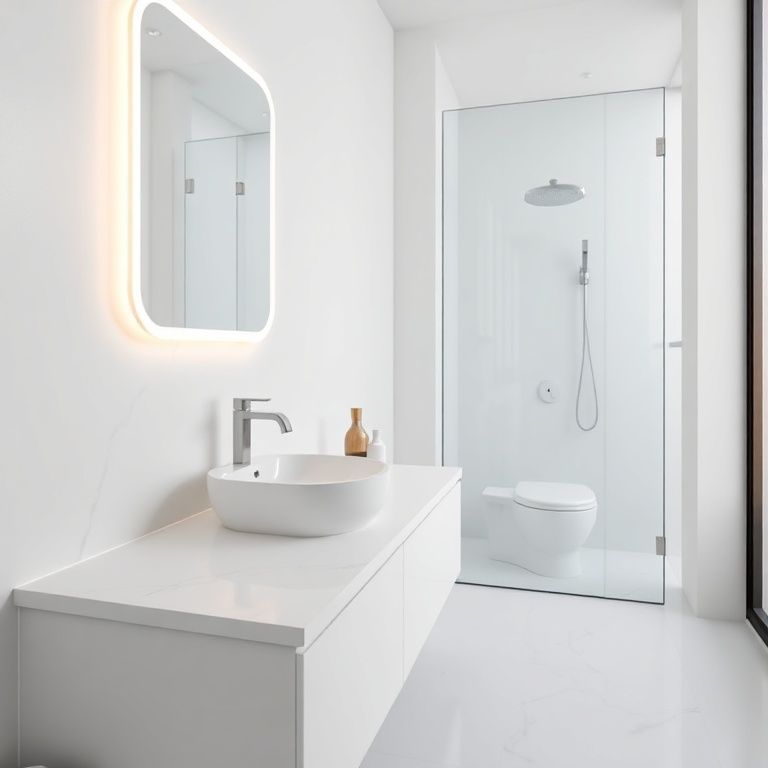
Installation Costs: Professional installation can add to the overall expense. The cost will depend on the complexity of the installation, the experience of the installer, and any additional work required, such as cutting and sealing.
Geographical Location: Prices can fluctuate based on where you live. Urban areas and regions with high demand for granite often have higher costs.
On average, the cost of granite countertops can range from $50 to $200 per square meter. However, for high-end granite slabs, you might pay closer to $150 to $200 per square meter.
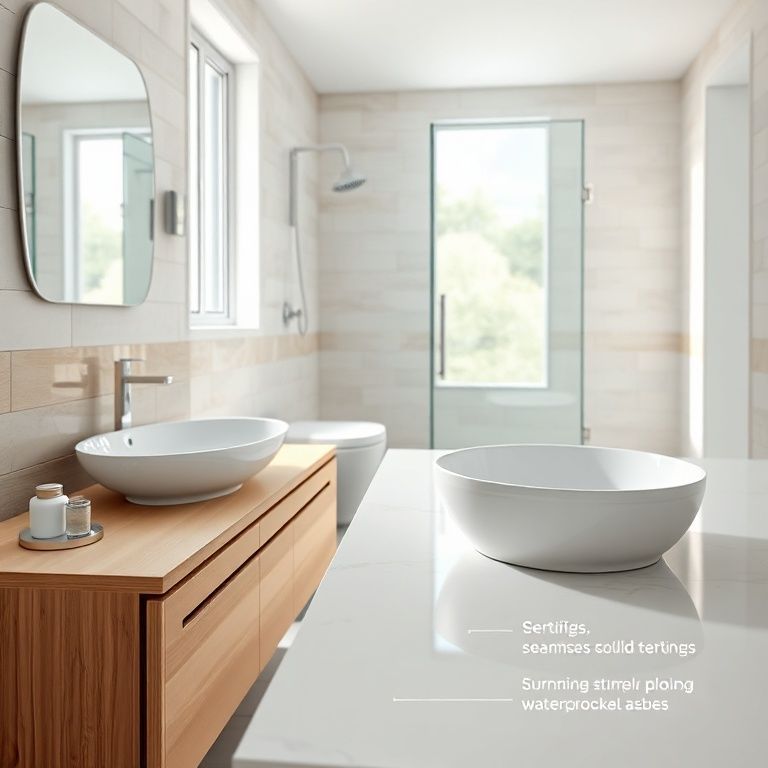
The Benefits of Granite for Cabinet Countertops
Granite is more than just a beautiful material; it brings a host of benefits that make it an excellent choice for cabinet countertops.
Durability: Granite is one of the hardest natural stones available, making it highly resistant to scratches, dents, and impact. This durability ensures that your countertops will withstand the rigors of daily use without showing significant wear.
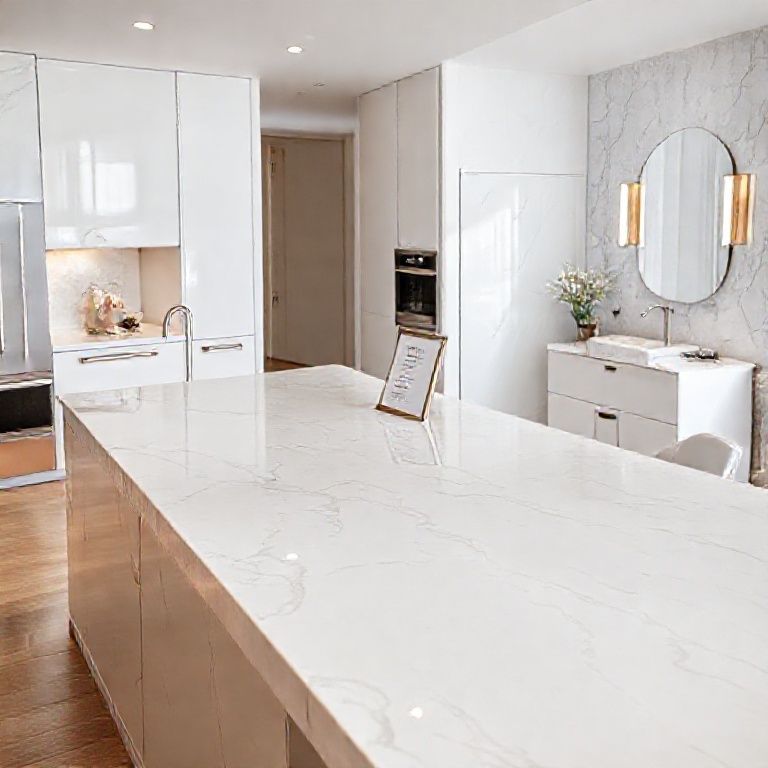
Aesthetic Appeal: Granite offers a natural, luxurious look that enhances any kitchen. Its unique veining and color patterns create a one-of-a-kind surface that adds character and elegance to your space.
Low Maintenance: While granite requires regular maintenance to keep its beauty intact, it is relatively low-maintenance compared to other materials. With proper sealing and occasional cleaning, granite countertops can maintain their pristine appearance for years.
Heat Resistance: Granite can withstand high temperatures, making it ideal for kitchen countertops where pots and pans are frequently placed. It does not warp, discolor, or release harmful chemicals when exposed to heat.
Longevity: Granite countertops are built to last. With proper care, they can last for decades, often outlasting other countertop materials.
Versatility: Granite slabs can be used in various settings beyond the kitchen, including bathrooms, offices, and even outdoor spaces. Their versatility makes them a versatile choice for many remodeling projects.
Considerations Before Choosing Granite
While granite offers numerous benefits, it’s essential to consider some factors before making your decision.
Initial Investment: Granite countertops typically come with a higher upfront cost compared to other materials like laminate or composite. If budget is a concern, it’s crucial to weigh the long-term benefits against the initial investment.
Maintenance Requirements: Although granite is low-maintenance, it does require periodic sealing to protect its surface from stains and scratches. This maintenance should be factored into your overall costs.
Installation Complexity: Installing granite countertops can be more complex than other materials. Professional installation is recommended to ensure the best results. Consider the additional cost and time involved in the installation process.
Environmental Impact: Like all natural stone products, granite has an environmental footprint. Consider the source and transportation of the granite, as well as the environmental impact of its extraction and processing.
Conclusion
Granite slabs offer an unparalleled combination of beauty, durability, and longevity, making them an excellent choice for cabinet countertops. While the cost per square meter may be higher compared to other materials, the benefits of using granite often justify the investment.
From their resistance to scratches and heat to their timeless aesthetic appeal, granite countertops provide a premium experience that enhances the functionality and beauty of any kitchen. When considering granite for your cabinet countertops, it’s essential to weigh the costs, benefits, and maintenance requirements to make an informed decision that aligns with your budget and lifestyle.
Continuing our exploration into the world of granite countertops for cabinet surfaces, this second part will delve deeper into specific aspects of granite, including its types, maintenance tips, and comparisons with other countertop materials.
Types of Granite and Their Unique Characteristics
Granite is a diverse material, and each type brings its own set of characteristics and aesthetic qualities. Understanding these differences can help you choose the best type for your kitchen.
Black Granite: Black granite, often referred to as “black granite,” is available in various shades from dark gray to almost black. It is highly versatile and works well in both contemporary and traditional designs. Black granite is relatively affordable compared to other types, making it a popular choice for many homeowners.
Red Granite: Red granite is known for its rich, warm hues and excellent durability. This type of granite often has a more rustic appeal and is popular in areas where a bold, dramatic look is desired. However, it tends to be more expensive than black granite due to its striking color and quality.
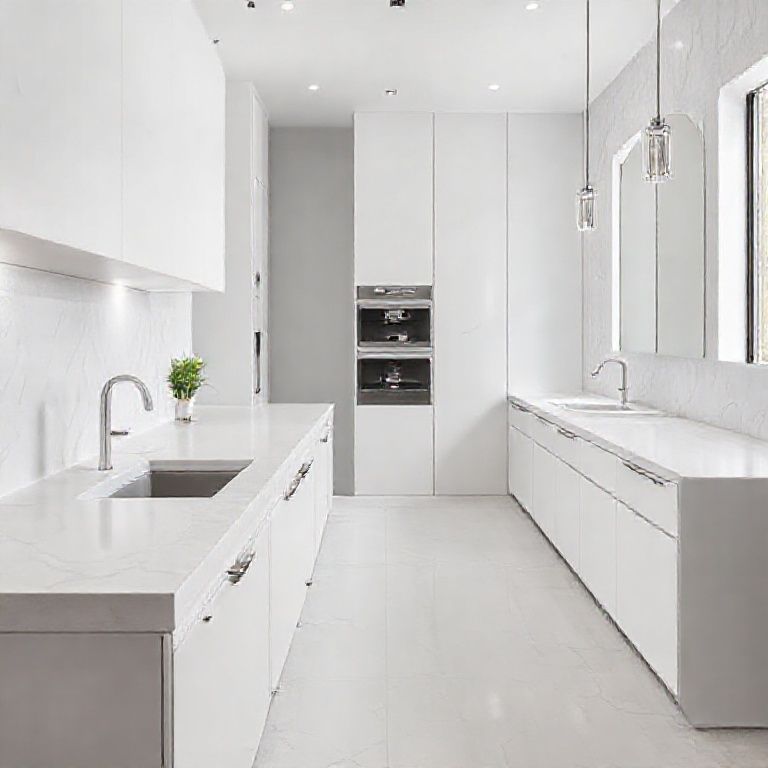
White Granite: White granite offers a pristine, clean look that enhances any kitchen space. Its light color makes it ideal for modern and minimalist designs. While it provides a sleek and elegant appearance, white granite can be more costly due to its demand and the high-quality materials used.
Other Granite Types: Besides the aforementioned types, there are many other variations of granite available, each offering unique veining patterns and colors. Some popular options include:
Gray Granite: Offers a neutral, timeless look. Blue Granite: Known for its unique blue and gray veins. Pink Granite: Provides a soft, romantic touch.
Maintenance Tips for Granite Countertops
Maintaining granite countertops is relatively straightforward but requires regular care to ensure they stay beautiful and functional.
Sealing: Granite countertops need to be sealed periodically to protect them from stains and scratches. The frequency of sealing depends on the level of use and the specific granite type. Typically, it is recommended to seal granite countertops every 12 to 18 months.
Cleaning: Use a soft cloth or non-abrasive sponge to clean granite surfaces. Avoid using harsh chemicals or cleaners that contain bleach, as these can damage the stone. For everyday cleaning, a mild dish soap and water solution is usually sufficient.
Avoiding Abrasives: To maintain the surface of your granite countertops, avoid using abrasive pads, scouring powders, or steel wool. These can scratch and dull the stone.
Immediate Stain Treatment: If a stain does occur, it’s essential to treat it immediately. Use a soft cloth to dab the stain gently and apply a granite-specific cleaner. Avoid rubbing the stain, as this can cause it to spread.
Comparing Granite to Other Countertop Materials
When deciding on the best material for your cabinet countertops, it’s helpful to compare granite with other popular options.
石英(Quartz):
优点:
耐用性: 石英是由纯天然矿物制成的,具有极高的硬度,能够抵抗划痕、撞击和刮擦。 多样性: 石英有丰富的颜色和纹理选择,可以模仿各种天然石材,但通常比天然石材更耐用。 易清洁: 石英台面不会吸收液体,因此易于清洁和维护。 价格: 相比于天然石材,石英的价格通常较为亲民。
缺点:
热敏感: 石英在高温下可能会出现热斑,尽管热斑不会对石英的功能性产生影响,但可能会影响其美观。 重量: 石英台面通常比花岗岩和大理石较轻,但仍需要专业人员进行安装。 大理石(Marble):
优点:
美观: 大理石具有独特的天然纹理和颜色,给人一种奢华和高端的感觉。 手感: 大理石的表面光滑,触感舒适,给人一种高档的使用体验。
缺点:
易划伤: 大理石非常脆,容易被划伤,需要小心处理。 易吸收液体: 大理石需要定期密封,以防止液体吸收,否则会导致色泽变化和腐蚀。 价格: 大理石的价格因其美观和稀有性而可能较高。 不锈钢(Stainless Steel):
优点:
耐用性: 不锈钢具有极高的耐腐蚀性和耐用性,非常适合厨房环境。 易清洁: 不锈钢表面光滑,不易积尘,易于清洁和维护。 现代感: 不锈钢台面给人一种现代、简约的感觉,适合各种风格的厨房设计。
缺点:
容易留下指纹: 不锈钢表面虽然易于清洁,但容易留下指纹和划痕,需要定期抛光。 冷感: 不锈钢触感较冷,可能不适合喜欢温暖触感的人。 复合材料(Composite):
优点:
经济实惠: 通常比天然石材更便宜,但具有类似的外观和质感。 耐用性: 复合材料耐划、耐污,易于清洁和维护。 多样性: 可以模仿各种天然石材的外观。
缺点:
环保问题: 某些复合材料可能含有有害化学物质,需要关注其环保性能。 质感: 虽然外观接近天然石材,但手感和质地可能有所不同。
总结:
选择哪种材料作为厨房台面,需要根据个人需求、预算和厨房设计风格来决定。花岗岩以其耐用性和美观性成为许多人的首选,但也需要定期维护。相比之下,石英和不锈钢提供了更低维护和更多样化的设计选择,而大理石则以其奢华外观吸引高端市场。
无论选择哪种材料,都应该考虑其耐用性、易清洁性、维护要求以及预算等因素。如果有任何具体问题或需要更多建议,欢迎继续提问。