Granite Countertops: The Timeless Elegance
When it comes to countertops, granite stands out as a classic choice, celebrated for its rich, natural beauty and durability. But how does it compare to its modern counterpart, quartz? Let’s dive into the world of granite and understand what makes it a staple in high-end kitchen and bathroom designs.
What is Granite?
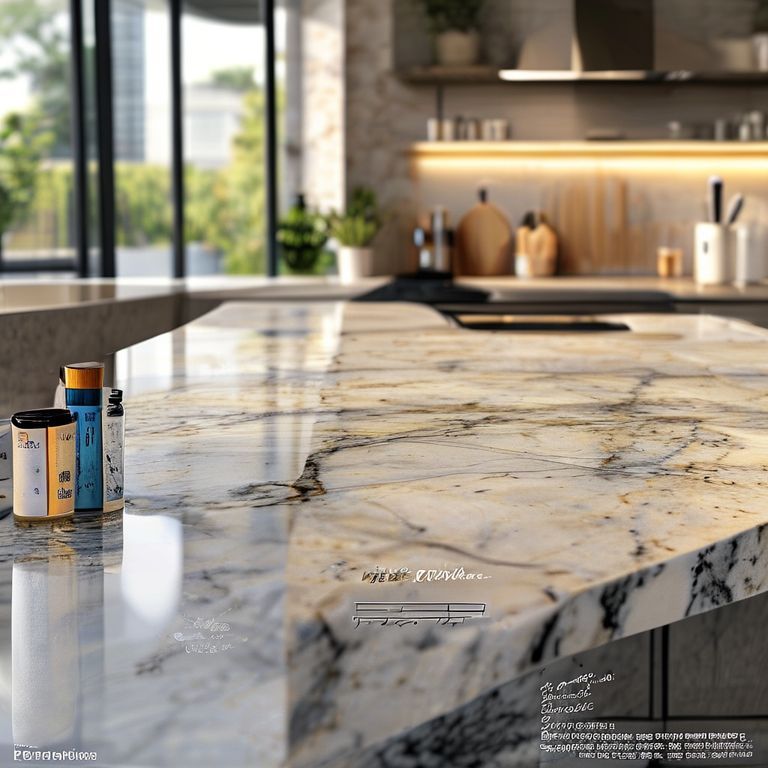
Granite is a natural stone formed from the cooling of magma deep within the earth’s crust. This process results in a composite rock made up of various minerals, including quartz, feldspar, and mica. The beauty of granite lies in its unique color patterns and textures, which are a result of the differing minerals and their distribution within the stone.
The Cost of Granite Countertops
Granite countertops are renowned for their premium appeal, but this comes with a price. The cost of granite countertops typically ranges from $40 to $120 per square foot, depending on the type of granite, its color, and the complexity of the design. Here’s a closer look at the factors influencing the cost:
Types of Granite: There are several types of granite, each offering distinct characteristics. Common varieties include: Black Granite: Known for its rich, dark hues and striking appearance, black granite tends to be on the higher end of the cost spectrum. Red Granite: With its vibrant red color, red granite is popular for creating a bold, dramatic look. White Granite: Offering a clean and classic look, white granite is versatile and suitable for various design styles.
Customization and Design: Custom designs and intricate patterns can significantly increase the cost. Granite can be cut into unique shapes and patterns, but this customization adds to the overall price.
Installation Costs: Professional installation is often required for granite countertops due to their heavy weight and the precision needed for a seamless fit. This additional labor cost can further increase the total expense.
Durability and Maintenance
Granite is highly durable, offering a long lifespan when properly maintained. Its natural hardness makes it resistant to scratches, and it’s less prone to staining compared to many other materials. However, granite is not impervious to acid and can be damaged by acidic substances. Regular sealing is recommended to maintain its pristine appearance.
Advantages of Granite
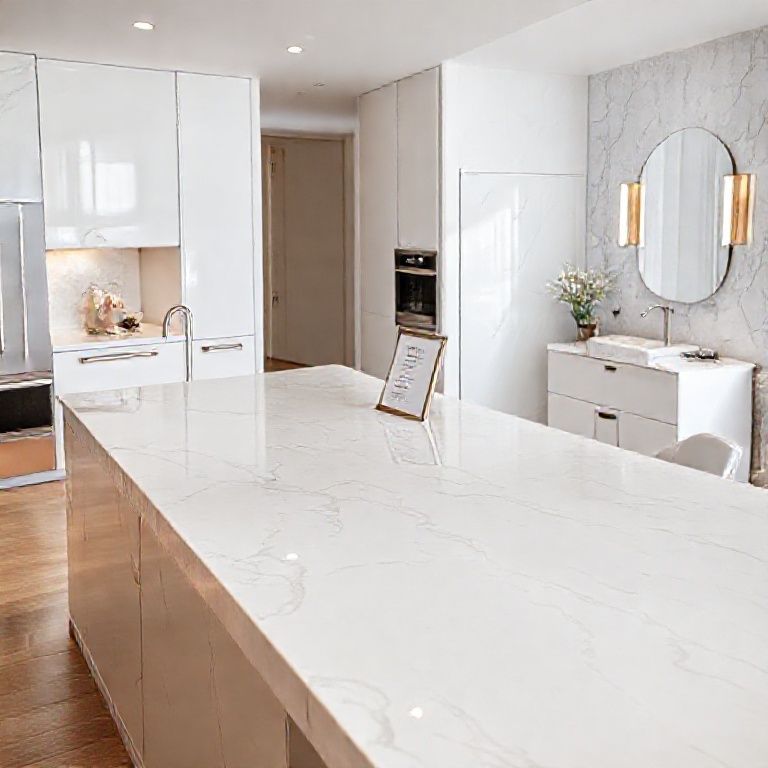
Natural Beauty: The unique patterns and colors found in natural granite provide an unparalleled aesthetic that is unmatched by synthetic materials. Durability: Granite’s natural hardness makes it an excellent choice for high-traffic areas, ensuring it withstands everyday wear and tear. Low Maintenance: While granite does require sealing, its overall low maintenance makes it a practical choice for busy households.
Disadvantages of Granite
Cost: As mentioned, the premium nature of granite translates to a higher price tag. Weight: Granite countertops are heavy, making installation and transportation more challenging compared to lighter alternatives. Staining: Although granite is resistant to staining, it can still be affected by acidic substances, necessitating regular maintenance.
Conclusion
Granite countertops offer timeless elegance and unmatched natural beauty, making them a favorite among those seeking a luxurious and durable surface. However, the cost of this premium material often positions it as a more expensive option compared to other countertop choices. The unique aesthetic and durability come at a price, but for those willing to invest, the results can be nothing short of spectacular.
Quartz Countertops: The Modern Marvel
While granite remains a beloved choice, quartz has emerged as a formidable competitor in the world of countertops. Known for its modern appeal and versatility, quartz offers a compelling alternative. Let’s delve into the specifics of quartz countertops and understand how they measure up against granite in terms of cost, durability, and more.
What is Quartz?
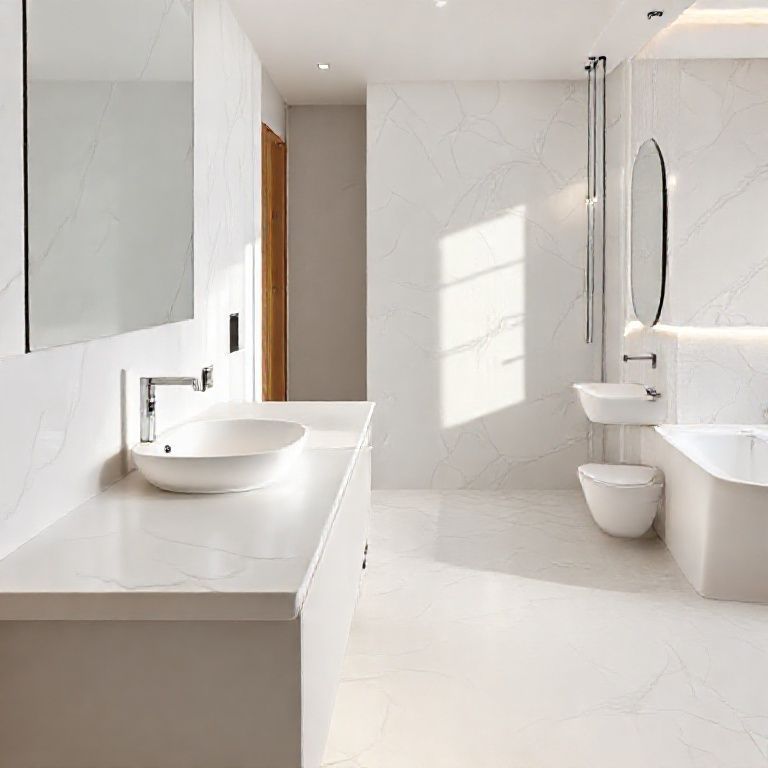
Quartz is a synthetic countertop material made from 90% natural quartz and 10% resin, engineered to mimic the look and feel of natural stone. Developed by the company Silestone, quartz has revolutionized the countertop industry with its durability, versatility, and cost-effectiveness.
The Cost of Quartz Countertops
Quartz countertops are celebrated for their affordability without compromising on style. The cost typically ranges from $20 to $50 per square foot, making them a more budget-friendly option compared to granite. Here’s a closer look at what influences the price:
Design and Patterns: Quartz offers a wide array of colors and patterns, but the complexity of the design does not significantly impact the price. Unlike granite, intricate designs and custom cuts are easier to achieve without a substantial cost increase. Installation: Quartz countertops are lighter and easier to install compared to granite. This reduces labor costs and makes them a more accessible option for DIY enthusiasts.
Durability and Maintenance
One of the standout features of quartz countertops is their exceptional durability. Quartz is resistant to scratches, stains, and heat, making it an ideal choice for both kitchens and bathrooms. Here’s a closer look at its durability and maintenance:
Scratch Resistance: Quartz is highly resistant to scratches, making it suitable for households with children and pets. Its surface is smooth and non-porous, preventing stains from embedding. Heat Resistance: Quartz can withstand high temperatures, making it perfect for areas where pots and pans are frequently placed on the stove. Low Maintenance: Unlike granite, quartz does not require sealing. Its non-porous surface ensures that spills and stains do not penetrate, making it easy to clean and maintain.
Advantages of Quartz
Affordability: Quartz offers a cost-effective alternative to granite, allowing for a beautiful and durable countertop without breaking the bank. Durability: The high-quality resin used in quartz ensures that it can withstand everyday wear and tear, providing a long-lasting surface. Design Versatility: With a wide range of colors and patterns, quartz allows for endless design possibilities, catering to various aesthetic preferences. Easy Maintenance: The non-porous surface of quartz makes it easy to clean and maintain, requiring minimal effort to keep it looking pristine.
Disadvantages of Quartz
Heat Discoloration: While quartz is highly heat resistant, prolonged exposure to high heat can cause discoloration over time. It’s important to use trivets or heat-resistant pads to prevent this. Weight: Although lighter than granite, quartz countertops are still heavier than some other synthetic options, making installation more challenging.
Conclusion
Quartz countertops have revolutionized the countertop industry with their blend of affordability, durability, and design versatility. While they may not offer the same natural beauty as granite, their modern appeal and low maintenance make them an attractive option for many homeowners. The cost-effectiveness and ease of installation further enhance their appeal, making quartz a compelling choice for those looking to invest in a high-quality, low-maintenance countertop.
Final Thoughts: Granite vs. Quartz
When deciding between granite and quartz countertops, it’s essential to consider your budget, design preferences, and maintenance requirements. Granite offers timeless elegance and unmatched natural beauty, but it comes at a higher cost and requires more maintenance. Quartz, on the other hand, provides a modern, affordable, and low-maintenance alternative that doesn’t compromise on durability.
Ultimately, the choice between granite and quartz comes down to personal preference and practical considerations. By understanding the unique benefits and drawbacks of each material, you can make an informed decision that best suits your needs and enhances the beauty and functionality of your kitchen or bathroom.
In conclusion, both granite and quartz have their unique advantages and are suitable for different types of renovation projects. Whether you’re leaning towards the timeless elegance of granite or the modern marvel of quartz, understanding the cost, durability, and maintenance of each material will help you make the best choice for your home.