Part 1
Understanding the Basics
When it comes to kitchen and bathroom renovations, one of the most crucial decisions you’ll make is selecting the right countertop material. Among the myriad options available, man-made stone and quartz countertops are two of the most popular choices. Each brings unique advantages and disadvantages, and understanding these can help you choose the material that best fits your needs.
Material Properties
Man-Made Stone Countertops
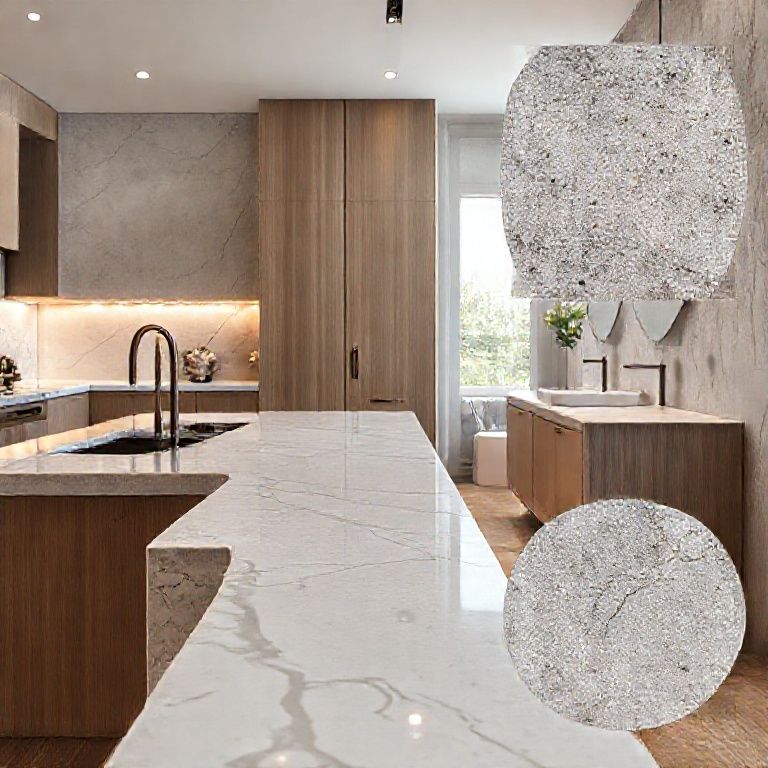
Man-made stone, often referred to as cultured stone, is a composite material made from a blend of natural stone powders (like limestone or marble), resin, and pigments. This blend is then pressed and cured to form solid, stone-like surfaces.
Advantages:
Aesthetic Versatility: Man-made stone comes in a wide array of colors and finishes, mimicking various natural stones like granite and marble. Texture and Finish: The surface can be customized to achieve a variety of textures, from smooth and polished to rugged and natural. Cost-Effective: Generally more affordable than natural stone, making it an accessible option for many homeowners.
Disadvantages:
Less Durable: While man-made stone is robust, it is not as hard as natural stone, making it more susceptible to scratching and staining. Warping: If not properly cured, man-made stone can warp or crack under extreme heat or pressure.
Quartz Countertops
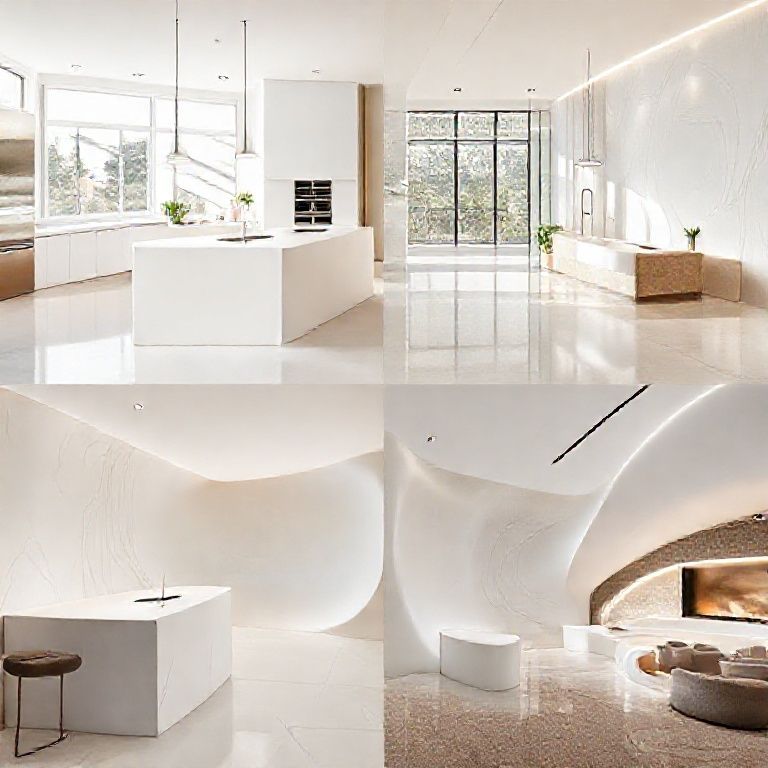
Quartz, a product of the Italian company Marazzi, is a composite material made from 93% natural quartz aggregates and 7% resin. This material is then manufactured using high-pressure and temperature processes.
Advantages:
Extreme Durability: Quartz is one of the hardest materials available, making it highly resistant to scratches, stains, and heat. Low Maintenance: Its non-porous nature means it doesn’t absorb liquids, making cleaning effortless. Aesthetic Range: Quartz offers a broad spectrum of colors and textures, capable of mimicking virtually any natural stone or even creating entirely unique designs.
Disadvantages:
Cost: While the material is more expensive than man-made stone, the long-term benefits often justify the initial investment. Installation: Quartz countertops require professional installation to ensure the seams are properly sealed.
Durability and Longevity
Man-Made Stone Countertops
Durability is a critical consideration for any countertop material. Man-made stone generally ranks lower in terms of hardness and durability compared to natural stone. However, advancements in manufacturing have significantly improved its resilience.
Pros:
Affordability: More budget-friendly than natural stone, making it a popular choice for homeowners looking to save. Resilience: Despite being less hard, man-made stone is more durable than some other composite materials.
Cons:
Susceptibility to Scratches: While less prone to scratching than traditional stone, man-made stone can still show marks from heavy use or improper cleaning. Longevity: Over time, man-made stone can lose its luster and may require resurfacing to maintain its appearance.
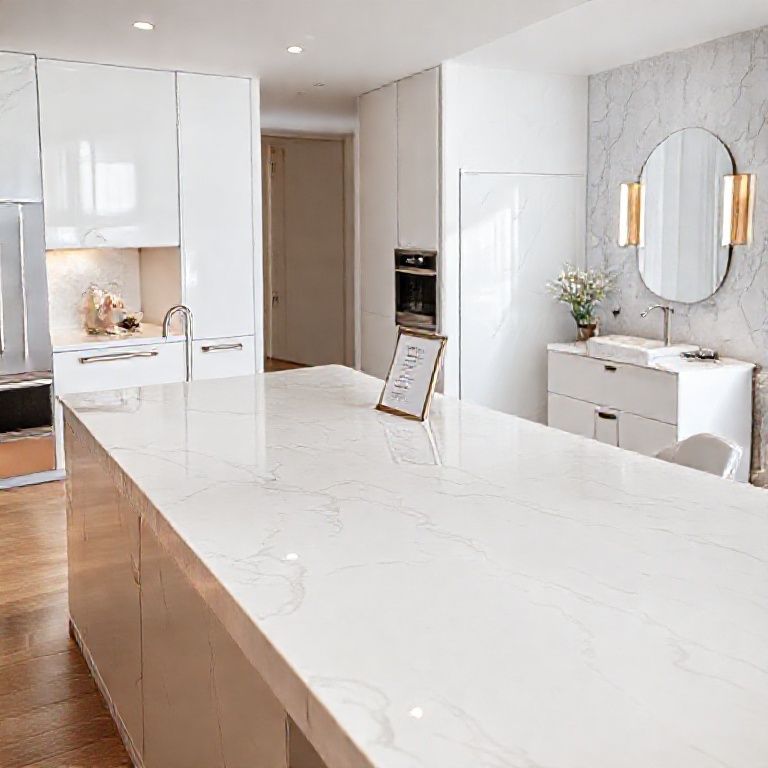
Quartz Countertops
Quartz stands out for its exceptional durability and long-term resilience.
Pros:
Hardness: Quartz is nearly indestructible. It is rated a 7 on the Mohs scale of hardness, making it highly resistant to scratches, stains, and heat. Longevity: With proper care, quartz countertops can last for decades without significant wear and tear.
Cons:
Initial Cost: The high-quality nature of quartz means it comes with a higher price tag. Installation: The material’s hardness requires professional installation to ensure proper sealing of seams.
Maintenance and Care
Man-Made Stone Countertops
Man-made stone countertops, while more durable than some other composite materials, still require some upkeep.
Pros:
Relatively Low Maintenance: Man-made stone is relatively easy to clean compared to natural stone. A simple wipe-down with a mild soap and water solution can usually suffice. Affordable Cleaning Products: There are many affordable cleaning products specifically designed for man-made stone that can maintain its appearance without breaking the bank.
Cons:
Stains: While easier to clean than natural stone, man-made stone can still stain if not properly cared for. Acidic substances like lemon juice can etch the surface over time. Warping: Improper curing can lead to warping, which may require professional repair.
Quartz Countertops
Quartz countertops are renowned for their low maintenance requirements.
Pros:
Non-Porous Surface: The non-porous nature of quartz means it doesn’t absorb spills, making it incredibly easy to clean. A simple wipe-down with a damp cloth and mild soap is usually sufficient. Stain Resistance: Quartz is highly resistant to stains, acids, and scratches, ensuring that your countertop maintains its pristine appearance over time.
Cons:
Cleaning Products: While quartz is low maintenance, using non-abrasive cleaning products is recommended to avoid any potential scratching. Professional Cleaning: For deep cleaning or special treatments, professional cleaning services are advisable to ensure the longevity of the surface.
Aesthetic Appeal
Man-Made Stone Countertops
Man-made stone offers a remarkable degree of customization in terms of color, texture, and finish.
Pros:
Versatility: Man-made stone can be crafted to mimic virtually any natural stone, allowing for a highly personalized aesthetic. Design Flexibility: The material can be tailored to create unique designs, patterns, and finishes that can complement various interior styles.
Cons:
Surface Wear: Over time, the surface may show wear and require resurfacing to maintain its original appearance. Color Fading: Some colors may fade or change over time due to exposure to sunlight and other environmental factors.
Quartz Countertops
Quartz countertops are celebrated for their sleek, modern look and ability to replicate natural stone aesthetics.
Pros:
Durable Aesthetics: Quartz maintains its appearance over time, ensuring that your countertop looks as good as new for years to come. Innovative Designs: Quartz offers a wide range of colors, patterns, and finishes, from traditional stone looks to bold, contemporary designs.
Cons:
High-End Look: The premium look of quartz may not suit all budgets, especially for those seeking more affordable options. Installation Dependency: The material’s hardness necessitates professional installation to ensure proper sealing and longevity.
Conclusion
Choosing between man-made stone and quartz countertops ultimately boils down to your specific needs, preferences, and budget. Man-made stone offers a versatile, budget-friendly option with a wide range of aesthetic possibilities, though it requires some maintenance and may not last as long as quartz. On the other hand, quartz provides unparalleled durability, low maintenance, and a stunning, long-lasting appearance, though it comes at a higher initial cost.
Both materials have their unique strengths and can significantly enhance the look and functionality of your kitchen or bathroom. By understanding their properties, durability, maintenance requirements, and aesthetic appeal, you can make an informed decision that aligns with your vision and lifestyle.
In-Depth Comparison and Decision-Making
In this second part of our comprehensive guide, we’ll delve deeper into the intricate details that will help you make an informed decision when choosing between man-made stone and quartz countertops for your kitchen or bathroom renovation.
Installation and Professional Services
Man-Made Stone Countertops
Installation of man-made stone countertops typically involves a few straightforward steps, but there are some nuances that homeowners should be aware of.
Pros:
Ease of Installation: Man-made stone is generally easier to install than natural stone, often requiring only basic cutting and sealing. Customization: The material can be easily cut to fit various spaces, and professional services can assist with intricate designs.
ConsCons:
Professional Expertise Needed: While installation is manageable, professional expertise is recommended to ensure that the seams are properly sealed, which can prevent potential issues like warping or cracking. Handling: Given its composite nature, man-made stone can sometimes be more brittle than natural stone, requiring careful handling during installation.
Quartz Countertops
Quartz countertops demand a higher level of precision during installation due to their hardness and the need for proper sealing.
Pros:
Precision Installation: Professional installers can ensure that the seams are perfectly sealed, which is crucial for maintaining the integrity of the material. Long-Lasting Bond: The high-pressure and temperature manufacturing process ensures that quartz pieces bond together seamlessly, providing a durable and seamless look.
Cons:
Specialized Installation: Due to its hardness, quartz countertops require specialized tools and techniques for installation, which means professional services are almost always necessary. Cost: The cost of professional installation can add to the overall expense of the project.
Long-Term Benefits and Cost Efficiency
Man-Made Stone Countertops
While man-made stone is more affordable upfront, its longevity and maintenance can affect its long-term cost-efficiency.
Pros:
Budget-Friendly: The lower initial cost makes man-made stone an attractive option for those on a tight budget. Affordable Maintenance: Routine maintenance, such as cleaning and minor repairs, is generally less expensive than for more durable materials.
Cons:
Resurfacing Costs: Over time, man-made stone may require resurfacing or replacement, which can be costly. Durability: While more durable than some composite materials, man-made stone still may not last as long as quartz or natural stone, potentially leading to higher long-term expenses.
Quartz Countertops
Quartz countertops offer significant long-term benefits that often justify their higher initial cost.
Pros:
Durability: The extreme hardness and non-porous nature of quartz ensure a long-lasting countertop that requires minimal maintenance. Value Retention: Because of its durability and low maintenance, quartz countertops often retain their value well over time.
Cons:
High Initial Cost: The upfront cost of quartz countertops is higher, which can be a barrier for some homeowners. Replacement Cost: While quartz is durable, replacing damaged pieces or the entire countertop can still be expensive.
Environmental Impact and Sustainability
Man-Made Stone Countertops
Man-made stone is often seen as a more sustainable option compared to natural stone, but there are still some considerations.
Pros:
Reduced Environmental Impact: Manufacturing man-made stone uses less water and energy than extracting and processing natural stone. Recyclability: The materials used in man-made stone can often be recycled, reducing waste.
Cons:
Chemical Use: The manufacturing process can involve the use of resins and other chemicals, which may raise environmental and health concerns. Resource Use: The production process still requires natural resources, though to a lesser extent than natural stone extraction.
Quartz Countertops
Quartz countertops also offer sustainability benefits, though they come with their own set of considerations.
Pros:
Minimal Environmental Impact: The manufacturing process for quartz is highly efficient and produces minimal waste. Durability: The long lifespan of quartz means fewer replacements are needed, reducing the environmental impact over time.
Cons:
Energy-Intensive Production: The high-pressure and temperature manufacturing process for quartz is energy-intensive, which can have a significant environmental footprint. Material Sourcing: The extraction and processing of quartz aggregates still require natural resources.
Final Decision-Making Factors
Budget
When considering budget, it’s essential to weigh the initial cost against the long-term benefits and maintenance costs of each material. While man-made stone is more affordable upfront, quartz’s durability and low maintenance can make it more cost-effective over time.
Durability
Durability is a critical factor in countertop selection. Quartz’s extreme hardness and resistance to scratches, stains, and heat make it a superior choice for high-traffic areas. Man-made stone, while durable, may not match quartz in these aspects.
Maintenance
Maintenance is another crucial consideration. Man-made stone is relatively easy to clean, but it requires regular upkeep to prevent staining and warping. Quartz’s non-porous surface makes it incredibly easy to clean, requiring minimal effort to maintain its pristine appearance.
Aesthetics
Both materials offer impressive aesthetic versatility. Man-made stone can mimic a wide range of natural stones, offering creative freedom in design. Quartz provides a sleek, modern look with a broad spectrum of colors and patterns, capable of both traditional and contemporary designs.
Installation and Professional Services
Professional installation is essential for both materials to ensure longevity and appearance. Man-made stone is easier to install but requires professional expertise to seal seams properly. Quartz demands specialized installation due to its hardness but offers long-lasting results with professional handling.
Conclusion
Choosing between man-made stone and quartz countertops involves weighing various factors including budget, durability, maintenance, aesthetics, and environmental impact. Man-made stone offers a versatile, budget-friendly option with a wide range of aesthetic possibilities but requires some maintenance and may not last as long as quartz. Quartz provides unparalleled durability, low maintenance, and a stunning, long-lasting appearance, though it comes at a higher initial cost.
Ultimately, the decision will depend on your specific needs, preferences, and budget. Both materials can significantly enhance the look and functionality of your kitchen or bathroom, and understanding their unique properties and benefits will help you make an informed choice that aligns with your vision and lifestyle.