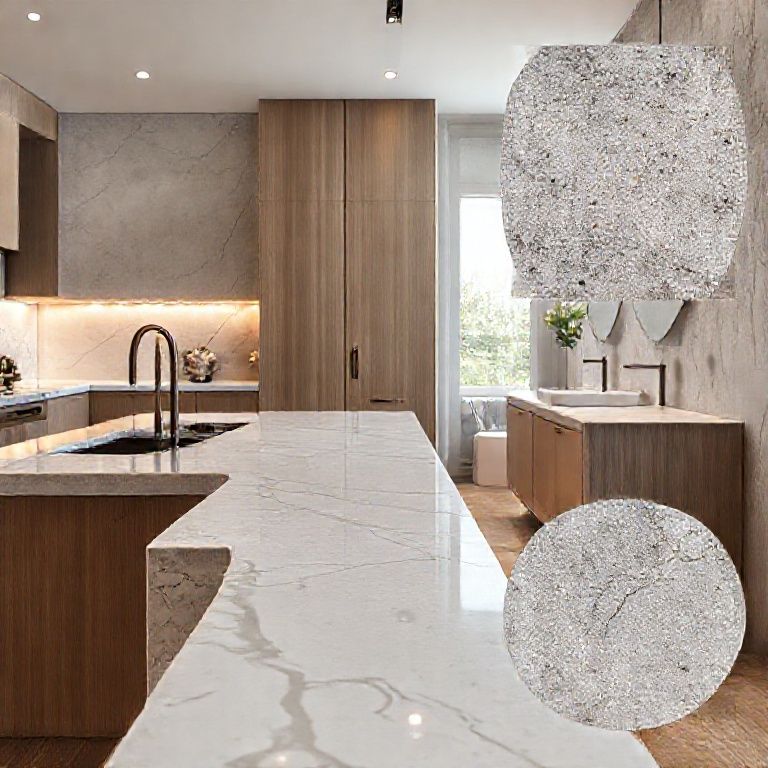
The Ultimate Guide to Choosing Between Quartz and Granite Countertops for Your Home
When it comes to selecting the perfect countertop for your kitchen or bathroom, the choices are abundant, but two of the most popular materials today are quartz and granite. Both materials bring a distinct set of benefits that cater to different preferences and budgets. Let’s explore the unique characteristics, advantages, and considerations of each to help you make an informed decision.
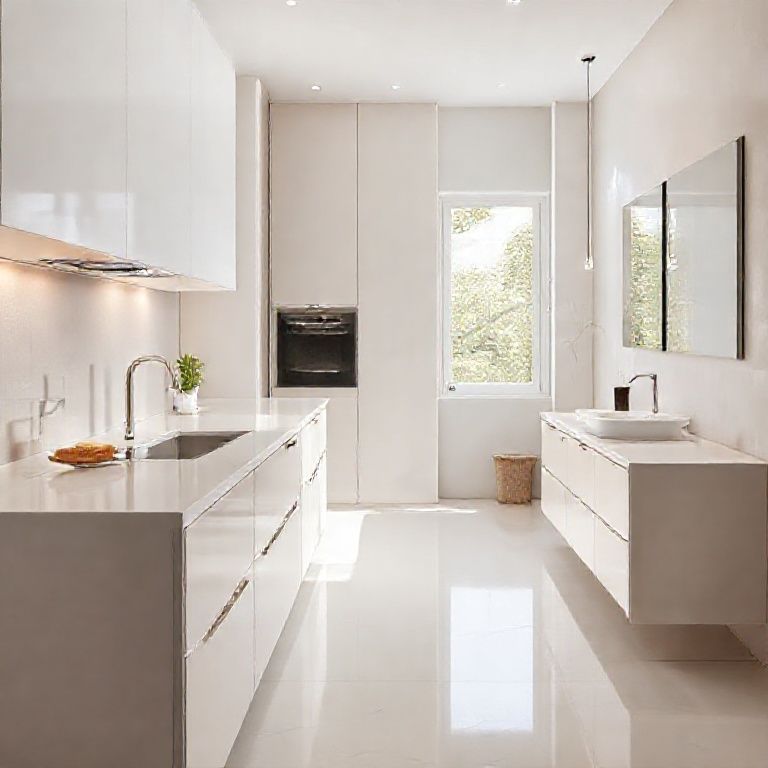
Quartz Countertops: The Modern Marvel
Durability and Maintenance Quartz countertops are renowned for their impressive durability. Composed of 93% pure quartz by weight, these surfaces are highly resistant to scratches, stains, and heat. Unlike granite, which can be prone to staining from acidic foods and beverages, quartz maintains its pristine appearance effortlessly. Additionally, quartz surfaces are impervious to bacteria, making them easy to clean and hygienic for food preparation.
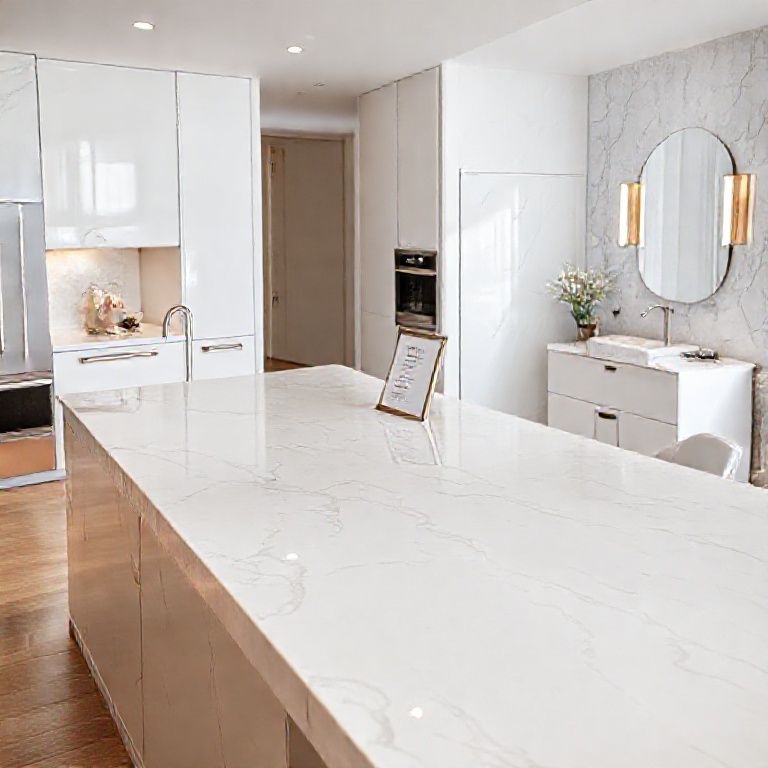
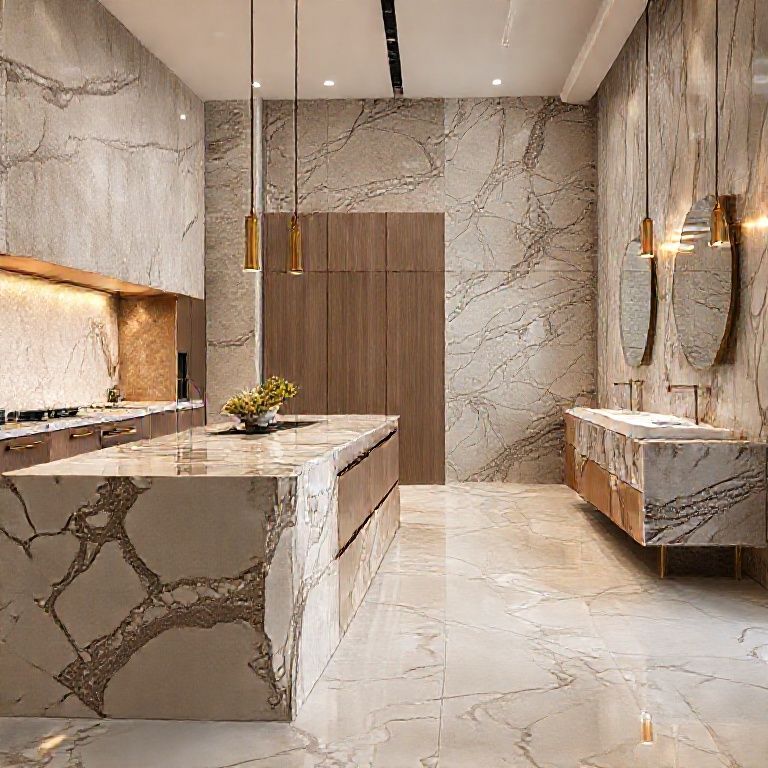
Design Versatility One of quartz’s standout features is its versatility in design. Quartz countertops come in a vast array of colors, patterns, and textures, allowing for limitless customization. From classic marble looks to bold geometric designs, you can find a quartz slab that matches or even exceeds your most creative vision. Whether you’re aiming for a sleek, minimalist look or a rich, intricate design, quartz offers endless possibilities.
Cost-Effectiveness For those looking to invest in high-quality countertops without breaking the bank, quartz often proves to be a more cost-effective option compared to granite. The cost of quartz can vary widely based on the design and inlays, but it typically falls within a more accessible price range. This makes quartz an attractive choice for homeowners who want premium quality at a reasonable price.
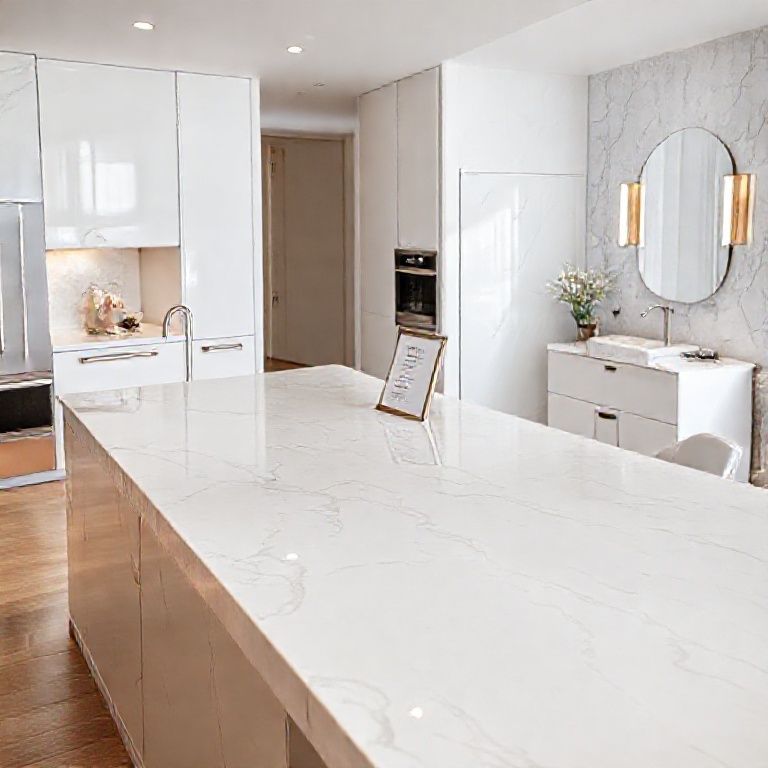
Installation and Versatility Quartz countertops are relatively easy to install, often requiring fewer cutting and fitting adjustments compared to granite. This straightforward installation process can save both time and money. Furthermore, quartz is versatile enough to be used in various applications beyond traditional kitchen and bathroom countertops, such as bar tops, vanities, and even outdoor furniture.
Granite Countertops: The Classic Choice
Unmatched Strength Granite is celebrated for its extraordinary strength and durability. Made from a natural stone, granite is composed of minerals that form a dense and robust structure, making it highly resistant to scratches, cuts, and thermal shock. This means granite countertops can withstand heavy usage and maintain their appearance over many years, making them a long-term investment for your home.
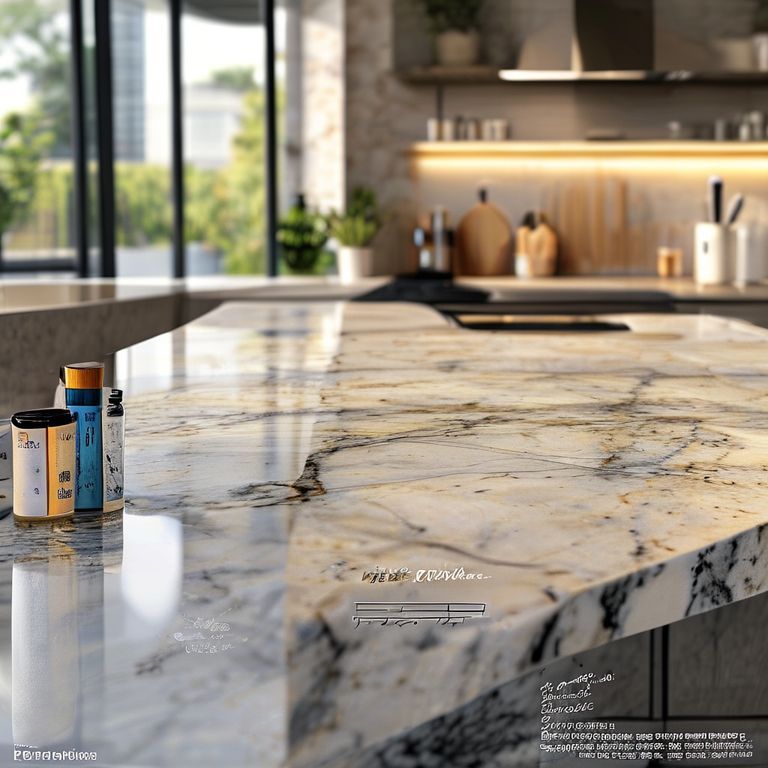
Aesthetic Appeal Granite countertops boast a natural, timeless beauty that is difficult to replicate. With its unique veining and coloration, each granite slab is one-of-a-kind, offering a natural and luxurious aesthetic that adds significant value to any space. Whether you prefer a classic, earthy look or a modern, sleek finish, granite provides a rich, tactile surface that enhances the overall ambiance of your home.
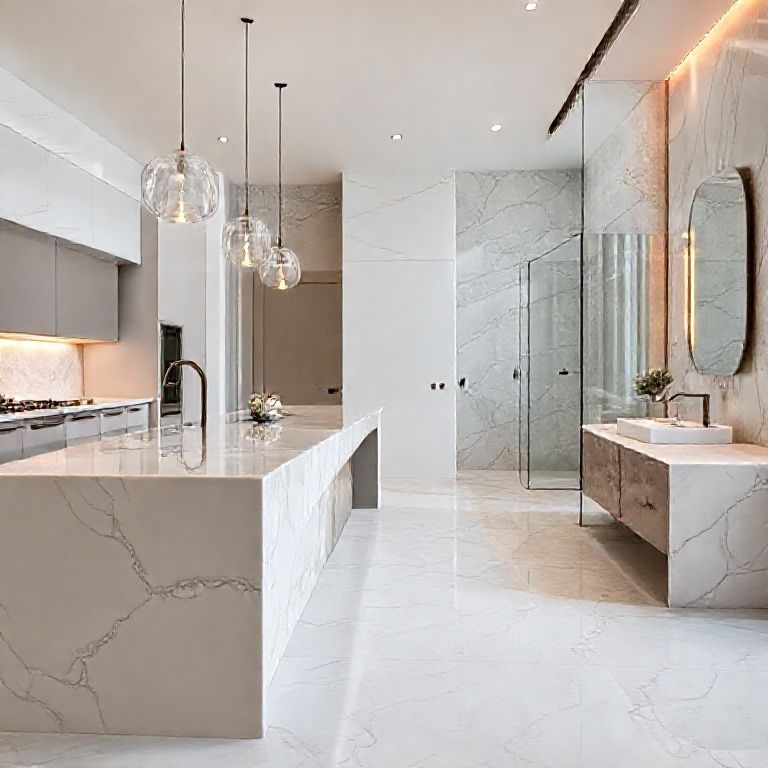
Heat Resistance One of the standout features of granite is its superior heat resistance. Unlike quartz, which can sometimes warp under intense heat, granite maintains its integrity and appearance even when exposed to high temperatures. This makes granite an excellent choice for kitchens where cooking and baking are frequent activities.
Maintenance While granite countertops are generally low-maintenance, they do require some care to maintain their natural beauty. Regular cleaning with a mild soap and water solution is recommended, and it’s important to use a granite-specific sealant periodically to protect the surface from stains and scratches. Despite these minor maintenance requirements, the effort is minimal compared to the visual and functional benefits granite provides.
Making the Decision: Quartz vs Granite
When choosing between quartz and granite, it’s essential to consider your specific needs, preferences, and lifestyle. Here are a few factors to keep in mind:
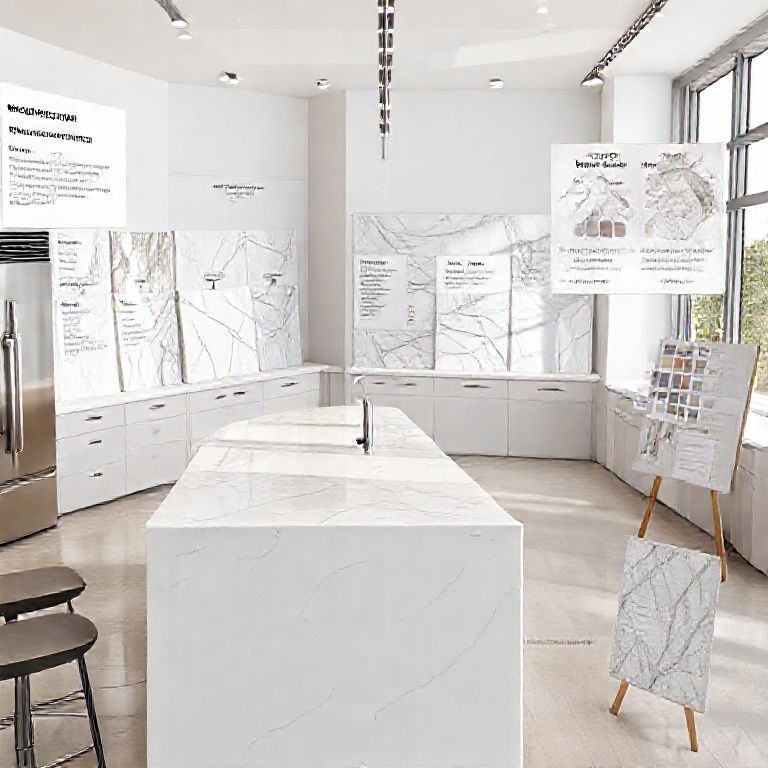
Budget If budget is a significant consideration, quartz might be the more accessible option due to its typically lower cost. However, if you’re willing to invest more for a superior material, granite offers unmatched durability and aesthetic appeal.
Maintenance Quartz countertops require less maintenance, with their stain-resistant and antibacterial properties making them easier to keep clean. Granite, on the other hand, requires periodic sealing to maintain its beauty and protection.
Design Preferences If design versatility and customization are top priorities, quartz is the clear winner. Its ability to mimic various materials and styles makes it a popular choice for contemporary and innovative designs. Granite, while offering natural beauty, is more about the unique aesthetic that comes with its natural stone characteristics.
Long-Term Durability Granite’s natural stone composition provides unmatched longevity and strength, making it a wise choice for those looking for a long-term, robust countertop. Quartz also offers excellent durability, but its synthetic nature means it might not match granite’s longevity in every scenario.
The Ultimate Guide to Choosing Between Quartz and Granite Countertops for Your Home (Continued)
Building on the first part of our comprehensive guide, we continue to explore the unique features and benefits of quartz and granite countertops. Here, we will delve deeper into the installation process, maintenance routines, and specific use cases to help you make the best choice for your home.
Installation: Ease and Efficiency
Quartz Countertops The installation of quartz countertops is typically straightforward and can often be completed with minimal adjustments. Quartz slabs are manufactured to precise measurements, allowing for easy installation even in tight spaces. Most quartz countertops can be installed using standard adhesive methods, and they often come with a backer board to provide added support and stability. This simplicity in installation means fewer disruptions during the renovation process and a quicker turnaround time.
Granite Countertops In contrast, granite countertops often require more precise fitting due to their natural stone nature. Granite slabs are thicker and heavier, necessitating careful handling and sometimes custom cutting to fit your space perfectly. While the installation process can be more labor-intensive, professional installers ensure that the granite countertops are securely and neatly fitted to your existing cabinetry and surfaces. The result is a seamless and professional finish that enhances the overall aesthetics of your space.
Maintenance: Keeping Your Countertops Looking Their Best
Quartz Countertops Maintenance of quartz countertops is relatively low-effort, thanks to their non-porous surface. Regular cleaning with a mild soap and water solution is usually sufficient to keep quartz surfaces looking pristine. For tougher spots or spills, a quartz-specific cleaner can be used. Since quartz is not prone to staining or warping, it requires minimal upkeep. Additionally, its antibacterial properties mean that it naturally resists the growth of bacteria and mold, making it an excellent choice for kitchens and bathrooms.
Granite Countertops Granite countertops, on the other hand, require periodic maintenance to preserve their natural beauty and protect against stains and scratches. After cleaning with a mild soap and water solution, it’s important to apply a granite-specific sealant every six months to a year. This sealant forms a protective barrier that helps to repel stains and enhance the natural color of the granite. While this requires a bit more effort, the result is a countertop that maintains its striking appearance for years to come.
Specific Use Cases: Where Quartz and Granite Shine
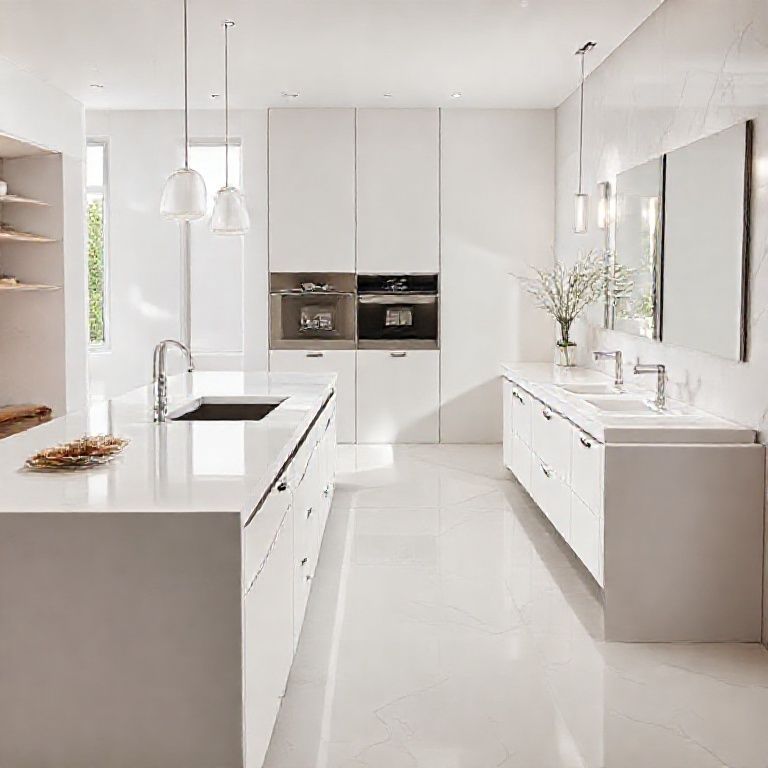
Quartz in Kitchens Quartz countertops are an excellent choice for modern kitchens where style and functionality meet. Their stain resistance, durability, and design versatility make them ideal for high-traffic areas where spills and stains are common. Quartz can be used in a variety of kitchen layouts, from open-concept designs to traditional setups, and its ability to mimic different materials means it can blend seamlessly with various kitchen styles and themes.
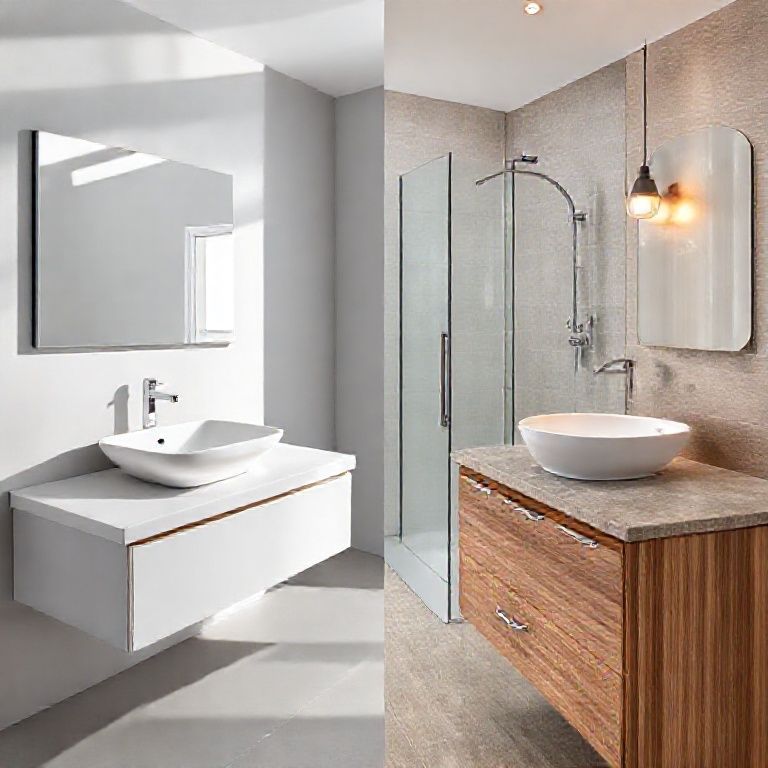
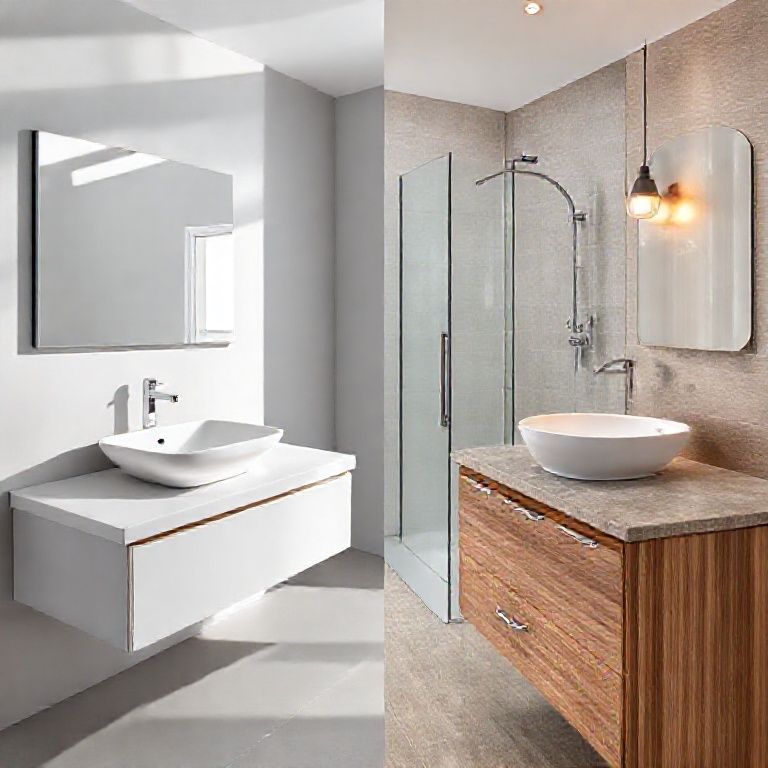
Granite in Bathrooms Granite countertops are perfect for bathrooms where natural stone aesthetics are desired. The unique veining and coloration of granite add a touch of luxury and warmth to bathroom spaces, making it an excellent choice for sinks, vanities, and even shower enclosures. Granite’s heat resistance and durability also make it a suitable option for bathroom countertops, where it can withstand daily use and moisture exposure.
Quartz for Outdoor Spaces Beyond indoor applications, quartz’s durability and resistance to weather elements make it an excellent choice for outdoor spaces. From patios to outdoor kitchens, quartz countertops can handle the elements while maintaining their pristine appearance. This versatility means that quartz can be used in various outdoor projects, providing a durable and stylish surface that complements outdoor living areas.
Granite for Commercial Spaces Granite’s robustness and aesthetic appeal make it a popular choice for commercial spaces such as restaurants, cafes, and office lobbies. Its ability to withstand heavy use and its unique, natural beauty make granite a preferred material for areas where durability and appearance are paramount. Commercial kitchens and reception areas benefit greatly from the long-lasting and impressive nature of granite countertops.
Conclusion: The Perfect Match for Your Space
环保和健康因素
石英石: 石英石是一种合成材料,由90%以上的纯天然石英和少量的树脂和填料混合而成。由于其主要成分是天然石英,石英石台面在制造过程中不会释放有害化学物质,因此对家庭健康比较友好。石英石制造商通常会提供室内空气质量认证,证明其产品的环保性。
人造石: 人造石(或称大理石复合石)通常由天然石材(如大理石、花岗岩等)粉末、树脂和其他添加剂混合而成。虽然大多数人造石材的制造过程中使用的化学添加剂已经适度控制,但某些低质量的产品可能会释放微量的有害物质。因此,选择高质量的人造石台面时,仍需注意其环保认证。
耐用性和耐热性
石英石: 石英石以其卓越的耐用性和耐热性著称。由于其纯度高,石英石不易受到酸碱污渍的影响,抗刮擦、抗污渍,因此非常适合厨房和其他高频使用的区域。石英石的耐热性也非常好,能够承受高温炊具的直接放置,不会出现热斑或者热裂。
人造石: 人造石的耐用性和耐热性也相当不错,但与石英石相比,人造石在耐热性和耐刮擦方面可能稍逊一筹。部分人造石在高温下可能会出现轻微变形或热斑,因此在使用时需要注意。不过,高质量的人造石也有很好的耐用性,只是在特定条件下可能需要更多的保养。
成本和价格
石英石: 石英石的成本相对较高,因其采用了高质量的原材料和复杂的制造工艺。但是,由于其高耐用性和低维护成本,石英石在长期使用中可能会比一些低成本材料更具经济效益。石英石的价格随着设计复杂度和颜色的多样性而波动,高端定制石英石台面价格可能更高。
人造石: 人造石的价格相对更为亲民,因其制造成本较低。对于预算有限的消费者来说,人造石是一个不错的选择。需要注意的是,价格低廉的人造石可能在耐用性和质量上有所欠缺,因此在选择时需仔细评估产品的整体性能。
安装和维护
石英石: 石英石台面安装相对简单,可以使用标准的胶水和支撑框架。由于其表面光滑且不易粘附污渍,石英石的维护也相对容易。每隔一段时间只需用中性清洁剂进行简单的清洁和保养即可。
人造石: 人造石台面的安装与石英石类似,也可以使用标准的胶水和支撑框架。由于人造石的表面可能会有细微的纹理,清洁时需要更加小心,以免刮花表面。对于一些高端的人造石,其耐用性和表面处理可能与石英石相当,但总体而言,人造石的维护成本可能会高于石英石。
个性化和设计
石英石: 石英石提供了极大的设计灵活性,可以模仿各种天然石材和木材的外观,同时还能创造出独特的图案和颜色。消费者可以根据自己的喜好和设计需求,选择不同的设计和颜色,从而打造独一无二的台面。
人造石: 人造石也具有一定的设计灵活性,但其模仿天然石材的能力可能不如石英石。高端的人造石可以达到非常逼真的效果,但总体来说,设计选择可能会受到原材料和制造工艺的限制。
总结
石英石和人造石各有优缺点,选择哪种材料需要根据自身的需求和预算来决定。石英石以其卓越的耐用性、耐热性和环保性受到许多消费者的青睐,适合追求高品质生活的人士。而人造石则以其相对较低的成本和设计灵活性吸引了大量消费者,适合预算有限但又希望拥有高质量台面的家庭。
无论选择哪种材料,最终的选择还是应根据具体的使用环境、个人喜好和长期维护成本来综合考虑。