The Ultimate Guide to Choosing High-Quality Stone Material for Kitchen Stovetops
Introduction
The kitchen stovetop is a central element in any home, where daily cooking happens, and it’s essential to choose a material that is not only functional but also aesthetically pleasing. Stone materials have long been favored for kitchen countertops due to their durability, natural beauty, and resistance to heat and stains. In this first part of our guide, we will explore the most popular types of stone materials for kitchen stovetops and the factors that make them stand out.
Types of Stone Materials
Granite
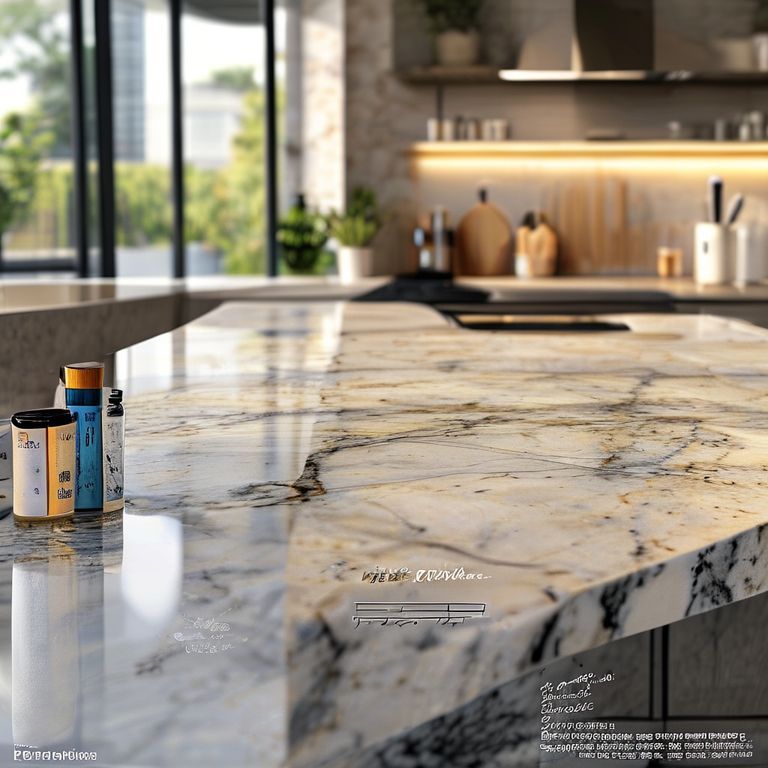
Granite is one of the most popular choices for kitchen stovetops due to its impressive durability and aesthetic appeal. Originating from natural volcanic rock formations, granite comes in a myriad of colors and patterns, offering endless design possibilities.
Durability: Granite’s hardness makes it resistant to scratches, dents, and thermal shock, which is crucial for a stovetop that will endure daily use.
Maintenance: While granite is relatively low-maintenance, it does require sealing periodically to protect its surface from stains and acidic spills.
Heat Resistance: Granite’s ability to withstand high temperatures makes it an excellent choice for stovetops that are frequently exposed to cooking heat.
Quartz
Quartz is a relatively newer material in the world of stone countertops but has quickly gained popularity due to its superior qualities.
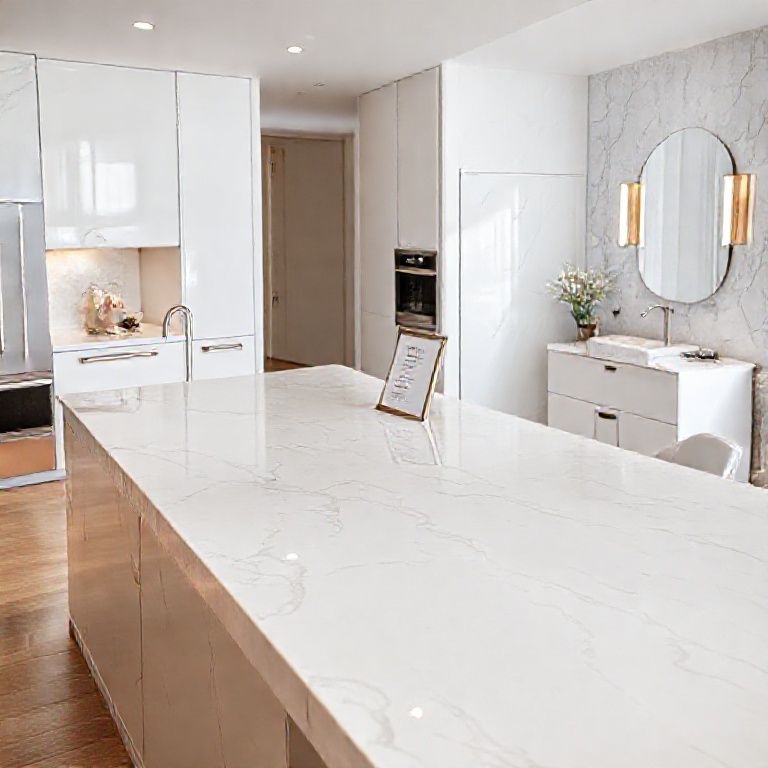
Durability: Quartz is engineered from 90% natural stone and 10% resin, making it extremely durable and resistant to scratches, stains, and heat.
Maintenance: Quartz is virtually maintenance-free. It doesn’t require sealing, and its non-porous surface ensures that spills and stains don’t penetrate the material.
Aesthetics: Quartz offers an extensive range of colors, patterns, and finishes, allowing for a high degree of customization and design flexibility.
Marble
Marble is a luxurious stone known for its beautiful veining and texture. It’s often chosen for those looking for an elegant and sophisticated look in their kitchen.
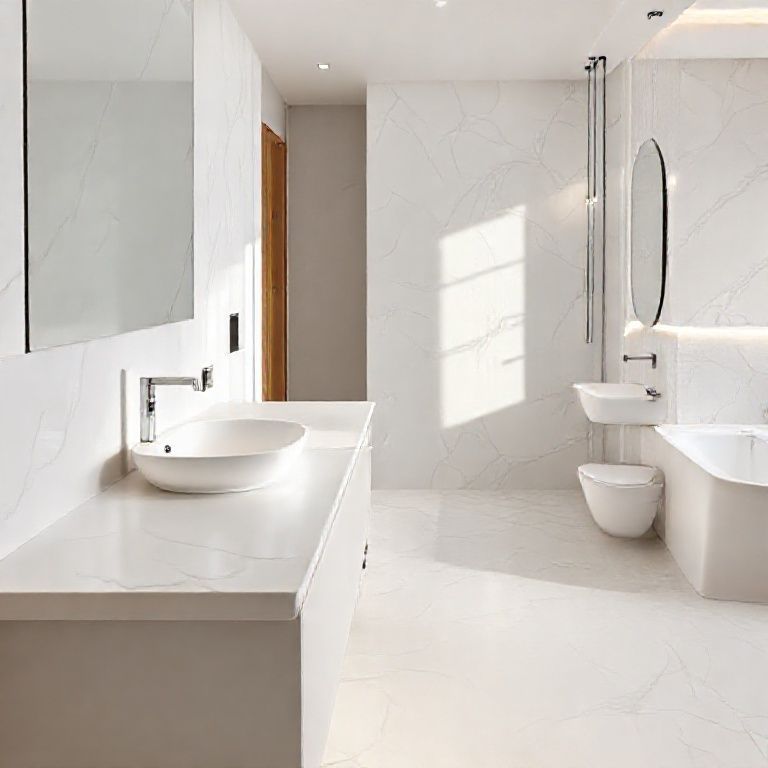
Durability: Marble is relatively soft compared to other stone options, making it susceptible to scratches, dents, and staining. It’s also not heat-resistant.
Maintenance: Marble requires regular sealing to prevent staining and etching from acidic spills. It’s also essential to use a soft cloth and non-abrasive cleaners to avoid damaging its surface.
Aesthetics: Marble’s unique and natural veining adds a touch of elegance and luxury to any kitchen.
Factors to Consider
When choosing the right stone material for your kitchen stovetop, several factors need to be taken into account:
Budget
Different stone materials come with varying price points. Granite and quartz generally offer a good balance of quality and cost, whereas marble can be more expensive.
Durability
Consider how durable the stone is in relation to its use as a stovetop. Higher durability means less maintenance and longer lifespan.
Maintenance
Think about how much upkeep the stone will require. Some stones, like granite and quartz, are low-maintenance, while others, like marble, need regular care.
Heat Resistance
A stovetop is exposed to high heat every day. Ensure the stone material can withstand this without warping or cracking.
Design Preferences
Ultimately, the choice should align with your design preferences. The stone should complement the overall aesthetic of your kitchen.
Conclusion
Choosing the right stone material for your kitchen stovetop is crucial for both functionality and aesthetics. Granite, quartz, and marble each offer unique advantages and come with their own set of considerations. By understanding these factors, you can make an informed decision that enhances your kitchen’s beauty and durability. In the next part of this guide, we will delve deeper into the installation process, additional maintenance tips, and other advanced stone materials worth considering.
The Ultimate Guide to Choosing High-Quality Stone Material for Kitchen Stovetops
Advanced Stone Materials and Installation Tips
Introduction
Having explored the primary types of stone materials for kitchen stovetops, it’s time to delve deeper into some advanced options and installation tips. Understanding the nuances of each material will help you make a well-informed decision and ensure that your kitchen remains functional and aesthetically pleasing for years to come.
Advanced Stone Materials
Slate
Slate is a natural stone that’s been used for centuries. It’s known for its fine-grained texture and durability.
Durability: Slate is highly durable and resistant to scratches and dents. It can also withstand moderate heat, making it a good option for stovetops.
Maintenance: Slate is relatively low-maintenance but does require sealing to prevent staining. It’s also essential to clean it gently with non-abrasive materials.
Aesthetics: Slate’s uniform color and fine texture give it a classic, timeless appeal.
Corian
Corian is a synthetic stone made from a combination of urea formaldehyde and aluminum powder. It’s known for its durability and versatility.
Durability: Corian is highly durable and resistant to scratches, stains, and heat. It’s also impervious to moisture, making it an excellent choice for kitchens with high humidity.
Maintenance: Corian is incredibly low-maintenance. It doesn’t require sealing and can be wiped clean with any standard household cleaner.
Aesthetics: Corian comes in a variety of colors and finishes, providing ample design flexibility.
Onyx
Onyx is a natural stone that’s prized for its sleek, polished appearance and intricate veining.
Durability: While onyx is relatively durable, it’s not as tough as granite or quartz. It’s more susceptible to scratches and dents.
Maintenance: Onyx requires regular sealing to protect against staining and etching from acidic spills. It’s also important to use non-abrasive cleaners.
Aesthetics: Onyx’s unique veining and polished finish add a luxurious and sophisticated touch to any kitchen.
Installation Tips
When it comes to installing stone material for your kitchen stovetop, several steps can help ensure a successful and long-lasting installation.
Professional Installation
While DIY installations are possible, professional installation is highly recommended. Experienced installers can ensure proper alignment, sealing, and finishing, which can significantly extend the lifespan of your stovetop.
Surface Preparation
Proper surface preparation is critical for a successful installation. The underlying surface should be clean, dry, and level. Any imperfections or unevenness should be addressed before installing the stone.
Sealing
Sealing the stone after installation is essential for protecting its surface from stains and spills. Follow the manufacturer’s instructions for the best results. For natural stones like granite and marble, this might mean sealing every six months to a year. Quartz and slate generally require less frequent sealing.
Regular Maintenance
Regular maintenance can help keep your stone stovetop looking its best. Here are some tips:
Cleaning: Use a soft cloth and mild soapy water to clean the surface. For tougher stains, use a specialized stone cleaner.
Stain Prevention: Place trivets on pots and pans to protect the surface from direct heat.
Avoiding Abrasives: Use non-abrasive cleaners to prevent scratching the stone.
Immediate Spill Management: Clean up spills immediately to prevent stains and etching.
Conclusion
Choosing the right stone material for your kitchen stovetop involves considering various factors, including durability, maintenance, and design preferences. Advanced materials like slate, corian, and onyx offer unique benefits that can complement different kitchen styles. Proper installation and regular maintenance are key to ensuring that your stovetop remains beautiful and functional for years to come. By understanding these factors and following best practices, you can make an informed decision that enhances your kitchen’s beauty and durability.
In summary, whether you choose granite, quartz, marble, or another type of stone, the right material can transform your kitchen into a beautiful and functional space. With the right knowledge and care, your kitchen stovetop will be a lasting centerpiece for years to come.