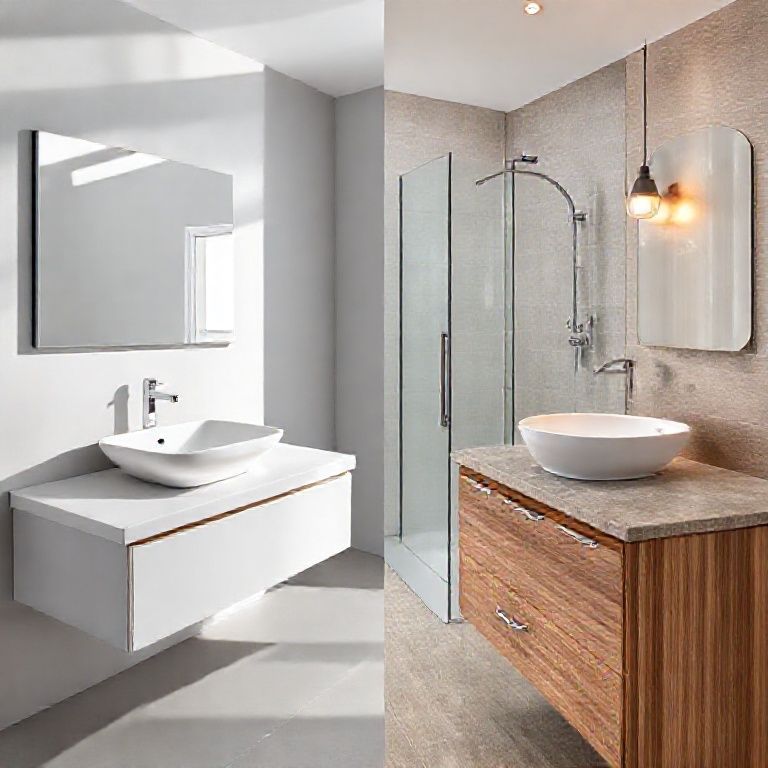
The Ultimate Guide to Choosing the Best Material for Your Cabinet Countertop
When it comes to kitchen design, the cabinet countertop is one of the most important elements. Not only does it add aesthetic value, but it also plays a crucial role in the functionality of your kitchen. Selecting the right material for your cabinet countertop can significantly impact the overall look, feel, and longevity of your kitchen. This guide explores various popular materials used for cabinet countertops, their pros and cons, and which might be the best fit for your home.
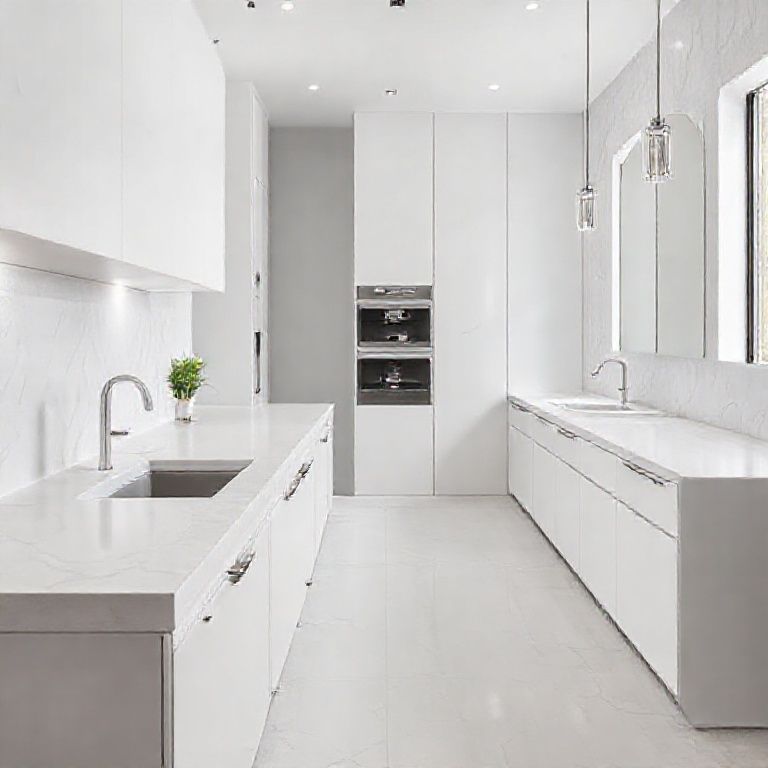
1. Quartz
Pros:
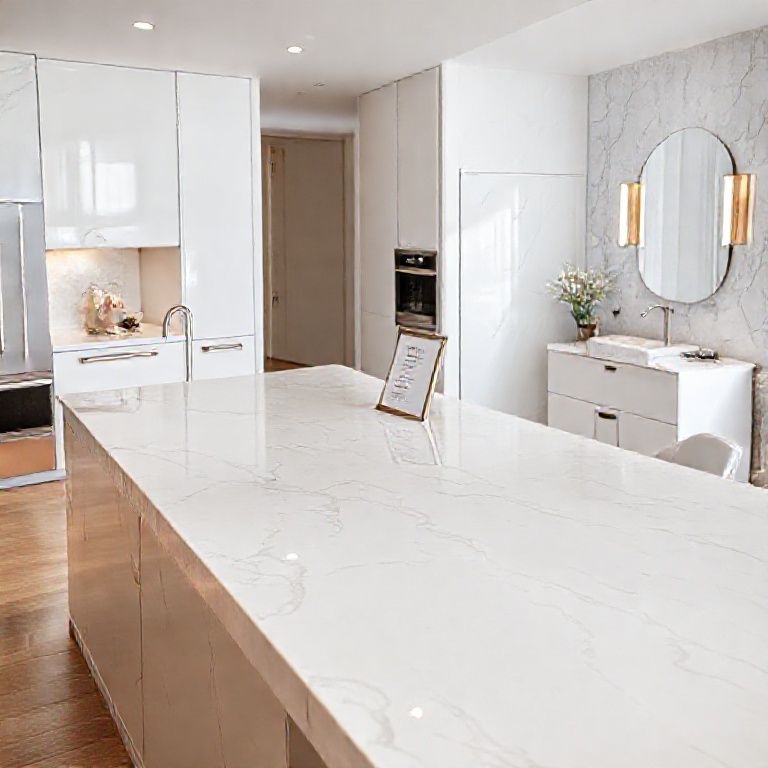
Durability: Quartz is known for its exceptional durability. It’s resistant to scratches, stains, and heat, making it an excellent choice for busy kitchens. Customization: Available in a wide range of colors and patterns, quartz countertops can be tailored to fit any design aesthetic. Low Maintenance: Unlike other materials, quartz does not require sealing. It’s also resistant to bacteria, making it hygienic for food preparation areas.
Cons:
Cost: Quartz countertops can be more expensive compared to other options, primarily due to their high-quality material and customization capabilities.
2. Granite
Pros:
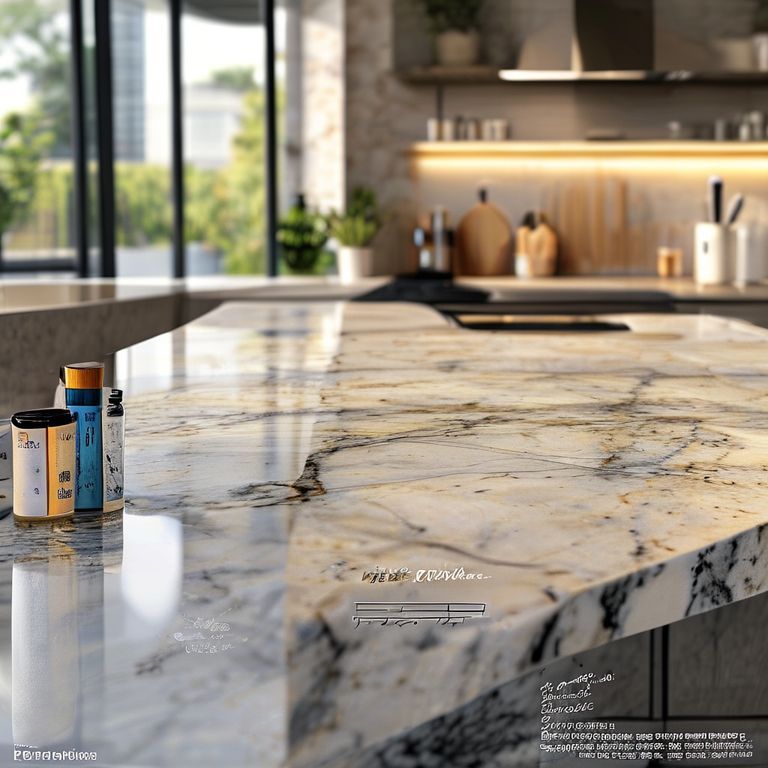
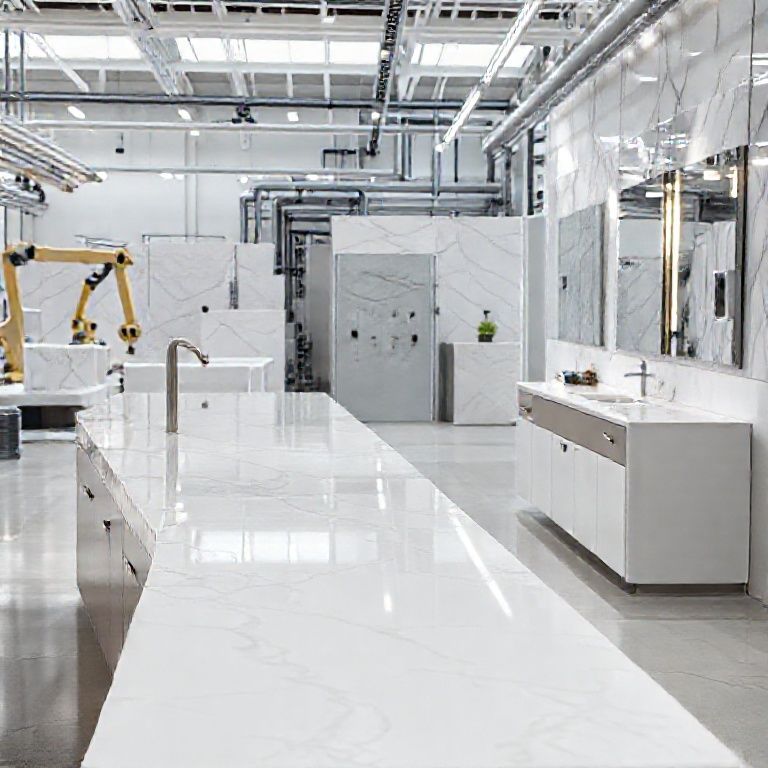
Aesthetic Appeal: Granite countertops have a natural beauty that is hard to replicate. The unique veins and patterns make each piece unique. Durability: Granite is one of the hardest natural stones, making it highly resistant to scratches and stains. Longevity: Granite countertops are known for their long-lasting nature, often lasting for decades with proper care.
Cons:
Sealing Requirement: Granite requires regular sealing to maintain its stain resistance, which adds to the maintenance routine. Cost: High-quality granite can be quite expensive.
3. Marble
Pros:
Elegance: Marble countertops exude luxury and elegance, making them a popular choice for high-end kitchens. Variety: Available in numerous colors and patterns, marble offers versatile design options.
Cons:
Porosity: Marble is a porous stone, which means it can be easily stained by acidic substances like wine, coffee, and juice. Maintenance: Requires regular sealing and careful cleaning to maintain its beauty.
4. Stainless Steel
Pros:
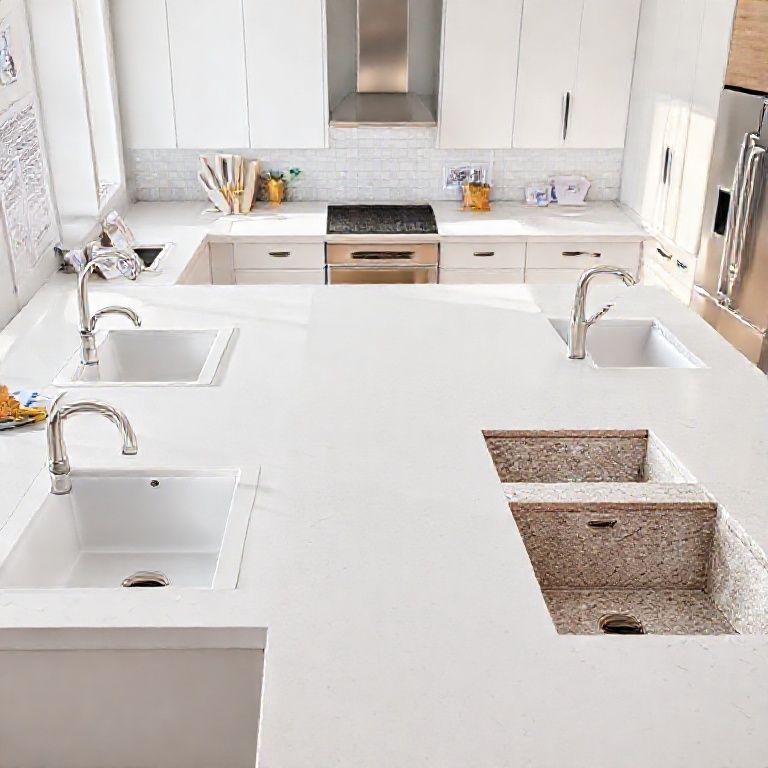
Durability: Stainless steel is highly durable and resistant to scratches, dents, and corrosion. Hygienic: Its non-porous surface makes it easy to clean and sanitize, ideal for food preparation areas. Aesthetic: Stainless steel offers a sleek, modern look that complements various kitchen styles.
Cons:
Abrasion: Stainless steel can be easily scratched by hard objects, although it’s resistant to most forms of damage. Cold to Touch: Unlike natural stone, stainless steel can feel cold to the touch, which some may find uncomfortable.
5. Laminate
Pros:
Affordability: Laminate countertops are generally more affordable compared to natural stone options. Design Options: Available in a variety of colors and patterns to match any kitchen design. Low Maintenance: Easy to clean and does not require sealing.
Cons:
Durability: Less durable compared to natural stone or engineered stone options. Heat Sensitivity: Laminate can be damaged by heat and may discolor over time.
6. Solid Wood
Pros:
Warmth: Solid wood countertops offer a warm, natural look that can complement rustic and traditional kitchen styles. Durability: When properly maintained, solid wood can last for many years.
Cons:
Maintenance: Requires regular maintenance, including sealing, to prevent scratches, stains, and warping. Cost: Can be expensive depending on the type of wood used.
7. Composite
Pros:
Durability: Composite countertops are highly durable and resistant to scratches, stains, and moisture. Design Flexibility: Available in various colors and patterns, making them versatile for different kitchen styles. Low Maintenance: Easy to clean and does not require sealing.
Cons:
Abrasion: Can be scratched by hard objects, although it’s more resistant than laminate.
8. Ceramic Tile
Pros:
Durability: Extremely durable and resistant to scratches, stains, and moisture. Design Versatility: Available in a wide range of colors and patterns to suit any kitchen design. Low Maintenance: Easy to clean and maintain.
Cons:
Breakage: Tiles can break or chip if dropped or subjected to excessive force. Cold to Touch: Like stainless steel, ceramic tiles can feel cold to the touch.
Making the Final Decision
When choosing the best material for your cabinet countertop, several factors come into play. Consider your kitchen’s usage, your design preferences, and your budget. Here are some tips to help you make the best choice:
Consider Durability: If you have a high-traffic kitchen where spills and scratches are common, materials like quartz or granite might be the best choice. Think About Aesthetics: If you’re drawn to natural stone’s unique beauty, materials like marble or granite might fit the bill. Maintenance: If you prefer low-maintenance options, materials like stainless steel, composite, or ceramic tile might be ideal. Budget: Determine your budget and choose a material that offers the best balance of quality and cost.
In the next part of this guide, we will delve deeper into some specific considerations and additional material options for your cabinet countertop, along with expert tips on installation and maintenance to ensure your new countertop stands the test of time.
The Ultimate Guide to Choosing the Best Material for Your Cabinet Countertop (Part 2)
Welcome back to the second part of our comprehensive guide on selecting the best material for your cabinet countertop. In this section, we’ll explore additional material options, delve into specific considerations, and provide expert tips on installation and maintenance to ensure your countertop is both beautiful and durable.
Additional Material Options
9. Corian
Pros:
Durability: Corian is highly durable and scratch-resistant. Non-Porous: Its non-porous surface makes it easy to clean and resistant to bacteria. Customization: Available in an extensive range of colors and patterns.
Cons:
Cost: Corian can be more expensive compared to some other materials. Heat Sensitivity: It can be damaged by extremely high temperatures.
10. Bamboo
Pros:
Sustainability: Bamboo is a highly sustainable material that grows quickly and requires little water. Aesthetic Appeal: Offers a unique, natural look with a variety of textures and patterns. Durability: When treated, bamboo can be quite durable and resistant to scratches and stains.
Cons:
Maintenance: Requires regular sealing to maintain its appearance and resistance. Cost: Can be more expensive than some traditional options.
11. Concrete
Pros:
Durability: Extremely durable and resistant to scratches, stains, and moisture. Aesthetic: Offers a unique, industrial look that can complement modern kitchen designs. Customization: Can be colored and textured to match various design styles.
Cons:
Weight: Very heavy, which can be a concern for installation and structural support. Maintenance: Requires regular sealing and can be prone to water damage if not properly maintained.
12. Synthetic Stone
Pros:
Durability: Highly durable and resistant to scratches, stains, and heat. Design Flexibility: Available in a variety of colors and patterns to match any kitchen design. Low Maintenance: Easy to clean and does not require sealing.
Cons:
Abrasion: Can be scratched by hard objects, although it’s more resistant than laminate.
Specific Considerations
Usage and Traffic
One of the most critical factors to consider when choosing a countertop material is how it will be used and the amount of traffic it will receive. Here are some specific considerations:
High-Traffic Kitchens: For kitchens that see a lot of activity, durable materials like quartz, granite, or stainless steel are ideal. These materials can withstand heavy use and frequent spills. Low-Traffic Kitchens: For kitchens that don’t see as much use, you have more flexibility in choosing a material that aligns more with your aesthetic preferences, such as solid wood or marble.
Budget
Your budget will heavily influence your choice of countertop material. Here’s a quick overview of the cost range for each material:
Stainless Steel:价格范围从每平方英尺$20到$50不等,具体取决于品牌和设计。 Corian:每平方英尺约$25到$40之间。 Quartz:价格较高,每平方英尺通常在$30到$70之间。 Granite:价格范围最广,通常从每平方英尺$40到$150以上。
Marble:高端材料,价格通常在每平方英尺$50到$200以上。 Solid Wood:价格取决于木材种类和处理,从每平方英尺$30到$150以上。 Composite:价格范围在每平方英尺$25到$60之间。 Ceramic Tile:价格从每平方英尺$10到$50不等,取决于瓷砖的设计和品牌。
Bamboo:价格通常在每平方英尺$20到$50之间。 Concrete:价格范围较大,从每平方英尺$30到$80以上。 Synthetic Stone:价格大致在每平方英尺$30到$70之间。
安装与维护
选择橱柜台面材料时,还应考虑安装和维护的便捷性和成本:
安装:一些材料,如瓷砖、石材等,可能需要专业安装,增加了总成本。而其他材料,如复合材料和玻璃,可能更容易自行安装。 维护:某些材料如大理石和花岗岩需要定期密封以保持其抗污性能。相比之下,石英和不锈钢则非常容易清洁,几乎无需特殊维护。
环保和健康考虑
如今,越来越多的人关注环保和健康因素。在选择材料时,可以考虑以下几点:
无毒性:一些传统材料可能含有有害化学物质,而竹子和某些复合材料则可能更环保。 可回收性:玻璃和金属等材料通常可以回收再利用,环保性较好。
总结
选择橱柜台面材料是一个综合考虑美观、耐用性、预算和维护等多个因素的过程。通过了解每种材料的优缺点,你可以做出更符合自己需求和偏好的选择。无论选择哪种材料,最终的目标都是创造一个既美观又实用的厨房环境。