Choosing the Best Material for Your Kitchen Countertop
When it comes to designing or renovating a kitchen, one of the most critical elements to consider is the countertop. The kitchen counter is the heart of your home’s culinary activities, so selecting the right material is paramount. The material not only defines the aesthetic appeal but also affects durability, maintenance, and functionality. Here’s an in-depth look at some of the top materials for kitchen countertops to help you make an informed decision.
1. Granite
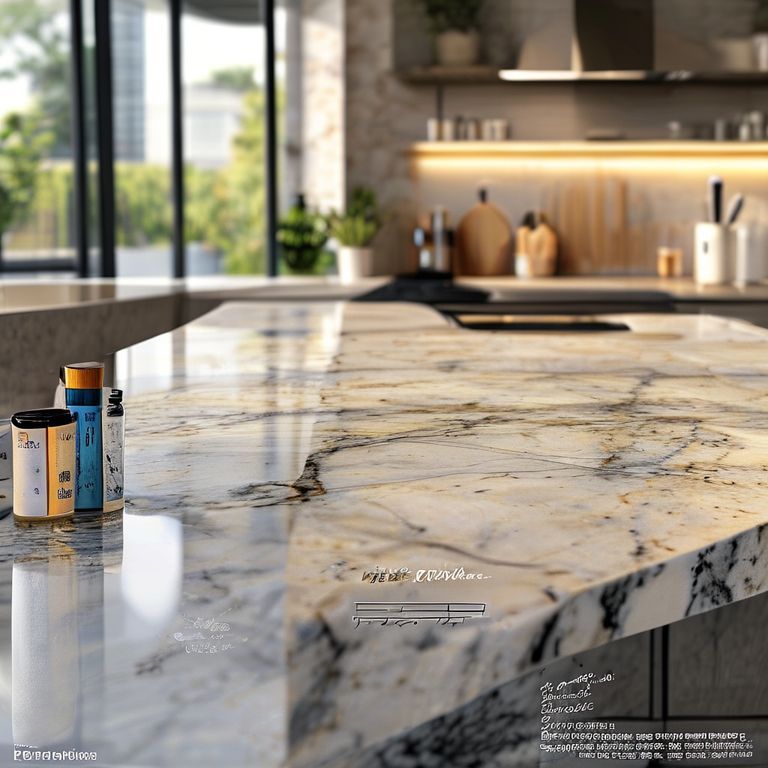
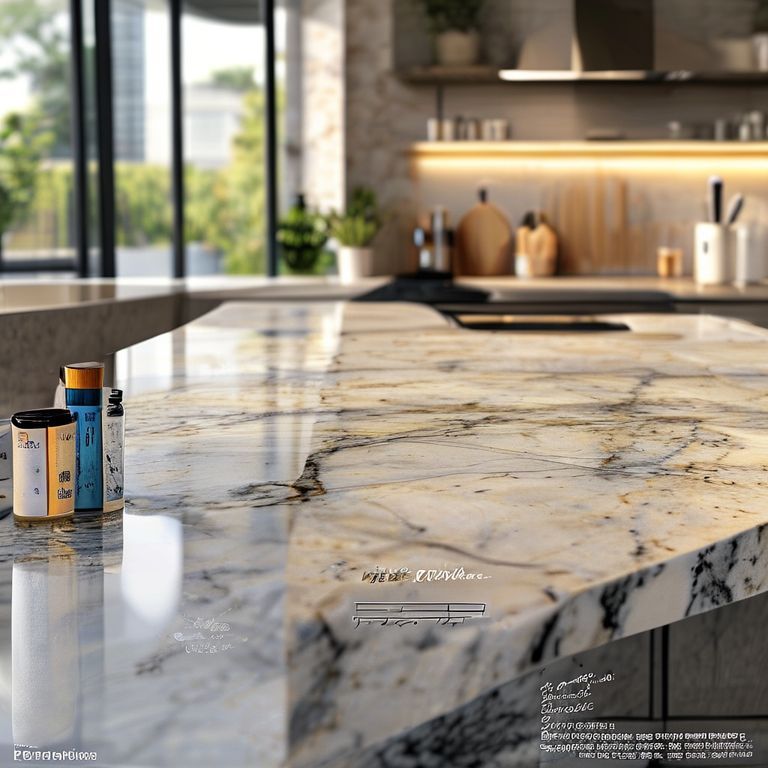
Granite is a classic choice for kitchen countertops known for its timeless elegance and impressive durability. Quarried from the earth, this natural stone is renowned for its hardness, which makes it resistant to scratches and stains. Here are some key points to consider:
Pros:
Granite is highly durable and can withstand heavy use.
It offers a wide range of colors and patterns, allowing for a highly customized look.
Its natural aesthetic is often favored by homeowners.
Granite is relatively low-maintenance; simply wiping it down with a mild soap and water solution keeps it looking pristine.
Cons:
Granite can be expensive, both in terms of the material and installation costs.
It is a heavy material, which may require additional support.
While granite is resistant to stains, it can still absorb liquids and should be sealed periodically.
2. Quartz
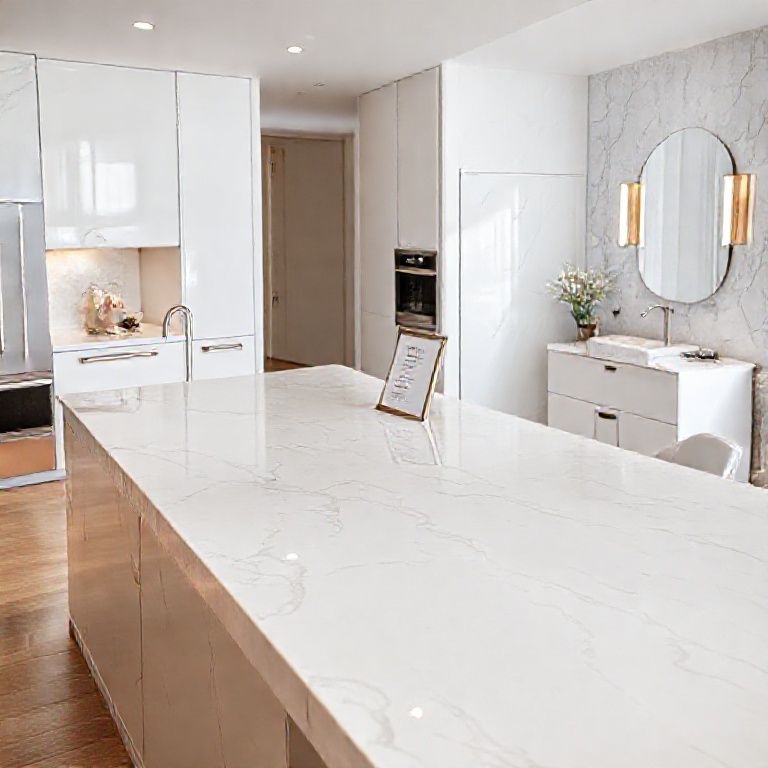
Quartz countertops have surged in popularity due to their combination of strength and versatility. Manufactured from 90% quartz and 10% resin, these countertops offer a sleek, modern look without the high price tag of granite.
Pros:
Quartz is incredibly durable and scratch-resistant.
It offers a vast array of colors and patterns, giving you endless design possibilities.
It is relatively affordable compared to other natural stone options.
Easy to maintain; simply clean with a damp cloth and mild soap.
Cons:
While quartz is virtually stain-proof, it can crack under extreme pressure.
It is not as warm to the touch as natural stone, which some might find less appealing.
3. Laminate
Laminate countertops are an affordable option that offers a wide variety of colors and patterns. They are made from multiple layers of paper, bonded together with resin under high pressure.
Pros:
Extremely affordable and available in virtually any color or pattern.
Easy to maintain; just wipe with a damp cloth and mild cleaner.
Lightweight and easy to install.
Cons:
Less durable than other countertop materials, prone to scratches and dents.
Some laminates can release formaldehyde over time, which is a health concern.
Not as aesthetically pleasing or durable as natural stone.
4. Composite
Composite countertops are made from a mixture of natural stone powder and resin, offering the appearance of natural stone at a fraction of the cost.
Pros:
Affordable and offers a natural stone look.
Highly durable and resistant to scratches and stains.
Easy to maintain; clean with a damp cloth and mild soap.
Cons:
May not be as durable as solid stone options.
Some composite materials can emit volatile organic compounds (VOCs).
5. Stainless Steel
Stainless steel countertops are known for their sleek, modern look and are a popular choice for contemporary kitchens. They are made from a combination of chromium and nickel that gives them their rust-resistant properties.
Pros:
Extremely durable and highly resistant to scratches, stains, and heat.
Easy to clean and maintain; just wipe with a damp cloth and mild soap.
Modern and stylish appearance.
Cons:
Can be prone to fingerprints and smudges.
Not as aesthetically warm as natural stone.
Requires regular maintenance to prevent water spots.
Conclusion
When selecting the best material for your kitchen countertop, consider the pros and cons of each option based on your specific needs and preferences. Granite and quartz offer unmatched durability and style, while laminate and composite provide budget-friendly alternatives. Stainless steel brings a modern, sleek look with easy maintenance. Ultimately, your choice will depend on your budget, desired aesthetic, and the level of maintenance you’re willing to undertake.
Stay tuned for the next part of our guide, where we will delve deeper into maintenance tips, installation considerations, and how to extend the life of your chosen countertop material.
Extending the Life of Your Kitchen Countertop: Maintenance and Installation Tips
Once you’ve chosen the perfect material for your kitchen countertop, the next step is ensuring it lasts as long as possible and maintains its beauty. Proper maintenance and thoughtful installation are key to maximizing the lifespan and aesthetic appeal of your countertop. Here’s how to keep your kitchen countertop in top-notch condition.
1. Granite Maintenance
Granite, though durable, requires some care to maintain its beauty and integrity. Here’s what you need to know:
Sealing: Granite is naturally stain-resistant, but to ensure it stays that way, it should be sealed periodically. A high-quality granite sealant will protect against water, juice, and other stains. Follow the manufacturer’s instructions for the best results. Cleaning: Use a soft cloth and mild soap and water solution to clean granite. Avoid using abrasive cleaners or scrubbers that can scratch the surface. Avoiding Sharp Objects: To prevent scratches, avoid placing sharp objects directly on the granite surface. Use cutting boards and trivets when necessary.
2. Quartz Maintenance
Quartz is one of the easiest materials to maintain. Here’s how to keep your quartz countertop looking new:
Cleaning: Wipe the surface with a damp cloth and mild soap or quartz-specific cleaner. Avoid using acidic cleaners like vinegar or citrus-based products, as they can damage the surface. Minor Scratches: For minor scratches, a quartz countertop polish can help restore the shine. Avoiding Heat: While quartz is heat-resistant, prolonged exposure to direct heat can cause discoloration. Use trivets when placing hot items on the countertop.
3. Laminate Maintenance
Laminate countertops are low-maintenance but still require some care to prevent scratches and dents:
Cleaning: Wipe the surface with a damp cloth and mild soap. Avoid using harsh chemicals or abrasive cleaners. Avoiding Heat and Sharp Objects: Use trivets for hot items and avoid placing sharp objects directly on the surface to prevent scratches and dents. Repairs: If you do get a scratch or dent, there are laminate repair kits available that can help restore the surface.
4. Composite Maintenance
Composite countertops offer a natural stone appearance with relatively low maintenance:
Cleaning: Wipe the surface with a damp cloth and mild soap. Avoid using acidic cleaners. Minor Scratches: For minor scratches, use a composite countertop polish to restore the shine. Avoiding Heat: Use trivets for hot items to prevent discoloration.
5. Stainless Steel Maintenance
Stainless steel countertops are easy to maintain but can develop fingerprints and water spots over time:
Cleaning: Wipe the surface with a damp cloth and mild soap. For tougher stains, use a stainless steel cleaner. Avoiding Water Spots: To prevent water spots, dry the surface immediately after cleaning. Polishing: For a shiny finish, use a stainless steel polish.
Installation Considerations
Proper installation is crucial for the longevity and aesthetic appeal of your countertop. Here are some key considerations:
Professional Installation: Whether you’re working with a natural stone like granite or quartz, or an engineered surface like laminate or composite, professional installation is recommended. This ensures a smooth, even surface and prevents potential issues like cracking or warping. Support: Natural stone countertops require additional support due to their weight. Ensure your cabinets and supports can handle the added load. Transitions: Pay attention to how your countertop transitions to other surfaces, like cabinets or backsplashes. Smooth transitions will enhance the overall look and prevent damage.
Conclusion
Choosing the right countertop material and taking proper care of it can transform your kitchen into a space that not only looks great but also functions seamlessly. From the durability of granite and quartz to the affordability of laminate and composite, each material offers unique benefits. With the right maintenance and careful installation, your kitchen countertop will serve you well for years to come.
By understanding the specific needs and care requirements of your chosen countertop material, you can ensure it remains a beautiful and functional centerpiece of your home. Stay tuned for more tips on kitchen design and renovation, where we’ll explore ways to complement your countertop with other essential elements of your kitchen.