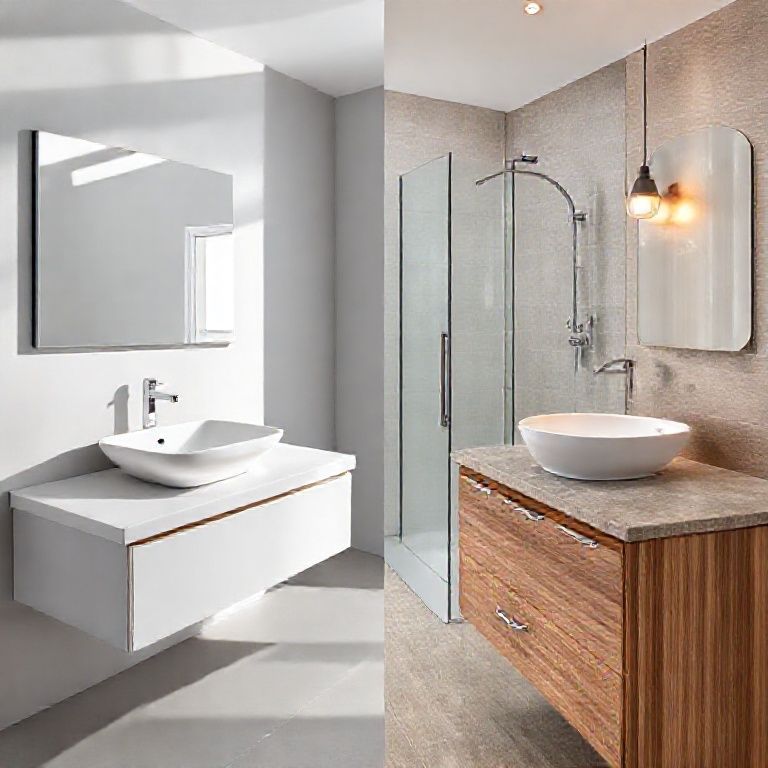
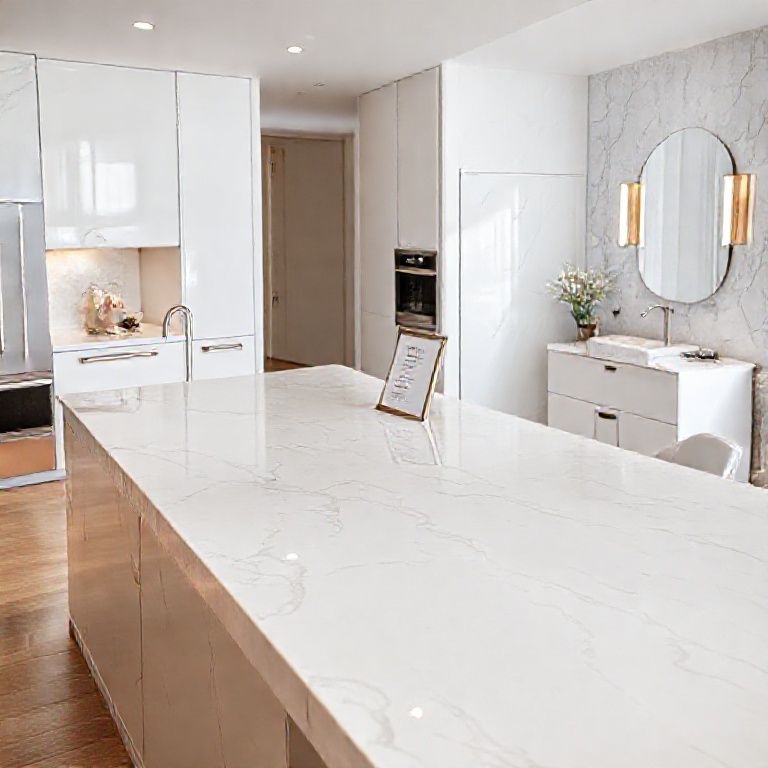
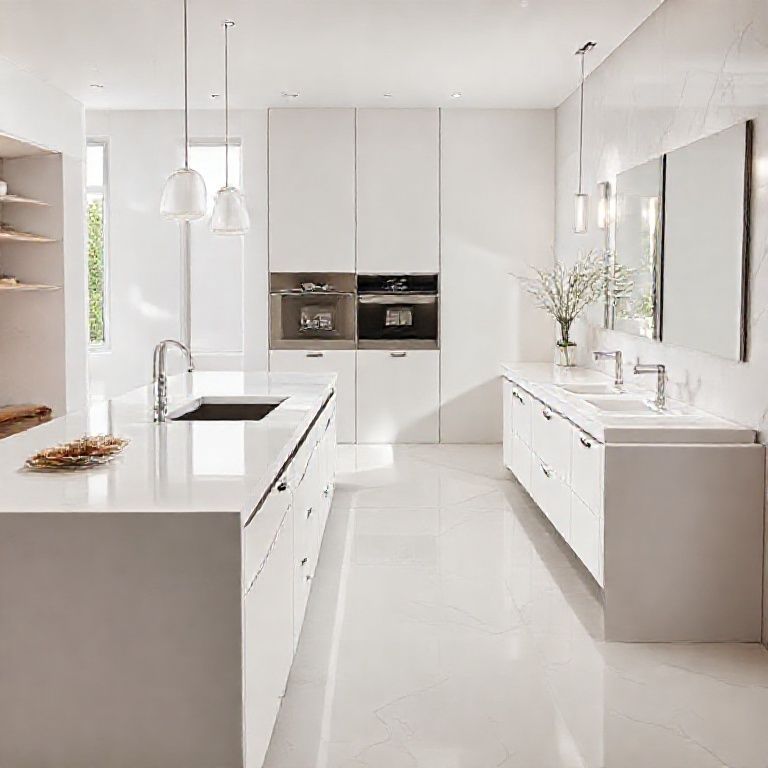
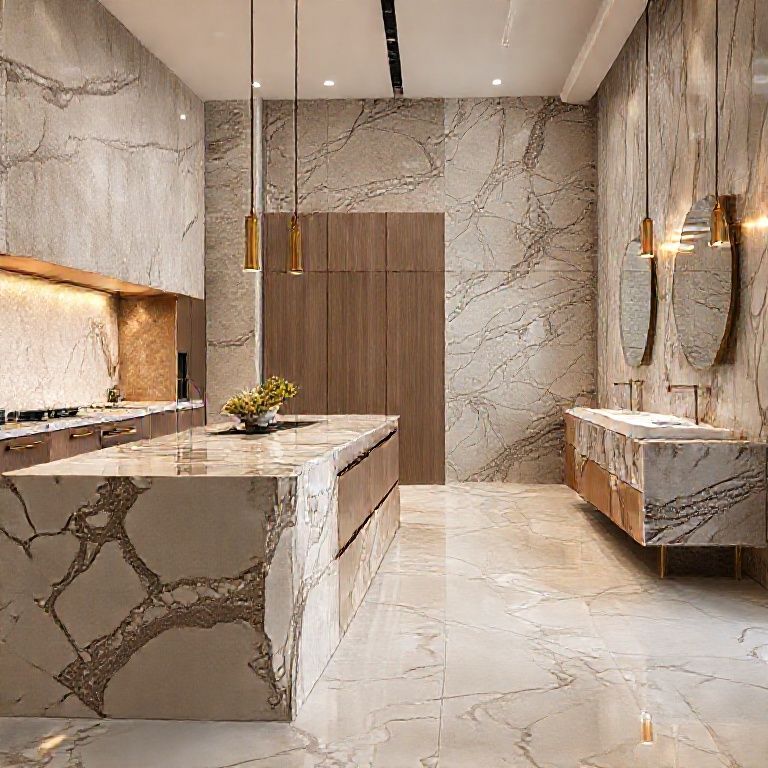
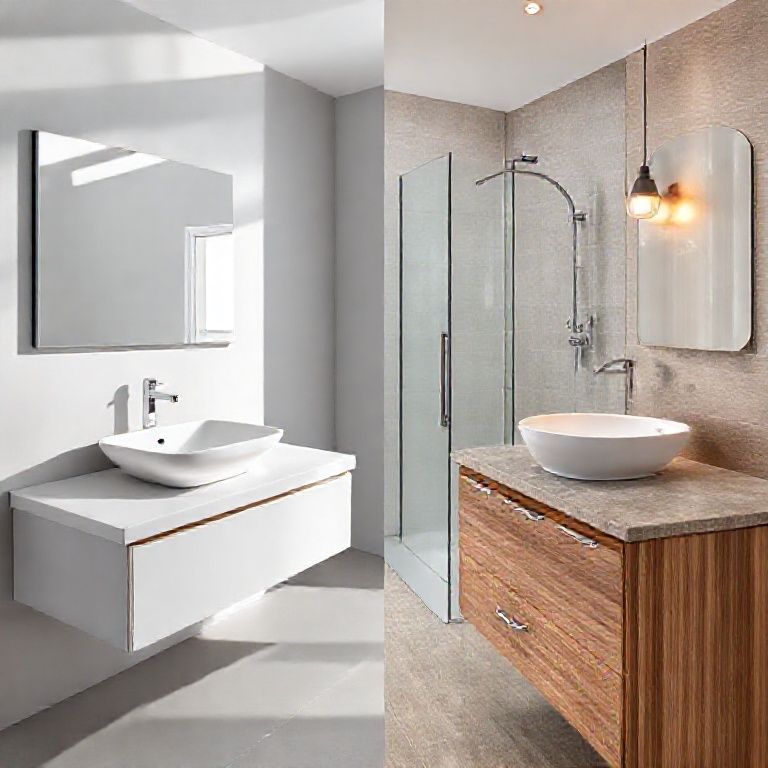
Are you planning to remodel your kitchen and wondering about the best material for your countertop? This comprehensive guide explores the top materials for kitchen countertops, their pros and cons, and what makes them ideal for your space. Whether you’re a DIY enthusiast or a professional, find out what material will give your kitchen the perfect blend of style and durability.
kitchen countertop, countertop material, best countertop material, kitchen renovation, durable countertops, countertop options, kitchen design, countertop maintenance, kitchen aesthetics
The Ultimate Guide to Choosing the Best Material for Your Kitchen Countertop
When it comes to kitchen renovation, one of the most important elements to consider is the countertop. The countertop not only serves as the central hub for food preparation but also plays a critical role in the overall aesthetic of your kitchen. Choosing the right material for your kitchen countertop is crucial, as it affects both the functionality and the beauty of your kitchen. In this guide, we’ll delve into the most popular materials for kitchen countertops, highlighting their unique characteristics, benefits, and ideal use cases.
1. Granite: The Timeless Classic
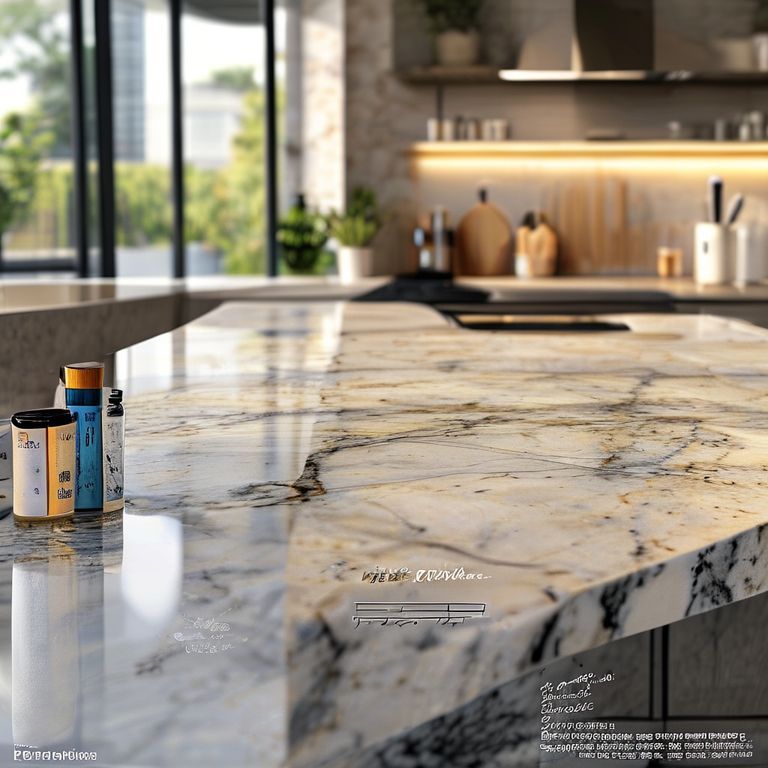
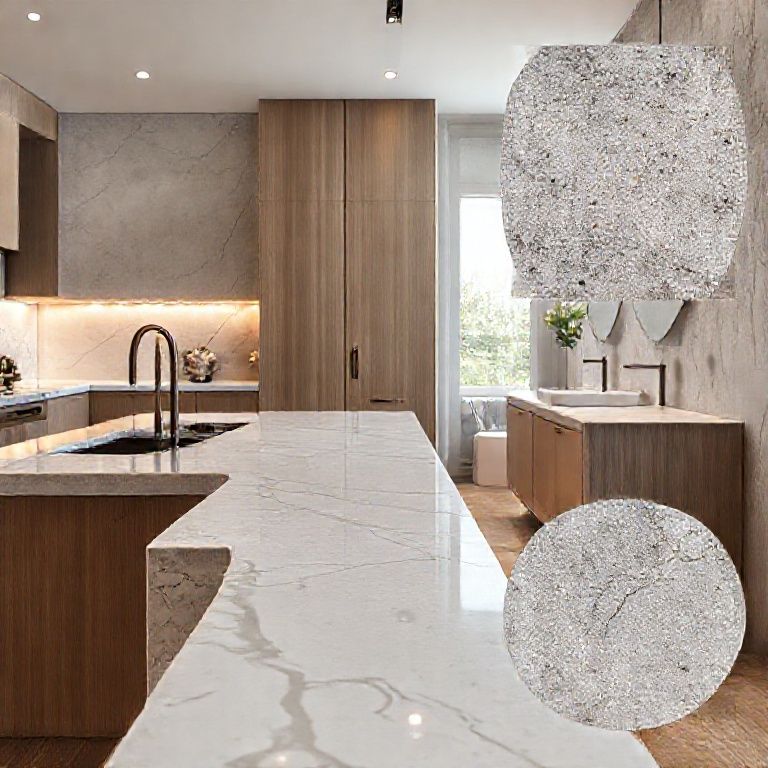
Granite has long been a favorite among homeowners for its timeless elegance and durability. Originating from natural stone, granite countertops are renowned for their hardness, making them resistant to scratches, stains, and heat. This makes them an excellent choice for high-traffic kitchen areas.
Pros:
Durability: Granite is highly resistant to scratches, stains, and heat, which makes it an excellent choice for kitchens where food is prepared and served frequently. Aesthetic Appeal: Available in a wide range of colors and patterns, granite countertops offer a natural beauty that enhances any kitchen’s design. Low Maintenance: Granite countertops are relatively low-maintenance. They require regular sealing to protect the surface, but they are otherwise easy to clean with simple household cleaners.
Cons:
Cost: Granite countertops are generally more expensive compared to other materials. Weight: Granite is a heavy material, which can be a concern for older homes with weaker structural support.
Ideal Use Cases: Granite is ideal for kitchens where durability and aesthetic appeal are prioritized. It is perfect for traditional and modern kitchen designs alike.
2. Quartz: The Modern Marvel
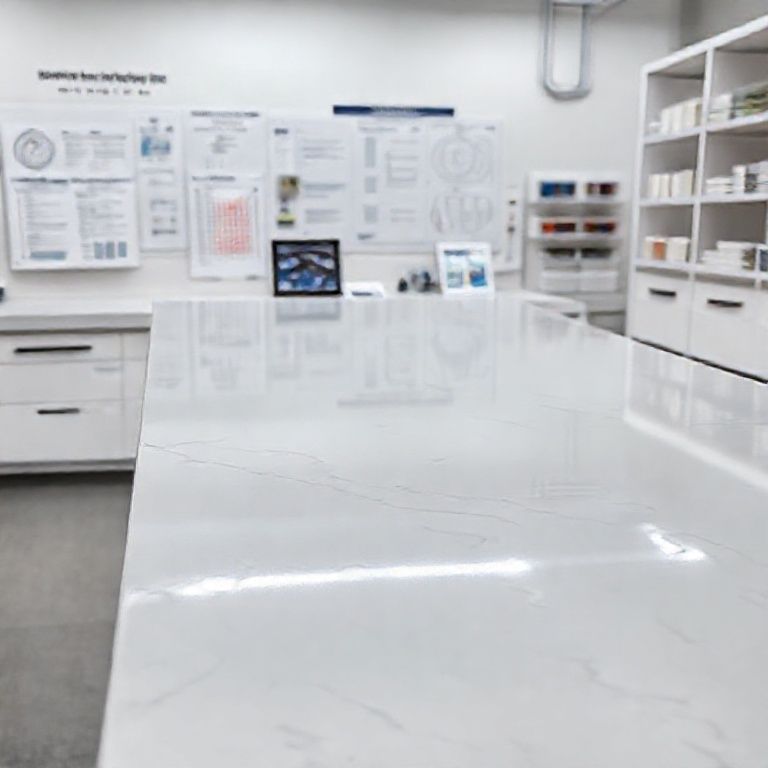
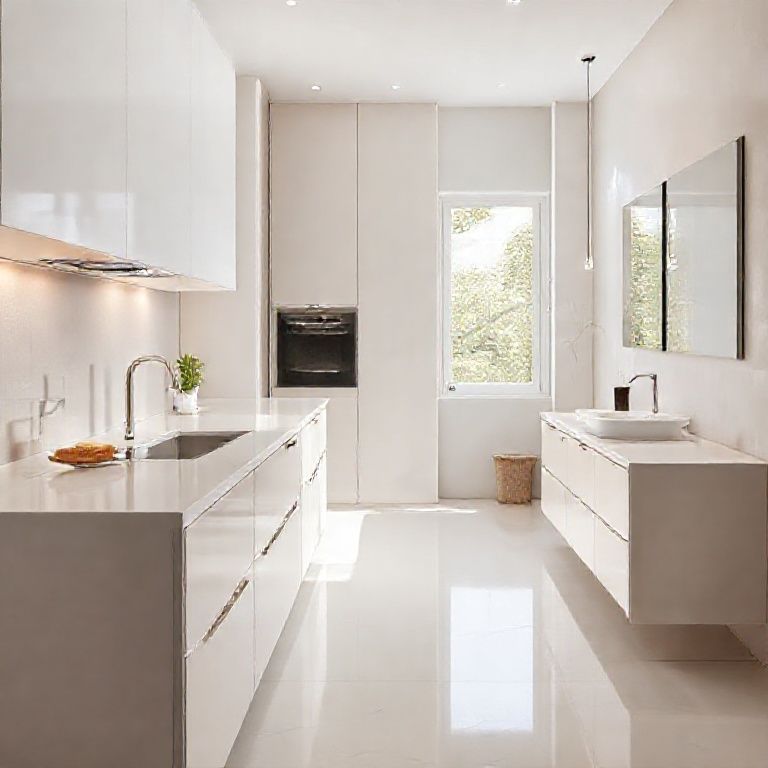
Quartz has gained immense popularity in recent years due to its combination of durability and affordability. Made from 90% quartz and other minerals, quartz countertops are incredibly hard, making them resistant to scratches, stains, and heat.
Pros:
Durability: Quartz countertops are highly durable and resistant to scratches, stains, and heat, ensuring longevity. Affordability: Quartz is more affordable than granite, offering a cost-effective option without compromising on quality. Customization: Available in an extensive range of colors and patterns, quartz allows for endless customization possibilities. Low Maintenance: Quartz countertops are low-maintenance and easy to clean with basic household cleaners.
Cons:
Installation: Quartz requires professional installation to ensure a seamless edge and to avoid damaging the material during installation. Weight: Like granite, quartz is also heavy and can pose structural challenges in older homes.
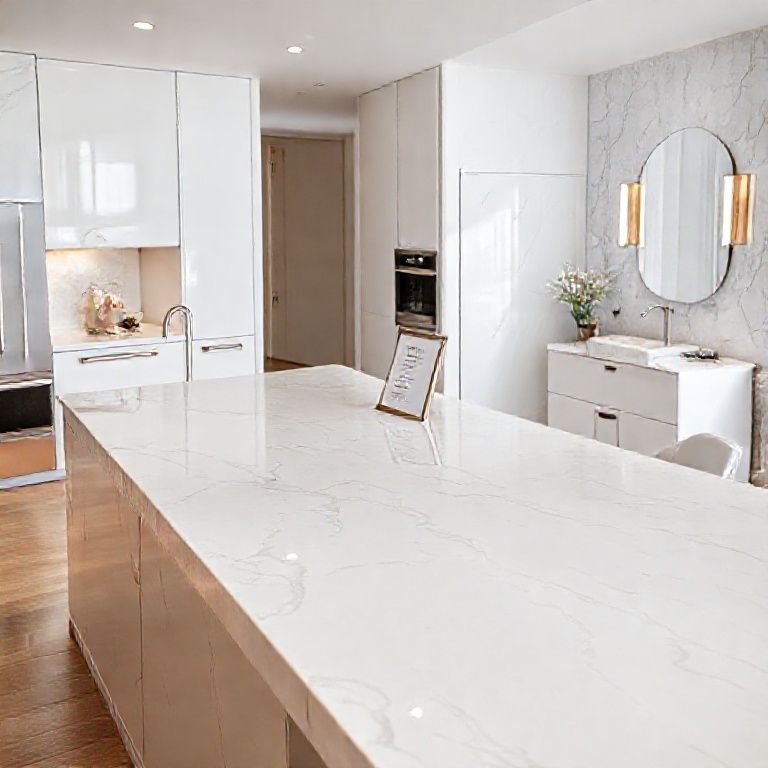
Ideal Use Cases: Quartz is perfect for contemporary and modern kitchens where a sleek, customizable look is desired without breaking the bank.
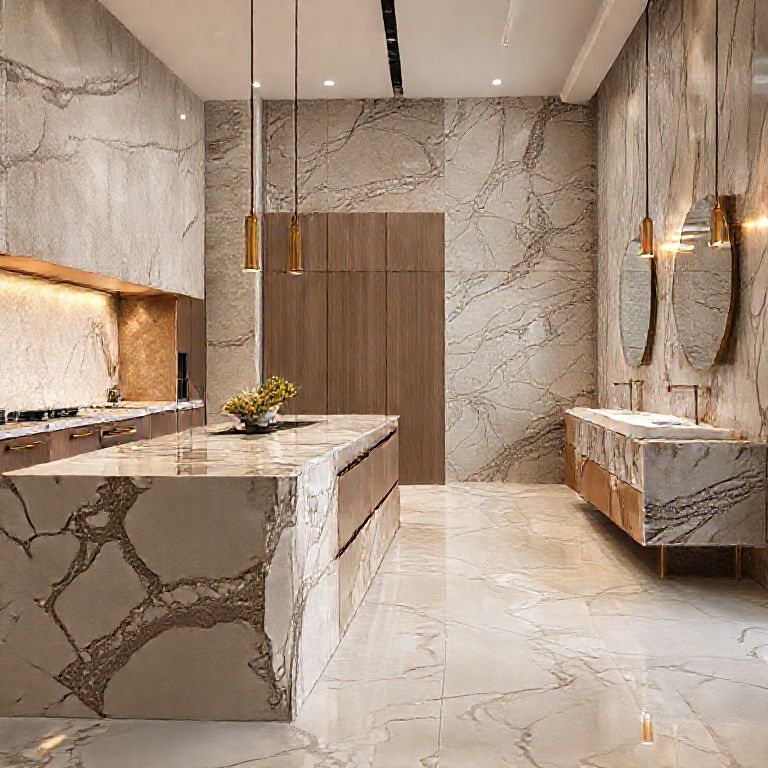
3. Marble: The Luxurious Option
Marble countertops exude a sense of luxury and elegance, making them a popular choice for those looking to add a touch of opulence to their kitchen. However, marble is a softer stone compared to granite and quartz, which makes it more prone to scratches and stains.
Pros:
Aesthetic Appeal: Marble offers a unique, natural beauty with its intricate veining and color variations. Variety: Available in a wide range of colors and patterns, marble provides a high level of customization. Feel: Marble countertops have a smooth, cool feel that adds to the overall luxury of the kitchen.
Cons:
Maintenance: Marble requires regular sealing to prevent stains and scratches. It is also not as heat-resistant as granite or quartz. Cost: Marble countertops can be expensive, especially for high-end varieties.
Ideal Use Cases: Marble is ideal for kitchens where a luxurious, elegant look is desired. It is perfect for high-end kitchens and those seeking a unique, custom design.
4. Solid Surfaces: The Versatile Choice
Solid surface materials like Corian and Formica offer a versatile and affordable alternative to natural stone. These materials are made from a blend of plastic, acrylic, and other compounds, offering a range of colors and textures.
Pros:
Versatility: Solid surfaces come in a wide array of colors and textures, allowing for a high degree of customization. Durability: Solid surfaces are resistant to scratches, stains, and heat, making them durable and easy to maintain. Cost: Generally more affordable than natural stone, solid surfaces offer a cost-effective solution without sacrificing quality. Installation: Easy to install, solid surfaces can often be installed by homeowners.
Cons:
Weight: Solid surfaces are lightweight, which can be a benefit in older homes but may not appeal to those looking for a heavier, more traditional look. Cutability: While solid surfaces are durable, they can break if dropped or if a heavy object is left on them for an extended period.
Ideal Use Cases: Solid surfaces are perfect for modern, contemporary, and budget-friendly kitchens. They are also an excellent choice for those who want a customizable, low-maintenance countertop.
5. Laminate: The Budget-Friendly Option
Laminate countertops are an affordable alternative that offers a wide range of designs. Made from multiple layers of compressed wood veneers, laminate is known for its durability and ease of installation.
Pros:
Cost: Laminate is one of the most affordable countertop options available. Customization: Available in numerous colors and patterns, laminate allows for a high degree of customization. Ease of Installation: Laminate countertops are relatively easy to install, often by homeowners.
Cons:
Durability: Laminate is not as durable as natural stone or solid surfaces and is prone to scratches and minor damage. Maintenance: Requires regular cleaning and protection with laminate-specific products to maintain its appearance.
Ideal Use Cases: Laminate is ideal for kitchens on a tight budget where aesthetics are less of a priority, and durability is more of a concern.
The Ultimate Guide to Choosing the Best Material for Your Kitchen Countertop
Continuing from where we left off, let’s explore additional materials for kitchen countertops and delve deeper into how each material can fit into your specific kitchen design and usage needs.
6. Stainless Steel: The Industrial Look
Stainless steel countertops offer a sleek, modern look that’s perfect for industrial-style kitchens. Made from a combination of stainless steel and other metals, these countertops are highly durable and resistant to scratches, stains, and heat.
Pros:
Durability: Stainless steel is highly durable and resistant to scratches, stains, and heat, making it ideal for high-traffic areas. Maintenance: Easy to clean and maintain, stainless steel countertops require minimal upkeep. Aesthetic Appeal: Provide a modern, industrial look that complements sleek, contemporary kitchen designs.
Cons:
Cold to Touch: Stainless steel can feel cold to the touch, which some people may find unappealing. Abrasive Damage: While durable, stainless steel can be damaged by abrasive cleaners and tools.
Ideal Use Cases: Stainless steel is perfect for kitchens that embrace a modern, industrial aesthetic. It is also ideal for those who prioritize durability and ease of maintenance.
7. Concrete: The Unique Choice
Concrete countertops are a unique and eye-catching option that offers a rustic, industrial look. Made from a mix of cement, water, and aggregates, concrete countertops are highly durable and customizable.
Pros:
Durability: Extremely durable and resistant to scratches, stains, and heat. Customization: Available in various colors and textures, concrete countertops offer a high degree of customization. Aesthetic Appeal: Provide a rustic, industrial look that is perfect for unique, personalized kitchen designs.
Cons:
Cost: Concrete countertops can be expensive, depending on the customization and finish. Maintenance: Requires regular sealing and maintenance to prevent stains and scratches.
Ideal Use Cases: Concrete is ideal for kitchens that want a unique, personalized look. It is perfect for rustic, industrial, and contemporary designs.
8. Engineered Wood: The Natural Option
Engineered wood countertops combine the beauty of natural wood with the durability of modern engineering. Made from layers of wood veneer bonded together, these countertops offer a natural, warm aesthetic.
Pros:
Aesthetic Appeal: Provide a natural, warm look that complements a variety of kitchen styles. Durability: More durable than solid wood, engineered wood countertops are resistant to scratches and minor damage. Cost: Generally more affordable than solid wood, engineered wood offers a cost-effective option.
Cons:
Heat Sensitivity: While more heat-resistant than solid wood, engineered wood can still be damaged by prolonged exposure to heat. Maintenance: Requires regular cleaning and protection with engineered wood-specific products to maintain its appearance.
9. 石英:结合美观与耐用
石英是由多种天然矿物质混合而成的一种人造石材,它结合了最好的天然石材特性。石英不仅具有出色的耐用性,还能提供无穷的颜色和图案选择。
Pros:
耐用性: 石英非常耐用,能够抵抗污渍、划痕和热。 多样性: 石英提供广泛的颜色和设计选择,能够满足不同的审美需求。 易于清洁: 石英表面光滑,易于清洁和维护。
Cons:
价格: 石英通常比普通石材更昂贵,但是它的耐用性和美观性使其成为一项长期投资。 安装: 需要专业人员进行安装,以确保边缘和接缝的完美。
Ideal Use Cases: 石英非常适合现代和现代化厨房,特别是那些追求高端和多样性的设计。
10. 天然石材:经典与质感
天然石材如大理石、玄武岩和花岗岩,以其独特的纹理和经典美感而受到追捧。尽管天然石材的价格可能较高,但它们的美感和耐用性使其成为许多人的首选。
Pros:
美观: 天然石材具有独特的纹理和色彩,提供无与伦比的视觉效果。 耐用: 天然石材如大理石、玄武岩和花岗岩具有很高的耐用性。 历史感: 天然石材具有经典的美感,能够为厨房增添历史和文化感。
Cons:
维护: 天然石材需要定期的维护和密封,以防止污渍和划痕。 价格: 天然石材通常比其他人造石材更昂贵。
Ideal Use Cases: 天然石材非常适合那些追求经典和高端设计的厨房,特别是传统和古典风格的厨房。
11. 复合材料:性价比高
复合材料是由多种材料组合而成的,这些材料通常包括木材、玻璃和其他纤维。复合材料提供了一种性价比高的选择,它们既美观又耐用。
Pros:
性价比: 复合材料通常比天然石材和高端人造石材更便宜。 耐用: 复合材料具有较高的耐用性,能够抵抗污渍和划痕。 设计: 复合材料提供多样的颜色和图案选择。
Cons:
耐热性: 虽然复合材料具有较好的耐用性,但它们可能不如石英和天然石材耐热。 维护: 复合材料需要定期清洁和保养,以保持其美观和耐用性。
Ideal Use Cases: 复合材料非常适合预算有限但希望拥有美观和耐用的厨房台面。
选择材料的关键考虑因素
在选择厨房台面材料时,有几个关键因素需要考虑:
耐用性: 选择耐用材料可以延长台面的使用寿命,减少维护和更换成本。 易于清洁: 厨房台面需要经常清洁,选择易于清洁和维护的材料可以节省时间和精力。 预算: 确定预算范围,并根据预算选择合适的材料。 美观: 选择能够满足您个人和家庭审美需求的材料。
安装: 考虑材料的安装难度和成本,以及是否需要专业安装。
选择厨房台面材料时,需要综合考虑耐用性、清洁性、预算和美观等多方面因素。不同材料有其独特的优势和局限,了解这些特点可以帮助您做出最适合您厨房的选择。