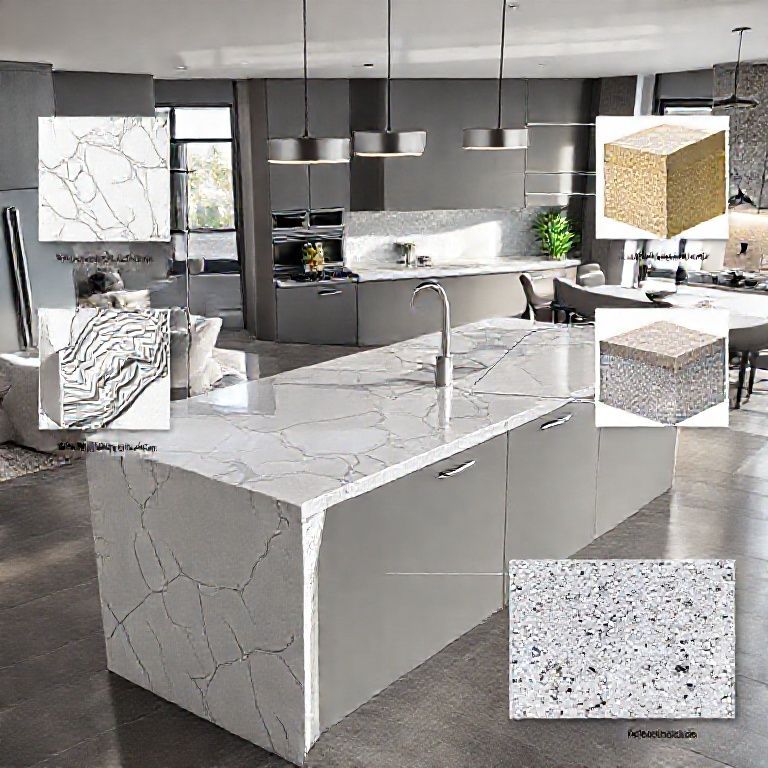
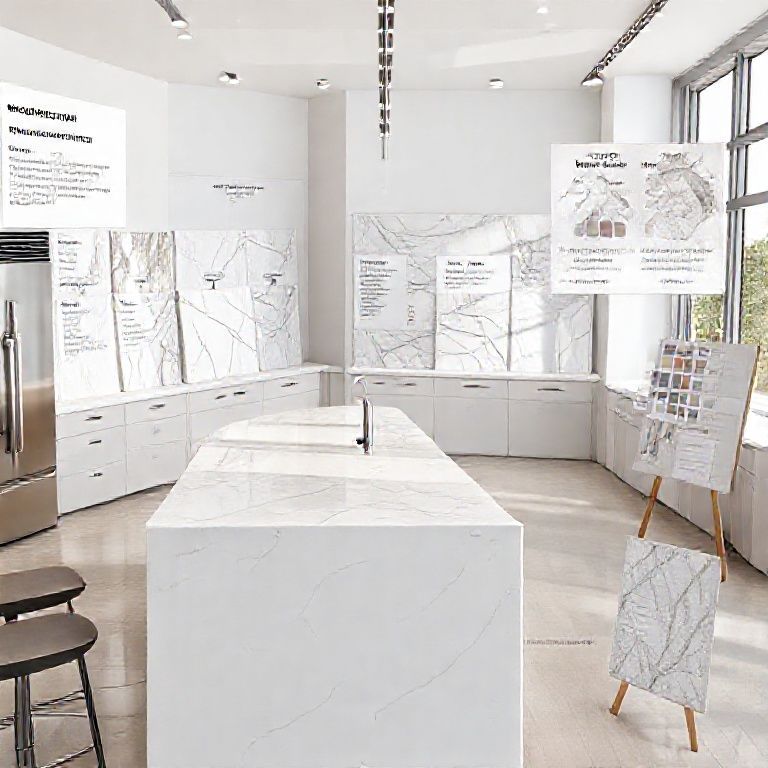
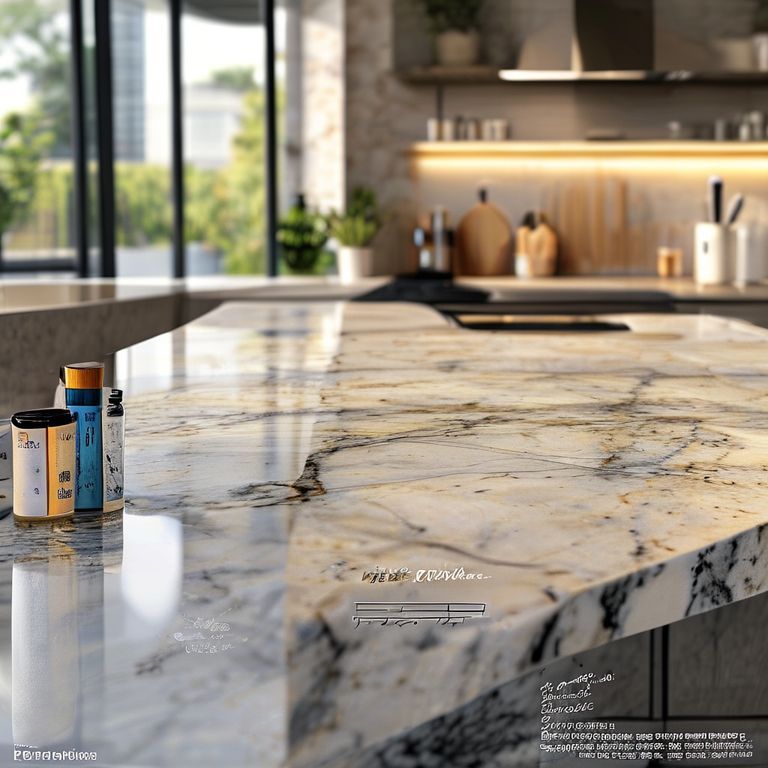
In the quest for a perfect kitchen, one of the most crucial decisions you will make is choosing the right material and texture for your kitchen countertops. This comprehensive guide will walk you through the most popular and durable options available today, ensuring your kitchen is not just functional but also a beautiful centerpiece of your home. Dive into our detailed comparison and discover the best choices for your culinary space.
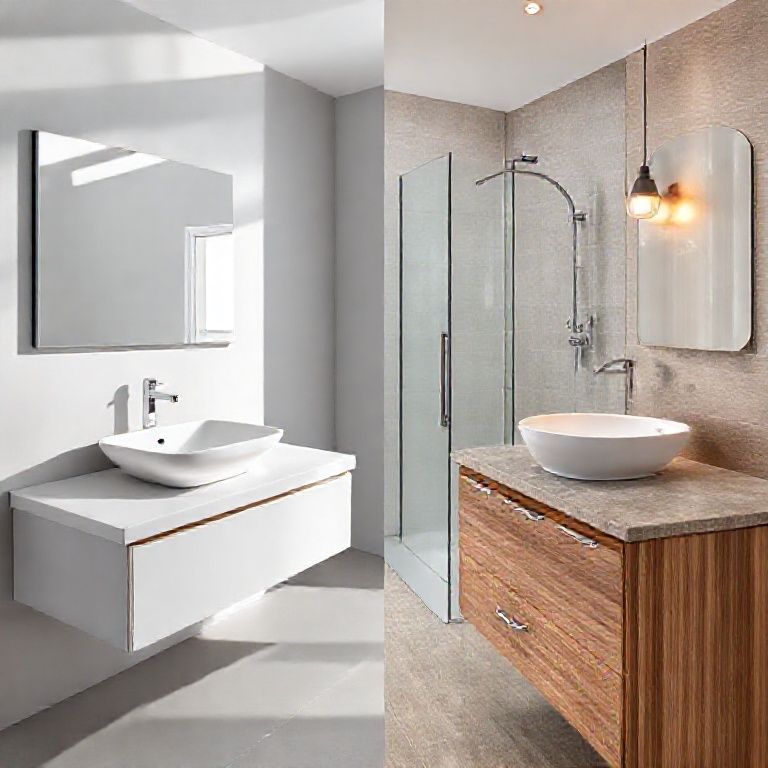
kitchen countertops, countertop materials, countertop textures, best kitchen countertop, durable kitchen countertops, countertop design, kitchen renovation, countertop maintenance, countertop styles
The Ultimate Guide to Choosing the Best Materials for Kitchen Countertops
Introduction
A kitchen is the heart of any home, and the countertops play a pivotal role in its functionality and aesthetic appeal. The choice of material for kitchen countertops is significant as it impacts durability, maintenance, and overall look. This first part of our guide will explore the most popular and high-quality materials that are currently dominating the market. Let’s delve into the details and see which ones are worth considering for your kitchen.
Granite: The Classic Choice
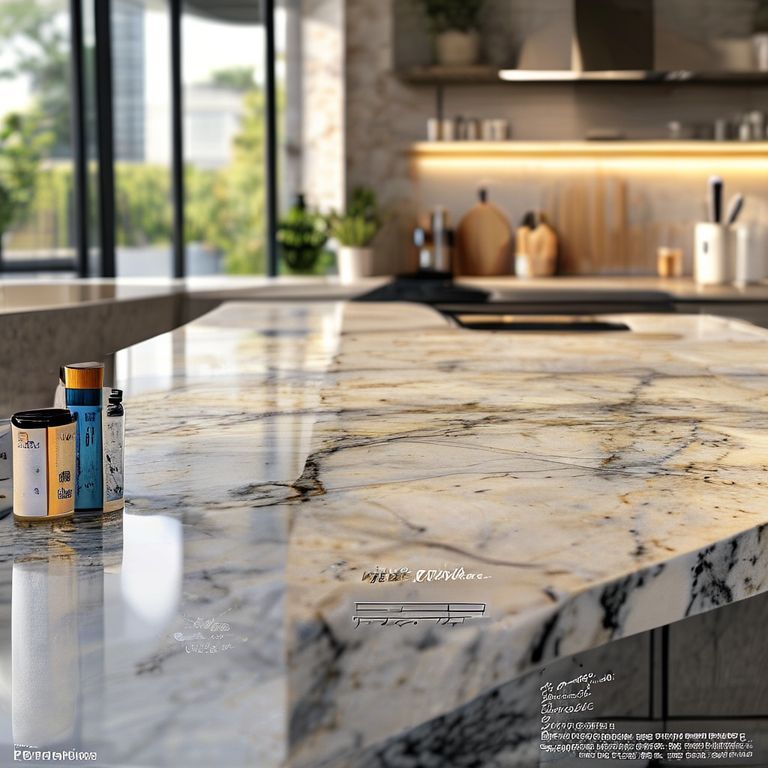
Granite has long been a favorite for kitchen countertops. Known for its durability and timeless appeal, granite is a rock that has been quarried for centuries. This material is resistant to scratches and stains, making it an excellent choice for kitchens that see a lot of use.
Pros:
Durability: Granite is incredibly tough and can withstand heavy use. Low Maintenance: Once installed, granite requires minimal upkeep. A simple wipe-down with a damp cloth is usually sufficient. Aesthetic Appeal: Granite comes in a wide array of colors and patterns, offering endless design possibilities.
Cons:
Cost: Granite can be quite expensive compared to other materials. Weight: It is heavy, which can be a concern for older homes with older structures.
Quartz: The Affordable Alternative
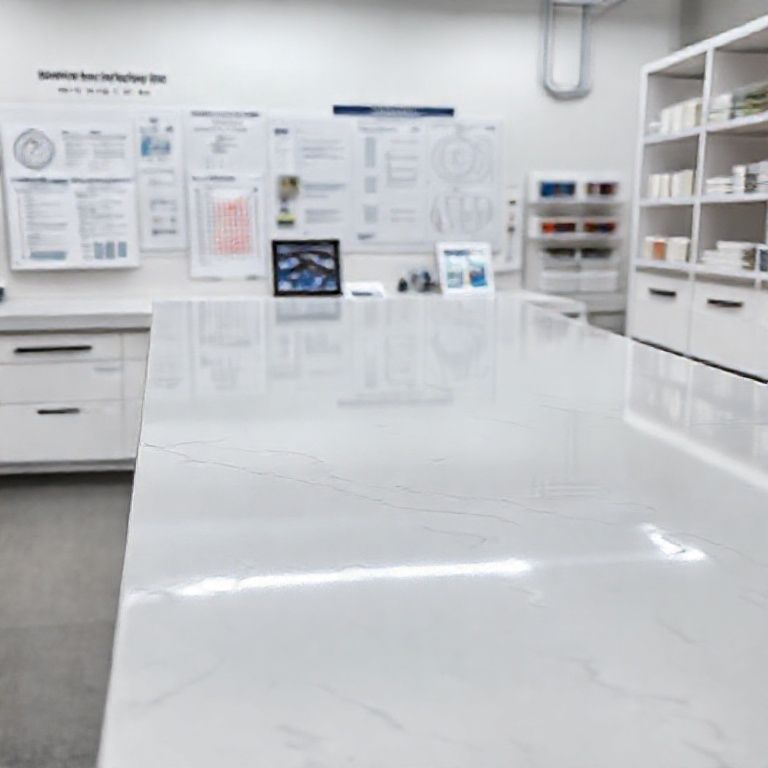
Quartz has emerged as a top contender in the countertop market due to its affordability and impressive durability. Made from 90% crushed stone, quartz is a composite material that offers a seamless look with virtually no maintenance required.
Pros:
Durability: Quartz is highly scratch-resistant and offers a long lifespan. Affordability: It is generally less expensive than granite and marble. Maintenance: Quartz is easy to clean and does not require sealing.
Cons:
Heat Resistance: While it is durable, quartz can still crack if exposed to high heat for extended periods.
Marble: The Luxurious Option
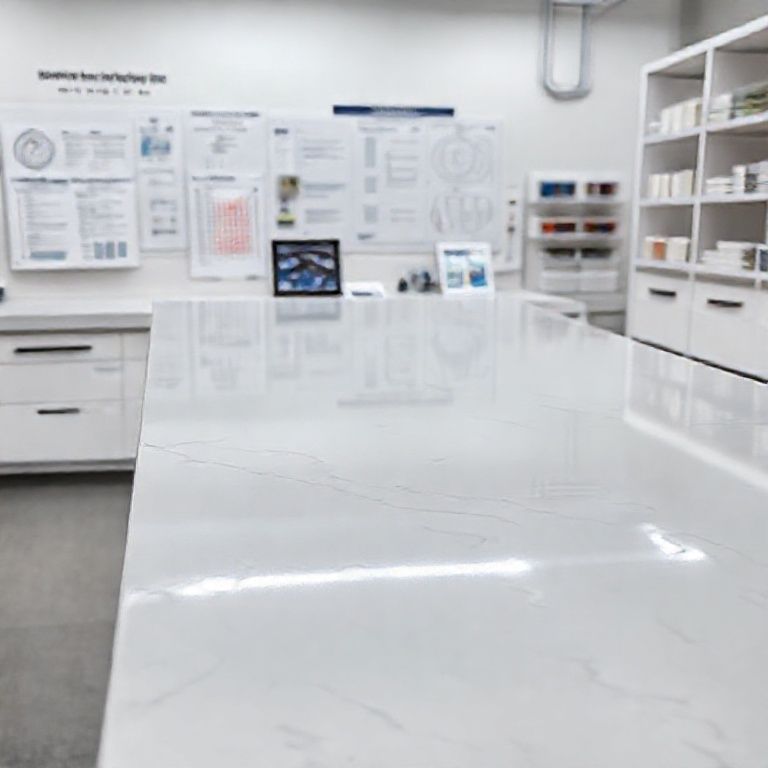
Marble is synonymous with luxury and elegance. Known for its beautiful veining and natural beauty, marble countertops are a top choice for those looking to add a touch of opulence to their kitchen.
Pros:
Aesthetic Appeal: Marble has a unique beauty that can elevate the look of any kitchen. Variety: There are many types of marble, each with its own distinct look and pattern.
Cons:
Maintenance: Marble is more prone to staining and requires regular sealing to maintain its appearance. Cost: It can be more expensive than some other materials.
Slate: The Natural and Durable Option
Slate is another natural stone that is both affordable and durable. It’s less commonly used than granite or marble but offers a unique and rustic charm.
Pros:
Durability: Slate is highly resistant to scratches and stains. Affordability: It is generally less expensive than granite and marble. Natural Look: Slate’s unique texture and color variations add a natural and rugged appeal.
Cons:
Weight: Like granite, slate is heavy and may not be suitable for older homes. Sealing: Slate needs to be sealed to protect against stains.
Composites: The Versatile Choice
Composite countertops are made from a blend of minerals, silica, and other materials, offering a versatile and durable option. They are available in a wide range of colors and patterns, making them a great choice for those who want a custom look.
Pros:
Customizability: Composites can mimic the look of almost any natural stone or material. Durability: They are scratch-resistant and offer a long lifespan. Maintenance: Easy to clean and maintain.
Cons:
Heat Resistance: Similar to quartz, composites can crack if exposed to high heat for extended periods.
Conclusion
Choosing the right material for your kitchen countertops depends on your specific needs and preferences. Whether you’re looking for the durability and timeless appeal of granite, the affordability and ease of maintenance of quartz, the luxury of marble, the rustic charm of slate, or the versatility of composites, there’s a material out there that will meet your requirements. In the next part of this guide, we will explore the texture and style options available, helping you make an informed decision that enhances both the function and beauty of your kitchen.
The Ultimate Guide to Choosing the Best Textures for Kitchen Countertops
Introduction
Having explored the various materials for kitchen countertops in Part 1, we now turn our attention to the textures and styles that can further enhance the functionality and aesthetic appeal of your kitchen. The texture of your countertop not only affects its look but also its usability and maintenance. This second part of our guide will delve into the different textures available, helping you choose the perfect one for your kitchen.
Smooth Textures: The Classic Look
Smooth countertops are perhaps the most classic and universally appealing texture. They offer a sleek, modern look that is easy to clean and maintain.
Pros:
Ease of Cleaning: Smooth surfaces are easy to wipe clean, making them ideal for busy kitchens. Modern Appeal: They offer a sleek, contemporary look that fits well with modern kitchen designs. Durability: Most smooth surfaces, such as granite, quartz, and some composites, are highly durable.
Cons:
Aesthetic Limitation: For some, the smooth look might lack the tactile appeal of more textured surfaces.
Textured/Veined Surfaces: The Natural Beauty
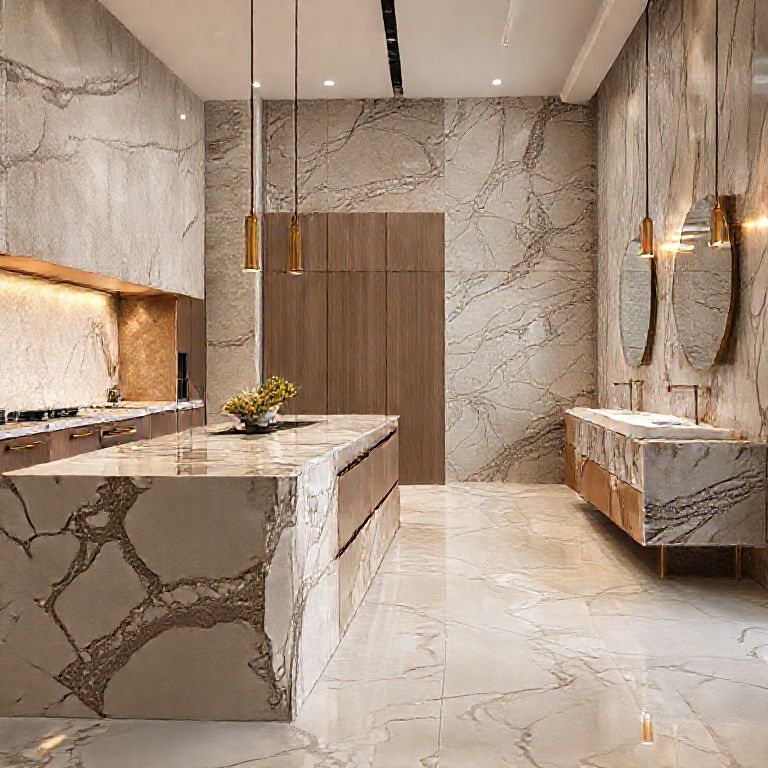
Textured or veined countertops bring out the natural beauty of the materials used. These surfaces often have intricate patterns and a tactile feel that adds depth and character to your kitchen.
Pros:
Natural Appeal: The veined patterns highlight the unique characteristics of natural stones like marble and slate. Durability: Materials like granite and slate with veined textures are still durable and resistant to scratches and stains. Customization: Veined patterns can be customized to suit various tastes and styles.
Cons:
Maintenance: While still easy to clean, veined textures can sometimes be more challenging to maintain than smooth surfaces.
Matte Finish: The Elegant Look
A matte finish offers a subtle, elegant texture that is both beautiful and practical. This texture is often found in composite materials and certain types of quartz.
Pros:
Aesthetic Appeal: Matte finishes provide a sophisticated, understated look. Durability: Materials with a matte finish are usually highly scratch-resistant and durable. Low Maintenance: They are easy to clean and maintain.
Cons:
Perception of Age: Some might perceive a matte finish as less modern compared to glossy finishes.
Glossy Finish: The Bold Choice
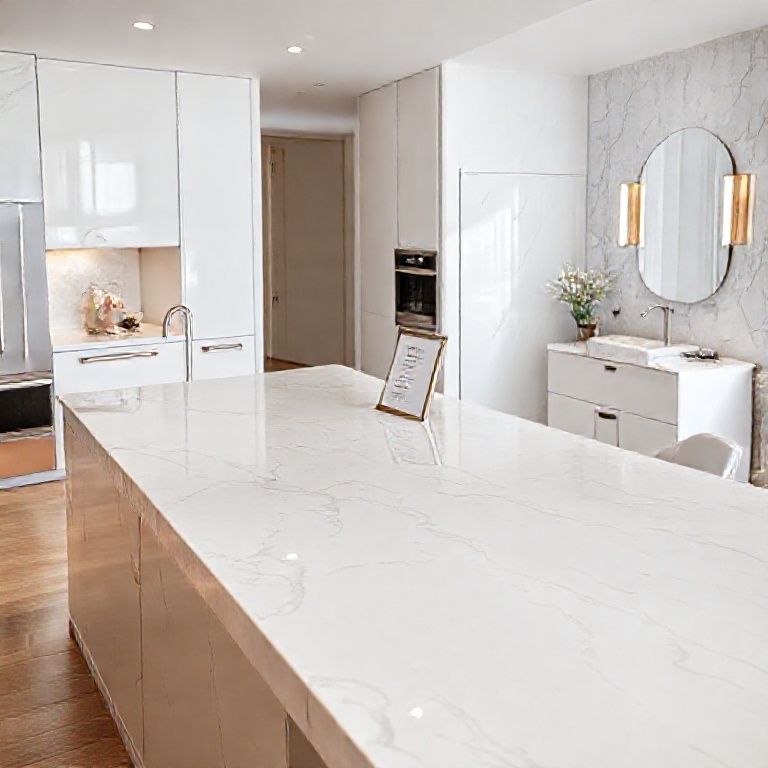
Glossy finishes are bold and eye-catching, offering a shiny, reflective surface that can make your kitchen appear larger and more open.
Pros:
Visual Impact: Glossy finishes provide a striking, modern look that can make a statement. Ease of Cleaning: Modern cleaning products make it easier to maintain a glossy surface. Durability: Many modern materials with a glossy finish are highly durable and scratch-resistant.
Cons:
Stain Visibility: Glossy surfaces can sometimes show stains more prominently. Maintenance: While they are easy to clean, they require regular maintenance to keep their shine.
Patterned Textures: The Customizable Look
Patterned textures allow for an incredibly customizable look. These surfaces often mimic the look of different materials, providing a versatile option for those who want a unique design.
Pros:
Customization: Patterns can be tailored to match any design preference or theme. Durability: Patterned surfaces, especially those made from quartz or composites, are highly durable. Aesthetic Variety: They offer a wide range of visual options, from subtle to bold designs.
Cons:
Potential for Stains: Depending on the pattern and material, certain textures might be more prone to showing stains.
Conclusion
The texture of your kitchen countertops plays a crucial role in defining the look, feel, and functionality of your kitchen. Whether you prefer the sleek simplicity of a smooth surface, the natural beauty of veined textures, the elegance of a matte finish, the modern boldness of a glossy surface, or the customizable appeal of patterned designs, there’s a texture to meet your needs. When combined with the right material, the perfect countertop texture can elevate your kitchen to a space that is both functional and beautiful.
In choosing your kitchen countertop material and texture, it’s essential to consider not just aesthetics but also practicality and maintenance. By understanding the pros and cons of each option, you can make an informed decision that enhances the overall look and usability of your kitchen. Whether you’re renovating an existing space或者在新的项目中设计厨房台面,这将有助于确保你的选择既美观又实用。
1. 耐用性和耐用性
无论你选择哪种材料,耐用性都是一个重要的考虑因素。耐用的材料不仅能提供长期的美观,还能减少维护和更换的频率。在这方面,石英石(如Quartz)、花岗岩、和人造石等都表现出色。
2. 易于清洁和维护
一个容易清洁的台面将极大地简化你的日常维护工作。大多数高级材料,如石英石和花岗岩,都不需要频繁的密封处理。大理石和天然石材可能需要定期密封以保持其光泽和防止污渍。
3. 预算
不同材料的价格差异很大。高端材料如大理石和花岗岩通常价格较高,但其耐用性和美观性也更为出色。相比之下,人造石材和复合材料可能更加经济实惠,但其耐用性和外观可能不如前者。
4. 美观性
每种材料都有其独特的美学价值。如果你喜欢自然石材的独特纹理和颜色,那么花岗岩和大理石是不错的选择。如果你想要现代和简洁的外观,石英石可能更适合你。复合材料和人造石材也可以模拟各种天然石材的外观。
5. 热和冲击耐受性
厨房台面常常会受到高温和冲击的影响。选择具有高热和冲击耐受性的材料,如石英石,可以确保台面在高温炊具和热锅移动时不会损坏。
6. 安装和维修
某些材料可能需要专业的安装,这会增加总成本。了解材料的维修和更换成本也很重要。有些材料如大理石需要特殊处理,否则可能会损坏。
7. 环保性
如今,越来越多的人关注材料的环保性。选择具有环保认证的材料,如低VOC(挥发性有机化合物)排放的复合材料,可以为你的厨房提供更健康的环境。
8. 颜色和风格
台面的颜色和风格应与整体厨房设计相协调。如果你的厨房有现代或极简主义风格,浅色和简洁的设计可能更为合适。如果你喜欢传统或乡村风格,可能会更偏向于深色和天然纹理。
9. 防水性
某些材料如瓷砖和石英石具有良好的防水性,这对于厨房台面尤为重要,因为厨房环境通常比较潮湿。
10. 环保认证
如果你对环保有特别的关注,可以选择那些获得了环保认证的材料,比如FSC认证的木质复合材料或低VOC排放的产品。
常见材料对比
石英石(Quartz): 高耐用性,低维护,防污渍,防热破裂,价格适中。 花岗岩(Granite): 自然美观,耐用,但需要密封,价格较高。 大理石(Marble): 高端美观,但需要密封,容易污渍,价格较高。 复合材料(Composite): 可模仿其他材料,耐用性和价格适中,但不如石英石耐热。
人造石(Artificial Stone): 可定制化设计,耐用性和价格适中,但不如天然石耐热。 瓷砖(Ceramic Tiles): 防水性好,易于清洁,但耐热性相对较差。
综合以上因素,你可以根据自己的需求和预算来选择最适合你的厨房台面材料和质地。如果你对某个材料或设计有更多具体问题,欢迎继续提问!