Understanding the Basics of Kitchen Countertop Materials
Welcome to the ultimate guide on selecting the best materials for your kitchen countertop. The kitchen is the heart of any home, and your countertop is one of the most critical components. It’s not just a surface for food prep; it’s a statement piece that enhances your kitchen’s overall design and functionality. Let’s delve into the basics of various materials available for kitchen countertops and what makes each of them a popular choice.
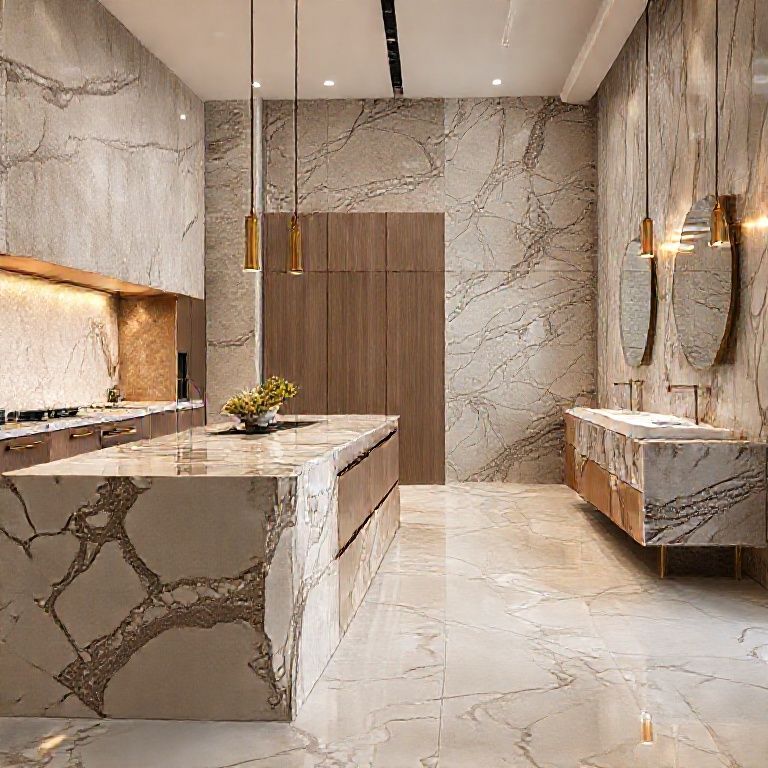
Granite Countertops: The Classic Choice
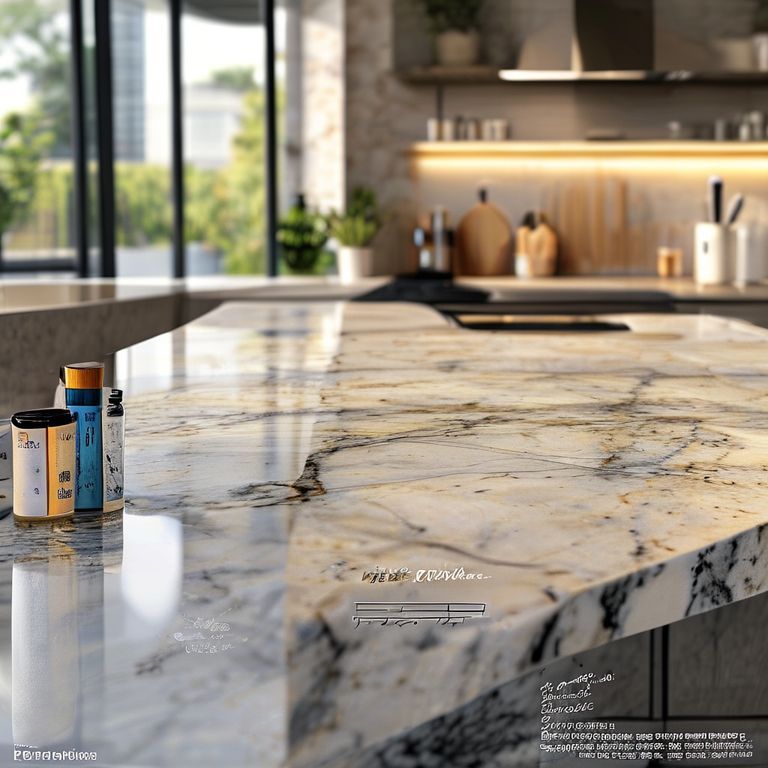
Granite countertops are timeless and have been a favorite for decades. Originating from natural stone, granite offers a stunning array of colors and patterns. It’s known for its durability and low maintenance. Here’s what makes granite a top contender:
Durability: Granite is one of the hardest natural stones available, making it highly resistant to scratches, dents, and stains. This means it can withstand heavy use and last for many years without showing signs of wear. Aesthetics: The natural beauty of granite comes from its unique patterns and colors. From sleek blacks to vibrant reds, there’s a piece of granite that will match any kitchen decor. Low Maintenance: Granite requires minimal maintenance. Regular cleaning with a mild soap and water solution will keep it looking pristine. Avoid using acidic cleaners as they can etch the surface.
Quartz Countertops: The Modern Marvel
Quartz countertops have emerged as a popular alternative to traditional materials like granite. Manufactured by combining quartz particles with resin, quartz offers a myriad of benefits:
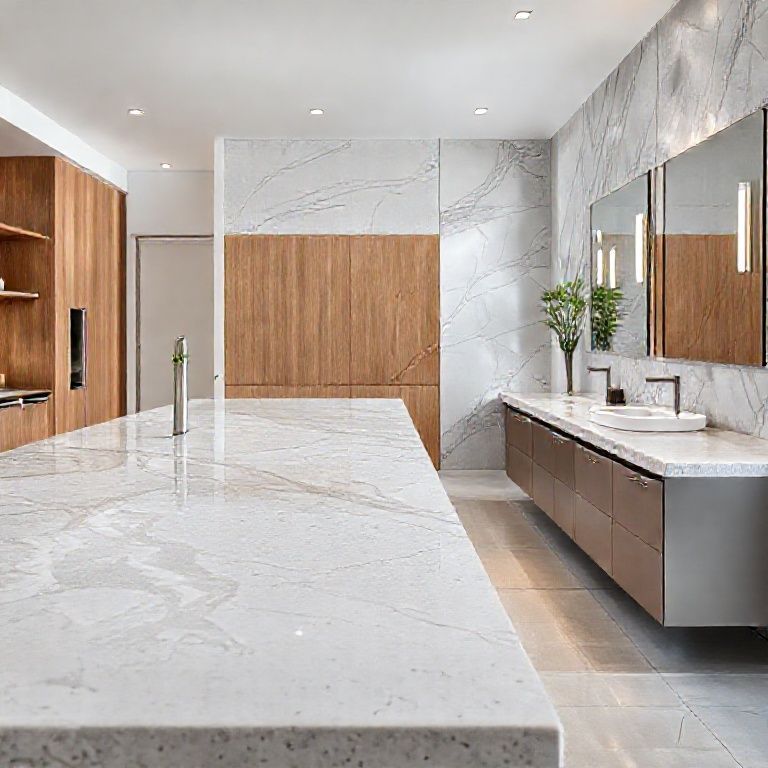
Durability: Quartz is known for its impressive durability. It’s scratch-resistant and can withstand high heat, making it ideal for modern kitchens. Aesthetics: With thousands of color options, quartz allows for a high degree of customization. You can choose colors or patterns that perfectly match your kitchen’s style. Low Maintenance: Similar to granite, quartz requires minimal maintenance. A gentle wipe with a damp cloth and mild cleaner will keep it looking new.
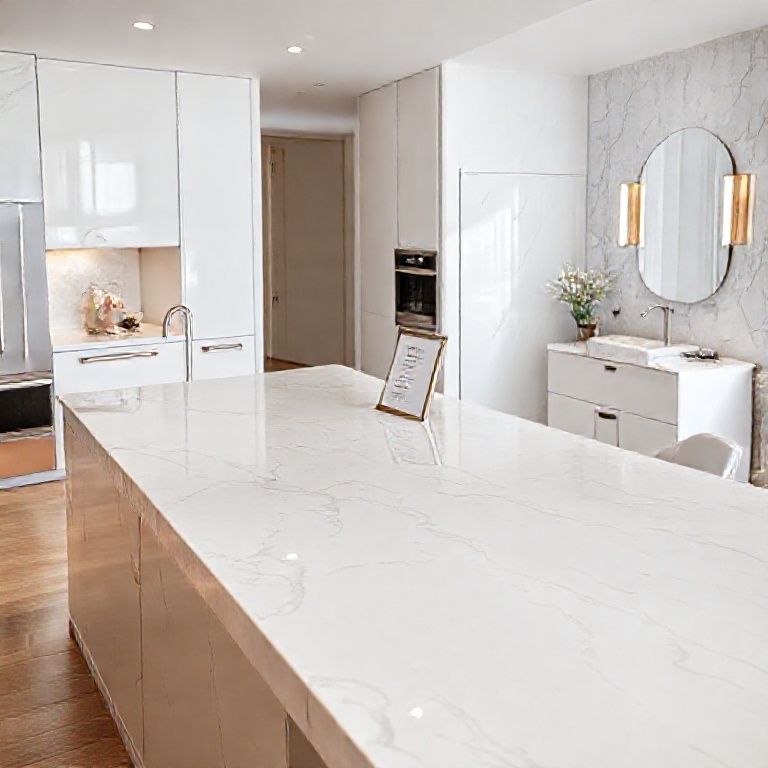
Marble Countertops: The Luxurious Option
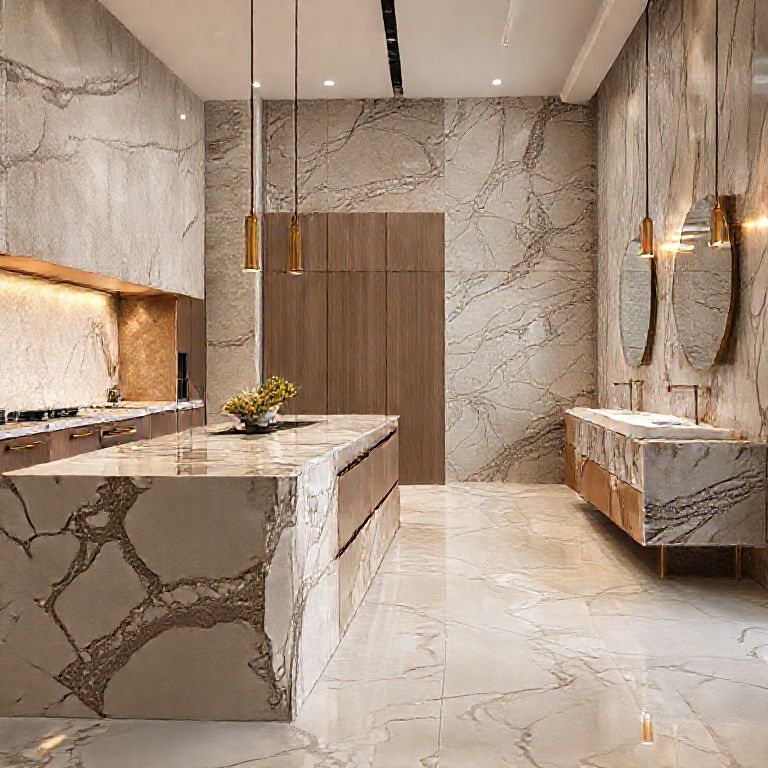
Marble countertops exude elegance and sophistication. However, it’s important to note that marble is softer than granite and quartz, making it less durable.
Durability: Marble is more prone to scratches and stains. It’s best suited for low-traffic areas where it won’t be subjected to heavy use. Aesthetics: Marble’s natural veining and colors make it incredibly beautiful. It offers a luxurious feel that can elevate the look of any kitchen. Maintenance: Marble requires regular sealing to protect against stains. It’s important to clean it gently and avoid using harsh chemicals.
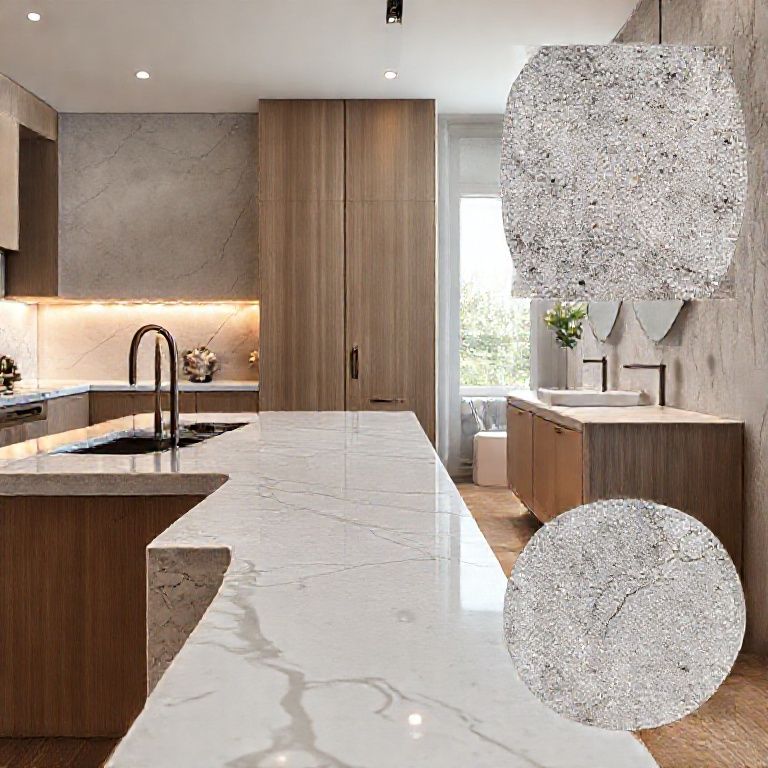
Composite Countertops: The Budget-Friendly Option
For those looking for an affordable yet durable option, composite countertops are an excellent choice. Made from a combination of recycled materials like wood, plastic, and stone, composite countertops offer:
Durability: Composites are highly resistant to scratches, stains, and heat. They’re a great choice for families with children or those who cook frequently. Aesthetics: Available in a wide range of colors and patterns, composites can mimic the look of natural stone, wood, or even metal. Low Maintenance: Composite countertops are easy to clean and maintain. A simple wipe with a damp cloth will suffice.
Laminate Countertops: The Affordable Choice
Laminate countertops are another budget-friendly option that offers a variety of styles.
Durability: Laminates are less durable than natural stone or composite materials. They can scratch easily but are relatively affordable. Aesthetics: Laminates come in numerous designs and colors, allowing for creative and personalized kitchen designs. Maintenance: Easy to clean, laminates require only a damp cloth and mild soap to maintain their appearance.
Conclusion
Choosing the right material for your kitchen countertop depends on various factors like durability, aesthetics, and maintenance. Granite and quartz offer durability and low maintenance, making them excellent choices for heavy use. Marble provides a luxurious look but requires more care. Composite and laminate are budget-friendly options that offer good durability and easy maintenance.
In the next part of our guide, we will explore in-depth the installation process, the pros and cons of each material, and how to maintain them to keep your kitchen looking its best.
Installation, Pros and Cons, and Maintenance of Kitchen Countertops
Welcome back to our detailed guide on selecting the best materials for your kitchen countertop. In this second part, we’ll dive deeper into the installation process, the pros and cons of each material, and how to properly maintain your countertop to ensure it looks great for years to come.
Installation Process
The installation process can vary depending on the material you choose. Here’s a brief overview of the installation for each type of countertop:
Granite: Granite countertops usually require professional installation due to their weight and the need for precise fitting. A professional installation ensures the granite is secured correctly and prevents any issues with sealing and maintenance. Quartz: Quartz countertops are also best installed by professionals. The process involves securing the countertop to the cabinet, ensuring there are no gaps, and sealing the edges to prevent water from seeping underneath. Marble: Marble countertops are best installed by experienced professionals to avoid any potential damage. The installation process is similar to granite but requires extra care to prevent scratches and dents. Composite: Composite countertops are easier to install than natural stone. They can often be installed by homeowners, though professional installation is recommended for best results. Laminate: Laminate countertops are the easiest to install. They can often be cut and fitted by homeowners. However, professional installation is advisable for a precise fit.
Pros and Cons of Each Material
Understanding the pros and cons of each material will help you make an informed decision.
Granite:
Pros: Exceptional durability, low maintenance, natural beauty.
Cons: Heavier than other materials, requires professional installation, more expensive.
Quartz:
Pros: Highly durable, scratch-resistant, easy to clean, wide range of colors and patterns.
Cons: Requires professional installation, can be expensive.
Marble:
Pros: Luxurious appearance, natural beauty.
Cons: Less durable, requires regular sealing, can be expensive.
Composite:
Pros: Affordable, durable, wide range of designs, easy to install.
Cons: Less durable than natural stone, potential for cracking over time.
Laminate:
Pros: Budget-friendly, easy to install, wide range of designs.
Cons: Less durable, can scratch easily, not suitable for high-traffic areas.
Maintenance Tips
Proper maintenance will keep your countertop looking new and extend its lifespan. Here are some maintenance tips for each material:
Granite:
Cleaning: Use a mild soap and water solution. Avoid acidic cleaners that can etch the surface.
Maintenance: Regularly check for any chips or cracks and repair them promptly.
Quartz:
Cleaning: Wipe with a damp cloth and mild cleaner. Avoid using acidic or abrasive cleaners.
Maintenance: Regularly check for any scratches or chips and repair them.
Marble:
Cleaning: Use a soft cloth and mild soap. Avoid acidic cleaners.
Maintenance: Regularly seal the countertop to protect against stains. Avoid placing hot pots or pans directly on the surface.
Composite:
Cleaning: Wipe with a damp cloth and mild cleaner. Avoid using acidic cleaners.
Maintenance: Regularly check for any scratches or cracks and repair them.
Laminate:
Cleaning: Use a damp cloth and mild soap. Avoid using abrasive cleaners.
Maintenance: Regularly check for any scratches or dents and repair them.
Conclusion
Choosing the right countertop material for your kitchen involves considering factors like durability, aesthetics, and maintenance. Granite and quartz offer superior durability and low maintenance, while marble provides a luxurious look at a higher cost and maintenance requirement. Composite and laminate are more affordable options that still offer good durability and are easier to maintain.
在决定最终选择前,还有几个重要的考虑因素和实际应用场景可以帮助你做出更明智的决定。
实际应用场景
不同的材料在不同的使用环境中表现各异。了解这些差异可以帮助你做出更符合实际需求的选择。
家庭厨房: 如果你的厨房主要用于日常烹饪和准备食物,耐用性和易清洁性是首要考虑因素。石英和花岗岩是不错的选择,因为它们都非常耐用且易于清洁。
餐馆或咖啡馆: 在餐馆或咖啡馆中,台面需要承受高强度使用,并且需要定期清洁和消毒。石英和不锈钢可能是更好的选择,因为它们极易清洁,耐用且能够经受住高频率的使用。
豪宅厨房: 如果你在豪宅中,你可能更加关注外观和设计。大理石和人造石都可以提供高端、奢华的外观。但需要注意的是,大理石需要更多的维护和保养。
预算考虑
大理石: $80-$300/平方英尺 花岗岩: $100-$300/平方英尺 石英: $70-$200/平方英尺 复合材料: $30-$80/平方英尺 乳胶板: $20-$60/平方英尺
环保和健康因素
现在越来越多的人关注环保和健康问题。选择环保材料不仅对环境有益,还能减少有害化学物质的暴露。
石英和花岗岩: 这些材料一般较为环保,不含有害化学物质。 复合材料: 有些复合材料可能会释放轻微的甲醛,但有些高品质的复合材料经过特殊处理,可以减少有害物质的释放。 大理石: 天然石材,环保性较好,但需要注意在切割过程中可能会产生微小石屑。
未来升值
选择有潜力升值的材料也是一个重要考虑因素。一般来说,天然石材如大理石和花岗岩在市场上的保值性较好,而一些新型材料如高品质石英也有很好的升值潜力。
总结
耐用性和易清洁性: 石英和花岗岩是常见的选择,尤其适合频繁使用的厨房。 美观和设计: 大理石和人造石提供了丰富的设计选择,适合注重外观的用户。 预算: 根据预算选择最合适的材料。复合材料和乳胶板适合预算有限的选择,而石英和花岗岩则适合预算充足的用户。
环保和健康: 选择环保材料,减少有害物质的暴露。