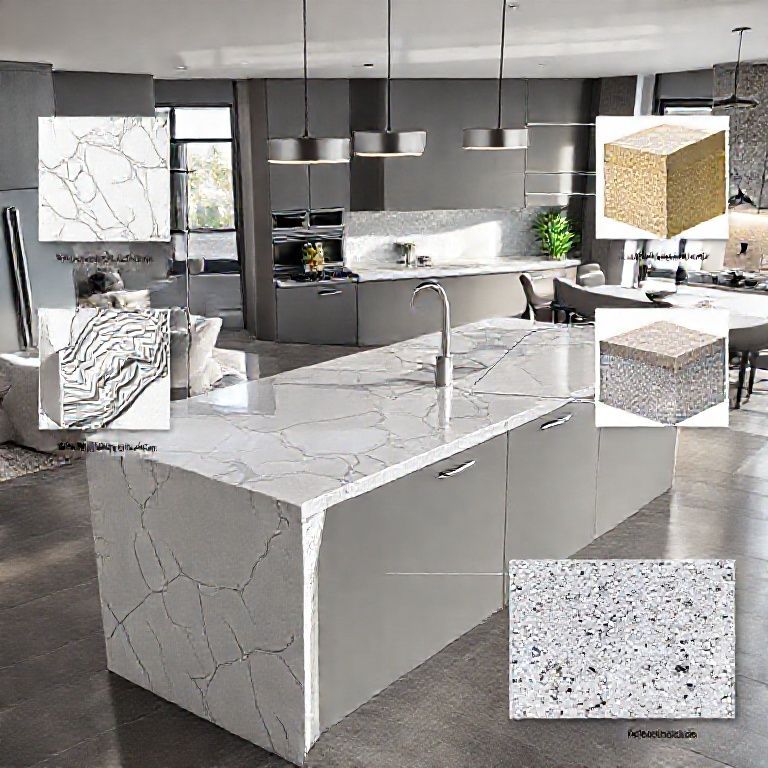
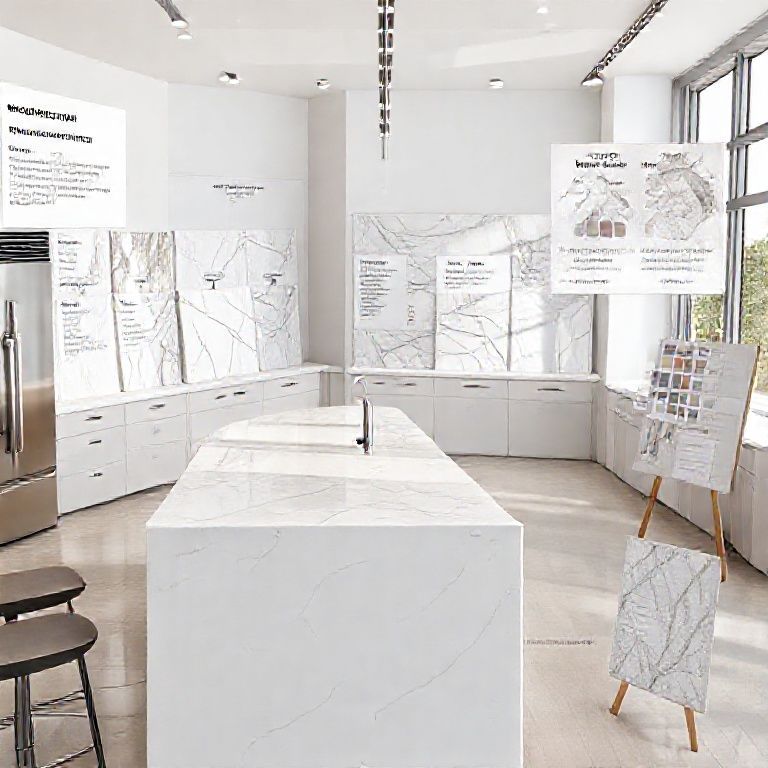
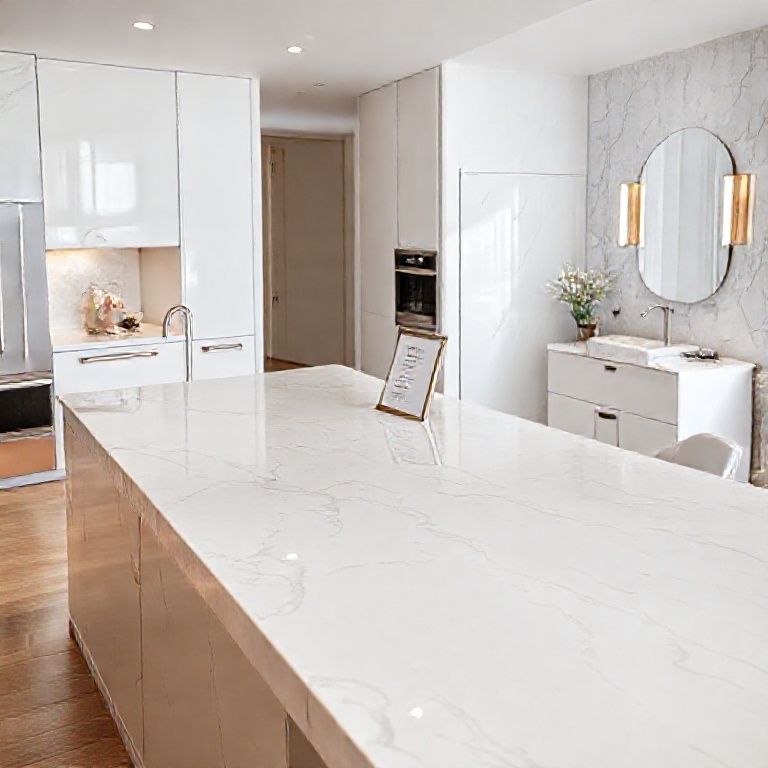
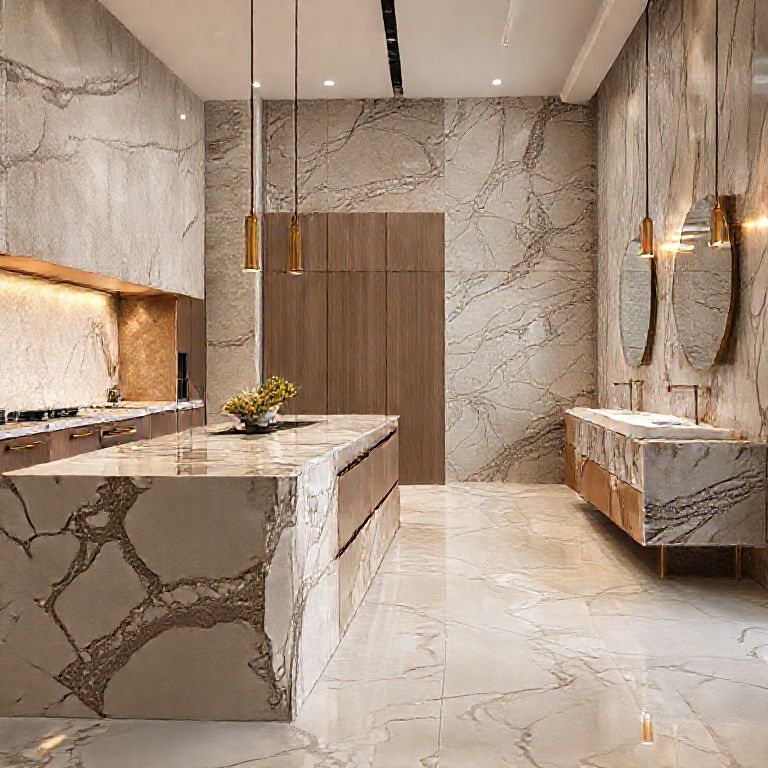
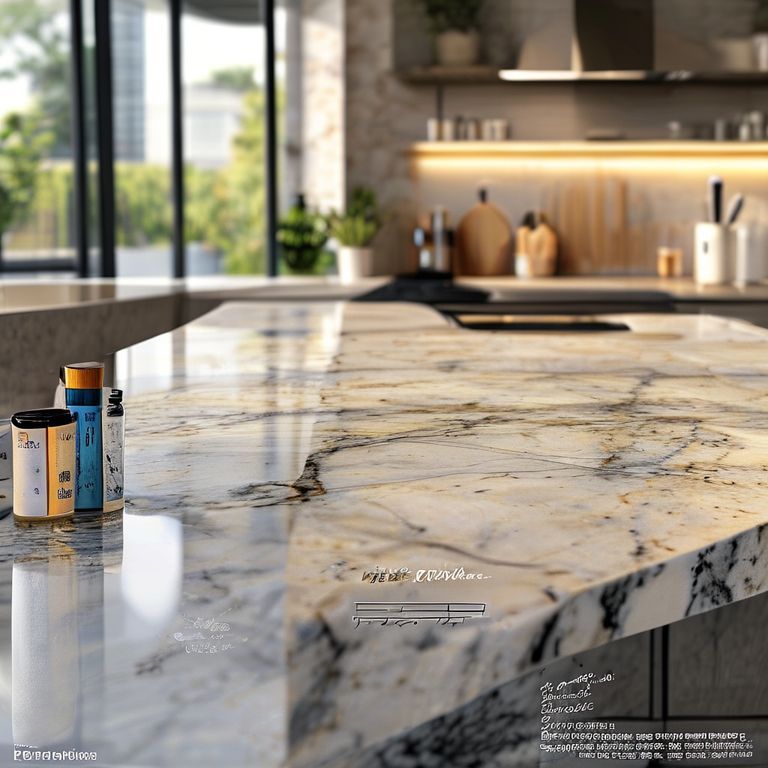
In today’s kitchen design landscape, the choice of materials for cabinet countertops is more critical than ever. Not only do these surfaces need to withstand daily use, but they also play a significant role in the overall aesthetic of your kitchen. Whether you are renovating an existing space or building a new home, selecting the right countertop material can make a world of difference. Here’s an in-depth look at some of the best materials available for cabinet countertops, focusing on durability, beauty, and ease of maintenance.
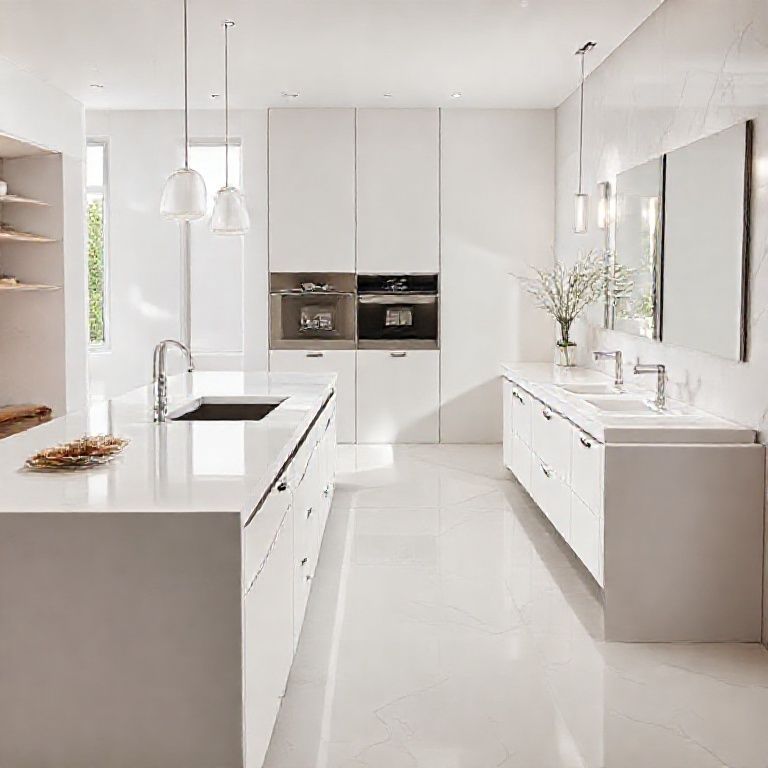
Granite: Timeless and Durable
Granite has long been a favorite for cabinet countertops due to its timeless elegance and impressive durability. Originating from natural stone, granite is known for its unique patterns and colors, which add a touch of luxury to any kitchen.
Pros:
Hardness: Granite is one of the hardest natural stones, making it highly resistant to scratches and stains. Aesthetic Appeal: The natural veining and color variations in granite provide a unique and visually stunning look. Low Maintenance: With proper sealing, granite countertops require minimal maintenance and can last for decades.
Cons:
Cost: Granite is one of the more expensive options, and prices can vary widely based on the type and quality. Weight: Granite countertops are heavy, which can pose challenges for installation and structural support.
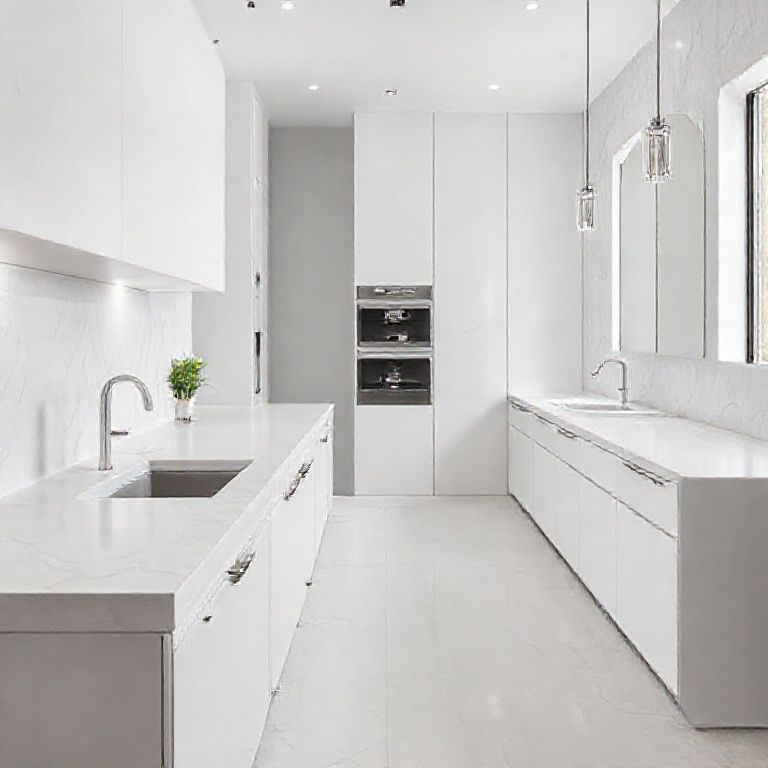
Quartz: The Modern Alternative
Quartz countertops have surged in popularity as a modern alternative to traditional stone options. Manufactured from 90% quartz and 10% bonding agents, quartz offers a sleek, uniform look that is customizable to suit any design.
Pros:
Durability: Quartz is incredibly hard and scratch-resistant, making it an excellent choice for high-traffic areas. Variety: Available in virtually any color or pattern, quartz countertops can mimic the look of other materials, including granite, marble, and wood. Low Maintenance: Unlike natural stone, quartz does not require sealing and is resistant to stains and odors.
Cons:
Cost: While generally more affordable than granite, premium quartz countertops can still be pricey. Installation: Quartz countertops are brittle and can break if dropped or subjected to excessive force.
Composite Materials: Affordable and Versatile
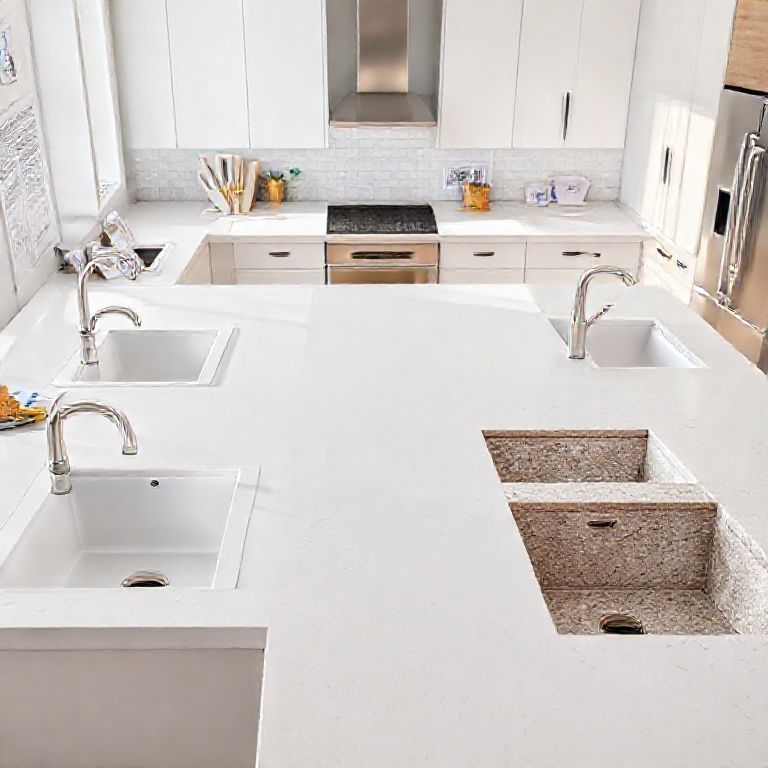
Composite materials, including solid surface composites, offer a cost-effective solution for those who want the look of natural stone without the high price tag. These materials are made from a mixture of resins, minerals, and glass fibers, which are fused together to create a smooth, solid surface.
Pros:
Affordability: Composite materials are generally more affordable than natural stone or high-end quartz. Customization: Available in a wide range of colors and patterns, composite countertops can be tailored to match any kitchen design. Maintenance: Easy to clean and maintain, composite surfaces are resistant to stains, scratches, and even some chemicals.
Cons:
Durability: While durable, composite materials are not as hard as granite or quartz and can be more susceptible to scratches. Heat Resistance: Some composite materials may not withstand extreme heat, which can cause warping or discoloration.
Solid Wood: Classic and Natural
For those who prefer a more natural look, solid wood countertops offer a timeless and organic aesthetic. Made from a single piece of wood, these countertops provide a rustic charm that is both beautiful and functional.
Pros:
Aesthetic Appeal: The natural grain and color variations in solid wood create a unique, inviting look. Durability: When properly maintained, solid wood countertops can last for many years. Eco-Friendly: Solid wood is a natural, renewable resource that offers a sustainable option for environmentally conscious homeowners.
Cons:
Maintenance: Solid wood requires regular maintenance to prevent warping, splitting, and staining. Cost: High-quality solid wood can be expensive, and prices can vary widely based on the type of wood used. Sensitivity: Wood is more susceptible to scratches, dents, and changes in temperature and humidity.
Laminate: Budget-Friendly and Easy to Install
Laminate countertops are an affordable and easy-to-install option that offers a variety of design possibilities. Made from multiple layers of paper or plastic pressed together, laminate provides a smooth, durable surface.
Pros:
Cost: Laminate is one of the most budget-friendly options for cabinet countertops. Design Variety: Available in a wide range of colors and patterns, laminate countertops can mimic the look of other materials. Ease of Installation: Laminate is lightweight and easy to install, often requiring minimal professional help.
Cons:
Durability: While laminate is more durable than some might expect, it is still less scratch-resistant than natural stone or composite materials. Maintenance: Although relatively low-maintenance, laminate can be susceptible to scratches and dents. Longevity: Laminate may not last as long as more premium materials, and its aesthetic can become outdated more quickly.
Conclusion
Choosing the best material for your cabinet countertops involves balancing durability, aesthetic appeal, and maintenance requirements. Whether you opt for the timeless elegance of granite, the modern look of quartz, the versatility of composite materials, the natural beauty of solid wood, or the budget-friendly laminate, each option offers unique benefits that cater to different preferences and needs. Consider your kitchen’s usage, design style, and budget to make an informed decision that enhances both the functionality and beauty of your space.
When it comes to selecting the perfect material for your cabinet countertops, understanding the specifics and nuances of each option can significantly influence your decision. This second part of our comprehensive guide will delve deeper into some of the top materials, providing more detailed insights and considerations to help you make an informed choice for your kitchen renovation or new home build.
The Rise of Engineered Stone
Engineered stone is a hybrid material that combines the best features of natural stone and composite materials. Made by layering natural stone with resin and then compressing it under high pressure, engineered stone offers a durable, cost-effective alternative to solid stone.
Pros:
Durability: Engineered stone is highly scratch and stain-resistant, making it an excellent choice for high-traffic areas. Customization: Available in a wide range of colors and patterns, engineered stone can mimic the look of natural stone while providing more consistent results. Cost: Generally more affordable than solid stone, engineered stone offers a balance of quality and price.
Cons:
Weight: While lighter than solid stone, engineered stone is still heavier than composite materials, which can pose installation challenges. Heat Resistance: Some engineered stone options may not withstand extreme heat, so it’s important to choose a high-quality product.
Marble: Luxurious and Versatile
Marble is one of the most luxurious and versatile materials available for cabinet countertops. Known for its striking veining and color variations, marble has been a favorite for centuries, especially in high-end kitchens.
Pros:
Aesthetic Appeal: The unique veining and color variations in marble create a stunning, luxurious look. Durability: Marble is relatively hard and scratch-resistant, although it can be more susceptible to staining than other stone options. Customization: Available in a wide range of colors and patterns, marble can be tailored to fit any design vision.
Cons:
Maintenance: Marble requires regular sealing to prevent staining and is susceptible to acid-based spills, which can cause etching. Cost: High-quality marble can be very expensive, and prices can vary widely based on the type and quality. Weight: Marble countertops are heavy and can pose installation challenges.
Corian: The Pioneer of Solid Surfaces
Introduced in the 1970s, Corian is a type of solid surface made from acrylic resin and mineral pigments. Known for its strength, durability, and versatility, Corian has been a popular choice for many years.
Pros:
Durability: Corian is highly scratch-resistant and resistant to stains, making it an excellent choice for high-traffic areas. Customization: Available in a wide range of colors and patterns, Corian can be tailored to fit any design vision. Ease of Maintenance: Corian is low-maintenance and easy to clean, requiring only a simple wipe-down with a damp cloth.
Cons:
Heat Resistance: Corian is not as heat-resistant as some other solid surface materials, so it’s important to choose a high-quality product. Cost: While generally affordable, premium Corian countertops can still be pricey.
Stainless Steel: The Industrial Look
Stainless steel countertops offer a sleek, modern, and industrial look that is both functional and stylish. Made from high-grade stainless steel, these countertops are durable and easy to maintain.
Pros:### Pros:
Durability: Stainless steel is highly durable and resistant to scratches, stains, and corrosion. Ease of Maintenance: Stainless steel countertops are easy to clean and maintain, requiring only a simple wipe-down with a damp cloth. Aesthetic Appeal: The sleek, modern look of stainless steel adds a contemporary and industrial touch to any kitchen. Hygienic: Stainless steel is non-porous, making it hygienic and resistant to bacteria and mold.
Cons:
Aesthetic Limitations: While stainless steel is modern and stylish, it offers limited color options and a more uniform look compared to other materials. Heat Resistance: Stainless steel can become very hot on the surface, so it’s important to use caution with hot pots and pans. Installation: Stainless steel countertops can be more challenging to install due to their weight and the need for precise cuts.
Bamboo: The Sustainable Choice
Bamboo is an increasingly popular choice for cabinet countertops due to its sustainability and unique appearance. Made from compressed layers of bamboo, bamboo countertops are both eco-friendly and durable.
Pros:
Sustainability: Bamboo grows rapidly and is a renewable resource, making it an environmentally friendly option. Durability: Bamboo is highly durable and resistant to scratches, stains, and scratches, although it can be more susceptible to water damage compared to other materials. Aesthetic Appeal: The natural grain and color variations in bamboo create a unique, organic look. Ease of Maintenance: Bamboo countertops are relatively low-maintenance, though they do require regular sealing to prevent water damage.
Cons:
Water Resistance: Bamboo is not as water-resistant as other materials, so it’s important to seal it properly and avoid excessive exposure to moisture. Cost: High-quality bamboo countertops can be expensive, although prices are generally lower than solid stone options. Availability: Bamboo countertops may not be as readily available as other materials, which can affect availability and options.
Conclusion
Selecting the best material for your cabinet countertops involves considering a variety of factors, including durability, maintenance requirements, aesthetic appeal, and budget. Each material offers unique benefits and drawbacks that cater to different preferences and needs.
Granite and Quartz provide timeless elegance and modern design with high durability and low maintenance. Composite Materials offer a versatile and affordable option with customizable designs. Solid Wood provides a natural, rustic charm but requires significant maintenance. Laminate is a budget-friendly and easy-to-install option with a variety of designs. Engineered Stone combines the best of natural stone and composite materials for a durable and cost-effective solution. Marble offers a luxurious and versatile option with stunning aesthetics but requires regular sealing. Corian provides a strong, durable, and easy-to-maintain surface with a wide range of color options. Stainless Steel offers a sleek, modern look with high durability but limited color options. Bamboo provides a sustainable and unique aesthetic but requires proper sealing to prevent water damage.
By carefully evaluating these factors, you can make an informed decision that enhances both the functionality and beauty of your kitchen.