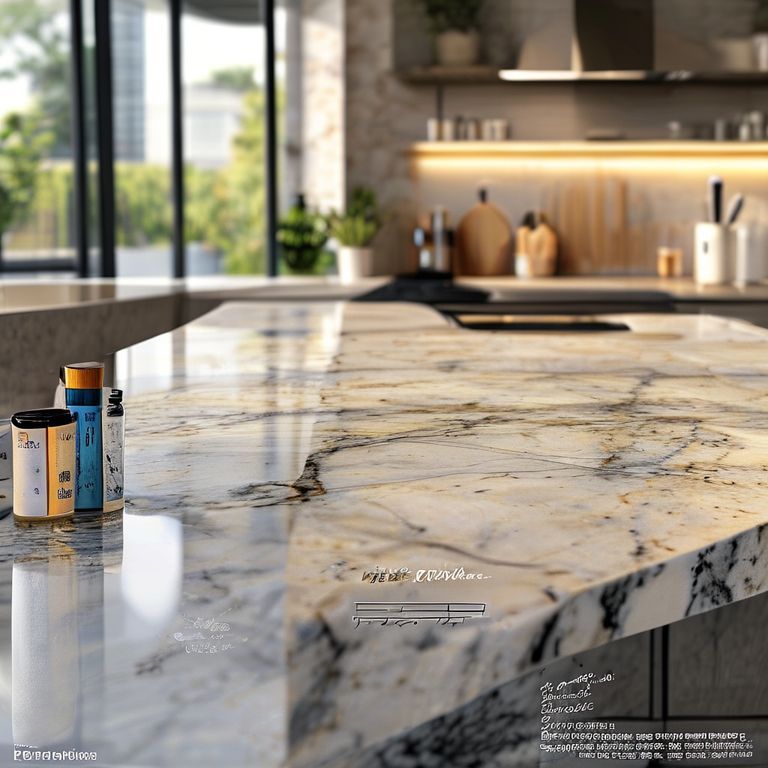
The Ultimate Guide to Choosing the Best Materials for Your Kitchen Countertops
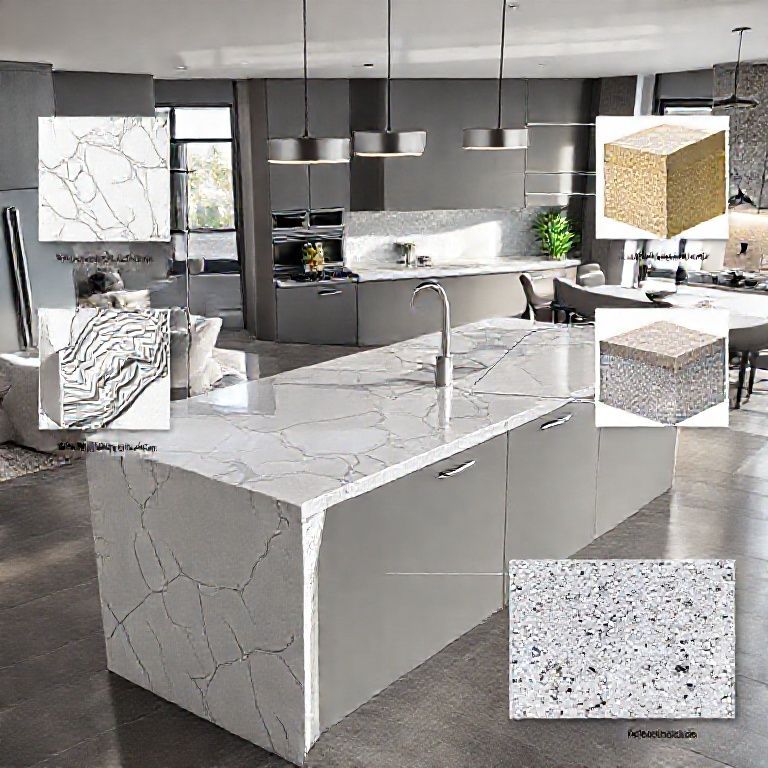
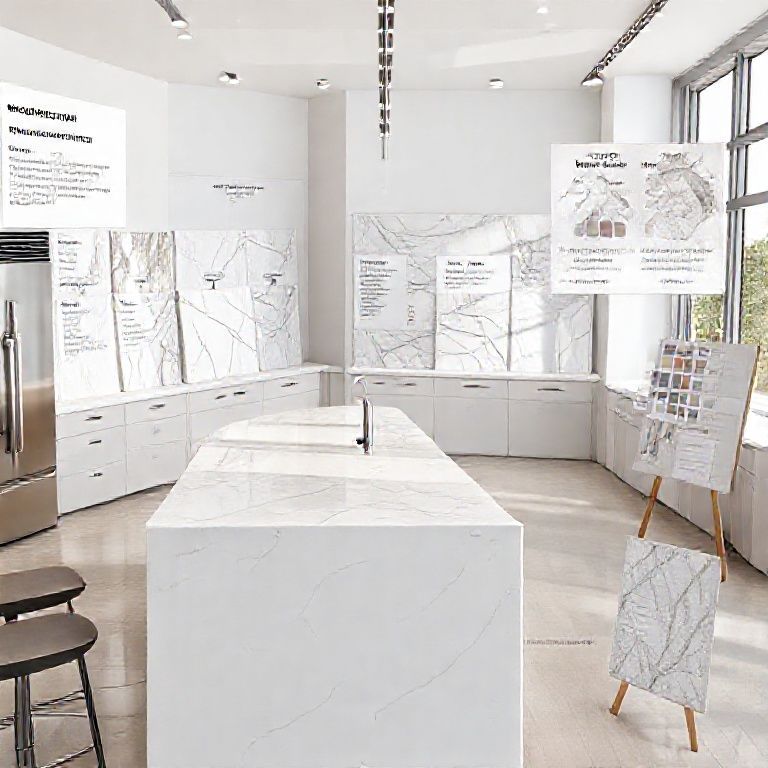
When it comes to designing a modern and functional kitchen, one of the most critical elements is the countertop. The kitchen countertop not only serves as a central workspace but also adds to the overall aesthetic appeal of your kitchen. With so many options available, selecting the best material for your kitchen countertop can be overwhelming. In this part of our comprehensive guide, we will delve into the top materials commonly used for kitchen countertops, focusing on their durability, aesthetics, cost-effectiveness, and maintenance.
1. Granite
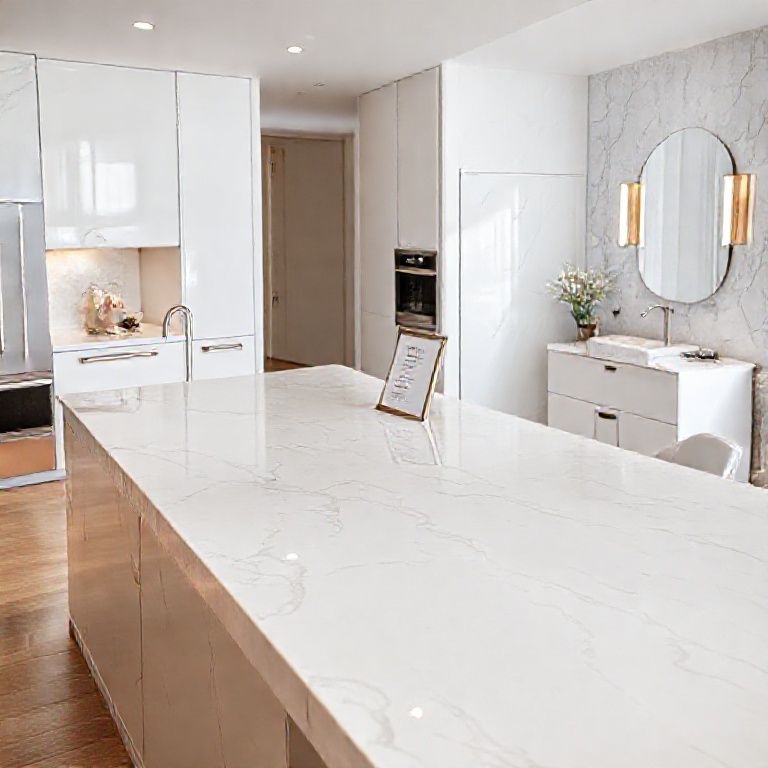
Durability: Granite is renowned for its exceptional durability. This natural stone is resistant to scratches, stains, and heat, making it an ideal choice for high-traffic kitchen areas. Its hardness makes it less susceptible to damage, ensuring a long-lasting countertop.
Aesthetics: Granite comes in a vast array of colors and patterns, providing a high degree of customization. Whether you prefer a sleek, monochromatic look or something more intricate, granite can be tailored to fit your design vision.
Cost-Effectiveness: While granite tends to be on the higher end of the price spectrum, its durability and low maintenance often justify the cost. Additionally, its timeless appeal often maintains its value over time, making it a sound investment.
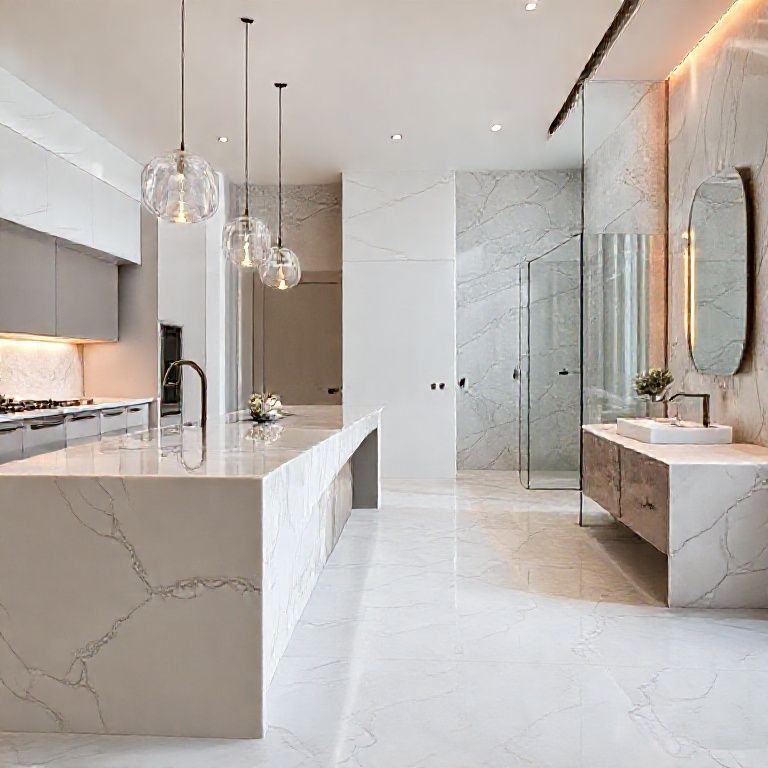
Maintenance: Granite countertops are relatively low-maintenance. Regular cleaning with mild soap and water is typically sufficient. Avoid using acidic cleaners, which can etch the surface.
2. Quartz
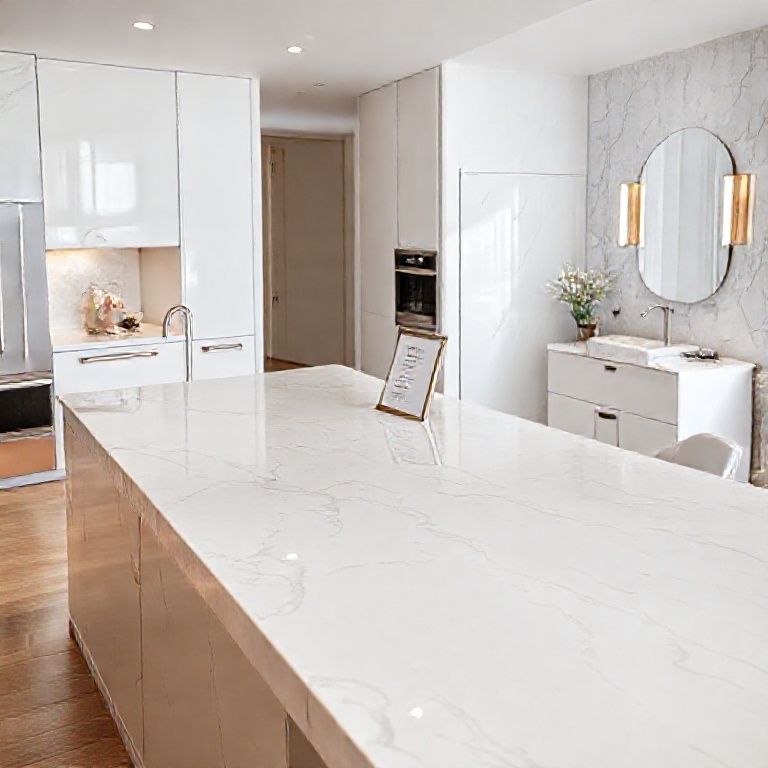
Durability: Quartz is a synthetic stone made from 90% quartz particles bonded together with resin. It offers remarkable durability, being highly resistant to stains, scratches, and heat. Quartz countertops do not absorb liquids, making them ideal for kitchens where spills are common.
Aesthetics: Quartz is available in a myriad of colors and patterns, mimicking the appearance of natural stone, wood, and even metal. This versatility allows for a wide range of design possibilities, catering to both contemporary and traditional styles.
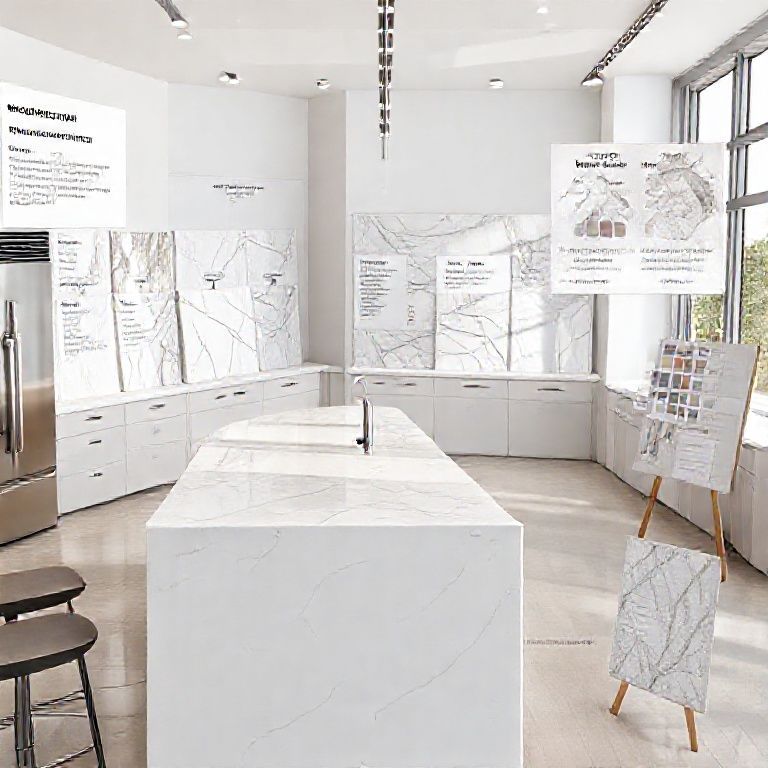
Cost-Effectiveness: Quartz countertops are generally more affordable than granite but still provide excellent durability. This makes them a popular choice for those seeking high-quality materials without breaking the bank.
Maintenance: Quartz is incredibly easy to maintain. A simple wipe with a damp cloth and mild cleaner is usually enough to keep the surface looking pristine. It is also resistant to staining and etching, ensuring longevity.
3. Stainless Steel
Durability: Stainless steel is known for its robust and resilient nature. It is highly resistant to scratches, stains, and corrosion, making it an excellent choice for kitchens with heavy use.
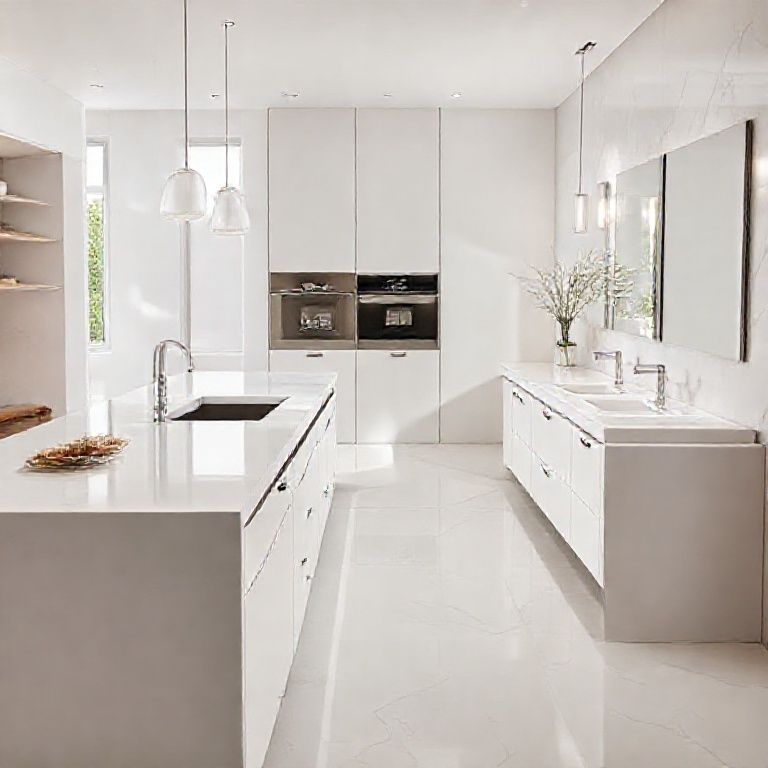
Aesthetics: Stainless steel offers a sleek, modern look that complements contemporary kitchen designs. It comes in various finishes, including brushed and polished, allowing for a range of visual effects.
Cost-Effectiveness: Stainless steel countertops are generally less expensive than granite and quartz, making them accessible to a broader range of homeowners.
Maintenance: While stainless steel is low-maintenance, it does require regular cleaning to prevent fingerprints and smudges from showing. A soft cloth and mild soap are usually sufficient to maintain its shine and appearance.
4. Laminate
Durability: Laminate is a composite material made from multiple layers of paper bonded together with resin. It is less durable than natural stone or stainless steel but is still a viable option for those on a budget. Laminate countertops can scratch easily and may not withstand extreme heat.
Aesthetics: Laminate comes in a wide variety of colors and patterns, allowing for significant design flexibility. It can mimic the look of more expensive materials like stone and wood.
Cost-Effectiveness: Laminate countertops are one of the most affordable options available. Their low cost makes them an attractive choice for those looking to minimize expenses.
Maintenance: Laminate is relatively easy to maintain. Regular cleaning with a damp cloth and mild soap will keep it looking new. Avoid using abrasive cleaners or utensils with hard edges, which can cause scratches.
5. Concrete
Durability: Concrete is a highly durable material, resistant to scratches, stains, and heat. It can withstand heavy use and is ideal for kitchens where durability is a top priority.
Aesthetics: Concrete offers a unique, rustic appeal that can add character to your kitchen. Its natural look can be customized with various colors and textures.
Cost-Effectiveness: Concrete countertops are moderately priced, offering a blend of durability and style at a reasonable cost.
Maintenance: Concrete requires regular sealing to protect against stains and moisture. Cleaning with mild soap and water is usually sufficient, but it’s important to address spills promptly to prevent etching.
Conclusion
Selecting the right countertop material involves considering various factors such as durability, aesthetics, cost, and maintenance. Whether you opt for the timeless elegance of granite, the modern versatility of quartz, the sleek finish of stainless steel, the budget-friendly laminate, or the unique appeal of concrete, each material offers distinct benefits and drawbacks. Understanding these aspects will help you make an informed decision that best suits your kitchen design and lifestyle needs.
Stay tuned for the second part of our guide, where we will explore more detailed insights into specific maintenance tips, design trends, and additional material options for your kitchen countertops.
The Ultimate Guide to Choosing the Best Materials for Your Kitchen Countertops
Continuing from our first part, this section will delve deeper into the intricacies of maintaining your chosen countertop material, explore emerging design trends, and highlight additional material options that you may not have considered. Ensuring your kitchen countertop not only looks great but also functions well over time is crucial for a harmonious kitchen space.
1. Maintenance Tips
Granite:
Cleaning: Use a soft cloth and mild soapy water to clean granite countertops. Avoid using acidic cleaners like vinegar or lemon juice, which can etch the surface. Sealing: Granite should be sealed every six months to a year, depending on usage and exposure to acidic substances. This helps protect against stains and etching.
Quartz:
Cleaning: Quartz countertops require minimal maintenance. A damp cloth and mild soap will suffice. Avoid using harsh chemicals or scrubbing too hard, as this can scratch the surface. Sealing: Quartz does not require sealing like granite. Its synthetic nature makes it highly resistant to stains and etching.
Stainless Steel:
Cleaning: Wipe stainless steel countertops with a soft cloth and mild soapy water. For stubborn spots, a stainless steel cleaner can be used. Polishing: Regular polishing with a stainless steel polish will keep the surface shiny and free from fingerprints.
Laminate:
Cleaning: Clean laminate countertops with a damp cloth and mild soap. Avoid using abrasive cleaners or scrubbing too hard. Scratch Prevention: To prevent scratches, avoid placing heavy objects directly on the countertop. Use coasters to protect the surface.
Concrete:
Cleaning: Clean concrete countertops with mild soap and water. For tough spots, a concrete cleaner can be used. Sealing: Concrete countertops should be sealed every six months to protect against stains and etching. Always use a food-grade sealer.
2. Emerging Design Trends
Minimalism: Minimalism continues to be a popular trend in kitchen design. Sleek, uncluttered countertops with simple lines and monochromatic color schemes are highly sought after. Materials like quartz and stainless steel align well with this trend due to their clean, modern looks.
Natural Elements: There’s a growing appreciation for natural materials in home design, including kitchens. Wood-look laminates and natural stone countertops are trending as they bring a sense of warmth and authenticity. These materials are versatile and can be incorporated into various design styles, from rustic to contemporary.
Sustainable Design: Sustainability is becoming increasingly important in kitchen design. Eco-friendly materials like bamboo and recycled composites are gaining popularity. These materials are not only durable and aesthetically pleasing but also environmentally conscious choices.
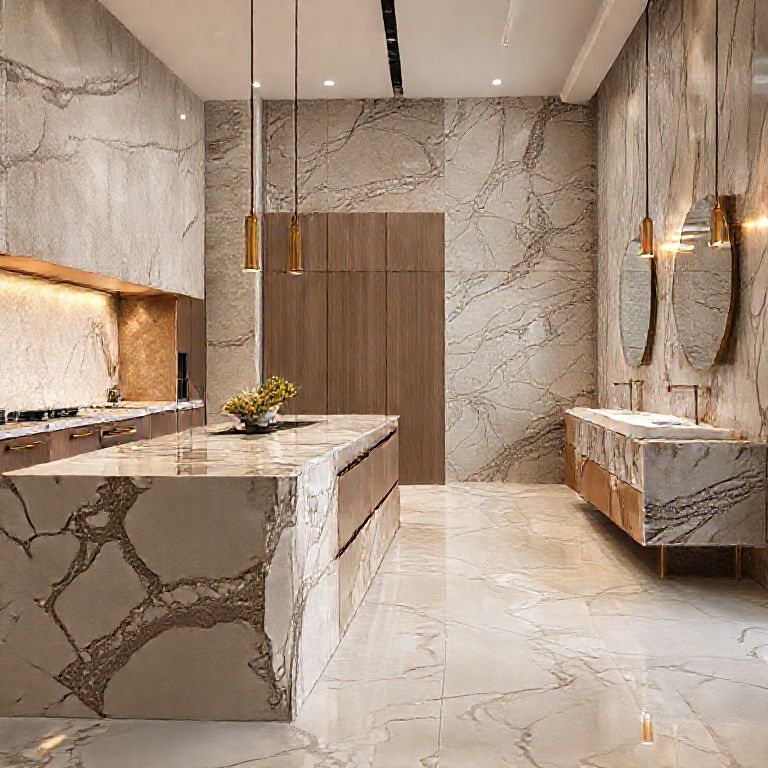
Bold Colors and Patterns: While minimalism remains popular, there’s also a trend towards bolder colors and patterns in kitchen design. Countertops with vibrant colors and intricate patterns are becoming more common. Materials like quartz and granite can be customized to include bold designs, allowing for creative and expressive kitchen spaces.
3. Additional Material Options
Bamboo:
Durability: Bamboo is a highly durable material, especially when laminated with other layers. It is resistant to scratches and stains. Aesthetics: Bamboo countertops offer a unique, natural look with a variety of textures and colors. Cost-Effectiveness: Bamboo countertops are moderately priced, offering a blend of durability and style at a reasonable cost.
Ceramic Tile:
Durability: Ceramic tiles are highly durable and resistant to scratches, stains, and moisture. They are an excellent choice for kitchens with heavy use. Aesthetics: Ceramic tiles come in a wide range of colors, patterns, and finishes, allowing for significant design flexibility. Cost-Effectiveness: Ceramic tiles are generally affordable, making them accessible to a broad range of homeowners.
Synthetic Composite:Ceramic Tile:
Maintenance: Ceramic tiles are easy to maintain. Regular cleaning with a damp cloth and mild soap will keep them looking new. They are also resistant to stains and etching, making them a low-maintenance option.
Stoneware:
Durability: Stoneware is a type of ceramic that is known for its strength and durability. It is resistant to scratches, stains, and heat. Aesthetics: Stoneware countertops come in various colors and patterns, offering a versatile option for kitchen design. Cost-Effectiveness: Stoneware countertops are moderately priced, providing a balance between durability and affordability.
Soapstone:
Durability: Soapstone is a soft stone that is more prone to scratches compared to granite or quartz. However, it is still durable and can withstand moderate heat. Aesthetics: Soapstone countertops have a warm, earthy appearance that adds a natural and rustic charm to the kitchen. Cost-Effectiveness: Soapstone is generally less expensive than granite and quartz, making it a budget-friendly option.
Cork:
Durability: Cork countertops are not as durable as stone or metal options. They are prone to scratches and may not withstand heavy use. Aesthetics: Cork offers a unique, natural look with a range of textures and colors. Its natural appearance adds a warm and inviting feel to the kitchen. Cost-Effectiveness: Cork countertops are relatively affordable, making them an attractive option for those on a budget.
Conclusion
Choosing the right material for your kitchen countertops involves a careful consideration of several factors, including durability, aesthetics, cost, and maintenance. Whether you opt for the timeless elegance of granite, the modern versatility of quartz, the sleek finish of stainless steel, or the budget-friendly laminate, each material offers distinct benefits and drawbacks. Understanding these aspects will help you make an informed decision that best suits your kitchen design and lifestyle needs.
Remember to also consider your kitchen’s usage patterns and how much maintenance you are willing to undertake. By weighing these factors, you can select a countertop material that not only enhances the beauty of your kitchen but also provides long-lasting functionality.
Thank you for joining us on this comprehensive exploration of kitchen countertop materials. We hope this guide has provided you with valuable insights to help you make the best choice for your kitchen. Stay tuned for more tips and trends in home design!