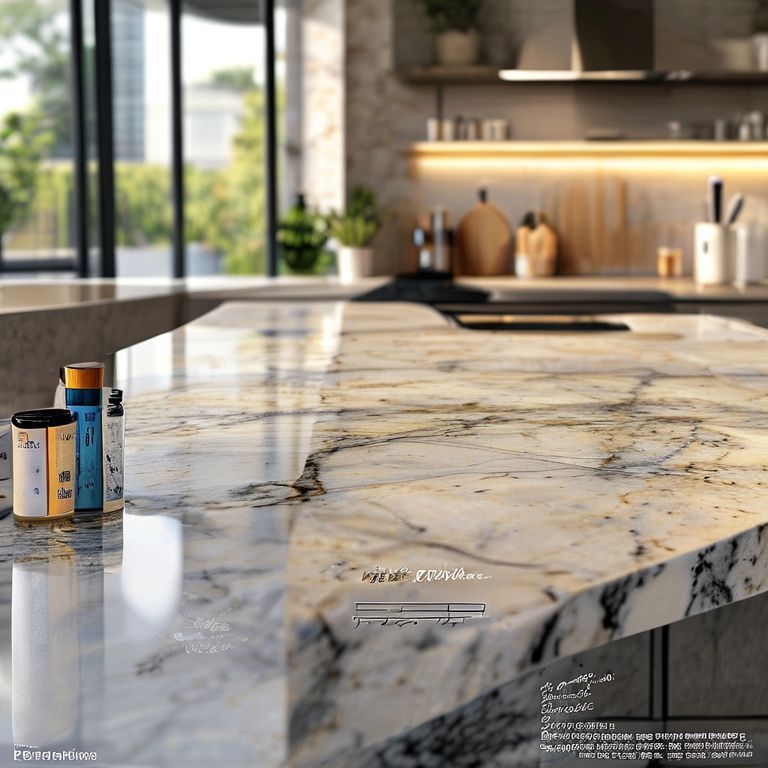
The Ultimate Guide to Choosing the Best Stone for Kitchen Countertops
When it comes to selecting the perfect material for your kitchen countertops, making an informed choice is crucial. The right stone can elevate your kitchen’s aesthetics and enhance its functionality. In this comprehensive guide, we will explore the most popular stone materials used for kitchen countertops, delving into their unique features, benefits, and maintenance requirements.
Understanding Stone Countertop Materials
Before diving into specific types of stone, it’s essential to understand what makes a good countertop material. The ideal stone for kitchen countertops should be durable, easy to clean, resistant to stains, and aesthetically pleasing. Let’s explore the most sought-after options:
Granite: Timeless and Durable
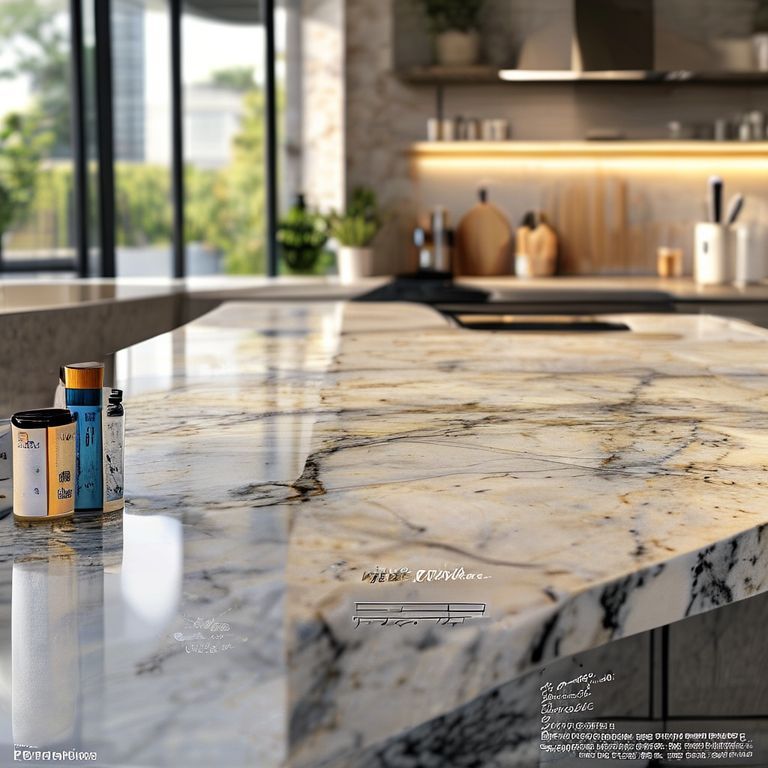
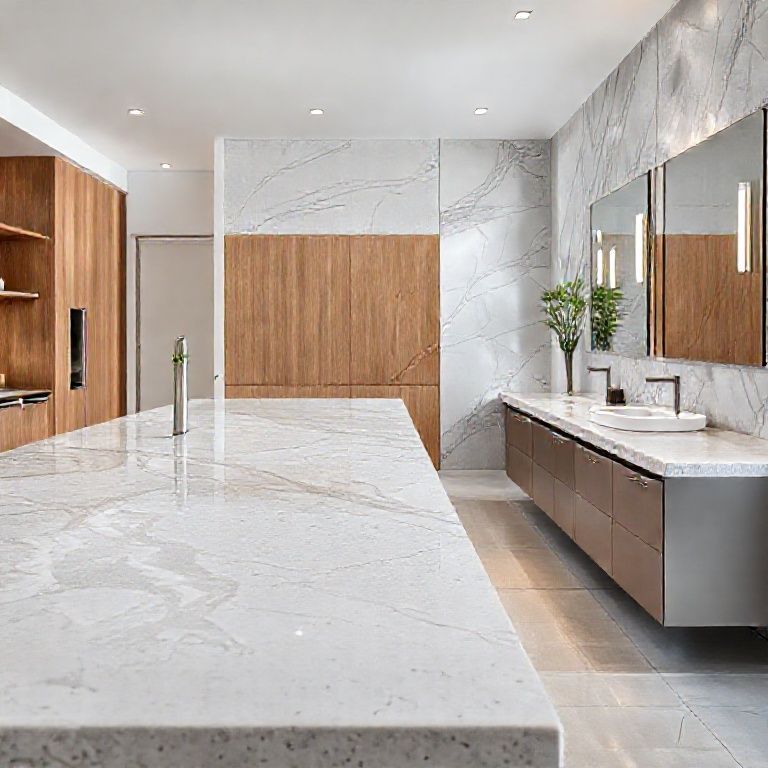
Granite is often considered the gold standard for kitchen countertops. Originating from natural stone formations, granite is known for its unmatched durability and timeless beauty. It boasts a unique pattern and color that come directly from its natural origin, making each piece one-of-a-kind.
Benefits:
Durability: Granite is highly resistant to scratches and scratches, making it a long-lasting choice. Heat Resistance: It can withstand high temperatures, making it safe for cooking utensils and hot pots. Low Maintenance: With proper sealing, granite countertops require minimal upkeep.
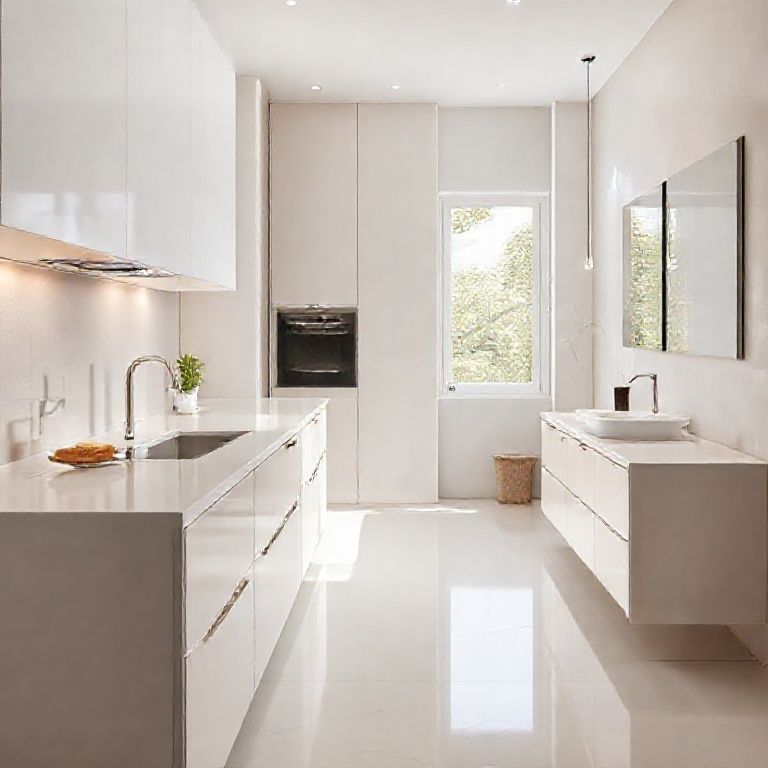
Maintenance: Granite requires regular sealing to protect its surface from stains and spills. It is also essential to use gentle cleaning products and avoid abrasive scrubbers to maintain its pristine look.
Quartz: The Modern Marvel
Quartz has emerged as a top contender in the world of kitchen countertops due to its combination of modern design and practicality. Manufactured from 90% natural quartz and 10% bonding agents, quartz offers a flawless surface that’s incredibly easy to maintain.
Benefits:
Stain Resistance: Quartz is virtually indestructible and resistant to stains, making it ideal for kitchens where spills are common. Variety of Colors: Available in thousands of colors and patterns, quartz allows for endless design possibilities. Low Maintenance: It requires minimal cleaning and does not need sealing.
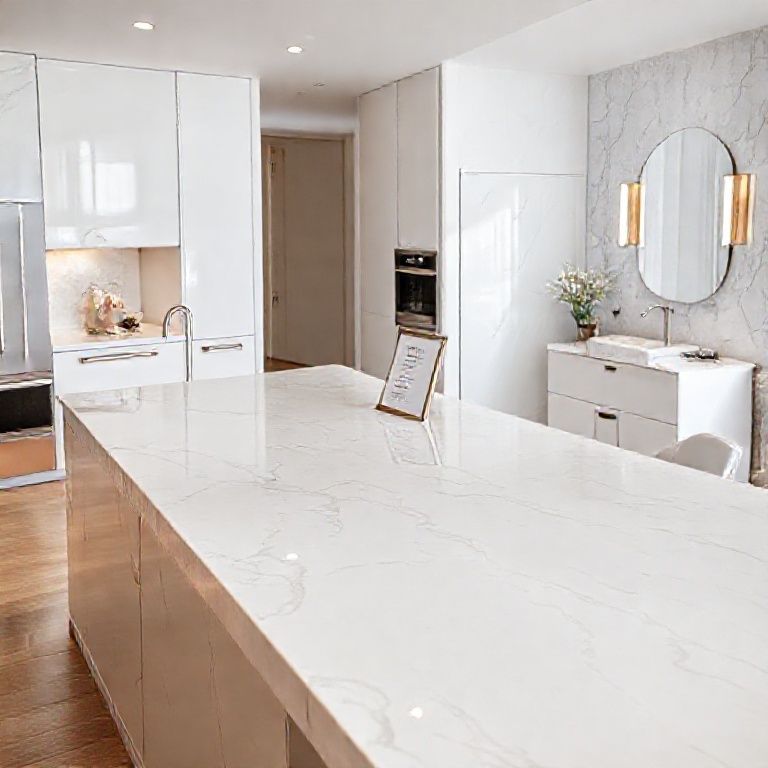
Maintenance: Quartz is a low-maintenance material that only needs regular dusting and occasional wiping with a mild soap and water solution.
Marble: Elegant and Luxurious
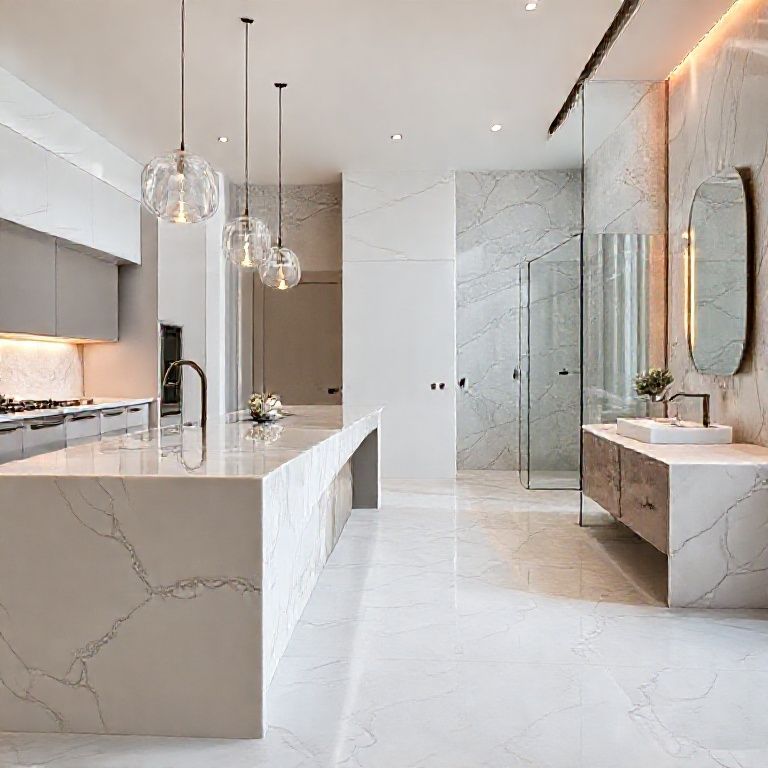
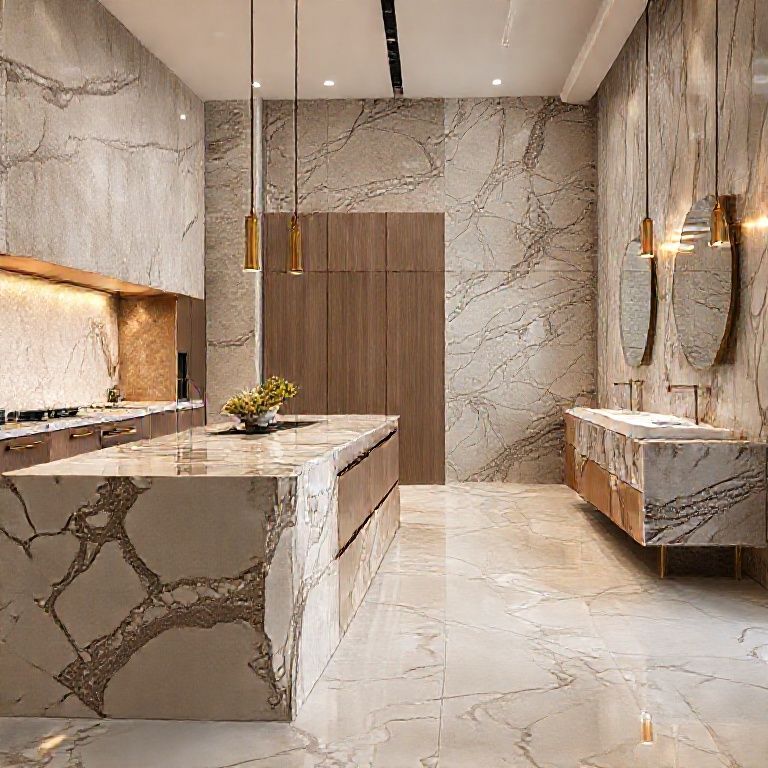
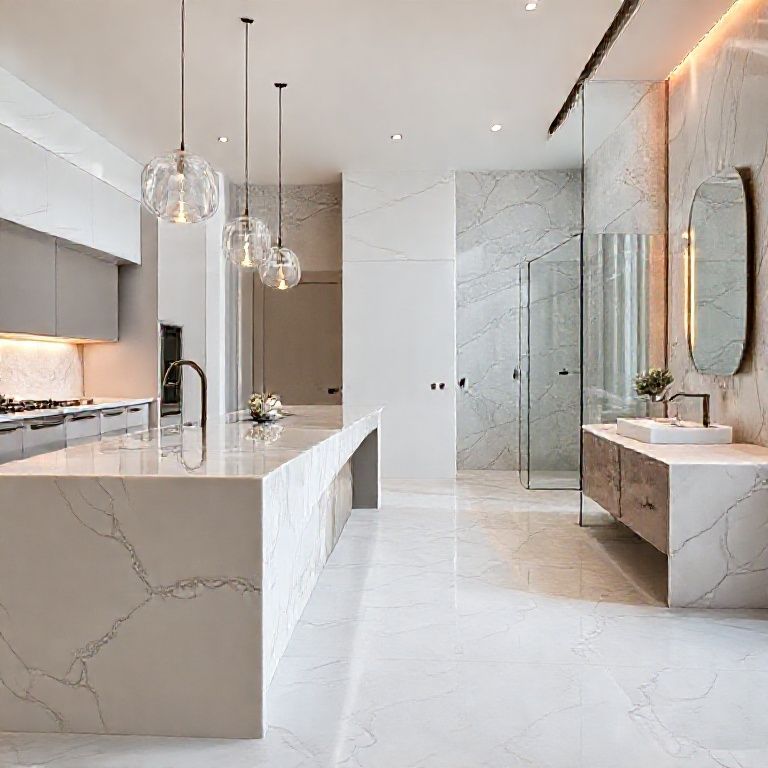
Marble has long been associated with luxury and elegance. Known for its beautiful veins and patterns, marble adds a touch of opulence to any kitchen. However, it’s important to note that marble requires more maintenance compared to other stone options.
Benefits:
Aesthetic Appeal: Marble’s unique veining and color patterns make it an elegant choice. Heat Tolerance: Marble can withstand high temperatures.
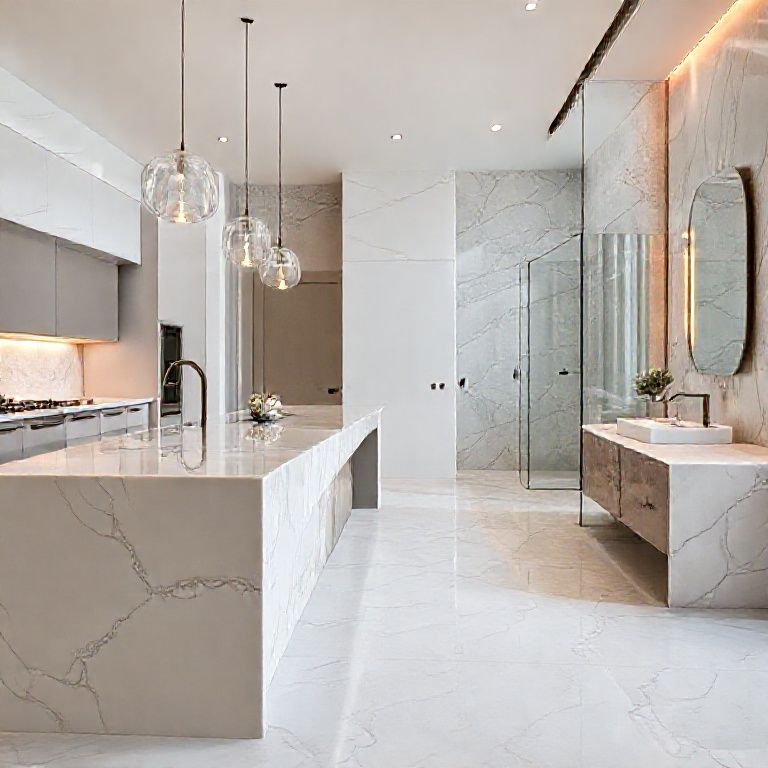
Maintenance: Marble is highly susceptible to stains and requires regular sealing. It is also important to use soft cloths and avoid acidic cleaning agents to prevent damage.
Considering Budget and Aesthetics
When choosing the best stone for your kitchen countertops, it’s essential to balance budget considerations with your aesthetic preferences. Here’s a brief comparison of the cost and design aspects of the popular stone options:
Granite: Generally falls in the higher price range due to its quality and durability. It offers a wide range of colors and patterns, making it versatile for various design styles. Quartz: More affordable than granite, quartz provides excellent value for its durability and ease of maintenance. It offers a vast array of colors and designs. Marble: Typically more expensive than granite and quartz, marble’s cost can vary significantly depending on the type and quality. It offers a luxurious look that’s perfect for high-end kitchens.
Tips for Choosing the Best Stone
Here are some key tips to help you choose the best stone for your kitchen countertops:
Consider Your Kitchen’s Design: Match the stone’s color and style with your kitchen’s overall design. Think About Maintenance: Consider how much time and effort you’re willing to invest in maintaining your countertops. Evaluate Durability Needs: If your kitchen is frequently used for cooking, opt for a more durable material like granite or quartz. Budget Wisely: Set a budget and compare the long-term costs of maintenance and potential repairs.
Conclusion
Choosing the best stone for your kitchen countertops involves careful consideration of durability, maintenance, design, and budget. Granite offers timeless beauty and durability, quartz provides modern elegance with low maintenance, and marble adds luxury with its unique patterns. By understanding these options and their specific requirements, you can make an informed decision that enhances both the aesthetics and functionality of your kitchen.
In the next part of this guide, we will delve deeper into additional stone materials, provide detailed maintenance tips, and offer insights on how to integrate your chosen stone into your kitchen design seamlessly.
The Ultimate Guide to Choosing the Best Stone for Kitchen Countertops (Part 2)
Building on our discussion about the primary stone materials for kitchen countertops, this second part will delve deeper into less common but equally fascinating options, provide detailed maintenance tips, and offer insights on how to integrate your chosen stone into your kitchen design seamlessly.
Exploring Additional Stone Materials
While granite, quartz, and marble are the most popular choices, there are other stone materials worth considering for your kitchen countertops.
Slate: Natural and Rustic
Slate is a natural stone that’s known for its fine-grained texture and durable nature. It offers a rustic, earthy appeal that can add warmth and character to any kitchen.
Benefits:
Durability: Slate is highly durable and can withstand heavy use. Aesthetic Appeal: Its natural texture and color variations provide a unique and charming look.
Maintenance: Slate requires minimal maintenance but should be sealed periodically to protect against stains. It’s also important to use non-abrasive cleaners to avoid scratching the surface.
Onyx: Sleek and Versatile
Onyx is a unique type of marble that offers a sleek, uniform appearance. It’s known for its high polishability and vibrant colors, making it a popular choice for modern kitchens.
Benefits:
Polishability: Onyx can be polished to a high shine, giving it a sleek and elegant look. Durability: While it can scratch, it is less prone to staining compared to other types of marble.
Maintenance: Onyx needs regular sealing and should be cleaned with mild, non-abrasive cleaners. It’s important to avoid using acidic solutions to prevent damage.
Composite Stone: Customizable and Low Maintenance
Composite stone is a blend of natural stone and resin, offering the best features of both materials. It’s highly customizable, allowing for unique designs and colors.
Benefits:
Customization: Offers endless design possibilities with custom colors and patterns. Low Maintenance: Requires minimal upkeep and is resistant to stains and scratches.
Maintenance: Composite stone needs regular cleaning with mild soap and water. It does not require sealing, making it an excellent low-maintenance option.
Detailed Maintenance Tips
Proper maintenance is key to extending the life of your kitchen countertops. Here are some detailed tips for maintaining your chosen stone material:
Granite Maintenance
Sealing: Granite countertops need to be sealed every 6 to 12 months to protect against stains. Use a high-quality granite sealant and follow the manufacturer’s instructions. Cleaning: Use mild, non-abrasive cleaners and soft cloths to avoid scratching the surface. Avoiding Acids: Do not use acidic cleaners like vinegar or lemon juice as they can etch the stone.
Quartz Maintenance
Cleaning: Wipe countertops with a soft cloth and mild soap and water solution. Avoid using abrasive cleaners. Avoiding Heat: Place trivets or hot pads under hot pots and pans to prevent potential discoloration from direct heat.
Marble Maintenance
Sealing: Marble countertops need to be sealed at least once a year to protect against stains. Use a high-quality marble sealant. Cleaning: Clean marble with a soft cloth and a mild, non-abrasive cleaner. Avoid using acidic or harsh cleaners. Avoiding Acids: Do not use acidic solutions as they can damage the stone.
Slate Maintenance
Sealing: Although not necessary, sealing can protect against stains. Use a high-quality sealant and follow the manufacturer’s instructions. Cleaning: Use mild soap and water and a soft cloth. Avoid using abrasive cleaners.
Onyx Maintenance
Sealing: Onyx countertops should be sealed periodically to maintain their shine and protect against stains. Use a high-quality onyx sealant. Cleaning: Clean with mild, non-abrasive cleaners and a soft cloth. Avoid acidic solutions.
Composite Stone Maintenance
Cleaning: Clean with mild soap and water and a soft cloth. Avoid using abrasive cleaners. Avoiding Heat: Use trivets or hot pads to protect the surface from direct heat.
Integrating Your Chosen Stone into Kitchen Design
如何将石材完美融入厨房设计
1. 与现有设计元素协调
颜色和风格: 石材的颜色和纹理应与厨房现有的设计元素,如橱柜、灶具和地板等协调。例如,如果你的厨房设计偏现代,选择简洁线条和中性色的石材会更加契合。而如果你喜欢传统风格,可以选择具有自然纹理和深色的石材。
材料搭配: 石材与其他材料的搭配也非常重要。例如,在现代厨房中,可以将石材与不锈钢或玻璃搭配,以创造出简约而富有层次感的效果。
2. 考虑功能性
使用频率: 石材应根据厨房的使用频率来选择。如果厨房经常进行烹饪,那么耐高温、易清洁的石材如花岗岩或石英石会是更好的选择。
便于清洁: 选择易于清洁的材料,特别是在厨房这种经常有溅水和泄漏的地方。石英石和大理石等材料在这方面表现良好,但需要注意的是,大理石虽然美观,但需要定期密封处理以防止污渍。
3. 设计细节
切割和边缘处理: 石材的切割和边缘处理也会影响整体美观。例如,直切或圆角处理会使石材看起来更现代和简约,而自然边缘处理则更显粗犷和自然。
嵌入式设计: 考虑到整体美观,可以选择嵌入式的石材设计,使得台面与橱柜的过渡更加平滑。这种设计还可以减少台面边缘的积尘和污渍。
4. 个性化定制
定制台面: 如果你有特别的设计需求或者想要一块独一无二的台面,可以考虑定制石材。这不仅能够满足个性化需求,还能展示出独特的美学价值。
多功能设计: 现代厨房设计中,多功能性非常重要。可以考虑在台面上设计一些特殊功能,比如嵌入式储物空间、切菜区或者烘焙区,这些细节会让厨房更加实用。
5. 预算和预期寿命
成本控制: 石材的价格因材料、品牌和加工工艺的不同而异。因此,在预算范围内选择性价比高的石材,同时不忽视材料的耐用性和易清洁性。
长期考虑: 选择耐用、易维护的石材,不仅能节省后期的维护和更换成本,还能让你在未来长时间内享受美观与实用的厨房环境。
总结
选择和设计厨房台面石材是一个需要综合考虑美观、实用和预算等多方面因素的过程。通过与现有设计元素协调,考虑功能性和设计细节,并进行个性化定制,你可以打造出既美观又实用的厨房台面。无论你选择哪种石材,只要合理规划和设计,都能为你的厨房带来独特的魅力和便利。