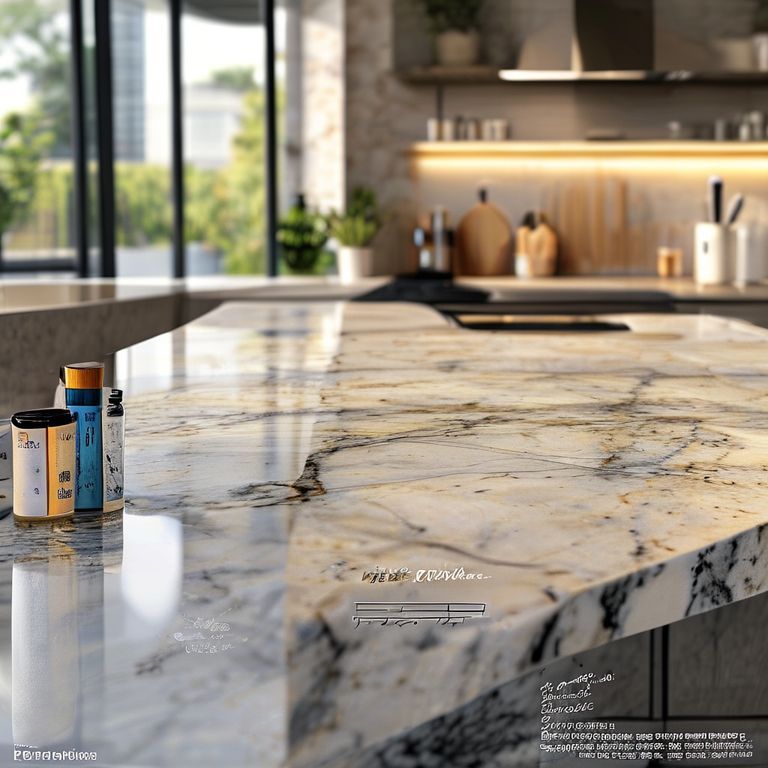
The Ultimate Guide to Choosing the Best Stone for Your Kitchen Stovetop
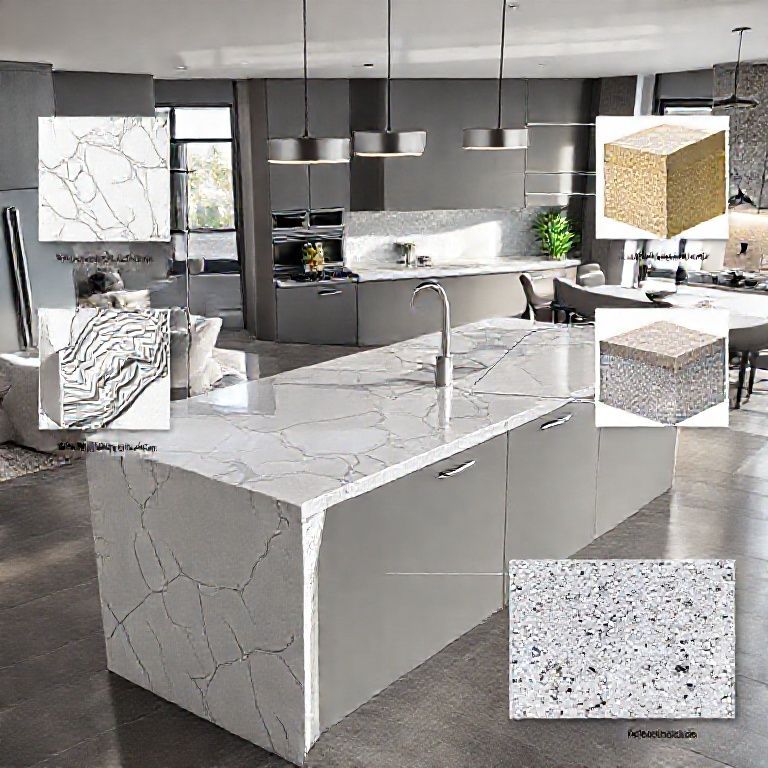
When it comes to kitchen design, the stovetop is one of the most critical elements. It’s not just about functionality but also about aesthetics and durability. Selecting the right stone for your kitchen stovetop is crucial for ensuring it withstands daily use and maintains its beauty over time. In this article, we’ll explore the best stone materials for kitchen stovetops, delving into their unique benefits, characteristics, and maintenance tips.
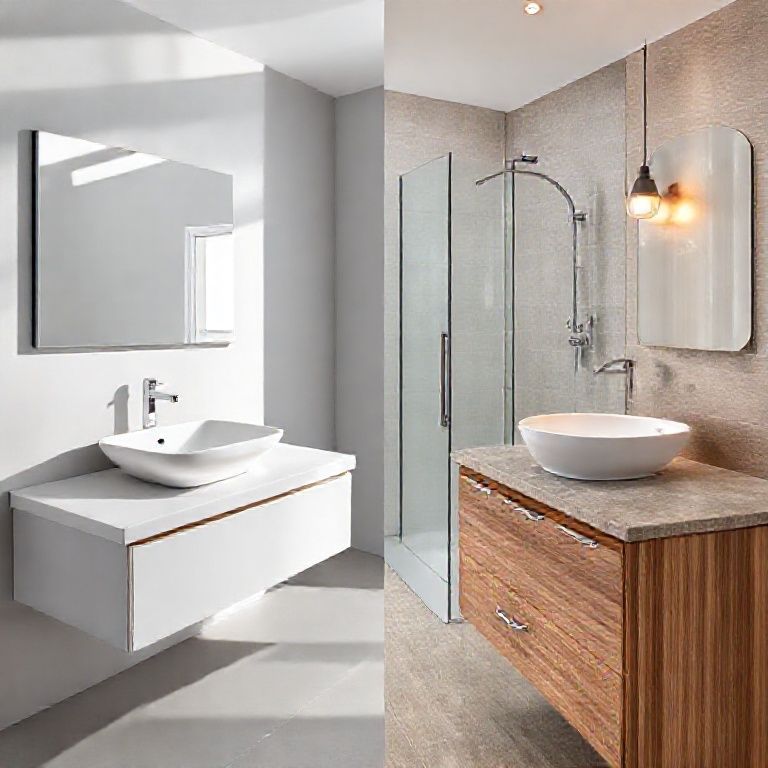
Understanding the Basics: What Makes a Stone Ideal for a Stovetop?
The primary function of a kitchen stovetop is to withstand high temperatures, constant cleaning, and various types of spills. When selecting a stone, it’s important to consider these factors:
Heat Resistance: The stone must withstand high temperatures without cracking or warping. Acid Resistance: Many cooking activities involve acidic ingredients that can etch or discolor the stone over time. Durability: The stone should be scratch-resistant to maintain its appearance and functionality. Ease of Cleaning: While no stone is completely stain-proof, some are easier to clean than others.
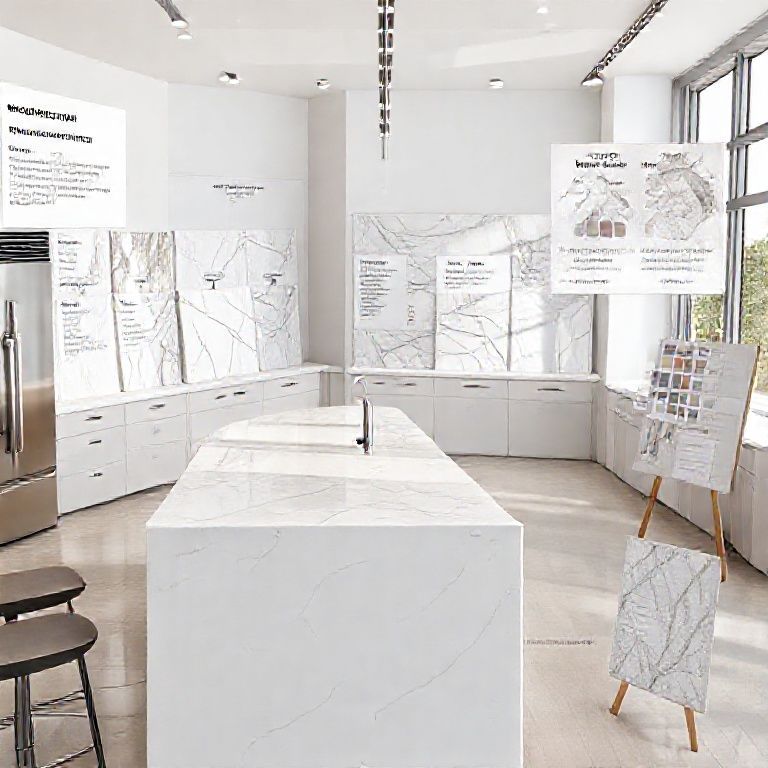
Top Stone Materials for Kitchen Stovetops
Here’s a detailed look at some of the best stone materials for your kitchen stovetop:
Granite
Pros:
Granite is renowned for its durability and high heat resistance.
It comes in a wide array of colors and patterns, allowing for significant customization in kitchen design.
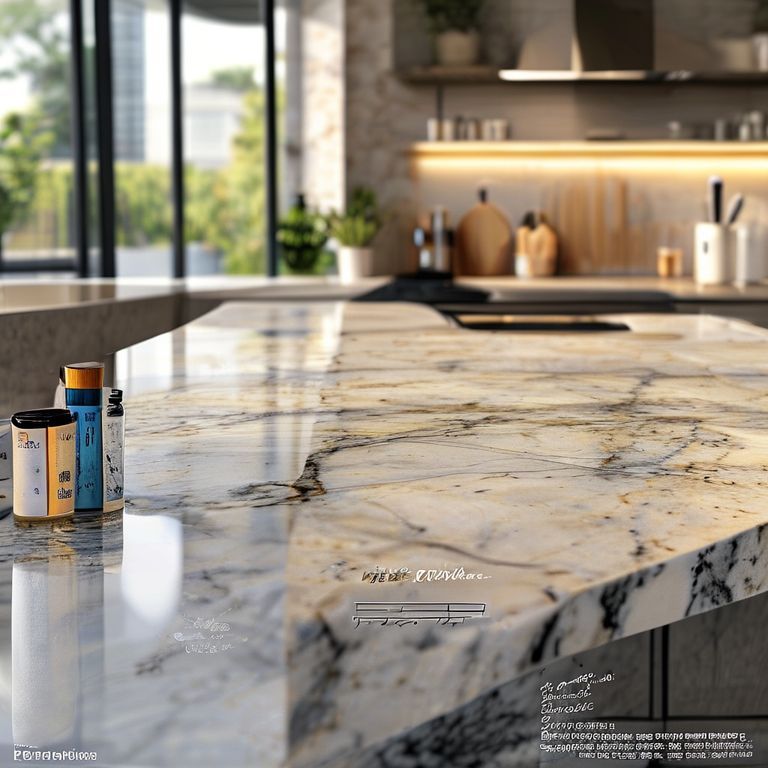
Granite is naturally antibacterial, reducing the risk of bacterial growth.
Cons:
Granite can be prone to staining, though it is less so than some other natural stones.
It requires sealing every few months to maintain its non-porous surface and resistance to stains.
Quartz
Pros:
Quartz is a composite stone made from 90% natural stone and 10% resin. It is incredibly durable and highly resistant to heat, stains, and scratches.
Available in virtually any color and pattern, quartz offers limitless design possibilities.
It’s low-maintenance and doesn’t require sealing.
Cons:
Quartz can be more expensive than some other stone options.
It’s not as environmentally friendly as natural stone options due to the resin used in its production.
Porcelain
Pros:
Porcelain stone is known for its exceptional heat resistance and durability.
It’s highly resistant to stains and scratches, making it a low-maintenance option.
Available in a wide range of colors and finishes, from sleek to rustic.
Cons:
While it’s very durable, porcelain can be more brittle than other stone types and may chip under heavy impacts.
It can be more expensive than some other options.
Silestone
Pros:
Silestone is a type of natural stone composite that offers excellent durability and heat resistance.
It’s highly resistant to stains, scratches, and acidic spills.
Silestone is also low-maintenance and doesn’t require sealing.
Cons:
It can be more expensive than some natural stone options.
It’s not as environmentally friendly as pure natural stone due to the resins used in its composition.
How to Maintain Your Kitchen Stovetop Stone
Regardless of the stone you choose, proper maintenance is key to ensuring its longevity and maintaining its beauty. Here are some general tips:
Cleaning: Use a mild soap and water solution to clean your stovetop. Avoid using abrasive cleaners or sponges that can scratch the surface. Immediate Spills: Wipe up spills immediately to prevent staining. For tougher stains, use a specialized stone cleaner. Heat Protection: Use trivets or pot holders when possible to protect the stone from direct heat. Sealing: For natural stone options like granite, regular sealing is essential to maintain its non-porous surface.
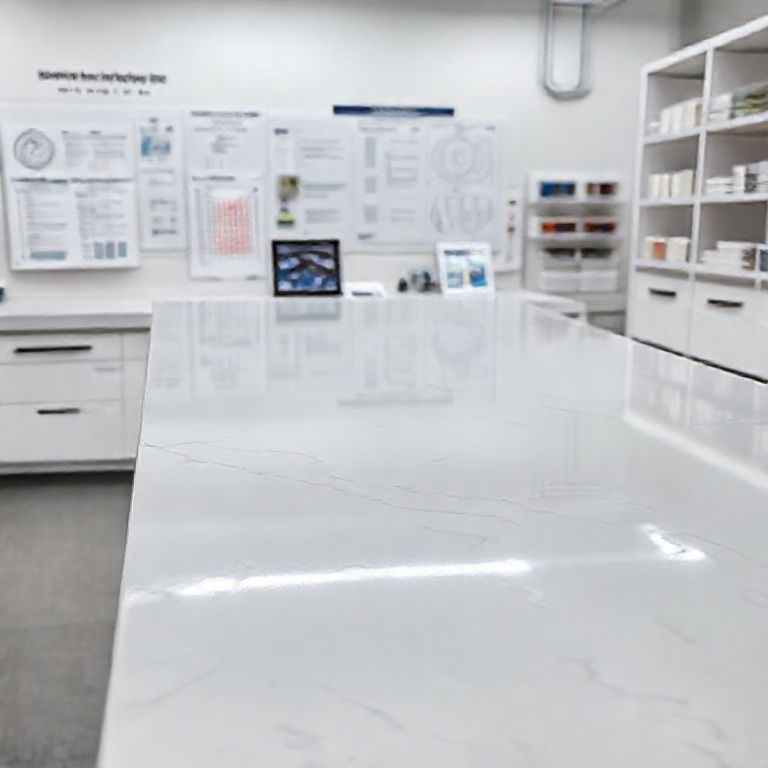
By understanding these factors and selecting the right stone, you can ensure your kitchen stovetop is both beautiful and functional for years to come. In the next part of this guide, we’ll delve deeper into some of the most popular stone materials, their installation processes, and additional maintenance tips to keep your stovetop in top shape.
The Ultimate Guide to Choosing the Best Stone for Your Kitchen Stovetop
Deep Dive into Popular Stovetop Stones: Installation and Maintenance Tips
In the previous part of this guide, we explored the basics of what makes a stone ideal for a kitchen stovetop and provided an overview of some of the top stone materials. Now, let’s dive deeper into the most popular options, examining their unique features, installation processes, and detailed maintenance tips to help you make an informed decision.
Granite: A Timeless Choice
Features and Benefits:
Granite is one of the most popular choices for kitchen stovetops due to its timeless beauty and durability. It comes from natural stone quarries and offers a wide range of colors and patterns. Here are some key benefits:
Aesthetic Appeal: Granite’s natural veins and patterns offer a unique, handcrafted look that’s hard to replicate. Heat Resistance: Granite can withstand high temperatures without cracking. Durability: While not completely scratch-proof, granite is harder than many other natural stones, providing good resistance to everyday wear and tear.
Installation Process:
Surface Preparation: The installation process begins with thorough cleaning and leveling of the surface where the granite will be placed. Sealant Application: A primer is often applied to the surface to help the adhesive bond better. Adhesive: A high-quality construction adhesive is used to secure the granite to the surface. Cutting and Fitting: The granite is cut to fit the space and carefully placed onto the adhesive. Curing: The adhesive needs time to cure, and the granite should be left undisturbed for a period to ensure a strong bond. Sealing: Once the adhesive has cured, the granite needs to be sealed to create a non-porous surface that resists stains.
Maintenance Tips:
Regular Cleaning: Use a mild soap and water solution for routine cleaning. Avoid using acidic or abrasive cleaners. Immediate Spill Cleanup: Wipe up spills immediately to prevent staining. For tougher stains, use a granite-specific cleaner. Sealing: Granite should be sealed every 6-12 months to maintain its non-porous surface. Always use a manufacturer-recommended sealant. Avoiding Sharp Objects: Use trivets or pot holders to protect the surface from scratches and heat damage.
Quartz: The Modern Alternative
Features and Benefits:
Quartz is a composite stone made from 90% natural stone and 10% resin. It’s highly regarded for its durability and resistance to stains, scratches, and heat.
Aesthetic Versatility: Quartz is available in virtually any color and pattern, offering endless design possibilities. Heat Resistance: Quartz can withstand high temperatures without cracking. Stain and Scratch Resistance: Quartz is highly resistant to stains and scratches, making it low-maintenance and easy to clean.
Installation Process:
Surface Preparation: Similar to granite, the surface needs to be cleaned and leveled before installation. Adhesive Application: A construction adhesive is applied to the surface. Cutting and Fitting: The quartz is cut to fit the space and placed onto the adhesive. Curing: The adhesive needs time to cure, and the quartz should be left undisturbed. Sealing: Unlike natural stone, quartz does not require sealing as it’s already non-porous.
Maintenance Tips:
Routine Cleaning: Use a mild soap and water solution to clean the surface. Avoid abrasive cleaners. Immediate Spill Cleanup: Wipe up spills immediately to prevent stains. Avoiding Heat: Use trivets or pot holders to protect the surface from direct heat.
Porcelain: The Durable Choice
Features and Benefits:
Porcelain stone is known for its durability, heat resistance, and stain resistance.
Aesthetic Variety: Porcelain is available in a wide range of colors and finishes. Heat Resistance: It can withstand high temperatures without cracking. Stain and Scratch Resistance: Porcelain is highly resistant to stains and scratches.
Installation Process:
Surface Preparation: The surface must be cleaned and leveled. Adhesive Application: A construction adhesive is applied to the surface. Cutting and Fitting: The porcelain is cut to fit and placed onto the adhesive. Curing: The adhesive needs time to cure, and the porcelain should be left undisturbed. Sealing: Although not required, a sealant can be applied to enhance stain resistance.
Maintenance Tips:
Routine Cleaning: Use当然,可以继续讨论关于瓷砖(即瓷石)的特性、安装以及维护。瓷砖也是一个非常受欢迎的厨房灶台材料,尤其是因为其耐用性和易清洁的特点。下面我们详细探讨一下。
瓷砖:耐用且易清洁的选择
特性和优点:
耐磨性: 瓷砖具有很高的耐磨性,能够承受日常使用中的磨损。 耐热性: 瓷砖可以承受高温,不会像一些其他材料那样变形或损坏。 抗污性: 瓷砖表面光滑,不易渗透污渍,清洁非常方便。 多样性: 瓷砖有各种颜色和纹理,可以满足不同设计风格的需求。
安装过程:
表面准备: 在安装瓷砖之前,需要确保表面干净平整。如果表面有不平整或者有裂缝,需要修复。 胶水涂抹: 使用专用的瓷砖胶水在灶台表面均匀涂抹,确保胶水能够充分覆盖整个表面。 瓷砖铺设: 将瓷砖块按照设计图案逐块铺设,在铺设过程中需要保持一定的间隙,以便后续填缝。
水平调整: 在铺设过程中,需要时刻检查瓷砖的水平度,确保最终成品平整。 间隙填充: 瓷砖铺设完成后,等待胶水部分干燥,然后使用瓷砖填缝剂填充瓷砖之间的间隙。 清理: 填缝剂干燥后,使用湿布清理多余的填缝剂。
维护建议:
日常清洁: 使用温和的肥皂和水进行日常清洁。避免使用强酸强碱的清洁剂。 溅洒处理: 烹饪过程中容易产生的油渍和污渍,应及时清理,以防积累导致难以清理。 避免尖锐物品: 尽量避免在灶台上使用尖锐的物品,以防止划伤表面。 定期检查: 定期检查瓷砖是否有松动现象,及时修复,以防止松动的瓷砖掉落。
其他选择:
花岗岩: 花岗岩是一种天然石材,具有极高的耐磨性和耐热性,但需要定期密封以防止污渍渗入。 石英石: 石英石是由90%以上的天然石英粉制成,具有极高的耐热性、抗污性和耐刮擦性,是一种非常耐用的选择。
通过选择合适的材料和遵循正确的安装和维护方法,你可以确保你的厨房灶台长期保持其美观和功能。如果你有其他问题或需要更多详细信息,请随时告知。