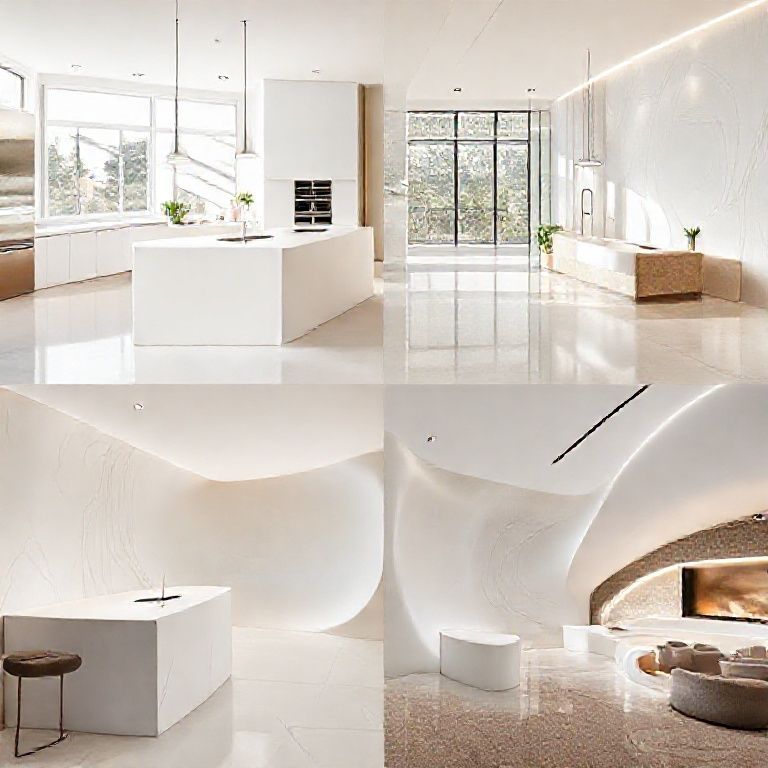
Discover the top stone materials ideal for window sills in this comprehensive guide. From durability to aesthetics, we’ll explore the best options to enhance your home’s beauty and functionality. Read on to learn more about the qualities that make the perfect stone for your window sill.

The Ultimate Guide to Choosing the Best Stone for Your Window Sill
When it comes to home improvement, selecting the right materials for different areas of your house is crucial. One often overlooked yet vital area is the window sill. A well-chosen stone for your window sill not only adds aesthetic appeal but also offers functional benefits that can enhance the longevity and beauty of your home. In this first part of our comprehensive guide, we’ll explore the most popular and durable stone materials that are perfect for window sills.
Why Stone Matters for Window Sills
The window sill is a significant feature that can either enhance or detract from the overall look of your home. Choosing the right stone for your window sill is essential because it will be subjected to various elements such as rain, sunlight, and temperature fluctuations. Therefore, it needs to be durable, easy to maintain, and aesthetically pleasing.
1. Granite
Granite is one of the most popular choices for window sills due to its impressive durability and strength. Originating from deep within the earth, granite is resistant to scratches, stains, and temperature changes. Its natural beauty comes in a myriad of colors and patterns, offering endless design possibilities. However, granite is relatively hard, which makes it challenging to work with and prone to chipping if not installed correctly.
2. Marble
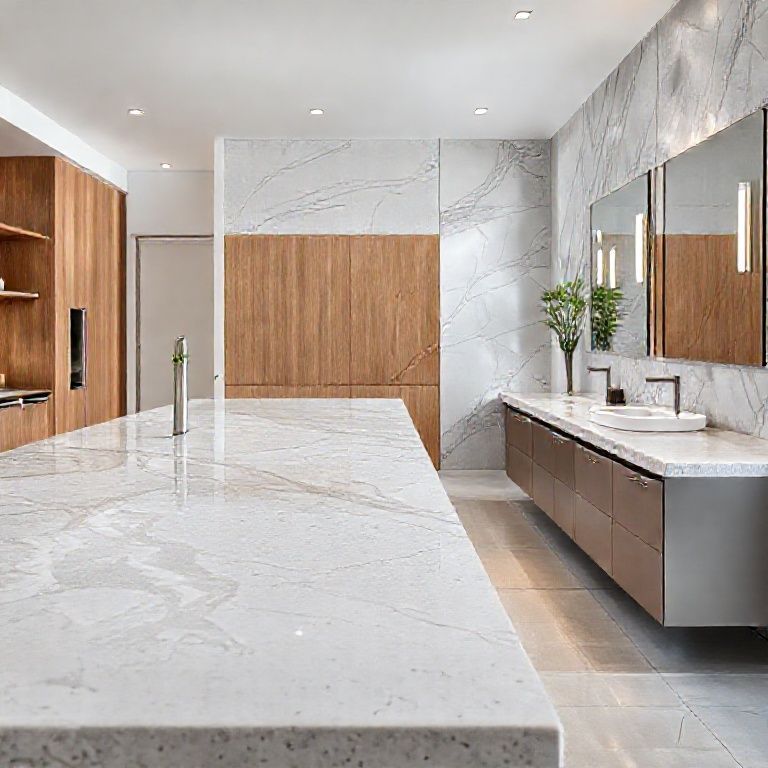
Marble is another excellent option for window sills, known for its luxurious appearance and easy maintenance. It comes in various colors and patterns, making it a versatile choice for different architectural styles. Marble is relatively soft compared to granite, which makes it susceptible to scratches and stains. It’s important to use a good quality sealant to protect it from damage.
3. Quartzite
Quartzite is a synthetic stone that combines the best qualities of natural stone with modern technology. It is incredibly hard, making it highly resistant to scratches, stains, and temperature changes. Quartzite also comes in a wide range of colors and patterns, allowing for a high degree of customization. While it is more expensive than some natural stones, its durability and low maintenance make it a worthwhile investment.
4. Slate
Slate is a natural stone that has been used for centuries in construction due to its durability and weather resistance. It is available in various colors and textures, making it a popular choice for window sills. Slate is relatively soft and can be prone to cracking, but it offers a classic, timeless look that enhances the aesthetic appeal of any home.
5. Limestone
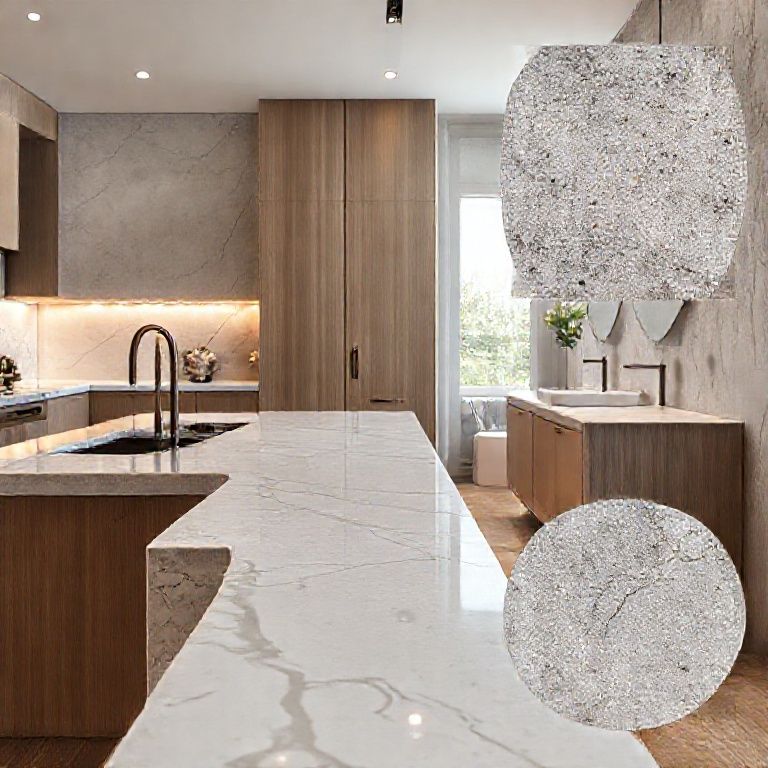
Limestone is a relatively affordable natural stone that offers a rustic charm. It is often used in traditional architectural designs and is known for its ability to weather over time, developing a rich patina. However, limestone is softer than granite and marble, making it susceptible to scratches and staining. Regular sealing is necessary to maintain its appearance.
Factors to Consider When Choosing Stone for Your Window Sill
When selecting the right stone for your window sill, several factors need to be taken into consideration to ensure both durability and aesthetic appeal.
1. Durability
The stone’s ability to withstand the elements is crucial. Granite, quartzite, and slate are the most durable options, while marble and limestone are more susceptible to damage.
2. Maintenance
Different stones require varying levels of maintenance. Granite and quartzite are relatively low maintenance, whereas marble and limestone need regular sealing to prevent stains and scratches.
3. Aesthetic Appeal
The visual appeal of the stone is also important. Stones with unique patterns and colors can add significant character to your home’s exterior.
4. Budget
Cost is always a consideration. While quartzite and granite may have higher upfront costs, their durability often means less need for replacement over time.
5. Installation
The hardness and workability of the stone can affect installation. Granite and marble can be more challenging to work with compared to slate and limestone.
By understanding these factors, you can make an informed decision that will benefit both the beauty and functionality of your home.
The Ultimate Guide to Choosing the Best Stone for Your Window Sill
In the second part of our comprehensive guide, we delve deeper into the selection process for choosing the best stone for your window sill. We will discuss additional materials, maintenance tips, and provide expert advice to help you make the best choice for your home.
Additional Stone Options
While the previous section covered the most popular stone materials for window sills, there are additional options that may be worth considering based on your specific needs and preferences.
1. Travertine
Travertine is a type of limestone that has been naturally cemented and fossilized over time, making it harder and more durable than regular limestone. It offers a unique, rustic look with a variety of patterns and colors. Travertine is relatively low maintenance and is a good alternative to marble for those looking for a less expensive option.
2. Onyx
Onyx is a unique stone known for its thin, layered structure and striking colors. It is highly durable and resistant to scratches, making it an excellent choice for high-traffic areas. However, onyx can be prone to staining if not sealed properly, so regular maintenance is necessary to keep it looking its best.
3. Quartz
Quartz is a versatile and modern stone option that combines the strength of quartzite with the beauty of natural stone. It is highly durable, resistant to stains, and easy to maintain. Quartz can be customized to mimic the look of various natural stones, offering a wide range of design possibilities.
Maintenance Tips for Window Sill Stones
Once you’ve chosen the perfect stone for your window sill, proper maintenance is essential to ensure its longevity and appearance. Here are some tips to help you keep your window sill stone looking its best.
1. Regular Cleaning
Regular cleaning is key to maintaining the appearance of your window sill stone. Use a mild soap and water solution to clean the surface, avoiding harsh chemicals that can damage the stone. For tougher stains, a stone-specific cleaner may be necessary.
2. Sealing
Sealing your stone window sill is crucial, especially for softer stones like marble and limestone. Regular sealing protects the stone from stains, scratches, and weather damage. Follow the manufacturer’s instructions for the best results.
3. Inspection
Regularly inspect your window sill for any signs of damage, such as cracks or chips. Addressing these issues promptly can prevent further damage and extend the life of your stone.
4. Avoid Direct Sunlight
While natural light enhances the beauty of your window sill, prolonged exposure to direct sunlight can cause some stones to fade or deteriorate over time. If possible, place plants or curtains to shield the sill from direct sunlight.
Expert Advice for Choosing the Best Stone
Choosing the best stone for your window sill involves more than just aesthetics. Here are some expert tips to guide your decision:
1. Consider Your Climate
Your local climate can significantly impact the durability and maintenance of your window sill stone. In areas with harsh weather conditions, opt for harder stones like granite or quartzite. In milder climates, softer stones like marble or slate may be more suitable.
2. Match Your Home’s Style
The stone you choose should complement the overall style of your home. Traditional homes may benefit from classic stones like slate or limestone, while modern homes may prefer sleek, contemporary options like quartz or quartzite.
3. Budget Wisely
While it’s important to invest in quality, it’s also essential to consider your budget. More expensive stones often come with greater durability and low maintenance, but there are cost-effective options available if you’re looking for a more affordable choice.
4. Professional Installation
For the best results, consider hiring a professional installer. They have the expertise to ensure proper installation and can help you choose the right stone for your specific needs.
Conclusion
Choosing the best stone for your window sill involves careful consideration of durability, maintenance, aesthetics, and budget. By understanding the unique qualities of different stone materials and following expert advice, you can make an informed decision that will enhance the beauty and functionality of your home. Whether you choose granite, marble, quartzite, or another option, the right stone will not only protect your window sill from the elements but also add a touch of elegance and character to your home’s exterior.
In the next part of our guide, we will discuss how to properly install your chosen stone and provide additional tips to ensure a long-lasting and beautiful window sill. Stay tuned for more expert advice and insights!