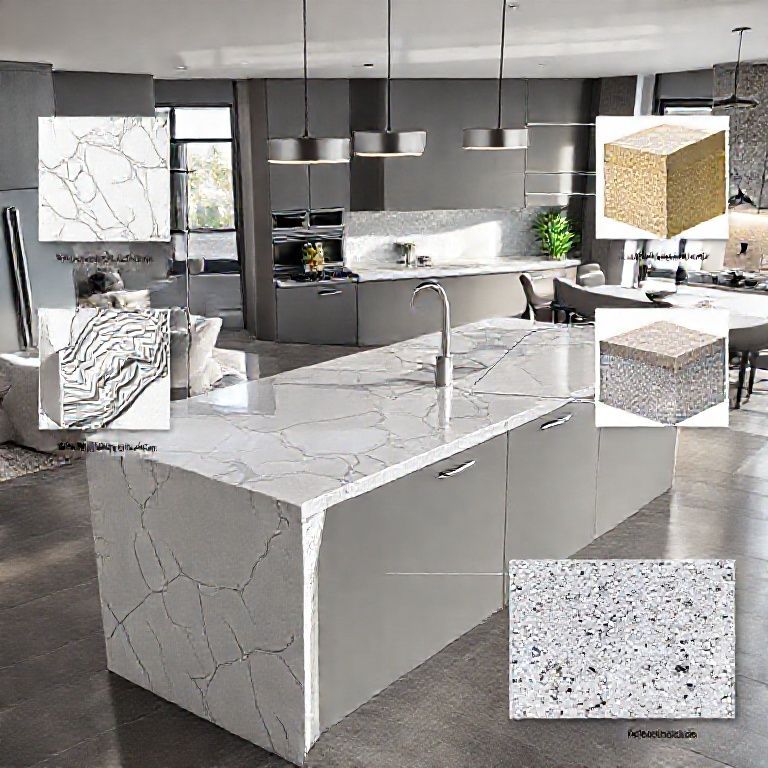
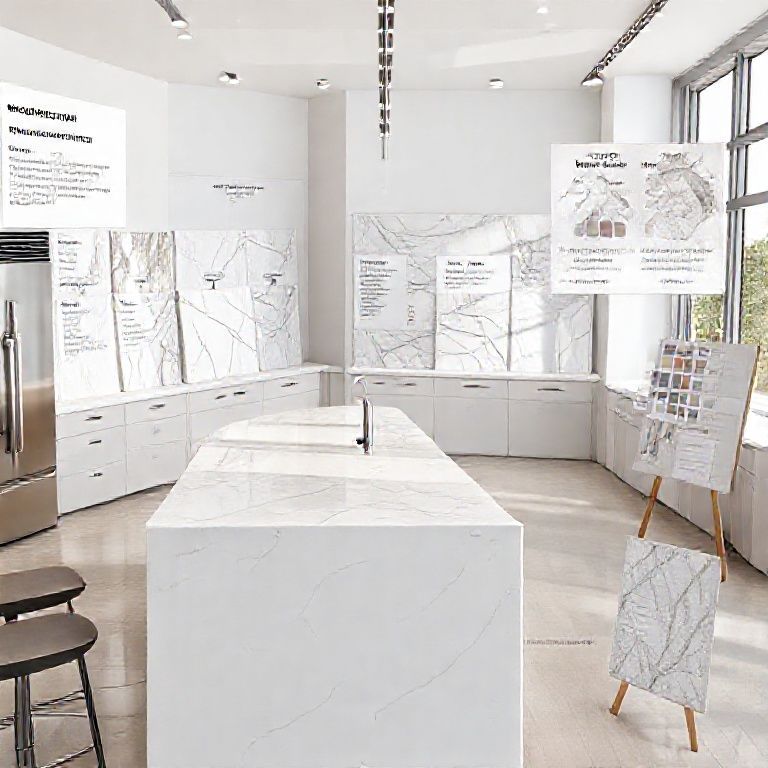
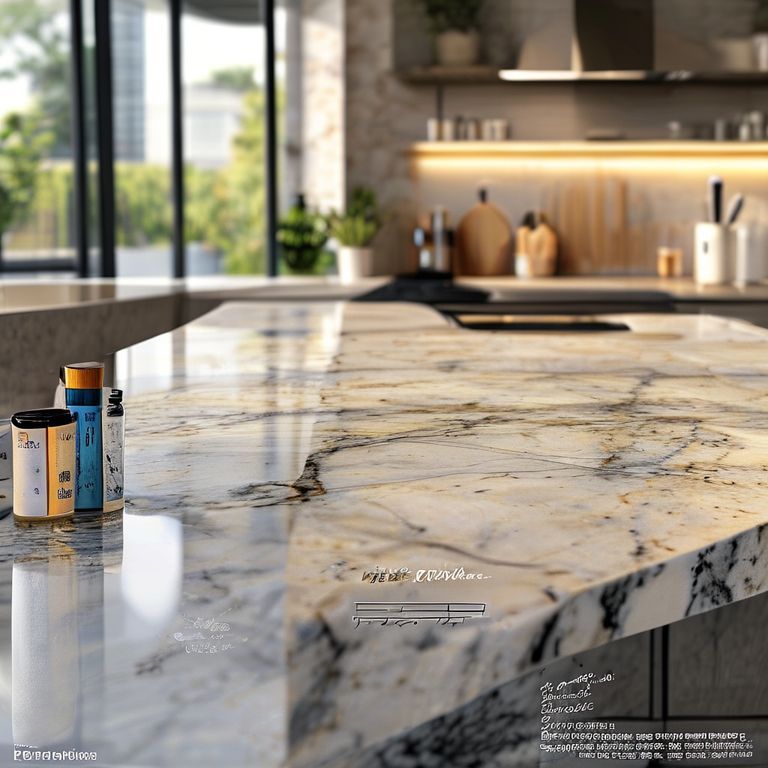
Discover the best stone materials for kitchen stovetops to ensure durability, style, and functionality in your cooking space. From granite to quartz to natural stone, learn about the unique benefits and considerations of each option to make an informed decision for your kitchen.
Part 1
The Ultimate Guide to Choosing the Best Stone Material for Your Kitchen Stovetop
When it comes to upgrading your kitchen, one of the most critical areas to focus on is the stovetop. This high-traffic surface endures constant heat, spills, and various cooking activities. Choosing the right stone material for your kitchen stovetop is paramount to ensure it withstands daily wear and tear while adding a touch of elegance and functionality. Let’s delve into the various stone materials available and their unique benefits.
Granite: The Timeless Classic
Durability and Strength
Granite is one of the most popular choices for kitchen stovetops due to its exceptional durability and strength. This natural stone is formed from the slow cooling of magma deep beneath the Earth’s surface, resulting in a dense, robust material that can withstand significant heat and pressure.
Aesthetic Appeal
Granite comes in an array of colors and patterns, offering endless possibilities for customization. Whether you prefer a classic black slate or a vibrant island blue, there is a granite option to complement any kitchen decor.
Maintenance
While granite is incredibly durable, it does require some maintenance. Regular cleaning with a soft cloth and mild soap can keep it looking pristine. Avoid using abrasive cleaners or metal utensils to prevent scratches.
Cost
Granite is a bit more expensive compared to other materials, but its long-lasting nature and aesthetic versatility often justify the investment.
Quartz: The Modern Marvel
Heat Resistance
Quartz is a synthetic stone made from 90% quartz crystals combined with resin. It is known for its impressive heat resistance, making it an excellent choice for stovetops. Quartz can handle high temperatures without cracking or warping, unlike many other materials.
Variety and Design
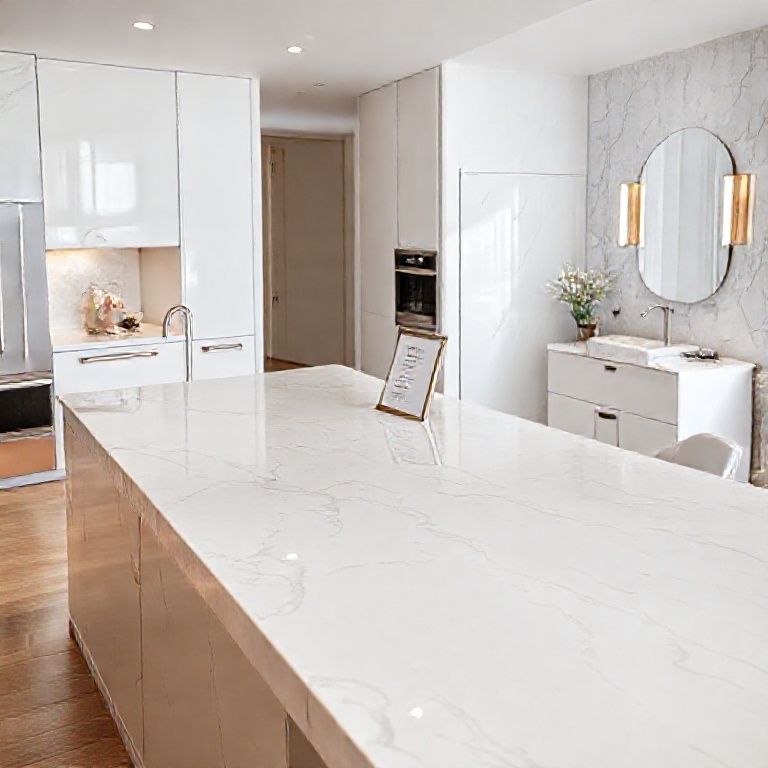
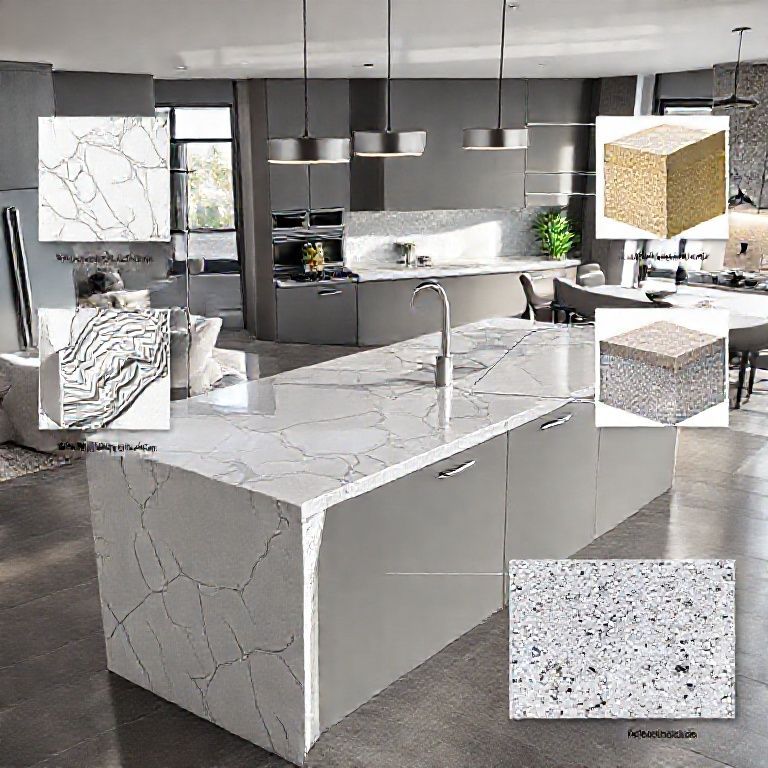
Quartz offers an incredible range of colors, patterns, and textures. You can choose from traditional marble looks to bold, contemporary designs. Custom designs and shapes are also possible, giving you complete freedom in your kitchen design choices.
Low Maintenance
One of the biggest advantages of quartz is its low maintenance. It is easy to clean with a damp cloth and mild detergent. Scratches and stains are less of a concern with quartz, as it is highly resistant to both.
Cost
Quartz is generally more affordable than granite, providing a luxurious appearance without the higher price tag.
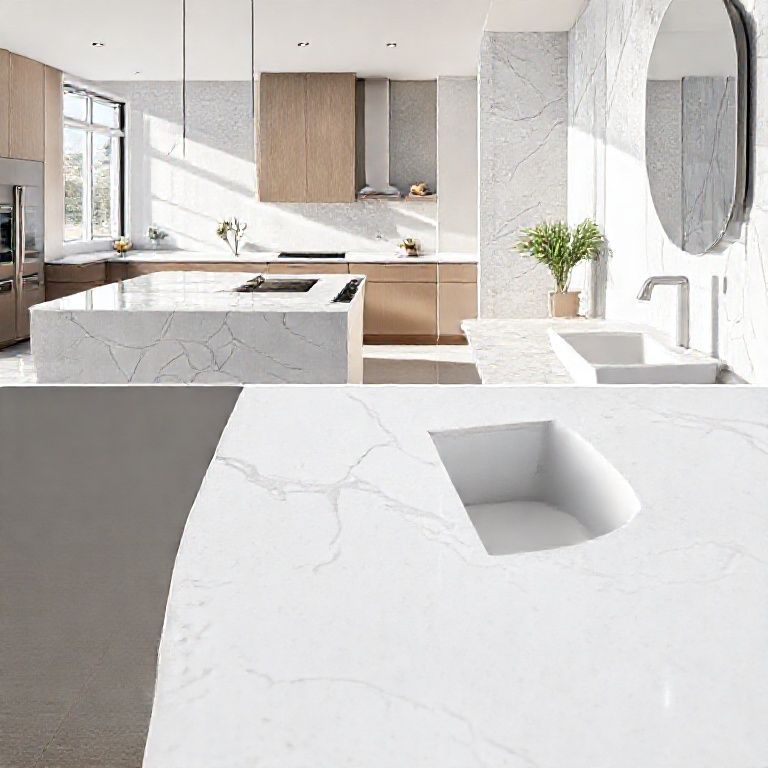
Marble: The Elegant Choice
Luxury and Aesthetics
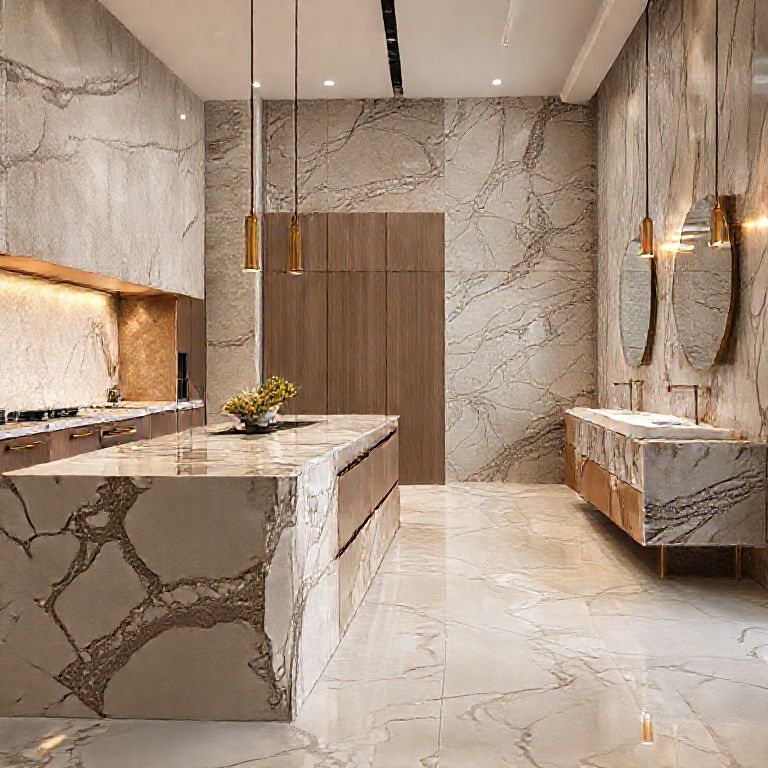
Marble is known for its luxurious appearance and timeless elegance. Its natural veins and patterns offer a unique beauty that cannot be replicated by synthetic materials.
Heat Resistance
While marble is beautiful, it is not the best choice for stovetops due to its relative lack of heat resistance. Marble can crack under high temperatures, making it unsuitable for areas that experience frequent heat exposure.
Maintenance
Marble requires regular sealing to protect its surface from stains and spills. It is also important to avoid using acidic cleaners, as these can etch the surface over time.
Cost
Marble countertops are typically more expensive than other stone options, which can be a deterrent for some homeowners.
Slate: The Resilient Option
Durability
Slate is another natural stone that offers impressive durability. It is formed from metamorphic rock and is known for its ability to withstand significant wear and tear.
Heat Resistance
Slate can handle high heat, making it a suitable choice for stovetops. It does not warp or crack under heat, ensuring longevity and stability.
Maintenance
Slate is relatively low maintenance. Regular cleaning with a soft cloth and mild soap will keep it looking great. However, slate can be prone to absorbing stains, so it’s important to address spills promptly.
Cost
Slate countertops are generally more affordable than granite and marble, offering a durable option without breaking the bank.
Part 2
The Ultimate Guide to Choosing the Best Stone Material for Your Kitchen Stovetop
Engineered Stone: The Budget-Friendly Alternative
Heat Resistance
Engineered stone is a popular alternative for those seeking durability and heat resistance without the high cost of natural stone. It is made from a combination of natural stone chips and resin, providing excellent heat resistance and durability.
Design Flexibility
Engineered stone offers a wide range of colors and patterns, similar to quartz. This flexibility allows for custom designs and shapes, giving you the freedom to create a unique look in your kitchen.
Maintenance
Maintenance for engineered stone is straightforward. Regular cleaning with a mild detergent and a soft cloth will keep it looking fresh. Avoid using abrasive cleaners, as they can scratch the surface.
Cost
Engineered stone is typically more affordable than natural stone options, making it an excellent choice for those on a budget while still achieving a high-quality look.
Composite Stone: The Innovative Choice
Customization
Composite stone is made from a mixture of various materials, including natural stone, glass, and resin. This combination allows for unique and customizable designs, making it possible to create a countertop that perfectly matches your vision.
Heat Resistance
Composite stone is known for its excellent heat resistance. It can withstand high temperatures without cracking or warping, making it an ideal choice for stovetops.
Maintenance
Composite stone is easy to maintain. Regular cleaning with a damp cloth and mild soap will keep it looking great. It is also resistant to stains and scratches, requiring minimal upkeep.
Cost
Composite stone offers a balance between cost and quality. It is generally more affordable than high-end natural stone options but still provides a luxurious appearance.
Travertine: The Unique Option
Natural Beauty
Travertine is a natural stone that offers a unique, textured appearance with its natural veins and patterns. Its beauty lies in its individuality, as no two pieces are exactly alike.
Heat Resistance
Travertine is relatively heat-resistant but not as durable as some other stone options. It can handle moderate heat but may not be the best choice for areas that experience frequent high-temperature exposure.
Maintenance
Travertine requires regular sealing to protect its surface from stains and spills. It is also important to avoid using acidic cleaners, as these can damage the stone.
Cost
Travertine is generally more expensive than other natural stone options due to its unique beauty and the effort required to maintain its surface.
Considering Your Needs
When choosing the best stone material for your kitchen stovetop, consider your specific needs and preferences. Evaluate factors such as durability, heat resistance, maintenance requirements, and budget. Here are some tips to help you make an informed decision:
Durability and Heat Resistance
If you prioritize durability and heat resistance, granite, quartz, slate, and engineered stone are excellent choices. These materials can withstand daily cooking activities and high temperatures.
Aesthetic Appeal
If style and aesthetics are your main concerns, granite and quartz offer a wide range of designs and colors. Marble also provides a luxurious appearance, though it is not ideal for stovetops due to its heat sensitivity.
Maintenance
If you prefer low-maintenance options, quartz and engineered stone are great choices. They are easy to clean and resistant to stains and scratches, requiring minimal upkeep.
Budget
If budget is a significant factor, slate, engineered stone, and composite stone provide high-quality options at more affordable prices without compromising on durability and style.
Final Thoughts
Choosing the best stone material for your kitchen stovetop involves balancing durability, heat resistance, aesthetics, and maintenance with your budget. Granite, quartz, slate, and engineered stone are excellent choices for their durability and heat resistance. For those looking for low-maintenance options, quartz and engineered stone are ideal. Ultimately, the right choice depends on your specific needs and preferences, ensuring your kitchen remains functional, beautiful, and long-lasting.
By considering these factors and exploring the various options available, you can make an informed decision that will enhance both the functionality and beauty of your kitchen for years to come.