The Ultimate Guide to Choosing the Perfect Material for Your Kitchen Countertop
When it comes to kitchen design, the countertop is one of the most critical components. It’s where meals are prepared, meals are served, and it often becomes the focal point of the kitchen. Choosing the right material for your kitchen countertop is essential for both aesthetics and functionality. Let’s dive into the most popular and durable options available today.
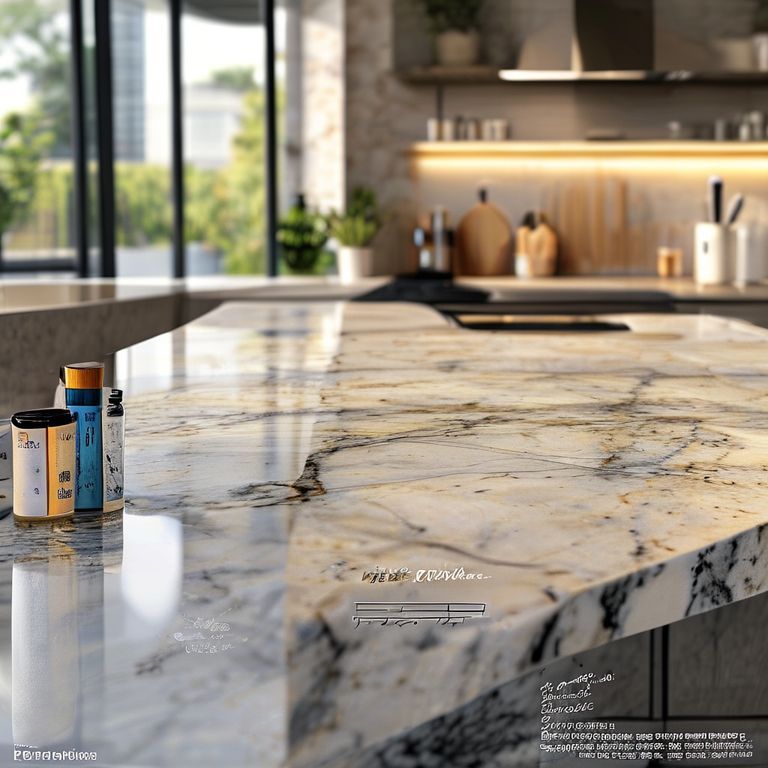
1. Granite: Timeless Durability and Style
Granite countertops are renowned for their timeless elegance and impressive durability. Originating from natural stone, granite is formed under intense heat and pressure over millions of years, making it an incredibly robust material. Here’s what makes granite a standout choice:
Pros:
Durability: Granite is highly resistant to scratches, stains, and heat, which makes it an excellent choice for high-traffic areas. Aesthetic Appeal: With a vast array of colors and patterns, granite offers a unique look that can complement any kitchen design. Low Maintenance: Once installed, granite requires minimal maintenance. Simply wipe it down with a soft cloth and mild soap to keep it looking pristine.
Cons:
Cost: Granite is one of the more expensive countertop options due to its quality and natural origin. Weight: Granite is a heavy material, which can pose challenges during installation and may require a stronger sink base to support it.
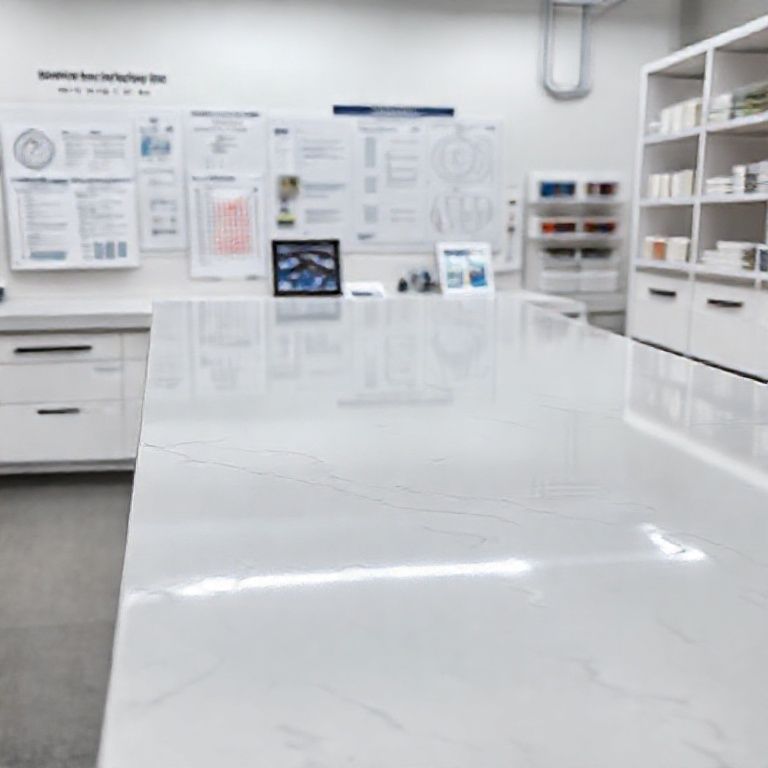
2. Quartz: Sleek and Versatile
Quartz has emerged as a top contender in the countertop market, offering a blend of durability, design versatility, and affordability. Manufactured by combining natural stone with resin, quartz provides an ultra-smooth surface and a range of design possibilities.
Pros:
Design Versatility: Quartz comes in thousands of colors and patterns, allowing for almost limitless design options. Durability: Similar to granite, quartz is highly resistant to scratches, stains, and heat, making it suitable for everyday use. Low Maintenance: Like granite, quartz requires minimal upkeep. A simple wipe with a damp cloth and mild soap will keep it looking fresh.
Cons:
Cost: While generally more affordable than granite, premium quartz designs can still be pricey. Installation: Quartz is lighter than granite, but it still requires professional installation to ensure a seamless finish.
3. Composite Countertops: Affordable and Easy to Maintain
Composite countertops are a mix of natural stone and resin, providing a cost-effective alternative to granite and quartz. These countertops are known for their affordability, ease of maintenance, and design flexibility.
Pros:
Cost-Effective: Composite countertops are typically less expensive than granite and quartz, offering a great value for money. Maintenance: They are easy to clean and maintain. A simple wipe with a mild soap and water will keep them looking great. Design Variety: Available in a range of colors and patterns, composite countertops can mimic the look of natural stone.
Cons:
Durability: While composite countertops are more durable than some other materials, they are not as scratch-resistant as granite or quartz. Heat Resistance: Composite materials may not withstand extreme heat as well as granite or quartz.
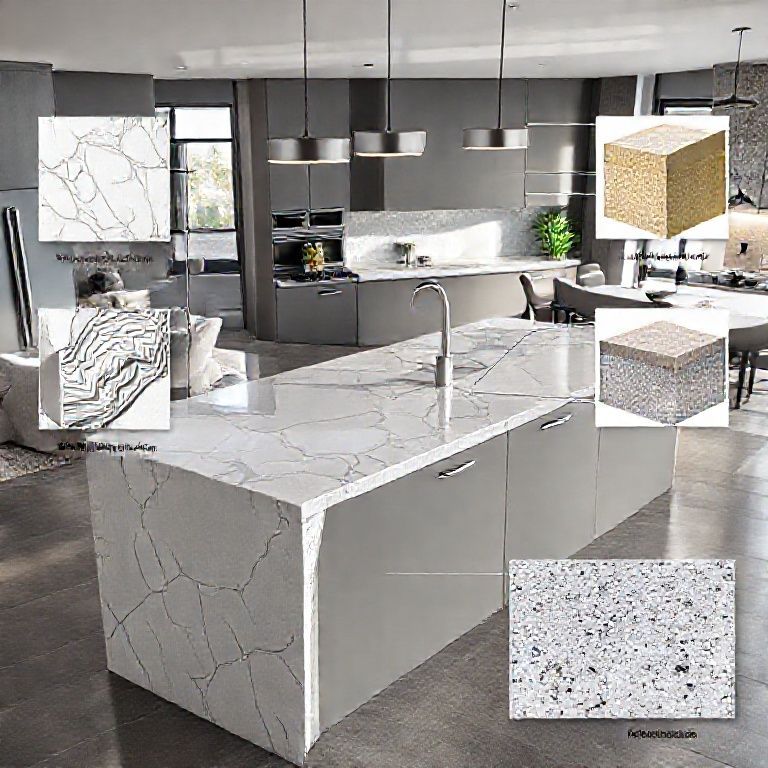
4. Solid Surface: Modern and Custom Designs
Solid surface countertops, such as Corian and Formica, are engineered materials made from various polymers and acrylics. These countertops offer modern aesthetics and customizability, making them a popular choice for contemporary kitchens.
Pros:
Design Customization: Solid surfaces can be molded into almost any shape and size, offering endless design possibilities. Durability: These countertops are highly resistant to scratches, stains, and heat, providing a long-lasting solution. Low Maintenance: Easy to clean and maintain, simply wipe with a damp cloth and mild soap.
Cons:
Cost: Solid surface countertops can be expensive, especially when custom designs are involved. Weight: These countertops are relatively heavy, which may require a sturdy sink base.
Making the Final Decision
Choosing the right countertop material depends on your specific needs, preferences, and budget. Here are some factors to consider:
Budget: Determine your budget range and compare the costs of each material. Durability: Consider how durable you need the countertop to be based on the kitchen’s usage. Maintenance: Think about how much time and effort you are willing to invest in maintaining the countertop. Design: Choose a material that aligns with your kitchen’s aesthetic and design goals.
By weighing these factors, you can make an informed decision that will enhance both the beauty and functionality of your kitchen.
The Ultimate Guide to Choosing the Perfect Material for Your Kitchen Countertop
In this second part of our comprehensive guide, we will explore additional materials and considerations to help you make the best choice for your kitchen countertop. From the pros and cons of each material to tips for maintenance and installation, we’ve got you covered.
5. Slate: Elegant and Affordable
Slate countertops are another excellent choice for those looking for a natural stone option that’s more affordable than granite. Slate is formed from metamorphic rock and is known for its durability and unique patterns.
Pros:
Affordability: Slate is generally less expensive than granite, making it an attractive option for budget-conscious homeowners. Durability: Slate is highly resistant to scratches and stains, although it is slightly softer than granite and quartz. Aesthetic Appeal: Slate’s natural, veined patterns offer a unique and elegant look.
Cons:
Weight: Slate is a heavy material, which can make installation challenging. Sealing: Slate needs to be sealed periodically to maintain its appearance and prevent staining.
6. Marble: Luxurious and Classic
Marble countertops are synonymous with luxury and timeless elegance. Known for their stunning patterns and colors, marble has been a popular choice for centuries. However, it does come with some drawbacks.
Pros:
Aesthetic Appeal: Marble offers a luxurious and classic look that can elevate any kitchen. Variety: Available in a wide range of colors and patterns, marble provides numerous design options.
Cons:
Maintenance: Marble is highly porous and can easily stain, requiring regular sealing and maintenance. Cost: Marble is one of the more expensive countertop materials, particularly high-quality varieties. Durability: While beautiful, marble is more prone to scratches compared to granite and quartz.
7. Concrete: Unique and Customizable
Concrete countertops are gaining popularity due to their unique, industrial aesthetic and the ability to customize them to any design. Made from a mixture of water, cement, sand, and aggregates, concrete offers a rugged and stylish look.
Pros:
Design Customization: Concrete can be colored, stained, and textured in countless ways, allowing for highly personalized designs. Durability: Concrete is highly durable and resistant to scratches and stains. Affordability: Concrete countertops can be more affordable than natural stone options like granite and marble.
Cons:
Weight: Concrete is heavy, requiring a strong sink base for installation. Finishing: Achieving a smooth finish on concrete requires specialized skills and equipment.
8. Wood: Warmth and Tradition
For those looking to add a touch of warmth and tradition to their kitchen, wood countertops can be an excellent choice. While less durable than stone options, wood offers a unique and rustic aesthetic.
Pros:
Aesthetic Appeal: Wood countertops provide a warm, natural look that can complement various kitchen styles. Variety: Available in a wide range of species, wood offers numerous design options.
Cons:
Maintenance: Wood requires regular maintenance to prevent warping, cracking, and staining. It also needs to be sealed periodically. Durability: Wood is more susceptible to scratches and dents compared to stone options. Heat Sensitivity: Wood can be damaged by heat, so it’s not ideal for under-cabinet lighting or stovetops.
9. Bamboo: Sustainable and Unique
Bamboo countertops are an eco-friendly option that combines sustainability with a unique, modern aesthetic. Made from bamboo fibers, these countertops are lightweight and durable.
Pros:
Sustainability: Bamboo grows quickly and is renewable, making it an environmentally friendly choice. Durability: Bamboo is highly durable and resistant to scratches, stains, and heat. Aesthetic Appeal: Bamboo offers a unique, natural look with a contemporary vibe.
Cons:
Cost: Bamboo countertops can be more expensive than some other composite options. Maintenance: While bamboo is durable, it requires regular maintenance to prevent scratches and stains.
Installation Considerations
When selecting your kitchen countertop material, it’s also important to当然,继续讨论如何选择和安装厨房台面材料。这不仅涉及到美观和风格,还需要考虑耐用性、维护要求以及预算。
10. 瓷砖:经济实惠且易于清洁
瓷砖是另一种常见的厨房台面选择,尤其适合预算有限的家庭。瓷砖耐用且易于清洁,但设计选择相对有限。
Pros:
经济实惠: 瓷砖通常是最便宜的选择之一。 耐用性: 瓷砖非常耐用,不易受损。 易于清洁: 只需用湿布轻轻擦拭即可清洁。
Cons:
设计选择有限: 瓷砖的颜色和图案选择相对有限,不如石材那么丰富。 缺乏纹理感: 相比天然石材,瓷砖的触感和视觉效果较为单调。
11. 不锈钢:现代且耐用
不锈钢台面是现代厨房的流行选择。不锈钢具有卓越的耐腐蚀性和耐用性,适合喜欢简约设计的人。
Pros:
耐用性: 不锈钢非常耐腐蚀,不易生锈。 易于清洁: 不锈钢表面光滑,不易积灰,清洁非常简单。 现代感: 不锈钢台面具有现代感,适合现代简约风格的厨房设计。
Cons:
热传导性: 不锈钢容易传热,长时间接触热源可能会造成烫伤。 价格较高: 相对于其他材料,不锈钢台面的价格较高。
选择和安装的最后指南
预算: 确定你能够投入的预算范围,这将大大限制你的选择。 耐用性: 考虑你希望台面的耐用性。例如,石材通常比瓷砖更耐用,但也更需要维护。 维护: 不同材料的维护需求不同。例如,石材需要定期密封,而瓷砖和不锈钢则比较简单。 风格: 选择与厨房整体设计风格相匹配的材料。
例如,现代简约风格可能更适合不锈钢,而传统风格可能更适合木材或石材。 安装: 确保你选择的材料适合你的厨房布局,并且你有能力或者找专业人员进行安装。