The Ultimate Guide to Choosing the Perfect Stone for Your Kitchen Stovetop
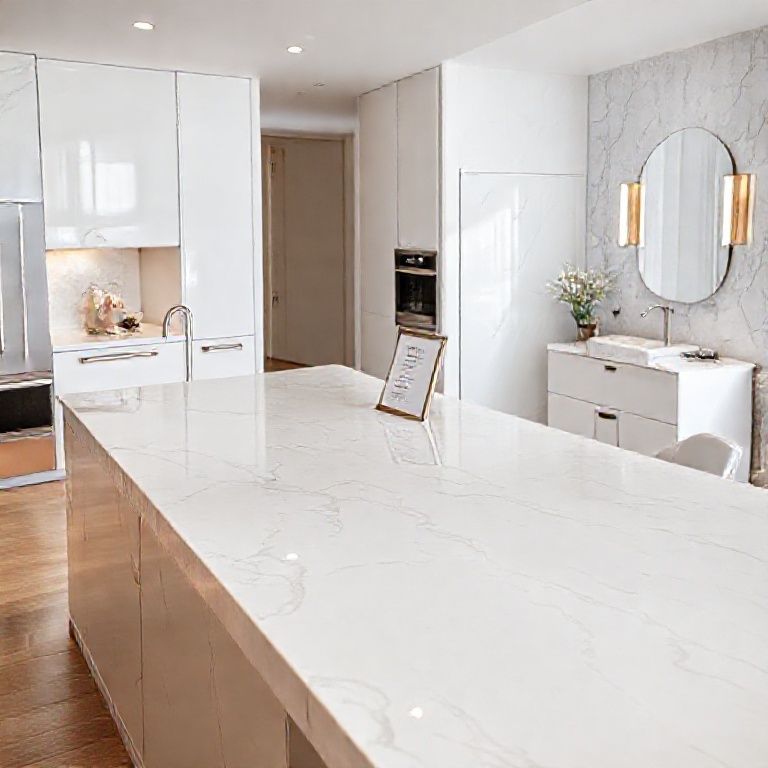
When it comes to kitchen design, the stovetop is one of the most important elements. Not only is it a functional space where culinary magic happens, but it’s also an aesthetic focal point. Choosing the right material for your kitchen stovetop can significantly impact both its longevity and appearance. Today, we delve into the world of stovetop stones, highlighting the most popular choices and what makes each one unique. Let’s explore the best stones for your kitchen stovetop.
Understanding the Basics: Why Stone Matters
Before diving into specific materials, it’s crucial to understand why stone is often preferred for stovetops. Stone surfaces are known for their durability, heat resistance, and natural beauty. They offer a range of textures and colors, allowing you to choose a look that complements your kitchen decor. Moreover, many stone materials are non-porous, which means they are less likely to stain or harbor bacteria compared to other surfaces like wood or laminate.
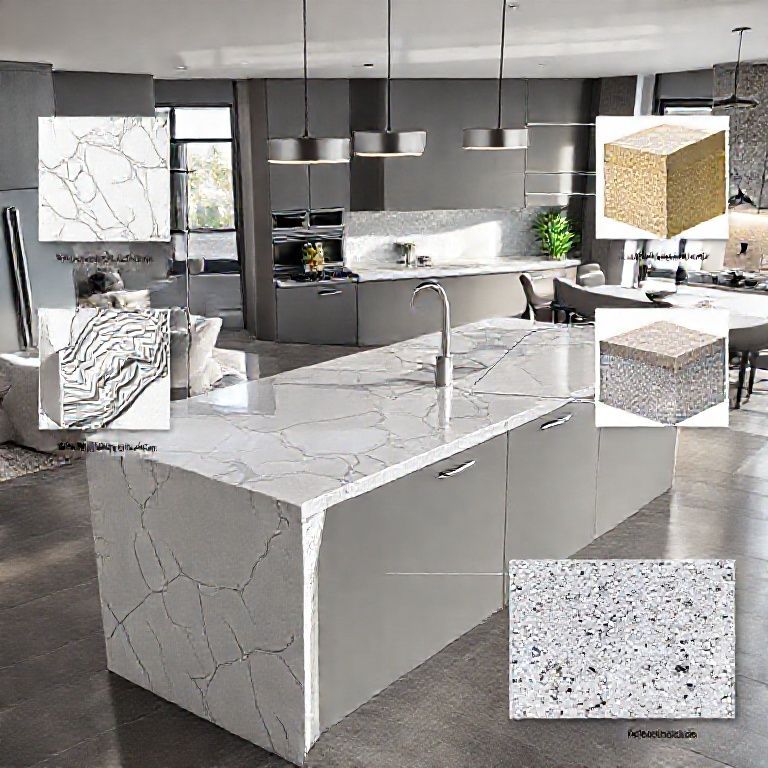
The Popular Choices: Granite, Quartz, and More
Granite
Pros:
Durability: Granite is one of the hardest natural stones, making it highly resistant to scratches and dents. Aesthetic Appeal: Available in a wide range of colors and patterns, granite can provide a sophisticated and timeless look. Low Maintenance: While granite does require sealing initially, once sealed, it is relatively low-maintenance.
Cons:
Sealing Requirement: Granite must be sealed to protect its surface from stains and heat damage. Over time, the seal may need to be reapplied. Cost: Granite can be expensive, both in terms of the material and professional installation.
Quartz
Pros:
Durability: Quartz is made from 90% pure quartz crystals, making it highly resistant to scratches, stains, and heat. Low Maintenance: Quartz cooktops are virtually non-porous, meaning they don’t require sealing or extensive cleaning. Versatility: Available in virtually any color or pattern, quartz offers endless design possibilities.
Cons:
Heat Spots: Quartz can develop heat spots if cookware is left on the surface for too long, which can be visually unappealing. Cost: While generally more affordable than granite, high-end quartz cooktops can still be pricey.
Marble
Pros:
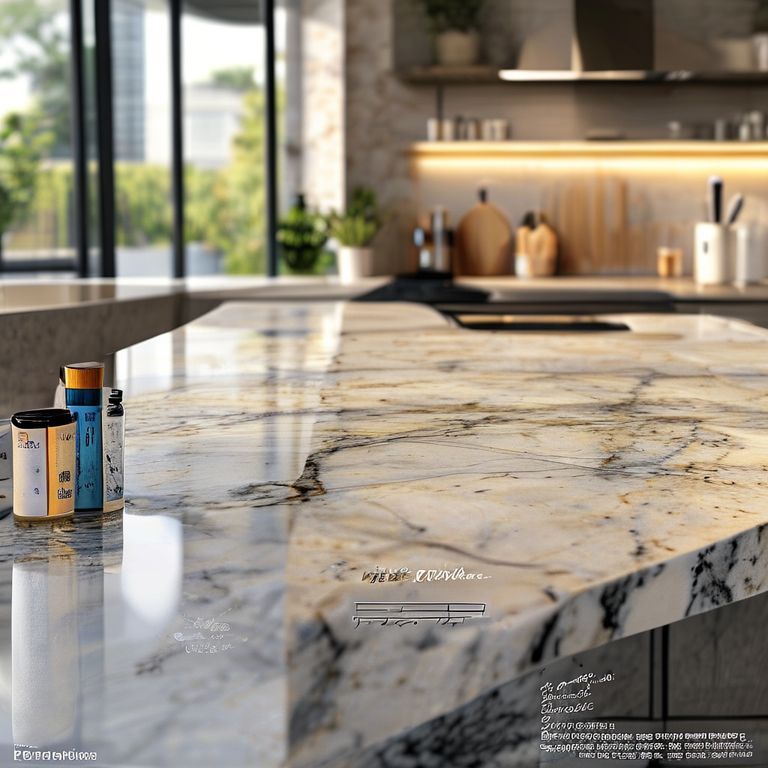
Aesthetic Appeal: Marble offers a luxurious and natural look with its veined patterns. Smooth Surface: Marble is smooth and easy to clean, making it an attractive option for some kitchens.
Cons:
Porosity: Marble is highly porous, which makes it prone to staining and damage from acidic foods and spills. Maintenance: Regular sealing and care are required to maintain marble’s beauty and longevity. Fragility: Marble is softer than granite and quartz, making it more susceptible to scratches and dents.
Quartzite
Pros:
Durability: Similar to quartz, quartzite is highly durable and resistant to scratches, stains, and heat. Low Maintenance: Like quartz, quartzite is non-porous and doesn’t require sealing. Affordability: Generally more affordable than granite and high-end quartz.
Cons:
Heat Spots: Like quartz, quartzite can develop heat spots if cookware is left on the surface for too long. Limited Colors: While versatile, quartzite has fewer color options compared to quartz.
Specialized Stones for Modern Kitchens
Ceramic
Pros:
Heat Resistance: Ceramic cooktops are highly resistant to heat, making them ideal for induction stoves. Customization: Available in a wide range of colors and patterns, ceramic cooktops can be customized to match any kitchen decor. Low Maintenance: Easy to clean and maintain, ceramic cooktops don’t require sealing.
Cons:
Fragility: Ceramic cooktops can be more brittle and may crack if dropped or subjected to extreme impacts. Heat Spots: Ceramic can develop heat spots if cookware is left on the surface for too long.
Induction-Specific Materials
For kitchens equipped with induction stoves, it’s crucial to choose materials specifically designed for induction compatibility.
Ceramic Glass
Pros:
Compatibility: Designed for induction stoves, ceramic glass cooktops provide excellent heat distribution. Low Maintenance: Easy to clean and maintain, with no need for sealing. Durability: Highly durable and resistant to scratches and stains.
Cons:
Heat Spots: Like other materials, ceramic glass can develop heat spots if cookware is left on the surface for too long.
Glass-Ceramic
Pros:
Compatibility: Specifically designed for induction stoves, glass-ceramic cooktops offer excellent heat distribution. Customization: Available in various colors and patterns, glass-ceramic cooktops can be customized to match any kitchen decor. Low Maintenance: Easy to clean and maintain, with no need for sealing.
Cons:
Fragility: While generally durable, glass-ceramic cooktops can be more fragile compared to some stone materials.
Making the Final Choice: Factors to Consider
When choosing the perfect stone for your kitchen stovetop, several factors should guide your decision:
Budget: Consider the upfront cost of the material as well as potential maintenance costs. Maintenance: Think about how much time you’re willing to spend on cleaning and maintaining your stovetop. Durability: Assess how well the material can withstand daily use and potential impacts. Design: Choose a material that complements your kitchen’s aesthetic and your personal style. Compatibility: Ensure the material is compatible with your type of stove (gas, electric, induction).
Conclusion
Choosing the right stone for your kitchen stovetop is a significant decision that impacts both the functionality and beauty of your kitchen. From the timeless elegance of granite to the modern versatility of quartz, each material offers unique benefits and considerations. By understanding the pros and cons of each option, you can make an informed choice that meets your needs and enhances your culinary space.
In the next part of our guide, we will delve deeper into the maintenance and care of different stovetop materials to ensure they remain in pristine condition for years to come.
The Ultimate Guide to Choosing the Perfect Stone for Your Kitchen Stovetop
Maintaining Your Kitchen Stovetop: Tips and Tricks
In the previous part of our guide, we explored the various materials available for kitchen stovetops and their unique benefits. Now, let’s dive into how to properly maintain and care for these materials to ensure they last for years to come. Proper maintenance not only enhances the appearance of your stovetop but also extends its lifespan, ensuring it remains a durable and beautiful centerpiece of your kitchen.
Granite: Ensuring Longevity and Beauty
Sealing Granite:
Initial Sealing: When installing a granite stovetop, it’s essential to apply a high-quality sealant to protect the stone from stains and heat damage. This process typically needs to be done by a professional. Re-sealing: Over time, the sealant may wear off, and it’s important to reapply it every 1-2 years to maintain protection. A professional re-sealing service can help ensure the best results.
Cleaning Tips:
Mild Cleaners: Use mild, pH-neutral cleaners and avoid acidic or abrasive products that can damage the surface. Immediate Cleaning: Wipe up spills immediately to prevent stains from setting in.
Avoiding Damage:
Heat Protection: Avoid leaving pots and pans on the stovetop for extended periods to prevent heat spots and potential damage. Protective Pads: Use heat-resistant pads or trivets to protect the surface when placing hot items on the stovetop.
Quartz: Easy Care for a Lasting Look
Cleaning Quartz:
Routine Cleaning: Wipe the surface with a soft cloth and mild soap to maintain its appearance. Immediate Spills: Clean up spills immediately to prevent stains.
Avoiding Damage:
Heat Protection: Similar to granite, avoid leaving pots and pans on the surface for too long to prevent heat spots. Impact Protection: Use pot holders and trivets to avoid scratches and dents.
Marble: Preserving Its Natural Beauty
Sealing Marble:
Initial Sealing: Marble stovetops should be sealed by a professional upon installation to protect against stains and damage. Re-sealing: Re-sealing may be necessary every few years, depending on usage and exposure to acidic foods.
Cleaning Tips:
Mild Cleaners: Use pH-neutral cleaners and avoid acidic or abrasive products. Immediate Cleaning: Clean up spills immediately to prevent staining.
Avoiding Damage:
玛瑙(Alabaster)
玛瑙是一种美丽的大理石,常用于厨房灶台。虽然它有着惊人的外观,但也有一些特殊的维护要求。
清洁和保养:
定期清洁: 用软布和温水与少量中性清洁剂清洁玛瑙。避免使用酸性或者强力清洁剂。 立即清理溢出物: 玛瑙对酸性物质非常敏感,立即清理溢出的食物或饮料,特别是含酸的食物,如柑橘类水果或醋。 定期密封: 玛瑙需要定期密封,通常每1-2年一次,以保护其表面免受污渍和损伤。
石英(Quartz)
石英厨房灶台以其耐用性和美观性而闻名,但仍需要一些基本保养。
清洁和保养:
定期清洁: 用温水和中性清洁剂清洁石英表面。石英不需要密封,但清洁后用干布擦干以防止水渗透。 立即清理溢出物: 尽管石英耐热,但应尽快清理溢出的食物,以防止热点形成。 避免硬物撞击: 尽量避免在石英表面撞击硬物,以防止划痕。
石英砂(Quartz Sand)
石英砂是一种由石英制成的材料,常用于高端厨房灶台。
清洁和保养:
定期清洁: 用温水和中性清洁剂清洁,并用干布擦干。 避免硬物撞击: 尽量避免在表面撞击硬物,以防止划痕。 特殊处理: 石英砂通常不需要密封,但需要定期清洁以保持其光泽和美观。
其他常见石材
花岗岩(Granite)、黑云母片石(Slate)、大理石(Marble)等也有其特定的保养方法。
花岗岩: 类似于玛瑙,需要定期密封和定期清洁。 黑云母片石: 较耐用,但仍需避免撞击和高温,定期清洁。 大理石: 需要特别小心,因其易受酸性物质和高温损害,定期密封和立即清理溢出物非常重要。
总结
无论选择哪种石材作为厨房灶台,遵循正确的清洁和保养方法是确保其美观和耐用性的关键。每种石材都有其独特的特性和需求,了解并遵循这些指导可以让您的灶台长久保持良好状态。