The Ultimate Guide to Choosing the Right Stone for Your Kitchen Countertop
When it comes to kitchen design, the choice of countertop material can significantly influence both aesthetics and functionality. The kitchen countertop is not only a central workspace but also a focal point in your home. Therefore, selecting the right material for your kitchen stovetop is crucial. Among the many options available, certain stone materials stand out for their durability, beauty, and ease of maintenance.
Granite: The Timeless Classic
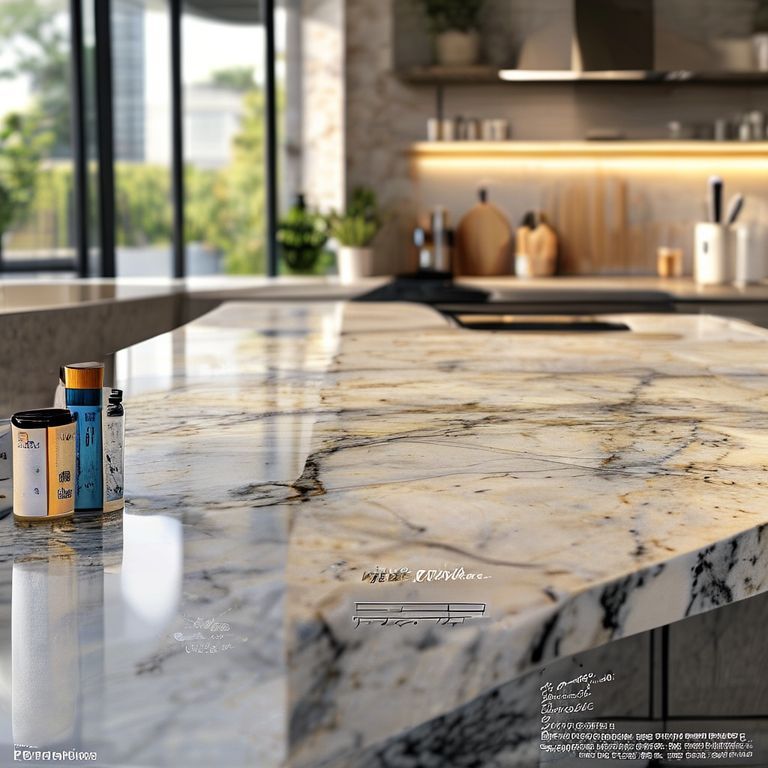
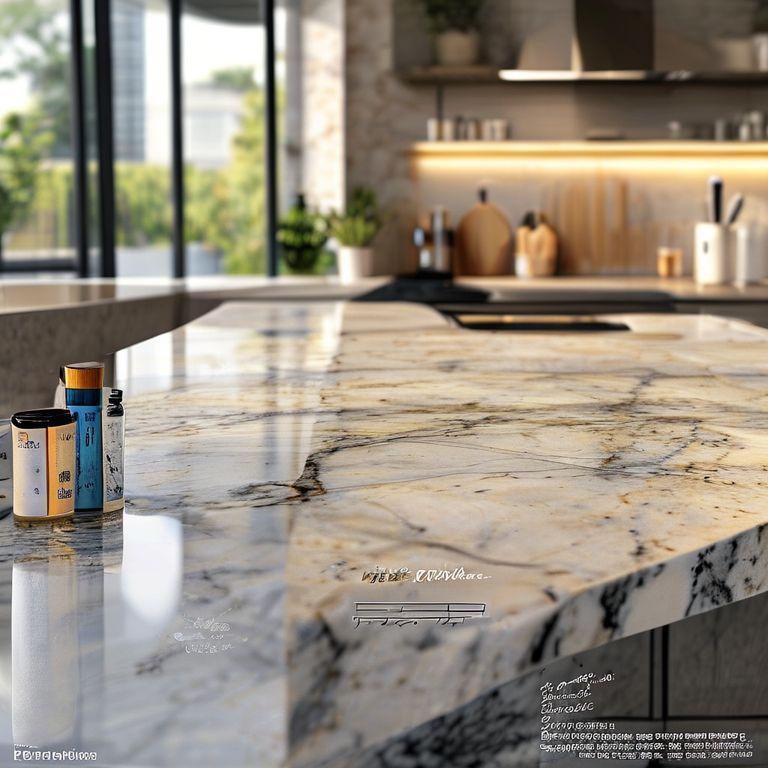
Granite has long been a favorite for kitchen countertops due to its unparalleled beauty and durability. Originating from the Earth’s mantle, granite is composed of various minerals, giving it a rich, unique pattern that is both stunning and functional. One of the main reasons granite is favored for kitchen stovetops is its hardness, which makes it highly resistant to scratches and impacts. This is particularly important for areas that will be exposed to frequent cooking activities.
However, granite is not impervious to everything. It is relatively porous and can stain if not properly sealed. Therefore, regular maintenance and sealing are essential to keep your granite countertop looking its best. Despite this, the natural beauty and resilience of granite make it a popular choice for those looking for a timeless, classic look in their kitchen.
Quartz: The Modern Marvel
Quartz, a relatively newer entrant in the world of kitchen countertops, has quickly gained popularity for its impressive blend of durability and aesthetics. Composed of 90% pure quartz and enhanced with pigments and resin, quartz countertops offer a wide range of colors and patterns, allowing for virtually limitless design possibilities.
One of the standout features of quartz is its non-porous nature, which makes it highly resistant to stains, scratches, and heat. This makes it an ideal choice for kitchen stovetops that are constantly exposed to cooking heat and spills. Unlike granite, quartz does not require sealing, which simplifies maintenance and ensures a low-maintenance countertop. Its modern, sleek look also adds a contemporary touch to any kitchen design.
Slate: The Underrated Gem
While not as commonly chosen as granite or quartz, slate is a stone that offers both durability and aesthetic appeal. Slate countertops are made from sedimentary rock that is naturally split into thin layers, making them highly suitable for kitchen use. One of the key advantages of slate is its ability to handle high heat without cracking, making it an excellent choice for kitchen stovetops.
Slate’s natural texture and color variations provide a unique and rustic look that can complement both traditional and modern kitchen designs. However, slate is softer than granite and can be prone to scratching. Regular maintenance and protective measures can help preserve its appearance and longevity.
Marble: The Elegant Choice
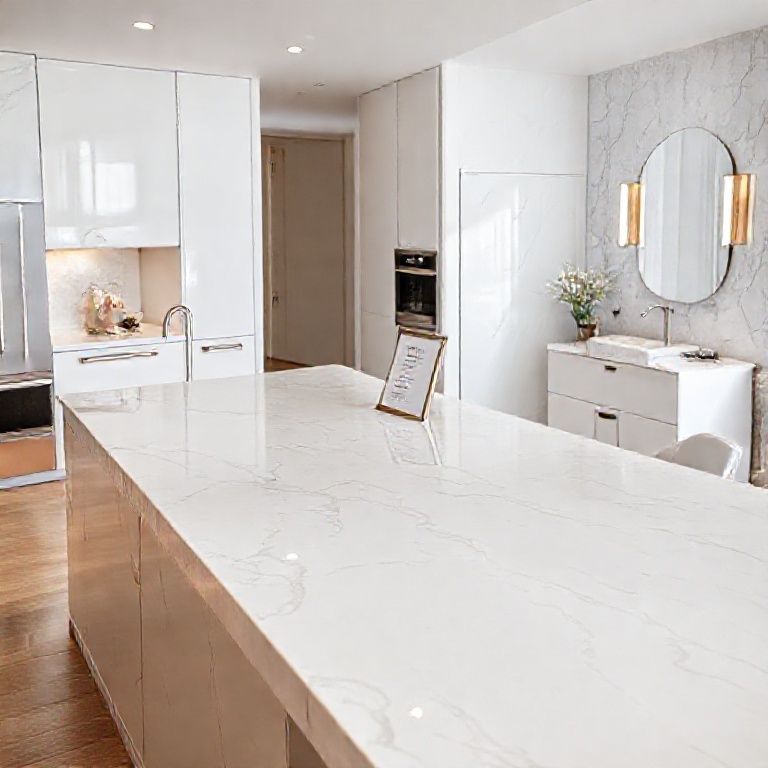
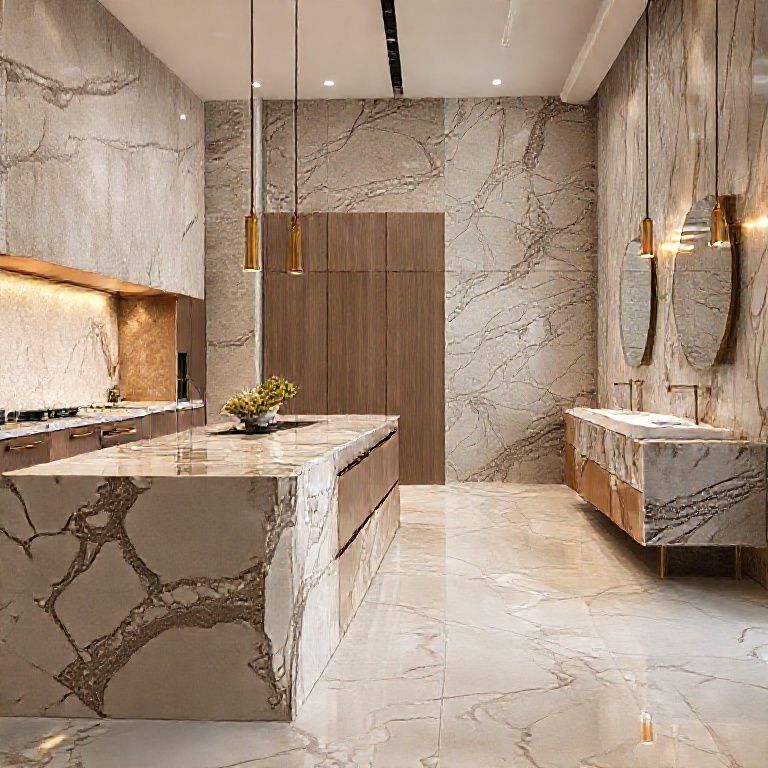
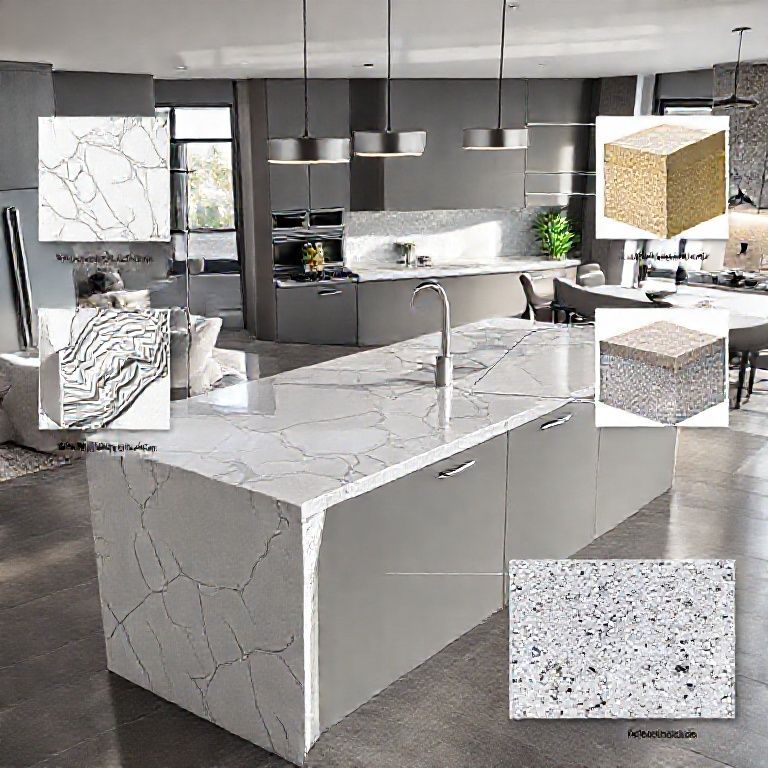
Marble is renowned for its elegance and beauty, making it a popular choice for kitchen countertops. This luxurious stone is quarried from limestone and is known for its intricate veining and patterns. While marble is aesthetically stunning, it is also one of the softer stones, which makes it more susceptible to scratches, stains, and dents.
For kitchen stovetops, marble’s vulnerability to heat and spills can be a concern. To mitigate this, marble countertops often require sealing to protect against stains and regular maintenance to preserve their appearance. Despite these needs, the exquisite look of marble can add a touch of luxury and sophistication to any kitchen.
Conclusion:
Choosing the right stone for your kitchen countertop, particularly for the stovetop area, involves considering factors such as durability, maintenance requirements, and aesthetic appeal. Granite offers timeless elegance and resilience, while quartz provides a modern, low-maintenance alternative. Slate’s unique texture and marble’s luxurious appeal each bring their own distinct advantages.
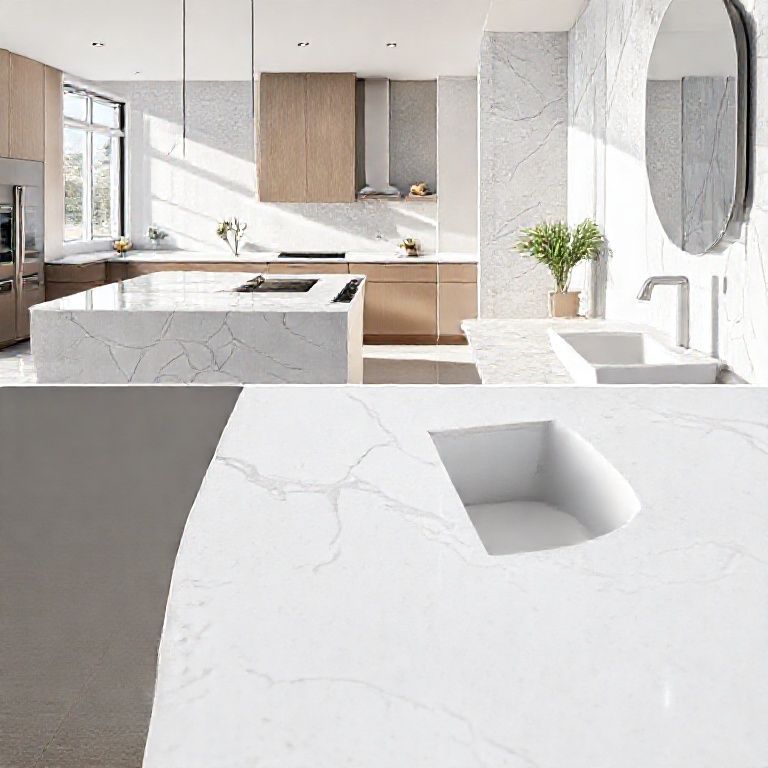
By understanding the strengths and limitations of each stone, you can make an informed decision that will enhance both the functionality and beauty of your kitchen. In the next part of this guide, we will delve deeper into specific maintenance tips and additional stone options to consider for your kitchen countertop.
The Ultimate Guide to Choosing the Right Stone for Your Kitchen Countertop
Continuing our exploration of the best stone materials for kitchen countertops, particularly for stovetops, this part will delve deeper into specific maintenance tips and additional stone options to consider. Proper care and maintenance are key to ensuring that your kitchen countertop remains beautiful and functional for years to come.
Maintaining Your Kitchen Countertop
Regardless of the stone you choose, regular maintenance is crucial to keep your kitchen countertop looking its best. Here are some general tips for maintaining different types of stone:
Granite: Sealing: Granite is porous and can absorb stains. It’s essential to seal granite countertops regularly to protect against spills and stains. Follow the manufacturer’s instructions for the best results. Cleaning: Use a mild soap and water solution to clean granite surfaces. Avoid abrasive cleaners or sponges that can scratch the surface. Repairs: If your granite countertop has chips or scratches, professional repair services are available to restore its original appearance. Quartz: Cleaning: Quartz is non-porous, so it doesn’t require sealing. Clean quartz countertops with a soft cloth and mild soap and water solution. Avoiding Heat Damage: While quartz can handle high heat, prolonged exposure to direct flames or hot pots and pans can cause discoloration. Use trivets or pot holders to protect the surface. Scratches: Although quartz is more resistant to scratches than many other stones, it can still be scratched. Use cutting pads when spreading heavy items on the countertop. Slate: Cleaning: Slate countertops can be cleaned with a mild soap and water solution. Avoid using abrasive cleaners that can scratch the surface. Sealing: While not typically required, sealing can help protect against stains. Scratches: Slate is softer than granite and can be more prone to scratches. Use cutting boards and pads to protect the surface. Marble: Sealing: Marble requires regular sealing to protect against stains and spills. Follow the manufacturer’s instructions for sealing products. Cleaning: Use a mild, pH-neutral cleaner and a soft cloth to avoid scratching the surface. Heat: Avoid placing hot pots and pans directly on marble countertops to prevent discoloration.
Additional Stone Options
While granite, quartz, slate, and marble are some of the most popular choices for kitchen countertops, there are other stone options to consider as well:
Calacatta Gold Marble: Aesthetics: Known for its golden veins and high luster, Calacatta Gold marble offers a luxurious and elegant look. Maintenance: Requires regular sealing and careful handling to avoid scratches and stains. Emperor Granite: Color: Emperor Granite features a deep black color with contrasting white or gray flecks, providing a striking and modern look. Durability: Highly resistant to stains and scratches, making it a low-maintenance choice for busy kitchen areas. Lapis Lazuli: Color: This rare and precious stone has a striking blue color with golden flecks, making it a unique and luxurious choice. Maintenance: Requires regular sealing and careful handling to protect its beauty. Onyx: Aesthetics: Onyx has a sleek, polished finish with a rich, dark color and white veining. It offers a modern, sleek look. Maintenance: While onyx is more resistant to stains than marble, it can still be prone to scratches. Regular cleaning with mild soap and water is recommended.
Conclusion:
Choosing the right stone for your kitchen countertop, especially for the stovetop area, is a decision that involves balancing durability, maintenance requirements, and aesthetic appeal. Each stone offers unique benefits and challenges, and understanding these can help you make an informed choice that best suits your needs and style preferences.
From the timeless elegance of granite and the modern marvel of quartz to the unique textures of slate and the luxurious appeal of marble, there is a perfect stone for every kitchen. Proper maintenance and care will ensure that your chosen stone countertop remains a beautiful and functional centerpiece in your kitchen for years to come.
By considering the specific features and maintenance needs of each stone, you can confidently select the perfect countertop material that will enhance both the beauty and functionality of your kitchen. Whether you opt for a classic, modern, or unique look, the right stone countertop can make a significant impact on your kitchen design.