
The laundry room. For some, it’s a sanctuary of calm, a place to organize and refresh. For others, it’s a functional space that, while essential, can often feel a bit… utilitarian. But what if we told you that even the humblest of laundry sinks could be a focal point of design and a testament to thoughtful living? The choice of material for your laundry sink isn’t just about aesthetics; it’s a crucial decision that impacts durability, maintenance, functionality, and ultimately, your overall satisfaction. So, let’s roll up our sleeves and dive into the fascinating world of laundry sink materials, exploring the pros and cons to help you find the perfect basin for your needs.
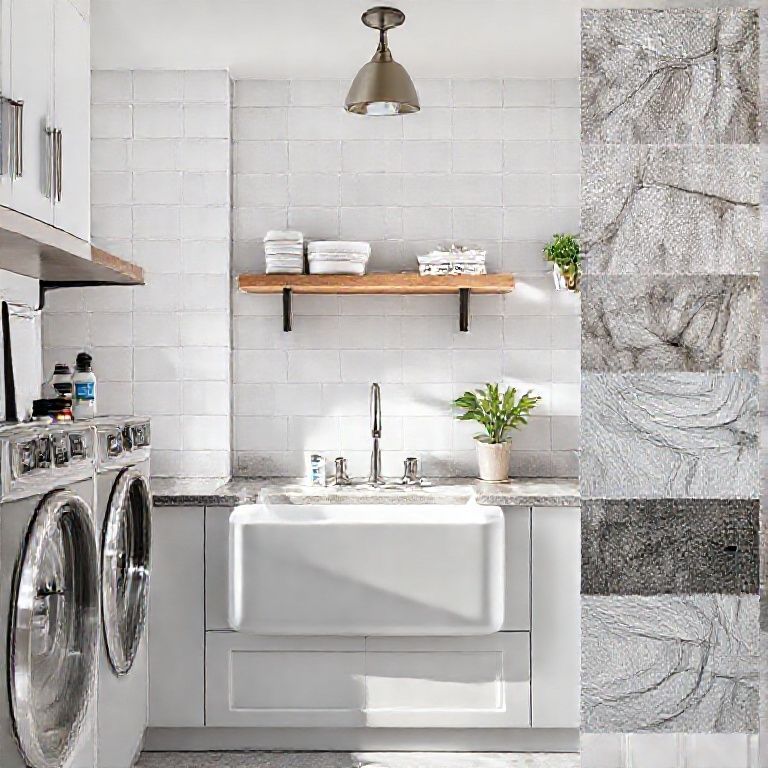
Ceramic: The Timeless Classic
Ceramic, particularly porcelain or fireclay, is a perennial favorite for a reason. Its glossy, smooth surface offers a timeless elegance that can seamlessly blend into a variety of decor styles, from traditional farmhouse to sleek modern. The inherent non-porous nature of glazed ceramic makes it highly resistant to stains and easy to clean. Spills from detergents, bleach, or even the occasional dropped paintbrush are generally no match for its resilience. Furthermore, ceramic is remarkably durable, capable of withstanding everyday wear and tear without scratching or fading. Its weight also lends a sense of stability and quality.
However, ceramic isn’t without its drawbacks. While it’s resistant to most common household chemicals, it can be susceptible to chipping or cracking if subjected to heavy impact. Dropping a cast-iron skillet or a heavy ceramic vase into the sink, for instance, could spell disaster. Repairing chips can be challenging, often requiring specialized kits that may not perfectly match the original finish. Moreover, ceramic sinks tend to be quite heavy, which might necessitate reinforced cabinetry during installation. Despite these considerations, the enduring beauty and ease of maintenance make ceramic a strong contender for many homeowners. Imagine a bright white fireclay sink with a gooseneck faucet, a picture of pristine functionality. It’s a choice that speaks to longevity and understated sophistication.
Stainless Steel: The Workhorse of Durability
When you think of high-traffic, demanding environments, stainless steel likely comes to mind, and for good reason. This material is renowned for its exceptional durability and resistance to corrosion and rust. Laundry rooms, by their nature, involve water, detergents, and frequent use, making stainless steel a practical and robust choice. It’s also incredibly hygienic, as its non-porous surface inhibits the growth of bacteria. The sleek, industrial aesthetic of stainless steel can add a modern edge to any laundry space, and it pairs beautifully with a variety of countertop materials.
The versatility of stainless steel is another significant advantage. It can be found in a wide range of gauges (thicknesses), with higher gauges indicating thicker, more durable steel. Lower gauges might be more prone to scratching and denting. While stainless steel is generally resistant to staining, it can develop water spots if not dried properly, and it is susceptible to scratching from abrasive cleaners or rough handling. However, many minor scratches can be buffed out with specialized stainless steel polish. The sound of running water in a thin stainless steel sink can also be a bit noisy, though many higher-end models come with sound-dampening pads to mitigate this. If you’re looking for a sink that can handle anything you throw at it, withstand the rigors of frequent use, and offer a clean, modern aesthetic, stainless steel is a champion. It’s the material that says, “I can take it, and I’ll still look good doing it.”
Solid Surface: Seamless Style and Versatility
Solid surface materials, often a blend of acrylic polymers and alumina trihydrate, offer a unique combination of seamless aesthetics and practical functionality. One of their most compelling features is the ability to create truly seamless installations. Unlike other materials where you see distinct edges where the sink meets the countertop, solid surface sinks can be fabricated to flow directly into the countertop, creating a smooth, continuous surface. This not only looks incredibly chic but also eliminates those hard-to-clean crevices where grime and mildew can accumulate.
Beyond their seamless integration, solid surface sinks are non-porous, making them resistant to stains and easy to wipe clean. They are also surprisingly durable and can often be repaired relatively easily if minor scratches or chips occur. Technicians can often sand down and refinish the surface to make imperfections disappear. This repairability is a significant advantage over materials like ceramic, where damage can be more permanent. Solid surface is also warmer to the touch than stone or metal, adding a subtle element of comfort to the laundry experience.
However, it’s important to note that while durable, solid surface is not impervious to damage. Prolonged exposure to high heat can cause discoloration or warping, so avoid placing very hot pots directly into the sink. Similarly, while resistant to most common household chemicals, harsh solvents can potentially damage the surface. The cost of solid surface sinks can also be higher than some other options, reflecting their advanced manufacturing process and the ability to create custom shapes and seamless integrations. If your priority is a sleek, modern look with minimal visible seams and a forgiving surface that can be readily repaired, solid surface presents a compelling, high-end option. It’s the material that whispers sophistication and offers a clean, uncluttered visual experience.
Continuing our exploration of laundry sink materials, we delve into options that offer a different blend of aesthetics, durability, and functionality. Choosing the right material is about balancing your practical needs with your design aspirations, ensuring your laundry space is not just a utility zone but a reflection of your personal style and a joy to use.
Granite Composite & Quartz: The Engineered Stone Powerhouses
Engineered stone materials, primarily granite composite and quartz, have surged in popularity across kitchen and bathroom applications, and their benefits extend wonderfully to the laundry room. These materials are essentially a composite of natural stone particles (like granite or quartz) bound together with resins. The result is a sink that boasts incredible strength, durability, and resistance to a wide array of daily challenges.
Granite composite sinks, for instance, are renowned for their exceptional resistance to heat, scratches, chips, and stains. They are non-porous, meaning they won’t absorb liquids, making them impervious to common laundry chemicals and easy to wipe clean. The rich, deep colors and slightly matte texture of granite composite can add a luxurious feel to the laundry room, offering a departure from the more utilitarian look of stainless steel. They come in a variety of natural-looking hues, allowing for a harmonious integration with your chosen color scheme.
Quartz sinks share many of these desirable qualities. They are equally tough, resisting heat, stains, and scratches with remarkable tenacity. Their composition also makes them non-porous and therefore highly hygienic. While both granite composite and quartz offer similar performance, the aesthetic nuances can differ. Quartz often has a more uniform appearance, while granite composite can exhibit more natural-looking variations in color and texture.
The primary consideration with these engineered stone sinks is their weight. They are significantly heavier than stainless steel or acrylic, requiring robust cabinetry and potentially professional installation to ensure proper support. While incredibly durable, extreme impacts from very heavy objects can theoretically cause them to chip or crack, though this is rare in typical household use. Repairing chips in these materials can be more complex than with solid surface, often requiring professional restoration. However, for homeowners seeking a sink that offers unparalleled durability, resistance to the harsh realities of laundry chemicals, and a sophisticated, high-end aesthetic, granite composite and quartz sinks are exceptional choices. They offer a sense of permanence and a touch of natural beauty to a space often overlooked in design considerations.
Acrylic: The Lightweight and Budget-Friendly Option
For those seeking a more budget-conscious and lightweight solution, acrylic sinks present a viable option. Acrylic is a thermoplastic material, known for being lightweight, affordable, and relatively easy to install. Its smooth, non-porous surface makes it resistant to staining and simple to clean with mild detergents. Acrylic sinks are also less prone to chipping and cracking than ceramic if dropped, making them a more forgiving choice for active households.
The lightweight nature of acrylic is a significant advantage during installation, often not requiring additional structural support for the cabinetry. This can translate to cost savings on labor and materials. Furthermore, acrylic is available in a wide array of colors, offering greater flexibility in matching your laundry room’s design scheme.
However, acrylic sinks do have limitations. While resistant to stains, they are more susceptible to scratching than harder materials like stainless steel or engineered stone. Deep scratches can be difficult to repair and may detract from the sink’s overall appearance. Acrylic is also less resistant to high heat, meaning prolonged exposure to very hot water or items can potentially cause warping or discoloration. Harsh abrasive cleaners should also be avoided to preserve the finish. The aesthetic of acrylic can sometimes feel less premium than ceramic or stone, though advancements in manufacturing are continuously improving its appearance. If your primary concerns are cost, ease of installation, and a lightweight, easy-to-clean surface, acrylic is a practical choice. It’s the material that makes a statement about smart, accessible functionality without breaking the bank.
Making Your Final Decision: A Material Sum-Up
The “best” material for your laundry sink ultimately depends on your priorities.
For Unmatched Durability and a Modern Look: Stainless steel is a robust and timeless choice that can handle heavy use with ease. For Timeless Elegance and Easy Cleaning: Ceramic (fireclay or porcelain) offers a classic aesthetic and excellent stain resistance, though it requires careful handling to avoid chips. For Seamless Style and Repairability: Solid surface provides a sleek, modern look with integrated designs and a forgiving surface that can be refinished. For Supreme Strength and a High-End Feel: Granite composite and quartz sinks offer exceptional resistance to heat, stains, and scratches, bringing a touch of luxury and resilience. For Budget-Friendliness and Lightweight Installation: Acrylic is a practical option that is easy to maintain and install, though it may be more prone to scratches.
Consider your budget, the expected usage of your laundry room, your aesthetic preferences, and the level of maintenance you’re willing to undertake. By understanding the strengths and weaknesses of each material, you can confidently select a laundry sink that will not only serve its purpose effectively but also enhance the overall appeal and functionality of your home for years to come. The humble laundry sink, when chosen wisely, can indeed be a cornerstone of a well-designed and enjoyable living space.









