How to Effectively Clean Artificial Stone Countertops
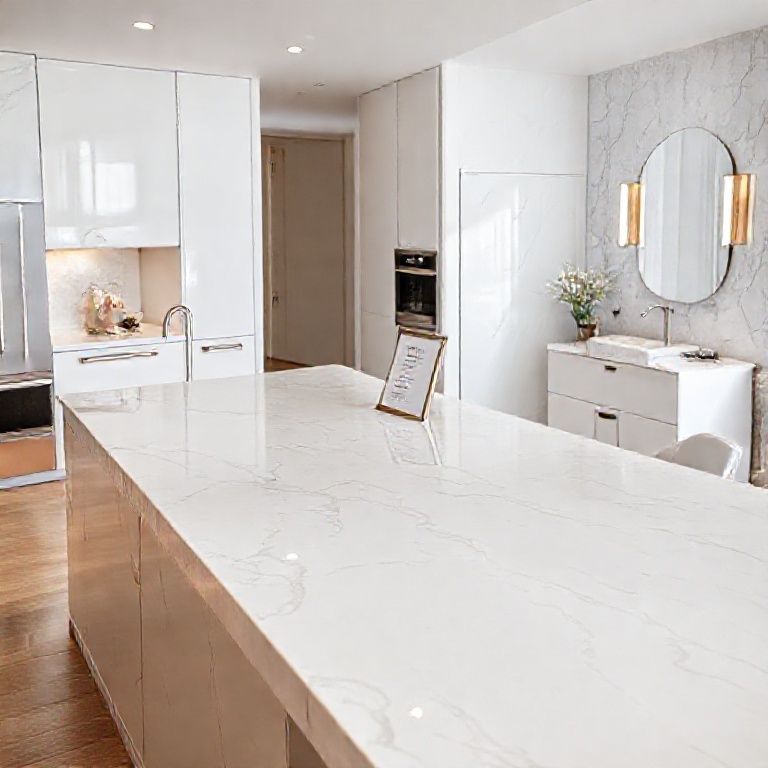
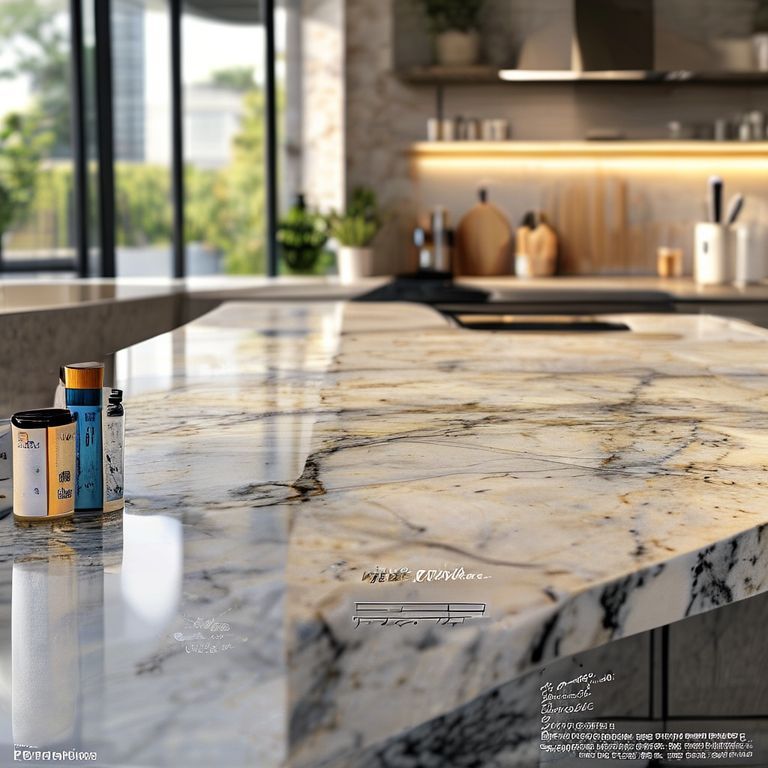
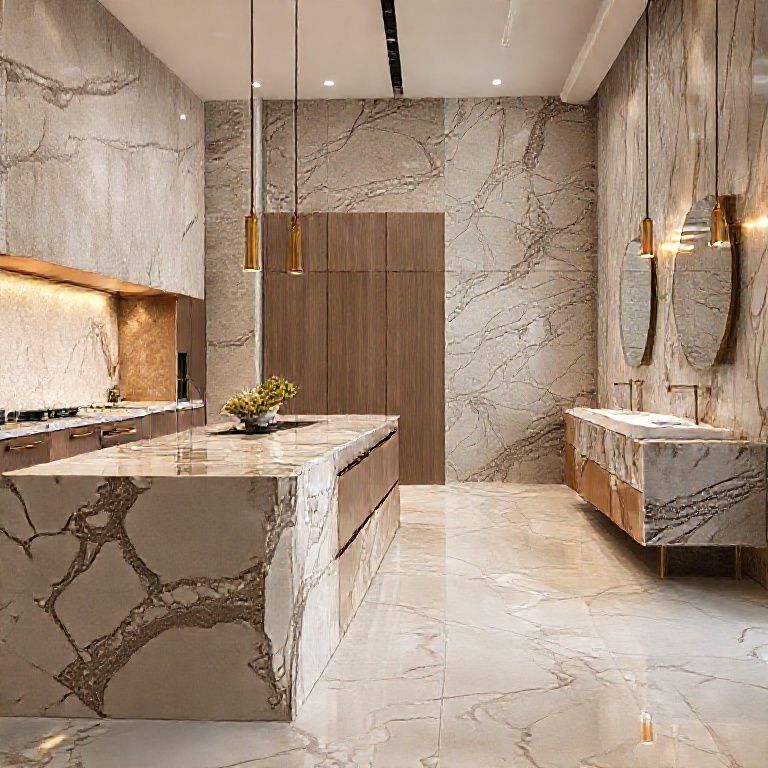
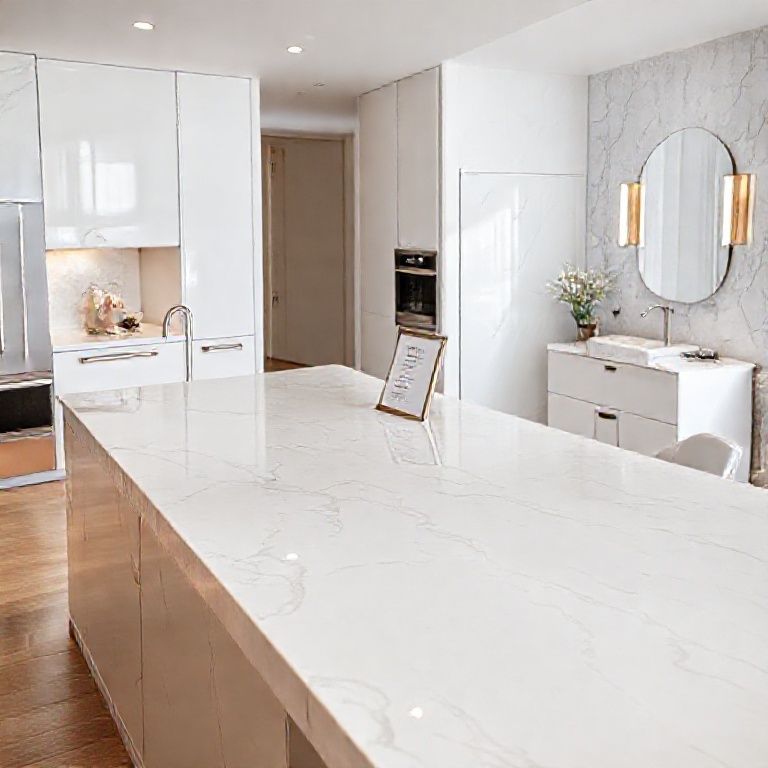
Artificial stone countertops have become a popular choice for kitchens and bathrooms due to their durability, aesthetic appeal, and low maintenance requirements. However, even the most resilient surfaces can accumulate dirt, stains, and grime over time. This guide will provide you with detailed steps and tips on how to effectively clean artificial stone countertops to maintain their pristine look.

Understanding Artificial Stone
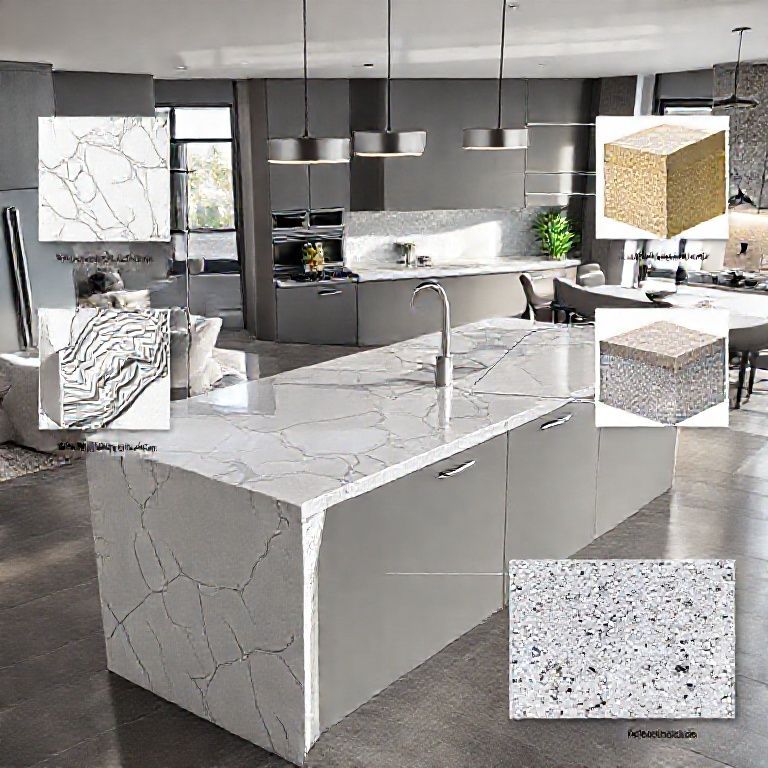
Before diving into the cleaning process, it’s essential to understand what artificial stone is and how it differs from natural stone. Artificial stone, also known as cultured stone, is a composite material made from natural stone powder, bonding agents, and pigments. This combination creates a stone-like appearance while offering enhanced durability and flexibility.
Basic Cleaning Tips
Regular Maintenance: To keep your artificial stone countertop clean, regular maintenance is crucial. Clean the surface daily with a soft, damp cloth and mild soap or dish detergent. This simple step can prevent the buildup of grime and stains.
Avoid Abrasive Cleaners: While regular cleaning with a mild detergent is sufficient, avoid using abrasive cleaners or scouring pads. These can scratch the surface of the artificial stone, leading to long-term damage.
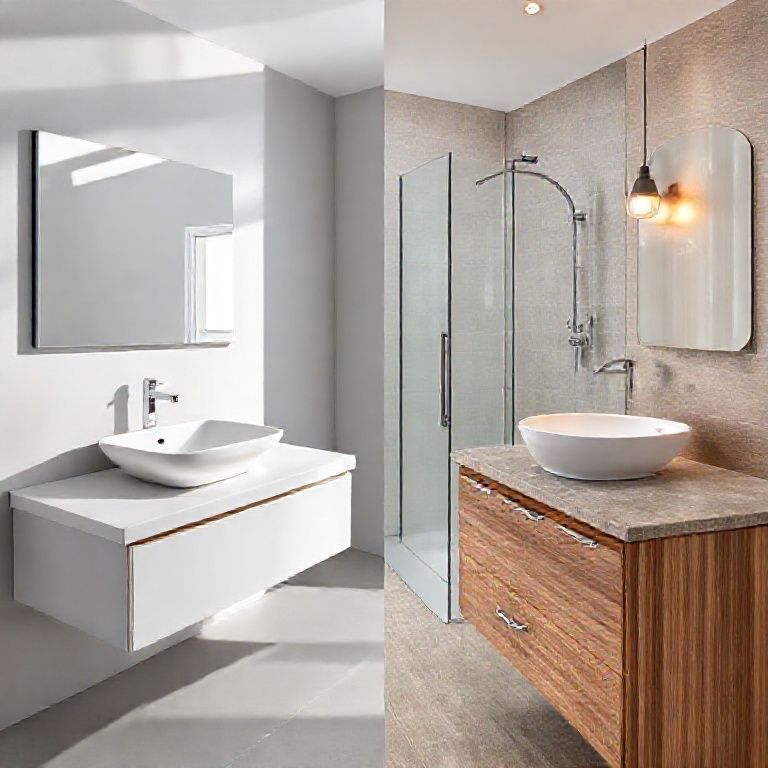
Immediate Stain Removal: For spills and stains, act quickly. Blot the spill with a clean, dry cloth to absorb as much liquid as possible. Then, use a mild detergent solution to clean the affected area. Rinse thoroughly with water and dry with a soft cloth.
Tackling Common Stains
Different types of stains require different cleaning solutions. Here’s how to tackle some common stains on artificial stone:
Coffee and Tea Stains: These organic stains can be particularly stubborn. Mix a few drops of dish soap with warm water and use a soft cloth to gently scrub the stain. Rinse and dry immediately to prevent the stain from setting.
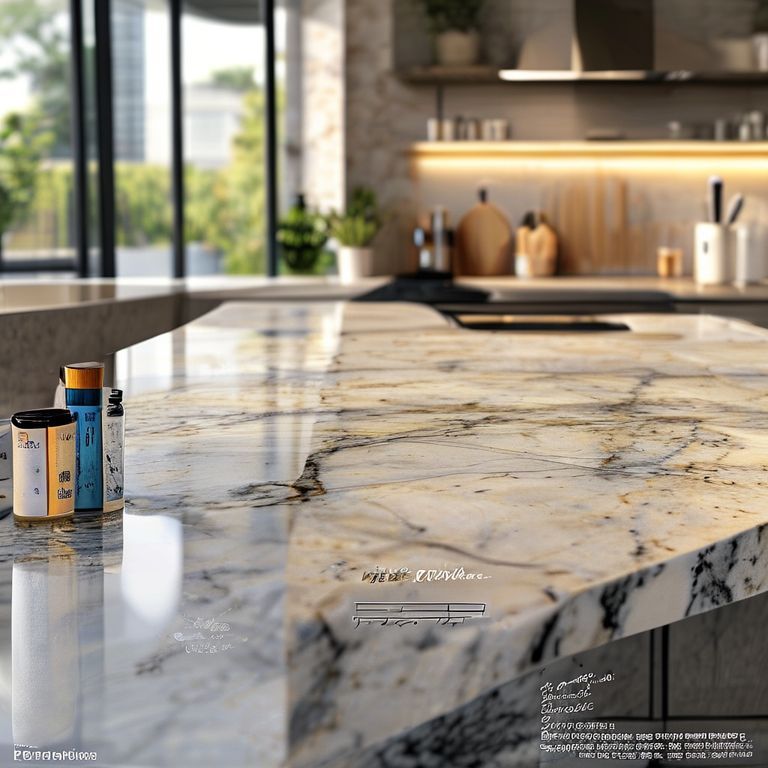
Grease and Oil Stains: Grease and oil stains are common in kitchens. Use a mixture of baking soda and water to create a paste. Apply the paste to the stain and let it sit for 15-20 minutes before scrubbing gently with a cloth. Rinse and dry.
Wine and Juice Stains: These stains can be removed by blotting with a clean cloth to absorb as much liquid as possible. Then, use a mixture of vinegar and water (1:1 ratio) to clean the stain. Rinse and dry thoroughly.
Soap and Water Stains: For soap scum, use a mixture of equal parts vinegar and water. Apply the solution to the stain and let it sit for a few minutes before wiping clean with a damp cloth. Rinse and dry.
Deep Cleaning Solutions
For more extensive cleaning or to remove tough stains, consider using specialized stone cleaner products designed for artificial stone surfaces. Here’s how to use them effectively:
Commercial Cleaners: Follow the manufacturer’s instructions carefully. Typically, you will need to apply the cleaner to a soft cloth rather than directly to the countertop. Gently scrub the surface and rinse with water. Ensure the countertop is completely dry to prevent water spots.
Natural Cleaners: If you prefer natural cleaning solutions, consider using vinegar, lemon juice, or baking soda. These are safe for artificial stone and can effectively clean and sanitize the surface. For example, a lemon juice and water solution can help remove grime and leave a fresh scent.
Preventative Measures
To maintain the appearance of your artificial stone countertops and extend their lifespan, consider these preventative measures:
Use Coasters and Trivets: Protect your countertop from heat and moisture by using coasters for drinks and trivets for hot dishes. This simple step can prevent stains and damage from spills and heat.
Avoid Harsh Chemicals: Limit the use of harsh chemicals that can damage the surface. Opt for mild detergents and natural cleaning solutions whenever possible.
Regular Inspections: Regularly inspect your countertops for any signs of wear or damage. Early detection of minor issues can prevent more significant problems down the line.
Seal the Surface: While artificial stone does not require sealing like natural stone, it can benefit from a light coat of a high-quality, non-toxic sealant to enhance its durability and repel stains.
Advanced Maintenance Tips for Your Artificial Stone Countertops
Artificial stone countertops are designed to be low-maintenance, but regular care can help them maintain their beauty and functionality for years to come. In this second part, we will delve deeper into advanced maintenance tips, including how to handle specific situations and extend the lifespan of your artificial stone surfaces.
Handling Specific Situations
Chipped or Damaged Areas: If you notice any chips or minor damage to your artificial stone countertop, it’s important to address it promptly. Use a stone repair kit specifically designed for artificial stone. Follow the instructions to fill in the cracks or chips and polish the surface to restore its appearance.
Heavy-Duty Cleaning: For heavy-duty cleaning, such as after a kitchen renovation or deep cleaning, use a stone cleaner that is safe for artificial stone. Apply the cleaner according to the manufacturer’s instructions, ensuring you use a soft cloth to avoid scratching the surface. Rinse thoroughly and dry with a clean towel.
Stain Removal: For particularly stubborn stains, consider using a stone polish. These products can help restore the shine and remove deep-set stains. Apply the polish with a soft cloth and follow up with a gentle cleaning routine to maintain the countertop’s appearance.
Extending the Lifespan of Artificial Stone Countertops
To ensure your artificial stone countertops remain in excellent condition for as long as possible, consider the following advanced maintenance tips:
Regular Cleaning: Establish a regular cleaning routine that includes daily wipes with a damp cloth and weekly deep cleans with a specialized stone cleaner. Consistent care prevents the buildup of grime and stains.
Use Protective Covers: If you have cutting boards, hot pots, or other items that frequently come into contact with your countertops, use protective covers or mats. This can prevent scratches and marks from occurring.
Avoid Overheating: While artificial stone can withstand high temperatures, prolonged exposure to excessive heat can cause discoloration. To prevent this, use trivets and avoid leaving hot items directly on the surface for extended periods.
Inspect for Damage: Regularly inspect your countertops for any signs of wear, damage, or cracks. Addressing minor issues early can prevent them from becoming more serious problems.
Professional Maintenance: For a thorough deep clean and maintenance, consider hiring a professional stone cleaning service. They have the expertise and equipment to ensure your countertops are cleaned and maintained to the highest standards.
Natural and Eco-Friendly Cleaning Solutions
For those who prefer eco-friendly cleaning solutions, there are several natural options that are safe for artificial stone:
Vinegar: Vinegar is a versatile and natural cleaner that can effectively remove grime and stains. Mix equal parts vinegar and water, apply to a cloth, and gently wipe the surface. Rinse with clean water and dry thoroughly.
Lemon Juice: Lemon juice is a natural degreaser and disinfectant. Apply fresh lemon juice to a cloth and gently scrub the countertop. Rinse and dry with a clean towel. The natural scent of lemon can also help keep the surface fresh.
Baking Soda: Baking soda is a gentle abrasive that can help remove tough stains without damaging the surface. Create a paste with baking soda and water, apply it to the stain, let it sit for a few minutes, then scrub gently with a cloth. Rinse and dry.
Conclusion
Maintaining artificial stone countertops is relatively straightforward, thanks to their durable and low-maintenance nature. By following the tips and guidelines provided in this comprehensive guide, you can ensure that your artificial stone countertops remain beautiful and functional for years to come. Regular cleaning, proper handling, and preventative measures are key to preserving the pristine look and extending the lifespan of your countertops. Whether you choose to use commercial cleaners or natural alternatives, the most important thing is to treat your artificial stone with care and respect its unique qualities. With the right approach, your artificial stone countertops will continue to enhance the beauty and functionality of your kitchen or bathroom for years to come.