The Ultimate Guide to Cleaning Artificial Stone Countertops: Maintain Your Kitchen’s Elegance
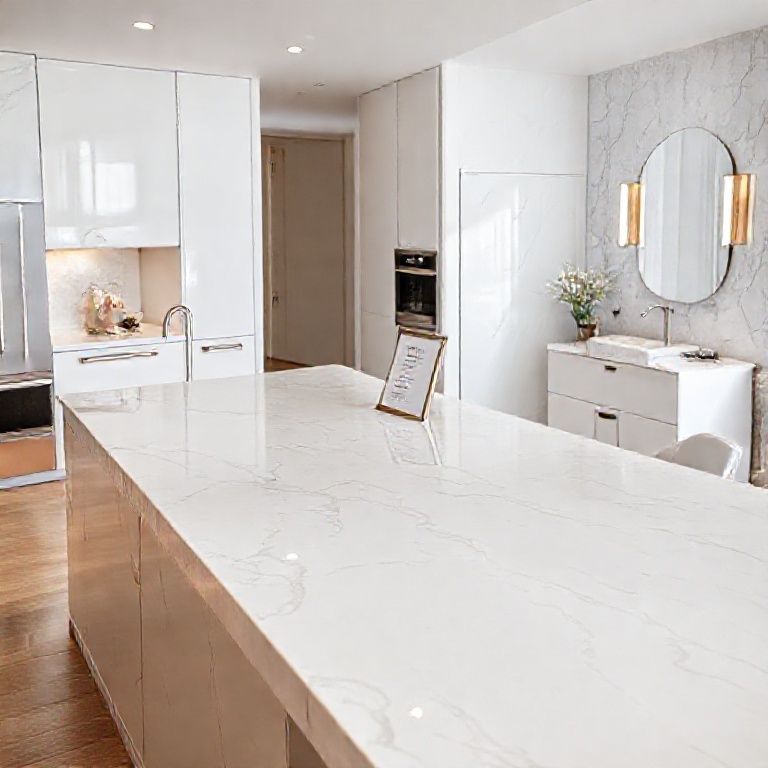
Artificial stone countertops have revolutionized modern kitchen design, offering an elegant, durable, and low-maintenance alternative to traditional granite or marble. However, maintaining their pristine appearance requires some understanding of their unique properties and appropriate cleaning techniques. In this first part of our comprehensive guide, we will explore the nature of artificial stone, discuss initial cleaning tips, and reveal essential maintenance practices to ensure your kitchen remains a model of modern elegance.
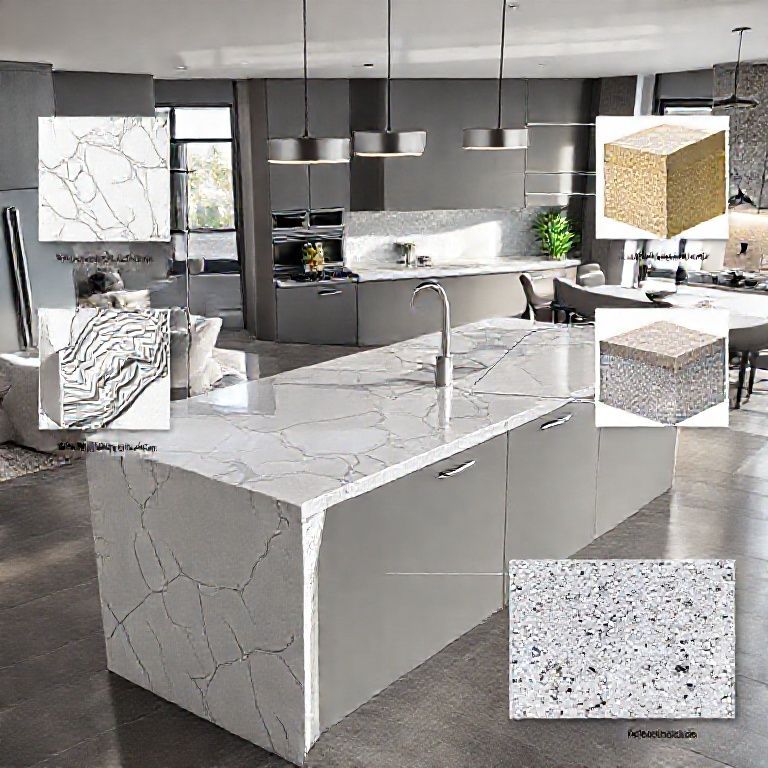
Understanding Artificial Stone
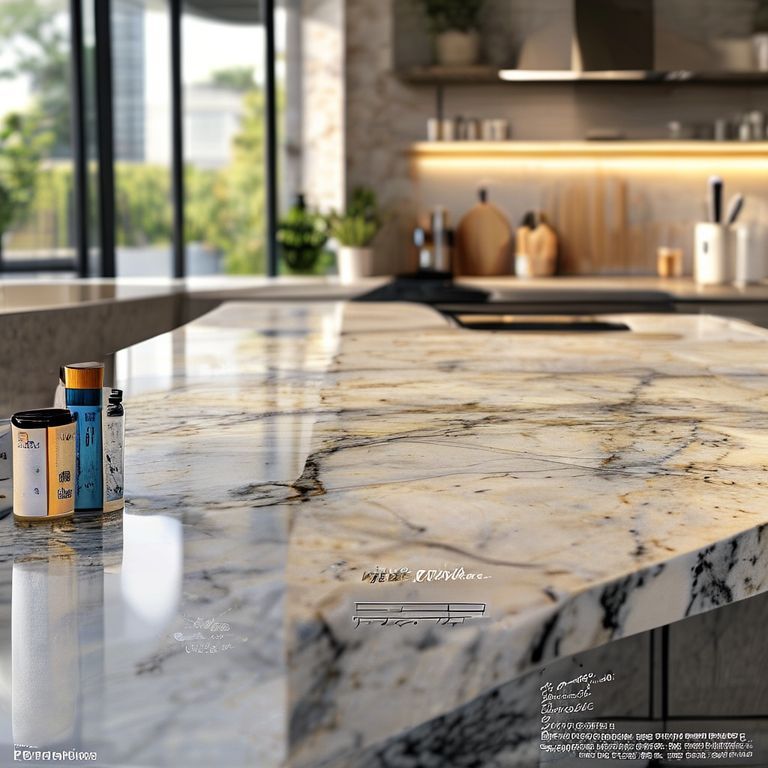
Artificial stone, often referred to as quartz, is a composite material made primarily from silica sand, bonded together with polymers. It is engineered to mimic the appearance of natural stone while boasting superior durability and resistance to scratches, stains, and heat. Despite its robustness, artificial stone does require careful handling to preserve its sleek, modern look.
Initial Cleaning Tips
1. Regular Dusting
Artificial stone is resistant to many common household stains and requires minimal maintenance. However, daily dusting is still essential to prevent grime build-up. Use a soft, dry cloth to gently wipe down the surface, removing any dust or debris. This simple step can significantly prolong the life of your countertop.
2. Immediate Spill Management
Liquid spills can be a challenge for any countertop, but artificial stone handles them more gracefully than many others. If a spill occurs, it’s crucial to clean it up promptly. Blot the spill with a clean cloth to absorb as much liquid as possible. For tougher spills, a mild detergent solution can be used to ensure no residue is left behind. Always rinse with a clean cloth to remove any soap.
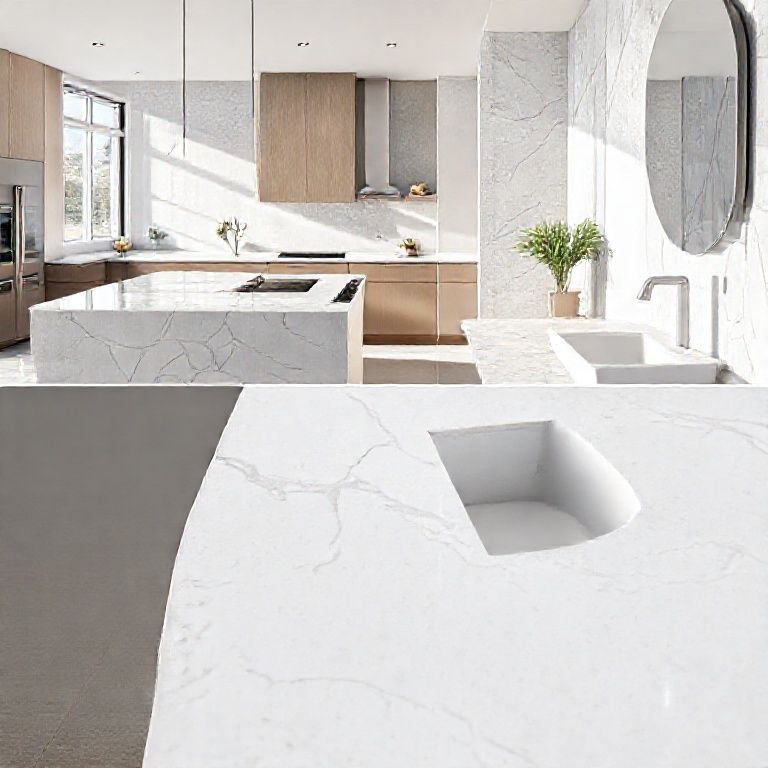
3. Avoiding Abrasive Cleaners
One of the most critical aspects of maintaining an artificial stone countertop is avoiding abrasive cleaners and utensils. Scratches can mar the surface, even if they’re not immediately visible. Always use non-abrasive cleaning agents and avoid metal objects when cutting or placing items on the countertop.
Selecting the Right Cleaning Products
1. Mild Detergents
For routine cleaning, a mild dish soap diluted in warm water is often sufficient. These detergents are gentle enough to clean without compromising the integrity of the artificial stone. Avoid harsh chemicals like bleach or ammonia, which can damage the surface.
2. Specialized Countertop Cleaners
There are many commercial cleaners specifically designed for stone countertops, including artificial stone. These products often contain natural oils and waxes that not only clean but also protect the surface. Always check the manufacturer’s recommendations for compatibility.
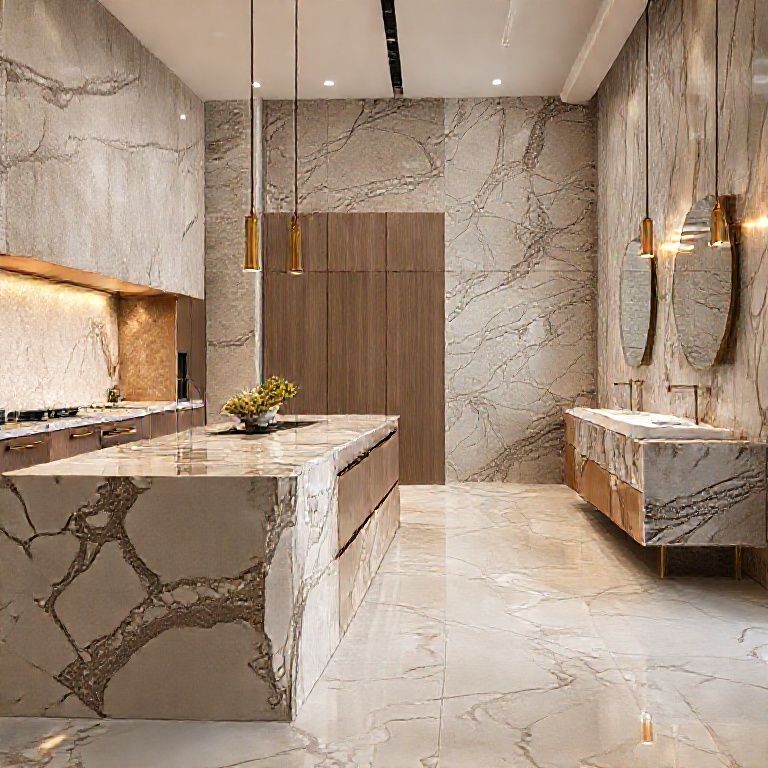
3. Microfiber Cloths
Microfiber cloths are excellent for cleaning artificial stone countertops. They are gentle, effective at trapping dirt, and help in achieving a streak-free shine. Always use a clean microfiber cloth and avoid saturating the countertop with water, as excess moisture can seep into the material.
Cleaning Techniques
1. Daily Wipe-Downs
Incorporating a daily wipe-down into your routine can significantly reduce the need for more intensive cleaning sessions. Use a damp microfiber cloth with a mild detergent solution to keep the surface clean and free from grime.
2. Deep Cleaning
Periodically, a deeper clean may be necessary to remove stubborn stains or heavy grease. Mix a small amount of mild detergent with water to create a cleaning solution. Dampen a cloth with the solution and gently wipe the surface, avoiding excessive scrubbing which can scratch the material. Rinse with a clean, damp cloth to remove any soap residue.
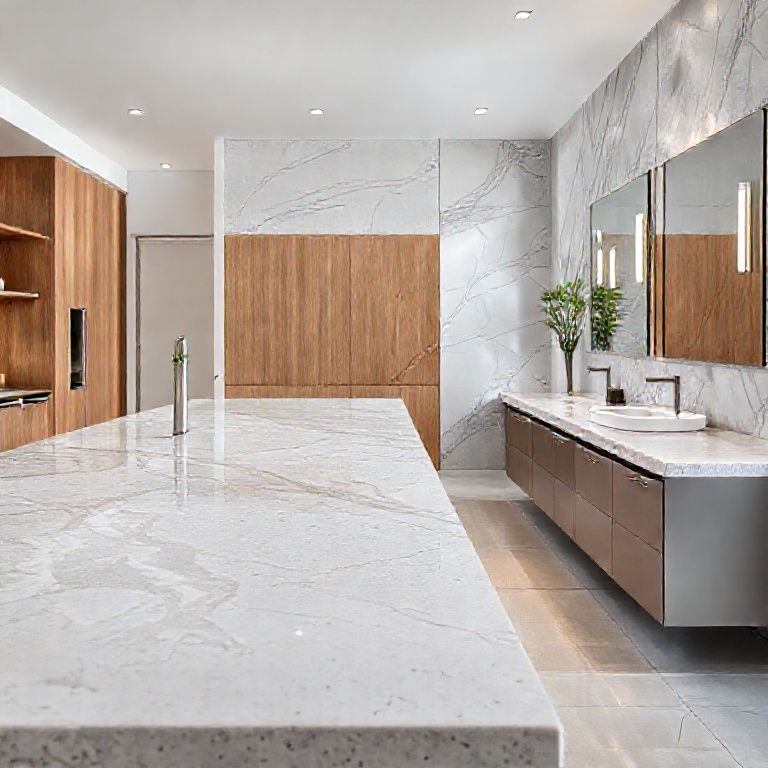
3. Sealing the Surface
While artificial stone does not require regular sealing like natural stone, it’s beneficial to apply a surface protector periodically. This step helps to fortify the material against stains and spills. Follow the manufacturer’s instructions for application and ensure you use a product specifically designed for artificial stone.
Preventing Stains and Damage
1. Using Coasters and Trivets
To prevent heat and liquid stains, always use coasters under cups and mugs and trivets for hot pots and pans. This simple precaution can save you time and effort in cleaning and maintaining the countertop’s appearance.
2. Covering the Surface
When not in use, cover the countertop with a protective cloth to shield it from dust, spills, and potential scratches. This habit is especially useful if you have pets or frequently open windows, which can bring in additional debris.
Conclusion
Maintaining an artificial stone countertop is a straightforward task if you follow the right cleaning practices and use the appropriate products. By understanding the material’s properties and implementing a regular cleaning routine, you can ensure that your kitchen remains a beacon of modern elegance and functionality. In the next part of this guide, we will delve into advanced cleaning techniques, tackle common issues, and provide expert tips to keep your artificial stone countertop looking its best. Stay tuned for more detailed insights and expert advice!
The Ultimate Guide to Cleaning Artificial Stone Countertops: Maintain Your Kitchen’s Elegance
Continuing from our first part, we now turn our attention to advanced cleaning techniques and solutions for common issues that may arise with artificial stone countertops. Whether you’re dealing with persistent stains, specific cleaning challenges, or general maintenance tips, this second part of our comprehensive guide will provide you with the detailed knowledge you need to keep your artificial stone countertop pristine and looking new.
Advanced Cleaning Techniques
1. Tackling Stubborn Stains
Over time, some stains may become embedded or particularly stubborn. For these, a more intensive cleaning approach is required.
Vinegar Solution: White vinegar is a natural cleaner that can effectively remove many types of stains. Mix equal parts of vinegar and water in a spray bottle. Lightly mist the stained area and let it sit for a few minutes before wiping clean with a damp cloth. Avoid using vinegar on colored or treated stone surfaces, as it can cause discoloration.
Baking Soda Paste: For tough stains, create a paste using baking soda and water. Apply the paste to the stained area and gently scrub with a soft brush or cloth. Rinse with a clean, damp cloth and dry thoroughly.
2. Grease and Oil Spills
Grease and oil spills are common in kitchens and can be particularly challenging on artificial stone.
Dish Soap and Hot Water: Mix warm water and a few drops of dish soap to create a cleaning solution. Apply it to the spill and let it sit for a few minutes before scrubbing gently with a cloth. Rinse and dry the area completely.
Commercial Cleaners: If the spill is particularly greasy, use a commercial cleaner designed for stone countertops. Follow the manufacturer’s instructions for best results.
3. Etching and Scratch Removal
Scratches and minor etchings can be a concern, but they are usually manageable with the right approach.
Polishing Compound: Use a stone polishing compound specifically designed for artificial stone. Follow the product instructions for application and use a soft cloth to gently polish the affected area. This can help restore the surface’s shine and minimize the appearance of minor scratches.
Professional Help: For deeper scratches or etchings, it may be best to seek professional assistance. A professional stone restorer can use advanced techniques to repair and rejuvenate the surface.
Addressing Common Issues
1. Water Spots
Water spots can appear on artificial stone when moisture is left on the surface for extended periods.
Rubbing Alcohol: Apply rubbing alcohol to a clean cloth and gently wipe the water spots. Allow the area to air dry completely. Avoid using alcohol on colored or treated stone surfaces.
Vinegar Solution: Similar to other stains, a vinegar solution can be effective for removing water spots. Lightly mist the area and wipe clean with a damp cloth.
2. Scuff Marks
Scuff marks can occur from heavy items being moved across the countertop.
Microfiber Cloth: Use a clean microfiber cloth with a mild detergent solution to gently wipe away scuff marks. Ensure the cloth is not overly saturated to prevent water from seeping into the stone.
Polishing Compound: For more persistent scuff marks, a polishing compound can help restore the surface’s texture and appearance.
3. Heat Damage
Heat damage from pots and pans can cause discoloration or minor etching.
Immediate Action: Always move hot items promptly to prevent prolonged heat exposure. If damage occurs, a polishing compound can help restore the surface.
Professional Repair: In cases of severe heat damage, consider professional repair to restore the countertop’s appearance.
Expert Maintenance Tips
1. Regular Inspections
Regularly inspect your artificial stone countertop for any signs of wear, damage, or buildup. Early detection can prevent more significant issues from developing.
2. Avoiding Overloading
Avoid placing heavy objects directly on the countertop, as this can cause stress on the material. Use cutting boards or other supports to distribute weight evenly.
3. Temperature Control
日常保养与长期维护
1. 定期清洁
尽管人造石台面相对易于清洁,但定期的清洁仍然是保持其美观和功能的关键。建议每周进行一次全面清洁,使用温和的清洁剂和软布,避免使用过多的水。
2. 防护涂层
虽然人造石台面本身具有一定的耐污能力,但添加一层防护涂层可以进一步增强其抗污性和耐用性。选择专业的防护涂层产品,并按照说明进行涂抹和保养。
3. 使用合适的炊具和器具
尽量避免在人造石台面上使用尖锐或硬质的炊具和器具,以防止划伤。可以在切菜、烹饪时使用砧板或其他软质保护垫。
4. 适当的干燥
每次清洁后,确保台面彻底干燥,防止水分长时间滞留在表面,这可能会导致霉菌和污渍。
特殊清洁与处理
1. 酸性液体
尽量避免在人造石台面上倒入酸性液体,例如柠檬汁、醋等。如果不得已,使用时务必小心,并在清理干净后,用碱性清洁剂进行中和处理。
2. 油污处理
油污较难清理,可以使用专门的去油剂。将去油剂涂抹在油污上,静置几分钟后用热水擦拭干净。对于顽固油污,可以在油污处涂抹去油剂,静置10-15分钟后再进行清洁。
3. 污渍去除
对于顽固污渍,可以使用小苏打和水混合成糊状,涂抹在污渍处,静置几分钟后用湿布擦拭干净。也可以尝试专用的污渍去除剂。
维修与更换
1. 小型修复
对于轻微的划痕或损伤,可以使用专门的修复奶油或蜡进行修复。按照产品说明进行操作,可以恢复台面的光泽和完整性。
2. 专业维修
对于严重损坏或划痕,建议寻求专业的石材维修服务。他们可以提供更精细的修复和更换服务,确保台面的外观和功能得到最佳恢复。
环境与使用注意事项
1. 避免过多的湿气
尽量避免在台面上长期放置湿物品,保持干燥环境,以防止霉菌和损害。
2. 避免过热
尽量避免将沸水或过热的食物直接放在台面上,可以使用隔热垫或小盘子来保护台面。
3. 适当的布置
在台面上摆放装饰品或其他物品时,选择软质的垫子或垫片,以防止长时间压力导致损坏。