The Ultimate Guide to Cleaning Yellowed Artificial Stone Countertops: Expert Tips and Tricks
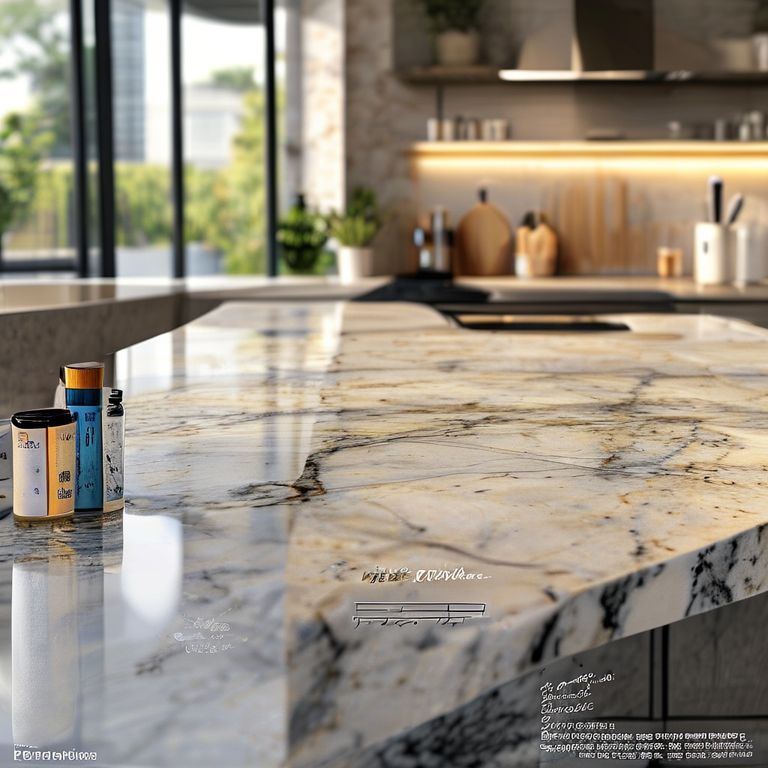
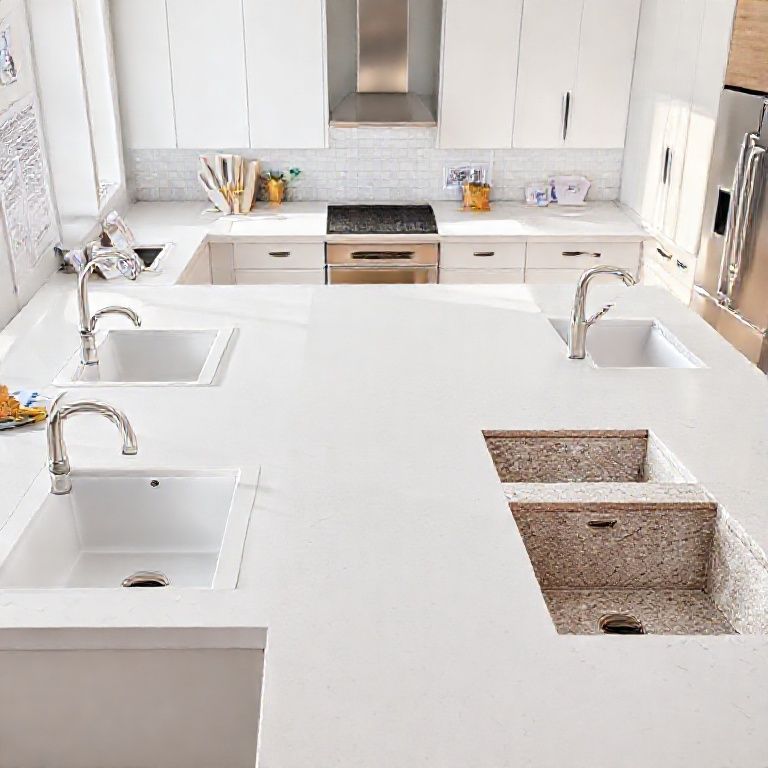
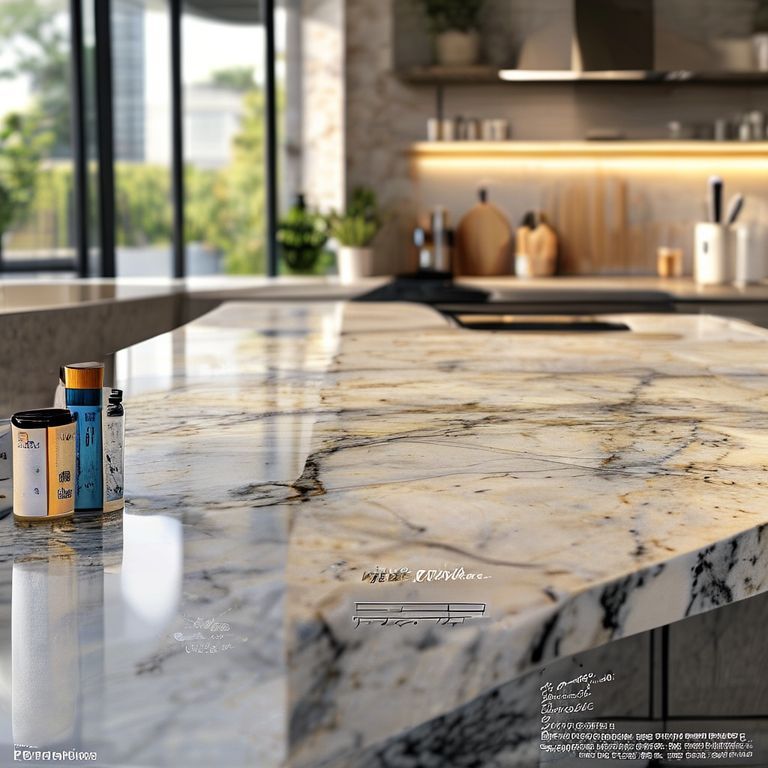
Artificial stone countertops are an excellent choice for their durability, ease of maintenance, and aesthetic appeal. However, over time, they can develop yellow stains, making them look outdated and less pristine. Whether it’s due to frequent use, exposure to certain chemicals, or just the passage of time, yellowed artificial stone countertops can be a nuisance. But fear not! This guide will walk you through various effective methods to clean and restore the original beauty of your artificial stone surfaces.
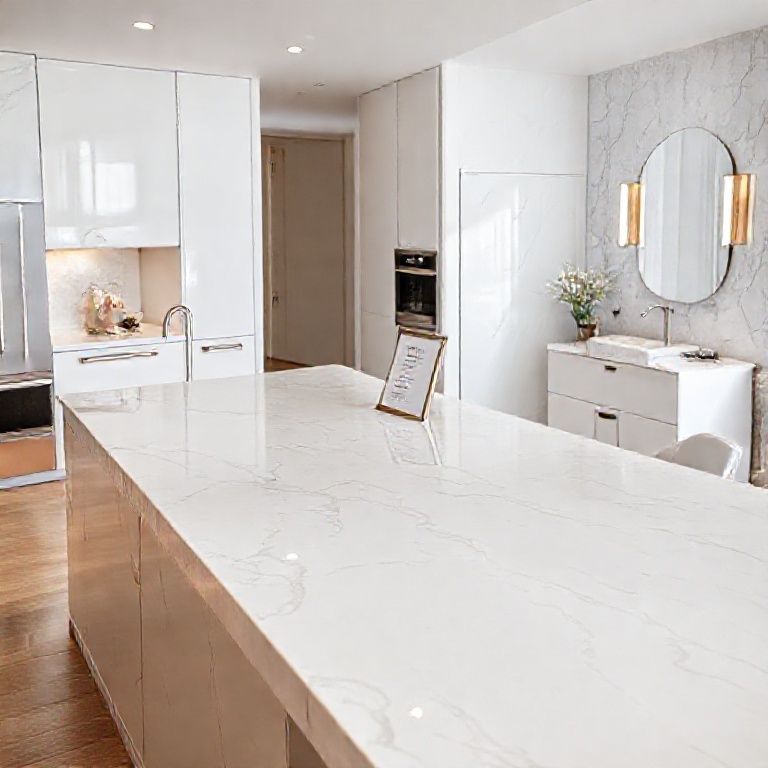
Understanding the Causes of Yellowing
Before diving into cleaning methods, it’s crucial to understand why artificial stone countertops turn yellow. The yellowing is often caused by:
Hard water: Mineral deposits from hard water can leave yellow stains on the surface. Food and drink spills: Oils, coffee, tea, and other acidic or sugary substances can stain the surface. Chemical exposure: Cleaning products or household chemicals can break down the stone’s surface, leading to yellowing. Sunlight: Prolonged exposure to UV rays can also cause the stone to yellow.
Home Remedies for Cleaning Artificial Stone
1. Baking Soda and Vinegar
Ingredients:
Baking soda White vinegar
Instructions:
Mix a paste by combining baking soda and water to form a thick paste. Apply the paste to the stained area and let it sit for 15 minutes. Use a soft cloth or sponge to scrub the surface gently. Rinse thoroughly with warm water and dry with a clean cloth.
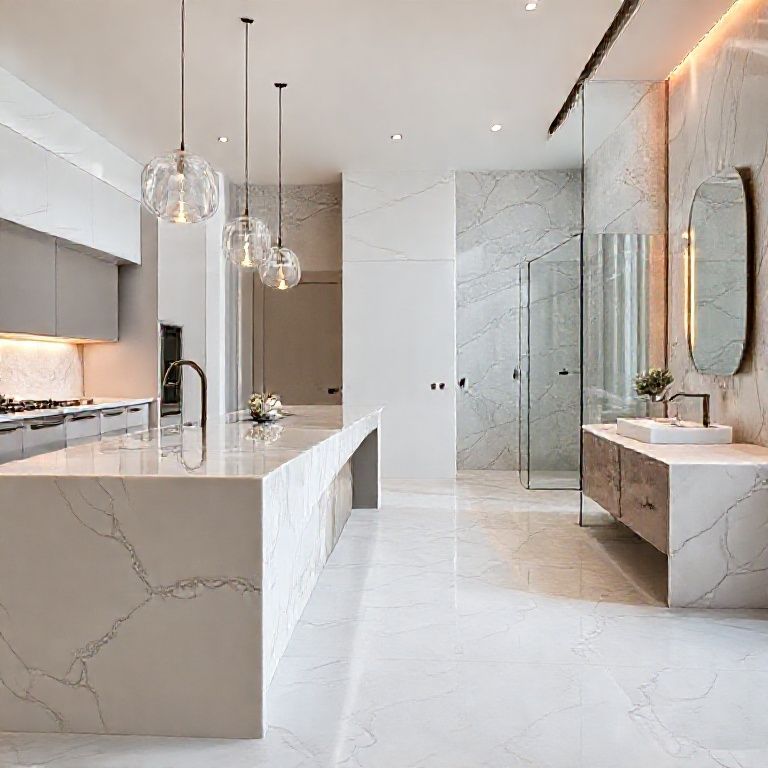
Why It Works: Baking soda acts as a mild abrasive and natural disinfectant, while vinegar is a powerful cleaner that helps dissolve mineral deposits and stains.
2. Lemon Juice and Salt
Ingredients:
Lemon juice Salt
Instructions:
Cut a fresh lemon and rub the cut side on the stained area. Sprinkle salt over the lemon-rubbed area. Let it sit for about 15 minutes. Scrub gently with a soft cloth or sponge. Rinse and dry with a clean towel.
Why It Works: The acidity in lemon juice breaks down the stains, and salt acts as a natural abrasive to scrub away the discoloration.
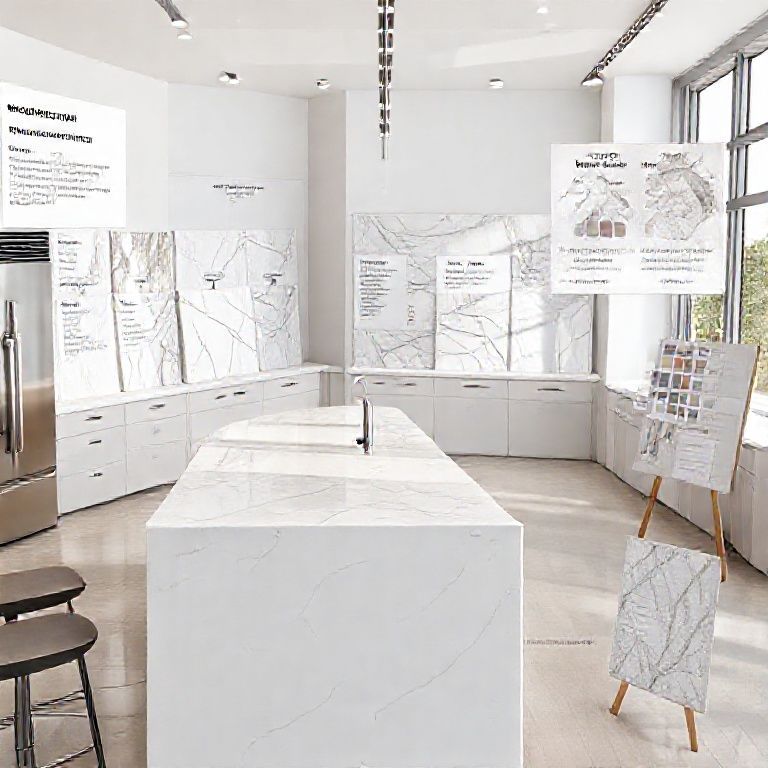
3. Hydrogen Peroxide
Ingredients:
Hydrogen peroxide Water
Instructions:
Mix equal parts of hydrogen peroxide and water. Apply the solution to the stained area using a soft cloth. Let it sit for 10-15 minutes. Wipe clean and dry with a towel.
Why It Works: Hydrogen peroxide is a strong oxidizer that helps break down tough stains without being too harsh on the stone.
Professional Cleaning Techniques
For those who prefer a more thorough cleaning or have tried home remedies without success, professional cleaning techniques offer a more effective solution.
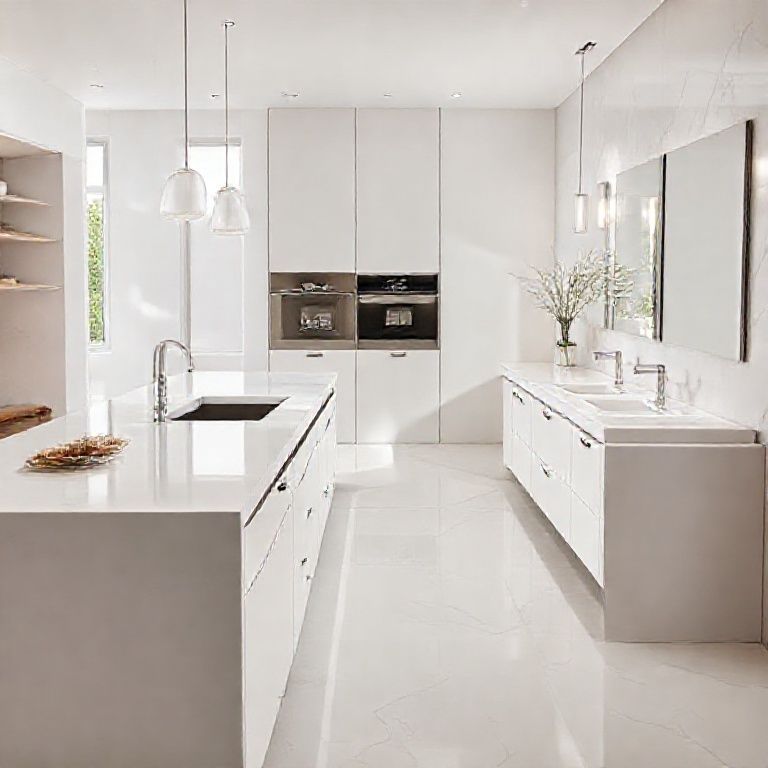
1. Ultrasonic Cleaning
How It Works: An ultrasonic cleaner uses high-frequency sound waves to clean artificial stone countertops. The sound waves create tiny bubbles that burst and remove dirt and stains from the surface.
Benefits:
Effective for deep cleaning without damaging the stone. Removes stubborn stains that home remedies can’t tackle.
2. Chemical Polishing
How It Works: A chemical polish involves applying a special cleaning solution that chemically alters the surface of the stone, lifting stains and restoring its shine.
Benefits:
Provides a long-lasting shine and improved appearance. Professional polishers can tailor the solution to the specific type of artificial stone.
Preventive Measures to Avoid Future Yellowing
Prevention is always better than cure. Here are some tips to keep your artificial stone countertops looking pristine:
1. Regular Cleaning
Daily Wipe-Ups: Use a damp cloth to wipe up spills immediately to prevent stains from setting in. Weekly Cleaning: Use a mild cleaner like vinegar and water to give your countertops a thorough clean each week.
2. Proper Use of Cleaning Products
Avoid Harsh Chemicals: Use mild, non-abrasive cleaners to avoid damaging the surface. Test First: Always test cleaning products on a small, inconspicuous area before using them on the entire surface.
3. Protective Covers
Cutting Boards: Use wooden or plastic cutting boards to avoid scratches and stains. Placemats and Coasters: Use placemats and coasters to protect the surface from spills and heat.
4. Avoid Direct Sunlight
Curtains and Shades: Keep curtains or shades over windows to reduce direct sunlight exposure. UV Protection: Consider using UV-protective films on windows to minimize UV damage.
Conclusion
Artificial stone countertops are a fantastic choice for their durability and aesthetic appeal. However, they do require regular maintenance to keep them looking their best. By understanding the causes of yellowing and using the right cleaning techniques, you can keep your countertops looking pristine and fresh. Whether you opt for simple home remedies or professional cleaning methods, this guide provides everything you need to restore the original beauty of your artificial stone countertops.
The Ultimate Guide to Cleaning Yellowed Artificial Stone Countertops: Expert Tips and Tricks (Continued)
Continuing from where we left off, this part will delve deeper into advanced cleaning techniques, highlight additional home remedies, and provide detailed care tips to ensure your artificial stone countertops stay in top condition.
Advanced Cleaning Techniques
1. Power Washing
How It Works: Power washing uses high-pressure water to clean surfaces thoroughly. For artificial stone, this method can be effective in removing deep-seated stains and grime.
Instructions:
Use a pressure washer with a low-pressure setting to avoid damaging the stone. Apply the water pressure in a back-and-forth motion to lift the stains. Rinse thoroughly with clean water and dry with a microfiber cloth.
Benefits:
Effective for deep cleaning and removing tough stains. Can be used for large areas without much effort.
2. Steam Cleaning
How It Works: A steam cleaner uses hot water vapor to break down dirt and grime on the surface of the stone.
Instructions:
Fill the steam cleaner with water and let it heat up. Use the steam nozzle to clean the surface in a sweeping motion. Wipe the surface with a damp cloth to remove any remaining residue. Dry with a clean, dry cloth.
Benefits:
Effective at breaking down stubborn stains. Leaves a streak-free finish.
Additional Home Remedies
1. Hydrogen Peroxide and Baking Soda Paste
Ingredients:
Hydrogen peroxide Baking soda
Instructions:
Mix hydrogen peroxide and baking soda to form a thick paste. Apply the paste to the stained area. Let it sit for 15 minutes. Scrub gently with a soft cloth. Rinse and dry thoroughly.
Why It Works: The combination of hydrogen peroxide and baking soda provides a powerful cleaning solution that can tackle tough stains.
2. Baking Soda and Coconut Oil
Ingredients:
Baking soda Coconut oil
Instructions:
Mix baking soda with coconut oil to form a paste. Apply the paste to the stained area. Let it sit for 15 minutes. Scrub gently with a soft cloth. Rinse and dry with a clean towel.
Why It Works: Coconut oil is a natural cleaner and moisturizer, while baking soda helps scrub away stains.
Detailed Care Tips
1. Regular Maintenance
Daily Care:
Wipe up spills immediately with a damp cloth. Use mild, non-abrasive cleaners to avoid scratching the surface.
Weekly Care:
Use a mixture of vinegar and water to give a thorough clean. Pay special attention to areas that frequently come into contact with liquids or food.
Monthly Care:
Deep clean using a combination of baking soda, water, and vinegar. Check for any signs of wear or damage and address them promptly.
2. Avoiding Damage
Heat Protection: Use trivets or pot holders when placing hot pots or pans on the countertop. Spill Prevention: Always use coasters under glasses and placemats under cutting boards. Avoid Sharp Objects: Do not use sharp objects to scrape off spills or food residues.
3. Proper Storage of Cleaning Products
Labeling: Clearly label all cleaning products to avoid accidental use on your stone surface. Storage: Store cleaning products in a cool, dry place away from direct sunlight to prevent degradation.
4. Regular Inspection
Check for Chips and Cracks: Regularly inspect the继续我们的讨论,让我们更深入地探讨一些关于保养和维护人造石台面的具体方法,以及一些常见问题及其解决方案。
深入保养方法
1. 定期清洁和抛光
定期对人造石台面进行清洁和抛光是保持其美观和耐用的关键。每隔几个月,可以使用专业的抛光剂进行深度清洁和抛光,以恢复其光泽和防护层。
步骤:
用湿布轻轻擦拭台面,去除表面的灰尘和污垢。 将抛光剂均匀涂抹在台面上,用干净的布进行轻轻打磨,直至光泽恢复。 最后用干布将多余的抛光剂擦拭干净。
2. 使用合适的清洁剂
人造石台面对化学清洁剂较为敏感,使用时应选择专用的人造石清洁剂。避免使用含有酸性成分的清洁剂,这些可能会对石材表面造成损害。
推荐清洁剂:
微纤维拖布:用于日常清洁。 专用人造石清洁剂:每周或每月使用一次。 中性肥皂水:处理轻微污渍时使用。
3. 定期检查和维护
定期检查人造石台面,及时发现和处理小的裂缝或损坏。如果发现裂缝,可以使用专门的石材修复胶进行修复,以防止裂缝扩大。
常见问题及解决方案
1. 污渍和色斑
原因: 油污、颜料溢出、饮料溅洒等。
解决方法:
使用中性肥皂水立即擦拭污渍,避免污渍扎根。 对于顽固污渍,可以使用小苏打和水制成的糊状物涂抹在污渍上,轻轻打磨后用水洗净。
2. 划痕和刮痕
原因: 使用不当的清洁工具或硬物。
解决方法:
轻微划痕可以用磨砂纸或专用的抛光工具进行轻轻打磨,然后用抛光剂进行抛光。 深的划痕可能需要专业修复,建议联系石材制造商或专业人员进行修复。
3. 黄化现象
原因: 长时间暴露在阳光下,或者饮料溢出。
解决方法:
使用氯化钙溶液(氯化钙与水按1:10的比例混合)进行清洗,然后用水冲洗干净。 对于严重黄化,可以使用专业的黄化清洁剂进行处理。
注意事项
避免热源直接接触:避免将热锅或热饮直接放置在人造石台面上,以免热量导致材料变形。 使用适当的餐具:尽量使用不锐利的餐具,以免划伤台面。 妥善存放清洁用品:避免将清洁用品直接放在台面上,以防溢出造成污渍。
通过以上方法和注意事项,可以有效地保养和维护人造石台面,使其长久保持美观和功能性。如果有任何疑问或需要更专业的帮助,建议联系专业人员进行指导和维修。