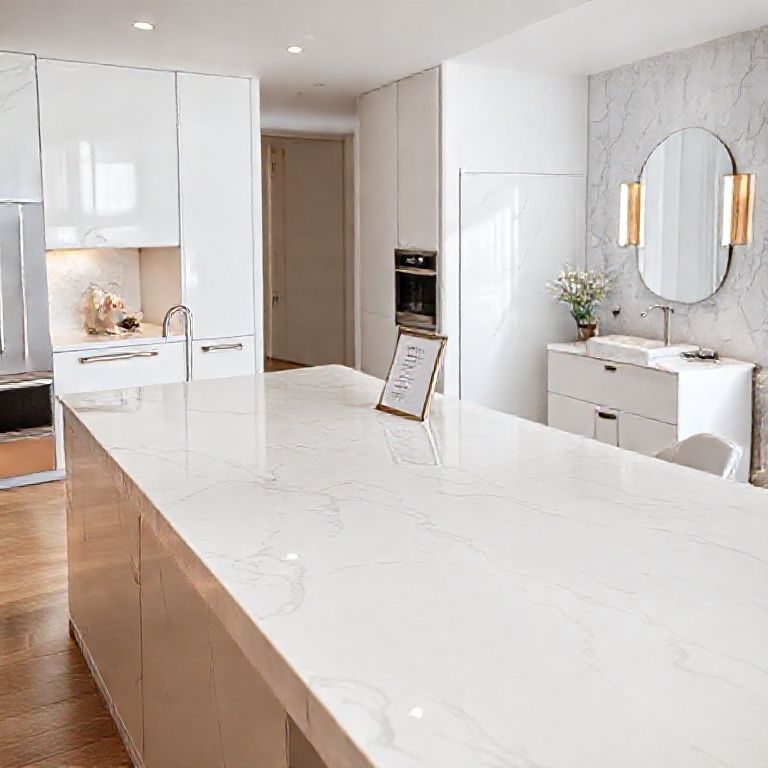
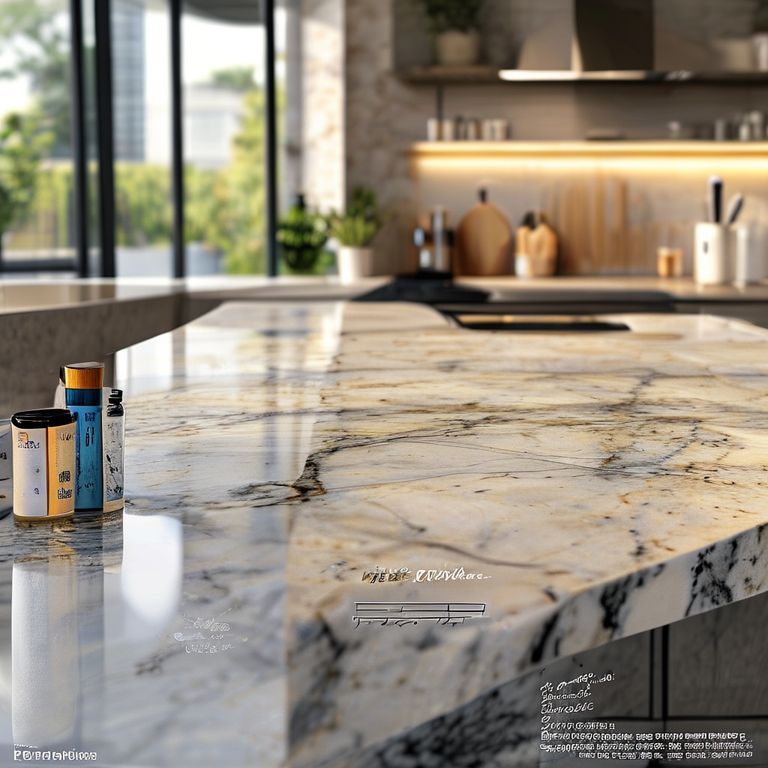
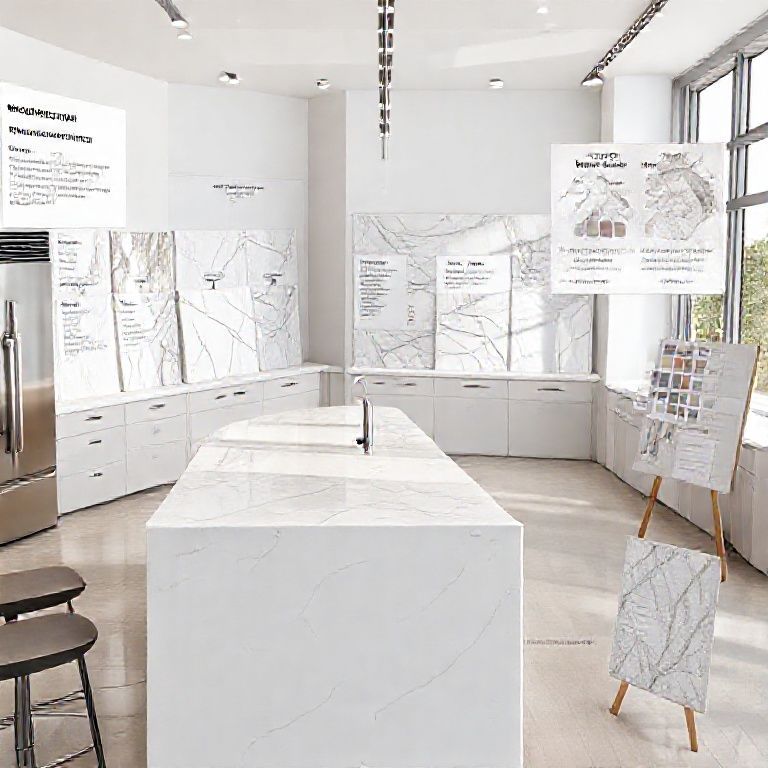
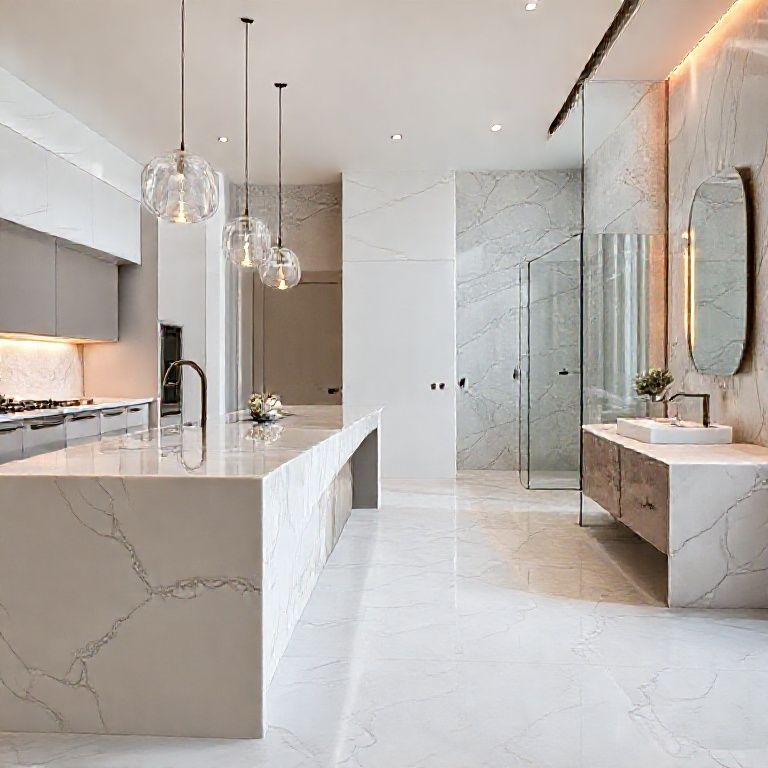
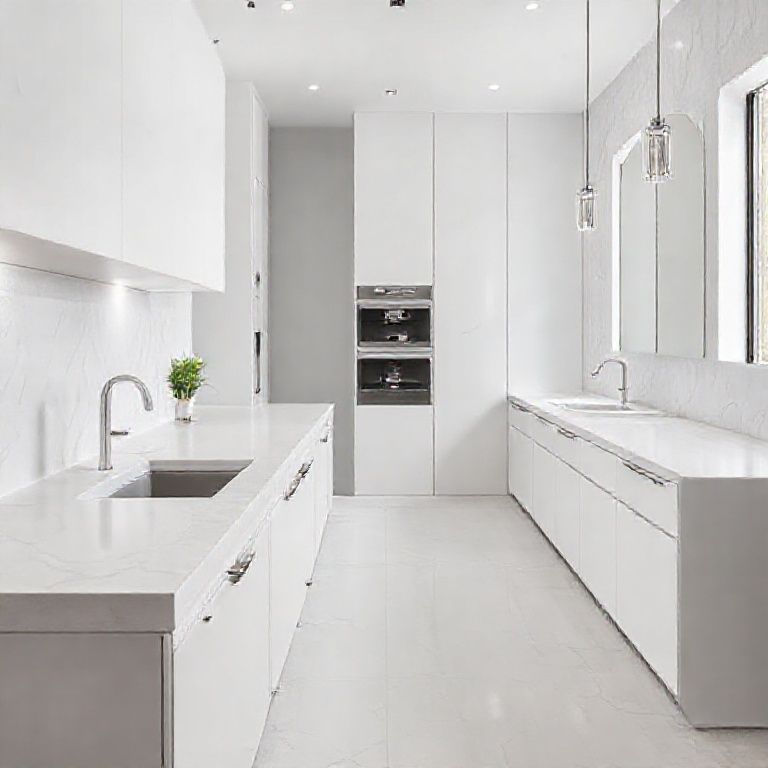
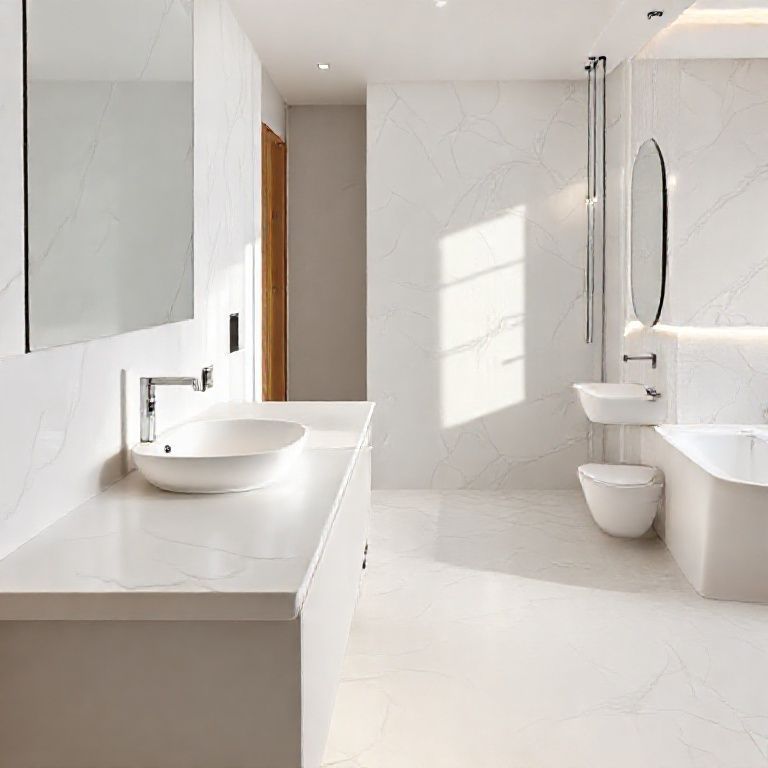
Delve into the fascinating world of marble with our comprehensive guide on the pricing of artificial marble versus natural marble. Whether you’re a homeowner, designer, or simply curious about the cost differences, we’ve got you covered. Our detailed analysis will help you make informed decisions on your next marble purchase.
artificial marble, natural marble, marble prices, cost comparison, marble materials, marble benefits, marble durability, marble aesthetics, marble installation, luxury flooring, kitchen countertops, bathroom tiles, marble alternatives
Understanding the Basics of Marble and Its Varieties
When it comes to selecting materials for your home, few choices offer the elegance and timeless beauty of marble. Known for its exquisite veins and colors, marble has been a favorite for centuries in high-end architecture and interior design. But not all marble is created equal. There’s a significant difference between artificial marble and natural marble. To understand which is more expensive and why, we first need to break down what these terms mean.
What is Natural Marble?
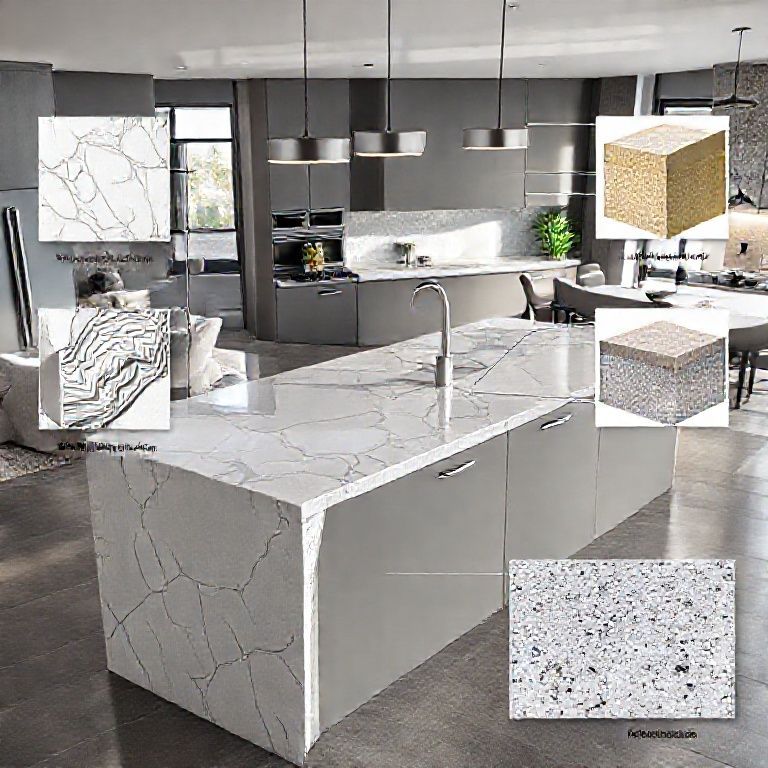
Natural marble is a metamorphic rock formed when limestone is subjected to high pressure and temperature over millions of years. This process creates unique patterns and colors in the stone, resulting in the stunning visual appeal that has made marble a choice for everything from kitchen countertops to floor tiles. Natural marble is available in a multitude of colors and patterns, each piece being a one-of-a-kind specimen.
Benefits of Natural Marble
Uniqueness: Every piece of natural marble is unique due to its natural formation process. This uniqueness adds a special touch to any interior space. Durability: Natural marble is known for its hardness and durability, making it a long-lasting choice. Aesthetic Appeal: The natural patterns and colors of marble are unmatched in their beauty.
Drawbacks of Natural Marble
Cost: Due to its natural occurrence, natural marble can be quite expensive, especially high-end varieties like Italian or Turkish marble. Maintenance: Natural marble requires regular sealing to protect its surface from stains and scratches.
What is Artificial Marble?
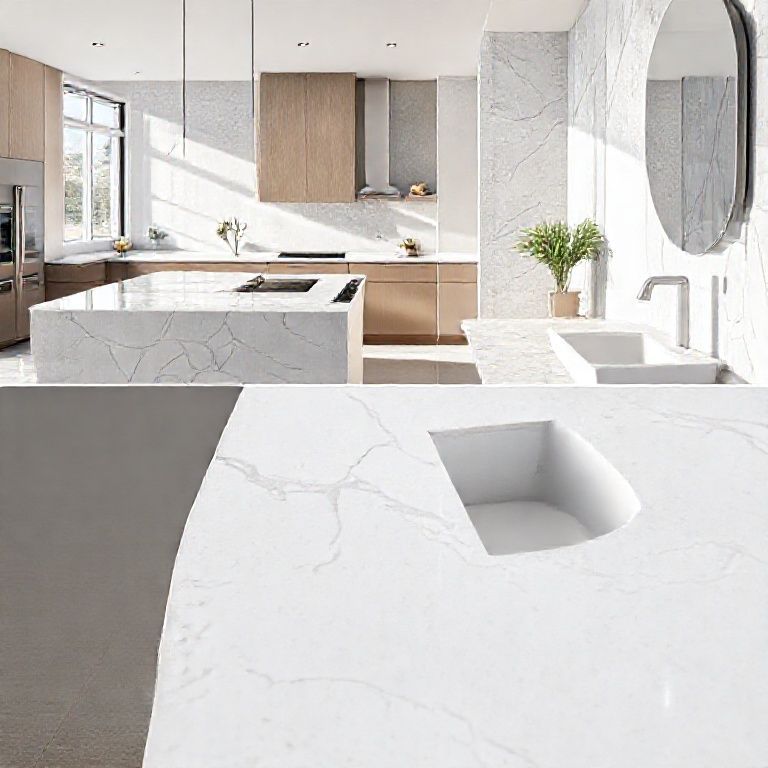
Artificial marble, also known as engineered marble or synthetic marble, is a composite material made from a mixture of melamine resin, minerals, and dyes. This process allows manufacturers to create a product that closely mimics the look of natural marble while offering enhanced durability and ease of maintenance. Artificial marble is available in a wide range of colors and patterns, giving designers and homeowners plenty of options.
Benefits of Artificial Marble
Cost-Effectiveness: Artificial marble is generally more affordable than natural marble due to its manufacturing process. Durability: While not as hard as natural marble, artificial marble is designed to withstand scratches and stains better than most other countertop materials. Ease of Maintenance: Artificial marble is much easier to clean and maintain compared to natural marble.
Drawbacks of Artificial Marble
Lack of Uniqueness: Since artificial marble is manufactured, each piece is identical, lacking the unique characteristics of natural marble. Heat Sensitivity: Artificial marble can be more susceptible to heat damage compared to natural marble.
Pricing Comparison: Natural Marble vs. Artificial Marble
When it comes to pricing, natural marble typically costs significantly more than artificial marble. The cost of natural marble varies widely depending on the type, quality, and source. High-end varieties like Italian or Turkish marble can cost several thousand dollars per square foot. Even mid-range natural marble can be quite expensive, often ranging from $50 to $200 per square foot.
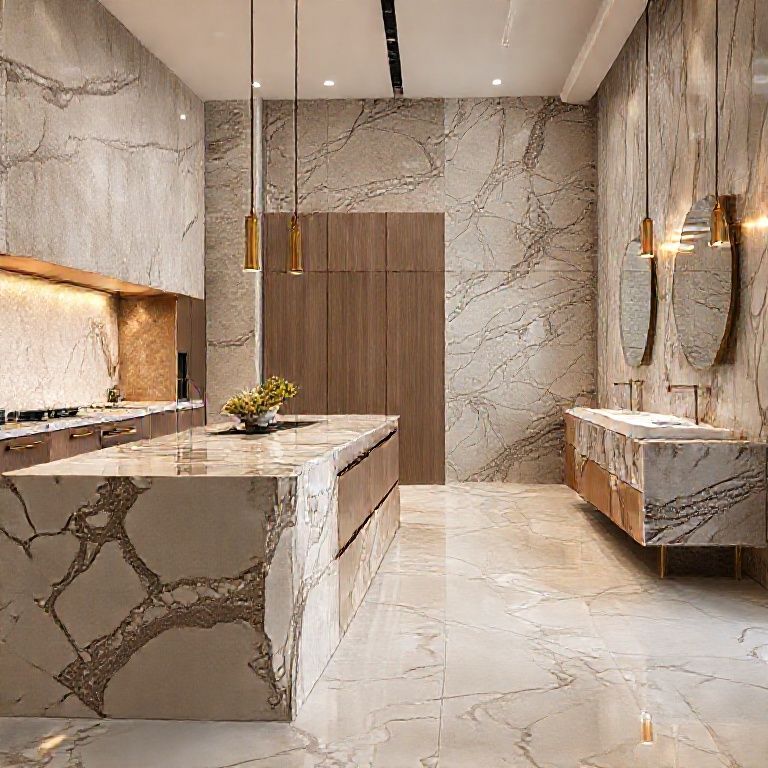
On the other hand, artificial marble is much more affordable. Prices generally range from $20 to $80 per square foot. This significant price difference is largely due to the natural occurrence of marble versus the manufactured process of artificial marble.
Factors Influencing Marble Prices
Several factors can influence the price of both natural and artificial marble:
Quality: Higher quality marble, whether natural or artificial, will always cost more. Color and Pattern: Unique or rare colors and patterns can drive up the cost, especially for natural marble. Labor Costs: The skill and expertise required to install marble can also affect the overall price.
Making an Informed Decision: Long-Term Value and Aesthetic Considerations
While the upfront cost is an important consideration, it’s also crucial to think about the long-term value and aesthetic appeal when deciding between artificial and natural marble. Both materials have their own unique advantages and drawbacks that should be weighed carefully.
Long-Term Value
When evaluating the long-term value of natural versus artificial marble, several factors come into play:
Durability: Natural marble is known for its durability, which can translate to a longer lifespan. While artificial marble is also durable, it might not last as long as the best-quality natural marble. Aesthetic Appeal: The natural beauty of marble can offer a timeless elegance that artificial marble can only mimic. However, the unique look of natural marble might not be suitable for every design preference. Maintenance: Natural marble requires more maintenance, such as regular sealing, to maintain its beauty and prevent stains. Artificial marble, on the other hand, is much easier to clean and maintain.
Aesthetic Considerations
Both natural and artificial marble offer unique aesthetic advantages that can complement different design styles.
Natural Marble
Unique Patterns: The natural patterns and colors of marble are unmatched, offering a one-of-a-kind look that artificial marble can’t replicate. Luxury and Elegance: High-end natural marble like Italian or Turkish marble exudes luxury and elegance, making it ideal for high-end homes and commercial spaces. Timeless Appeal: The timeless appeal of natural marble can add a sense of history and sophistication to any space.
Artificial Marble
Customizability: Artificial marble can be designed to mimic the look of natural marble very closely, if not exactly. It also offers a wide range of colors and patterns that can be tailored to specific design needs. Consistency: Since artificial marble is manufactured, it offers a consistent look and feel across all pieces, which can be particularly beneficial for large installations. Modern Aesthetics: For modern design aesthetics, artificial marble’s sleek and uniform appearance can be very appealing.
Choosing the Right Marble for Your Space
Choosing between natural and artificial marble ultimately depends on your specific needs, preferences, and budget.
Budget: If cost is a major concern, artificial marble is likely the more affordable option. Design Needs: Consider the design aesthetic you’re aiming for. Natural marble offers a unique and luxurious look, while artificial marble provides a customizable and modern option. Maintenance: Think about how much time and effort you’re willing to invest in maintenance. Natural marble requires more upkeep, while artificial marble is easier to clean and maintain.
Conclusion: Balancing Cost and Quality
In conclusion, both natural and artificial marble have their own unique benefits and drawbacks. Natural marble offers unmatched beauty and timeless elegance but comes at a higher price and requires more maintenance. Artificial marble, on the other hand, provides a cost-effective, durable, and low-maintenance alternative that closely mimics the look of natural marble.
When deciding between the two, it’s essential to consider your budget, design preferences, and maintenance requirements. By weighing these factors, you can make an informed decision that will enhance the beauty and value of your space for years to come.
By understanding the differences between natural and artificial marble, you can make a well-informed choice that aligns with your aesthetic goals and financial considerations. Whether you opt for the timeless beauty of natural marble or the versatile, affordable option of artificial marble, both materials offer a unique and elegant way to elevate your home or commercial space.