Understanding the Causes and Effective Solutions for Cracks in Artificial Stone Countertops
Artificial stone countertops are a popular choice for both residential and commercial spaces due to their durability, low maintenance, and aesthetic appeal. However, despite their robust nature, these countertops can develop cracks over time due to various factors. Understanding the causes of these cracks and the most effective solutions is crucial for ensuring the longevity and appearance of your stone surface.
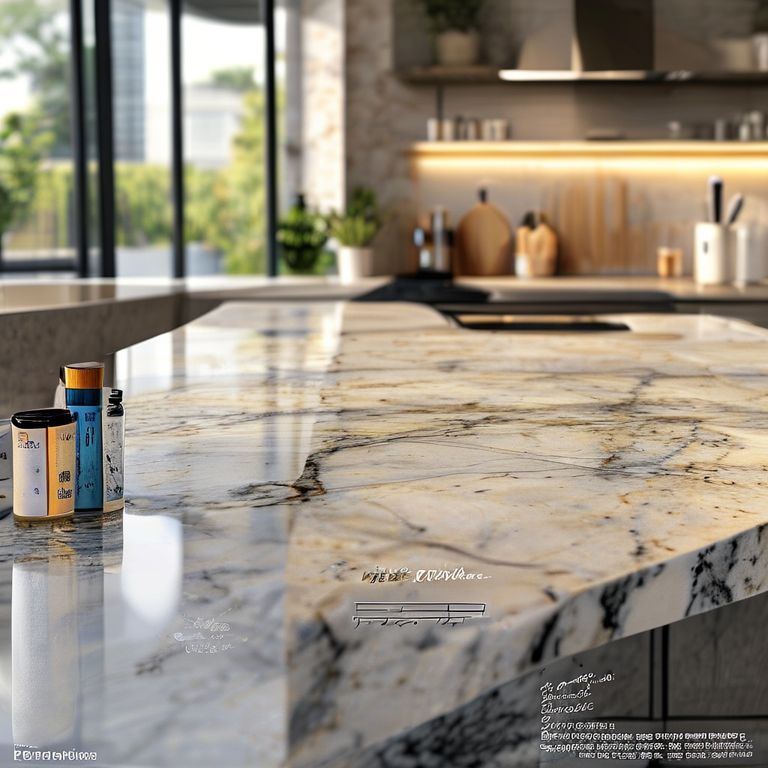
Causes of Cracks in Artificial Stone Countertops
1. Physical Impact: The most common cause of cracks in artificial stone countertops is physical impact. Everyday use in kitchens and other high-traffic areas can lead to chips and cracks from knives, pots, and other heavy objects. Even accidental drops or impacts from heavy items can cause significant damage.
2. Thermal Stress: Another frequent cause of cracks is thermal stress. Artificial stone can be sensitive to rapid temperature changes. For example, placing a hot pan directly on a cool surface or using the countertop to reheat food can create thermal shock, leading to cracks.
3. Manufacturing Flaws: Sometimes, the cracks can be due to imperfections in the manufacturing process. Though rare, some artificial stone countertops may have inherent weaknesses that become apparent over time.
4. Inappropriate Cleaning: Using harsh chemicals or abrasive cleaning tools can weaken the surface of the artificial stone, making it more susceptible to cracking. It’s important to use gentle cleaning methods to maintain the integrity of the material.
Effective Solutions for Repairing Cracks
1. DIY Repair Kits: For minor cracks, a DIY repair kit is often sufficient. These kits typically include a resin that can fill in the crack and restore the surface. The resin is applied using a syringe or brush, and the area is then polished to blend the repaired section with the rest of the countertop. Kits are usually affordable and easy to use, making them a good option for minor repairs.
2. Professional Repair Services: For larger or more complex cracks, professional repair services are recommended. Experienced technicians use advanced techniques and materials to repair cracks effectively. They can also resurface the countertop to ensure a seamless and aesthetically pleasing finish. Professional services may involve higher costs, but they offer a more reliable and long-lasting solution.
Factors Influencing Repair Costs
1. Extent of Damage: The size and location of the crack play a significant role in determining repair costs. Small, superficial cracks are less expensive to fix than extensive or deep cracks that may require more extensive restoration work.
2. Type of Artificial Stone: Different types of artificial stone have varying levels of durability and repairability. For instance, some composite stone materials might be easier and less costly to repair compared to high-end materials like Corian or Silestone.
3. Location and Accessibility: Cracks in hard-to-reach areas may require additional effort and cost more to repair. Technicians might need to remove parts of the countertop to access and fix the crack properly.
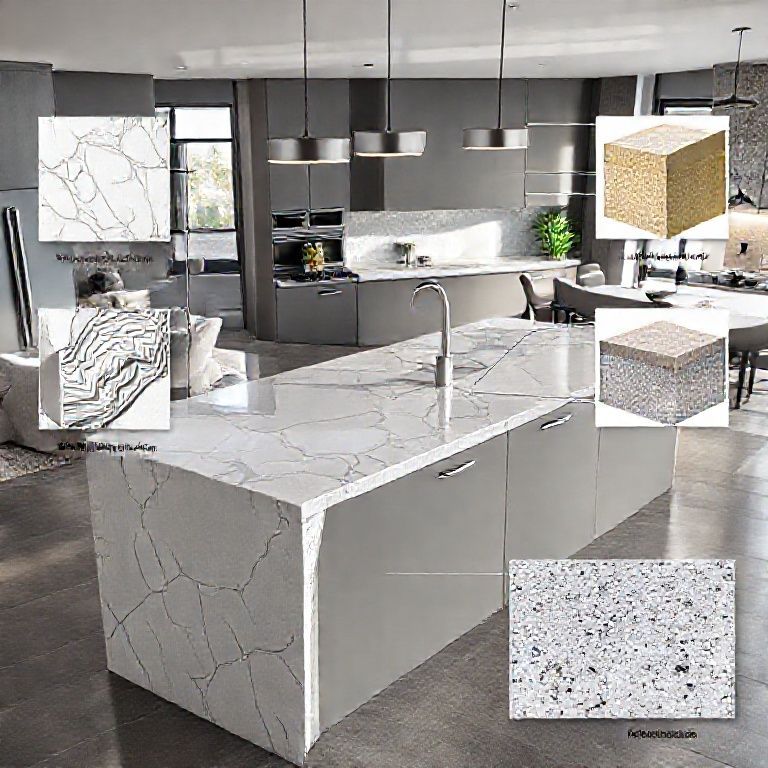
4. Labor Costs: The expertise and experience of the technician will influence labor costs. Highly skilled professionals may charge more, but their work is likely to be more precise and long-lasting.
Choosing the Right Repair Method
1. Temporary vs. Permanent Solutions: It’s essential to decide whether a temporary fix is sufficient or if a more permanent solution is needed. Temporary fixes like DIY kits are ideal for minor, infrequent repairs, while professional services often provide a more durable and permanent repair.
2. Aesthetics: Consider how the repair will look once completed. Professional services often provide a polished, seamless finish that blends well with the rest of the countertop, maintaining its aesthetic appeal.
3. Long-term Durability: While DIY kits may seem more affordable initially, professional repairs often provide a more durable solution, potentially saving you money and hassle in the long run by preventing further damage.
Conclusion
Repairing cracks in artificial stone countertops is a task that requires careful consideration of the causes, appropriate solutions, and cost factors. Whether you opt for a DIY approach or professional services, understanding the nature of the crack and the best method for repair will ensure that your countertop remains functional and aesthetically pleasing for years to come.
Detailed Insights into the Cost of Repairing Artificial Stone Countertops
Artificial stone countertops are a popular choice for their durability, low maintenance, and aesthetic versatility. However, despite their robustness, they are not immune to damage, particularly in high-traffic areas. Cracks in artificial stone countertops can occur due to physical impacts, thermal stress, manufacturing flaws, or inappropriate cleaning. This article delves into the detailed costs and considerations for repairing these cracks, offering a comprehensive guide for homeowners and business owners.
Detailed Breakdown of Repair Costs
1. DIY Repair Kits: DIY repair kits are a cost-effective solution for minor cracks and chips. These kits usually contain a resin that fills the crack and a polishing compound to blend the repaired area with the rest of the countertop.
Cost Range:
Small Cracks: $10 – $30 Medium Cracks: $30 – $50 Large Cracks: $50 – $75
DIY kits are generally affordable and allow for immediate repair without the need for professional help.
2. Professional Repair Services: Professional repair services provide a more comprehensive and durable solution, especially for larger or more complex cracks. These services involve the use of advanced techniques and materials to ensure the repair is both functional and aesthetically pleasing.
Cost Range:
Small to Medium Cracks: $50 – $150 Large Cracks and Surface Repairs: $150 – $300 Full Countertop Resurfacing: $300 – $1,000+
Professional services often provide a polished, seamless finish that blends well with the rest of the countertop, maintaining its aesthetic appeal.
Factors Influencing the Cost of Professional Repairs
1. Extent and Nature of Damage: The extent and nature of the crack significantly influence the cost. Larger cracks, those that go deep into the stone, or multiple cracks may require more extensive repair work.
2. Type of Artificial Stone: Different types of artificial stone have varying levels of durability and repairability. High-end materials like Corian or Silestone may require more sophisticated repair techniques and materials, thus increasing the cost.
3. Location and Accessibility: Cracks in hard-to-reach areas may require additional effort and cost more to repair. Technicians might need to remove parts of the countertop to access and fix the crack properly.
4. Labor Costs: The expertise and experience of the technician will influence labor costs. Highly skilled professionals may charge more, but their work is likely to be more precise and long-lasting.
5. Additional Repairs or Maintenance: Sometimes, cracks are part of a larger issue that requires additional repairs or maintenance. For example, if the crack is due to improper installation, the technician may need to fix the installation issues, which will add to the overall cost.
Comparing Costs and Choosing the Right Option
1. Initial vs. Long-term Costs: While DIY kits may seem more affordable initially, professional repairs often provide a more durable solution, potentially saving you money and hassle in the long run by preventing further damage. It’s important to weigh the initial cost against the longevity and durability of the repair.
2. DIY Considerations: DIY kits are ideal for minor, infrequent repairs and allow for immediate action without waiting for an appointment. However, they may not be as effective for larger or more complex cracks.
3. Professional Services: Professional repair services offer a more comprehensive solution, ensuring a polished, seamless finish that blends well with the rest of the countertop. While they may be more expensive upfront, they often provide a more reliable and long-lasting repair.
Tips for Minimizing the Risk of Cracks
1. Proper Installation: Ensure that the countertop is installed correctly to minimize the risk of cracks. Proper installation techniques can prevent issues like improper alignment or pressure points that might cause cracks.
2. Gentle Cleaning: Use gentle cleaning methods to avoid weakening the surface of the artificial stone. Avoid using harsh chemicals or abrasive cleaning tools.
3. Heat Management: To prevent thermal stress, avoid placing hot items directly on the countertop. Use heat-resistant pads or mats to protect the surface from rapid temperature changes.
4. Avoid Heavy Impacts: Use cutting boards and place mats to protect the countertop from heavy impacts. Avoid dropping heavy objects on the surface.
Conclusion
Repairing cracks in artificial stone countertops involves understanding the causes, choosing the right repair method, and considering the associated costs. Whether opting for a DIY repair kit or professional services, it’s essential to weigh the initial cost against the longevity and durability of the repair. By taking proactive steps to minimize the risk of cracks and choosing the appropriate repair method, you can ensure that your您的家具修复项目可以涉及多个步骑,从评估损坏程度,选择修复方法,到实际修复工作和最后的保养。
1. 评估损坏程度
a. 木材裂缝
表面裂缝:这些裂缝通常相对容易修复,只需填补裂缝并打磨。 深层裂缝:如果裂缝深入木材内部,可能需要添加木材填充物并重新拼接。
b. 磨损和划痕
表面划痕:可以使用木蜡油、木蜡或打磨剂进行修复。 深层划痕:可能需要填充和打磨来恢复表面光滑度。
c. 弯曲和变形
如果家具因为潮湿或其他原因发生变形,可能需要专业的压力处理和重新调整。
2. 选择修复方法
a. 填充和打磨
木材填充物:使用木蜡填充物或树脂填充物来填补裂缝和空洞。 打磨:使用砂纸或电动打磨器来恢复表面光滑度。
b. 重新拼接
木工胶:使用高质量木工胶将拆开的接头重新粘合。 钉子和螺丝:在需要时使用钉子或螺丝来固定松动的部件。
c. 重新漆和上色
底漆:先涂上底漆以确保后续漆层附着。 面漆:选择与原色匹配的面漆进行上色。
3. 实际修复工作
a. 准备工作
清洁:用温水和中性洗涤剂清洁家具表面,确保无灰尘和污垢。 保护:使用防护垫保护地面,防止漆料溢出。
b. 填充和修补
填充裂缝:使用木蜡填充物或树脂填充物填补裂缝,等待干燥。 打磨:使用细砂纸或电动打磨器打磨填充区域,使其与表面平滑。
c. 重新拼接和固定
使用木工胶:在接头处涂抹木工胶,将拆开的部分重新拼接。 固定:使用夹具或桥夹在胶水干燥前固定部件。
d. 上色和涂漆
底漆:均匀涂抹底漆,等待干燥。 面漆:涂抹面漆,等待干燥,根据需要进行多层涂漆。
4. 保养和维护
修复完成后,为了保持家具的美观和耐久,需要定期进行保养:
a. 定期清洁
中性清洁剂:使用温和的中性清洁剂定期清洁家具表面。
b. 使用保护剂
木蜡油:每隔几个月涂抹木蜡油,保护木材表面,防止干裂和划伤。
c. 避免过度暴露
阳光:尽量避免长时间暴露在阳光下,以防止木材褪色和变形。
5. 安全注意事项
在整个修复过程中,请注意以下安全事项:
个人防护装备:使用手套、护目镜和口罩以保护皮肤、眼睛和呼吸道。 通风:确保工作区域通风良好,尤其是在使用漆料和化学清洁剂时。 工具安全:正确使用电动工具,并遵守操作手册上的安全指导。
通过以上步骤,您可以有效修复并保养家具,使其恢复如新。希望这些建议能帮助您顺利完成修复工作!