Discover the best materials for kitchen countertops with high value and affordability. Explore the advantages, disadvantages, and cost-effectiveness of popular choices in this comprehensive guide. Learn how to make an informed decision to elevate your kitchen’s aesthetics and functionality.
The Ultimate Guide to High-Value Materials for Kitchen Countertops
When it comes to kitchen design and remodeling, one of the most crucial decisions you’ll make is choosing the right material for your countertop. The kitchen counter not only serves as the main workspace but also as a centerpiece in your home. Therefore, selecting a material that is both durable and cost-effective is paramount. This guide will delve into the most popular materials for kitchen countertops, highlighting their advantages, disadvantages, and value for money.
1. Quartz Countertops
Advantages:
Durability: Quartz is 96% quartz by nature, making it incredibly resistant to scratches, stains, and heat. Maintenance: It requires minimal maintenance. Simply wipe with a damp cloth to keep it looking pristine. Affordability: Despite its high-end qualities, quartz countertops are surprisingly affordable, offering excellent value for money.
Disadvantages:
Installation: Installation can be tricky and often requires professional expertise. Weight: Quartz countertops are heavier than other materials, which may affect the structural integrity of your kitchen if not installed properly.
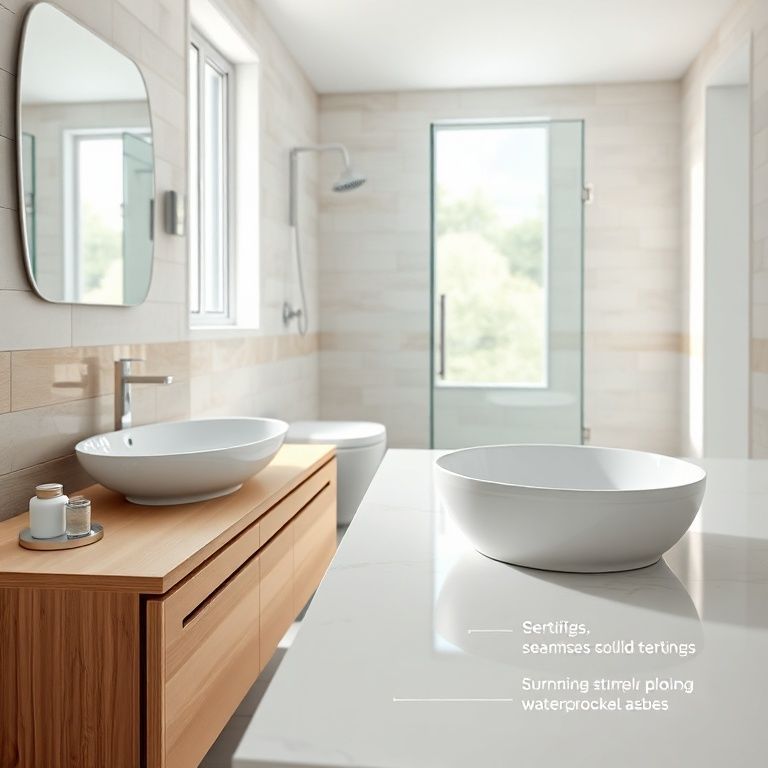
Cost-Effectiveness: Quartz is often considered a mid-range material. While it might not be the cheapest option, it offers excellent durability and low maintenance, justifying its price.
2. Granite Countertops
Advantages:
Aesthetic Appeal: Granite countertops come in a wide range of colors and patterns, providing a natural, luxurious look. Durability: Highly resistant to scratches, stains, and heat, granite is one of the most durable options available. Longevity: Granite has a long lifespan, which makes it a cost-effective choice over time.
Disadvantages:
Maintenance: Requires regular sealing to prevent stains and maintain its natural beauty. Cost: Granite tends to be more expensive compared to other materials.
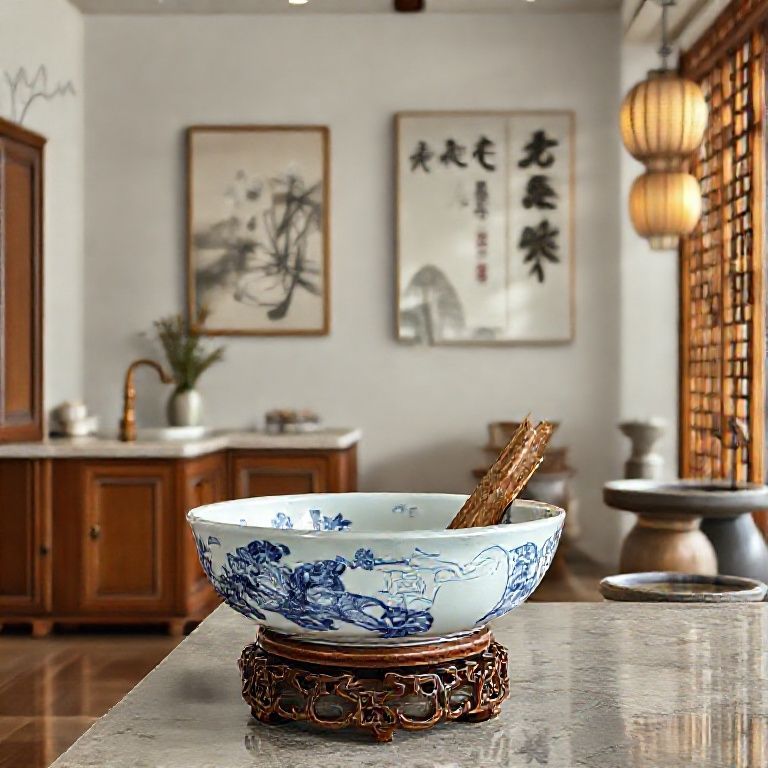
Cost-Effectiveness: Although granite countertops are on the higher end of the price scale, their durability and longevity make them a worthwhile investment for those looking for a long-lasting and aesthetically pleasing option.
3. Slate Countertops
Advantages:
Unique Appearance: Slate offers a unique, natural look with its varied colors and textures. Durability: Highly resistant to scratches, stains, and heat. Affordability: Generally more affordable than granite but offers similar durability.
Disadvantages:
Fragility: Slate can be more brittle than other materials, leading to potential chipping or cracking. Installation: Requires careful installation to avoid any issues.
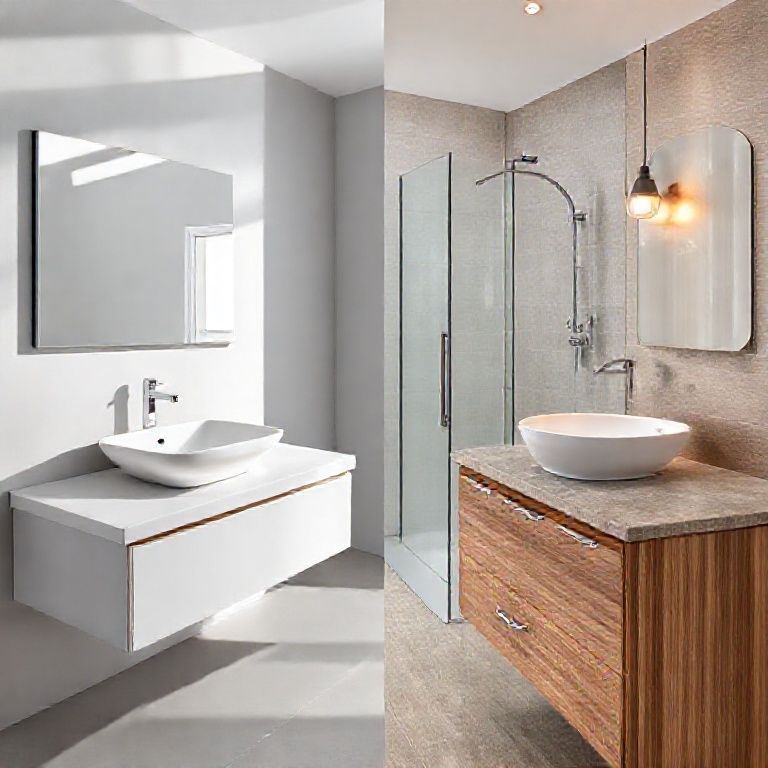
Cost-Effectiveness: Slate countertops strike a good balance between appearance and cost, making them a practical choice for those looking for a durable, natural look without breaking the bank.
4. Laminate Countertops
Advantages:
Variety: Comes in a wide range of colors and patterns to suit any kitchen design. Cost-Effective: One of the most affordable options available. Ease of Installation: Easier to install compared to other materials.
Disadvantages:
Durability: More prone to scratches and stains than other materials. Heat Resistance: Not suitable for areas that will be frequently exposed to high heat.
Cost-Effectiveness: Laminate countertops are an excellent choice for those on a budget. They offer a wide range of design options at a fraction of the cost of other materials, though their durability and heat resistance are not as high.
5. Solid Surface (Corian, Formica)
Advantages:
Versatility: Available in a vast array of colors and patterns. Durability: Highly resistant to scratches, stains, and heat. Maintenance: Requires minimal maintenance, simply wipe clean with a damp cloth.
Disadvantages:
Cost: Generally more expensive than laminate options. Installation: Can be more challenging to install, often requiring professional help.
Cost-Effectiveness: Solid surface countertops offer great durability and versatility, though they come at a higher price point. However, their longevity and low maintenance make them a worthwhile investment for many homeowners.
Conclusion
Choosing the right material for your kitchen countertop is a significant decision that impacts both the aesthetics and functionality of your kitchen. From durable and luxurious granite to affordable and versatile laminate, there are numerous options available. By understanding the advantages, disadvantages, and cost-effectiveness of each material, you can make an informed decision that aligns with your budget and design preferences.
In the next part of this guide, we will explore additional materials like concrete, butcher block, and engineered stone, diving deeper into their benefits and drawbacks to help you make the best choice for your kitchen renovation.
The Ultimate Guide to High-Value Materials for Kitchen Countertops (Continued)
In the second part of this comprehensive guide, we’ll delve deeper into some more unique and specialized materials for kitchen countertops. These options, while not as mainstream as quartz or granite, offer distinct advantages that make them worth considering for your kitchen design project.
6. Concrete Countertops
Advantages:
Customizability: Concrete can be molded into almost any shape or design, allowing for truly unique countertops. Durability: Extremely durable and resistant to scratches, stains, and heat. Cost-Effective: Depending on the complexity and customization, concrete can be surprisingly affordable.
Disadvantages:
Weight: Concrete is heavy, which can be an issue if your kitchen structure is not designed to support it. Maintenance: Requires sealing to prevent stains and moisture damage, but it is generally low maintenance once sealed.
Cost-Effectiveness: Concrete countertops provide an excellent balance between cost, durability, and customization. While the initial cost can vary based on design complexity, their long-term durability and low maintenance make them a practical choice.
7. Butcher Block Countertops
Advantages:
Natural Look: Butcher block countertops offer a rustic, natural look that adds character to any kitchen. Durability: Made from hardwood, butcher blocks are highly durable and can last for many years with proper care. Versatility: Can be made from a variety of woods, providing different aesthetic options.
Disadvantages:
Maintenance: Requires regular maintenance, including sealing, oiling, and cleaning to prevent moisture damage. Heat Sensitivity: Not suitable for areas that will be exposed to high heat, as it can warp or crack.
Cost-Effectiveness: Butcher block countertops offer a unique, natural look at a relatively affordable price, though their maintenance requirements mean they may not be the best choice for every kitchen. Their longevity and rustic appeal justify the investment for those who appreciate a natural, timeless look.
8. Engineered Stone Countertops
Advantages:
Durability: Highly resistant to scratches, stains, and heat. Aesthetic Appeal: Available in a variety of colors and finishes to mimic natural stone. Cost-Effective: Generally more affordable than solid stone options like granite.
Disadvantages:
Weight: Engineered stone is heavy and may require professional installation. Sealing: Requires regular sealing to maintain its appearance and prevent staining.
Cost-Effectiveness: Engineered stone countertops offer a great balance of durability, aesthetics, and affordability. They are a great alternative to natural stone while providing a more cost-effective option with similar benefits.
9. Basalt Countertops
Advantages:
Durability: Extremely durable and resistant to scratches, stains, and heat. Aesthetic Appeal: Basalt has a unique, natural look that can add a touch of elegance to any kitchen. Affordability: Often more affordable than other natural stone options like granite and marble.
Disadvantages:
Installation: Can be heavy and requires professional installation. Maintenance: Requires sealing to prevent staining but is generally low maintenance.
Cost-Effectiveness: Basalt countertops offer a unique, natural look at a lower price point compared to other natural stones. Their durability and aesthetic appeal make them a cost-effective choice for those looking for a unique yet affordable option.
Conclusion
When selecting the right material for your kitchen countertop, it’s essential to consider not only the immediate cost but also the long-term durability, maintenance requirements, and aesthetic appeal. From the timeless elegance of granite to the unique charm of butcher block, each material offers distinct advantages and drawbacks.
By understanding the pros and cons of various countertop materials, you can make a well-informed decision that enhances both the functionality and beauty of your kitchen. Whether you’re looking for something affordable, durable, or uniquely customizable, there’s a material out there that fits your needs.
10. 石英(Quartz)
优点:
耐用性: 石英是由96%的天然石英制成的,因此它非常耐用,抗刮擦、抗污渍和抗热。 易于清洁: 石英表面光滑,不易积累污垢,只需用湿布轻轻擦拭即可保持清洁。 多样性: 石英提供各种颜色和纹理,以满足不同的设计需求。
缺点:
价格: 虽然石英的价格相对较低,但高端款式仍然会增加成本。 安装: 石英需要专业人员安装,否则可能会出现安装问题。
11. 复合石材(Composite Stone)
优点:
耐用: 复合石材通常具有优异的耐用性,抗刮擦和抗污渍。 成本: 相对于天然石材,复合石材的价格更为亲民。 设计: 提供多种颜色和纹理,满足多样化设计需求。
缺点:
质量: 复合石材的质量可能不如天然石材,耐热性和耐刮擦性也有所不同。 安装: 安装可能需要专业人员,以确保质量和安全。
12. 不锈钢
优点:
耐用: 不锈钢非常耐用,抗刮擦和耐腐蚀。 清洁: 易于清洁和维护,只需简单的擦拭即可保持光亮。 现代感: 提供现代和工业风格的美观外观。
缺点:
热传导: 不锈钢容易传导热量,可能会烫到手。 价格: 高端不锈钢台面可能价格较高。
13. 竹材
优点:
环保: 竹材是一种可再生资源,环保且美观。 独特: 竹材具有独特的纹理和自然美感。 抗菌: 竹材具有天然的抗菌性能。
缺点:
耐用性: 竹材相对较软,不如石材耐用。 维护: 需要定期维护,以防止磨损和开裂。
14. 瓷砖
优点:
耐用: 瓷砖非常耐用,抗刮擦和抗污渍。 清洁: 易于清洁和维护,只需简单的擦拭即可。 多样性: 提供各种颜色和图案,满足多样化设计需求。
缺点:
热传导: 瓷砖容易传导热量,可能会烫到手。 粗糙: 瓷砖表面可能较为粗糙,不适合做切割台面。
15. 玻璃
优点:
现代感: 玻璃台面具有现代和时尚的外观。 清洁: 易于清洁和维护,只需简单的擦拭即可。 透明: 透明玻璃台面可以提供一种开放和宽敞的感觉。
缺点:
脆弱: 玻璃非常脆弱,容易破碎和刮伤。 热传导: 玻璃容易传导热量,可能会烫到手。
最后的建议
预算: 确定你的预算范围,这将帮助你缩小选择范围。 使用频率: 考虑厨房台面的使用频率和习惯,选择耐用性和易清洁性更高的材料。 家庭成员: 考虑家庭成员的需求和习惯,比如孩子或宠物可能需要选择更耐用的材料。 风格: 确保选择的材料与整体家居风格相协调。
维护: 不同材料的维护需求不同,选择你能够长期承受的维护方式的材料。
希望这些额外的信息能帮助你做出最适合你家庭需求和预算的厨房台面材料选择。