Understanding Granite Countertops for Kitchen Cabinets
When it comes to kitchen renovation, one of the most transformative elements you can add is a high-quality granite countertop for your kitchen cabinets. Granite countertops are renowned for their durability, elegance, and timeless appeal, making them a popular choice among homeowners looking to upgrade their kitchen space. But how much does a granite countertop for kitchen cabinets cost? Let’s delve into the specifics to help you make an informed decision.
Factors Influencing the Cost of Granite Countertops
The cost of granite countertops for kitchen cabinets can vary significantly based on several factors:
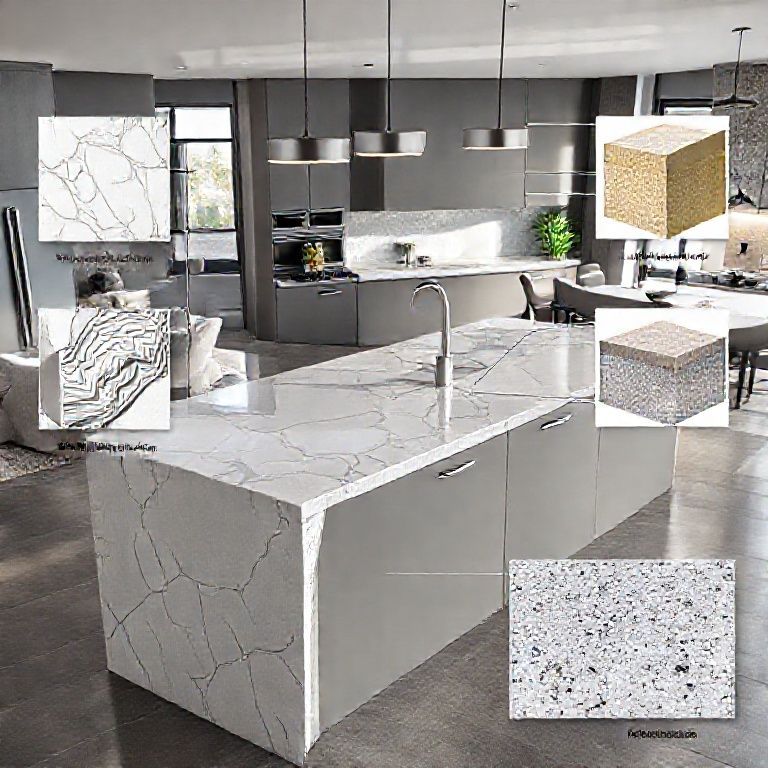
Type of Granite: Different types of granite have varying price points. For instance, popular choices like Black Swan, Emperor Grey, and Red Star tend to be more expensive due to their striking appearance and superior quality. On the other end of the spectrum, less commonly used granites such as Green Forest and White Swan may be more budget-friendly.
Size and Complexity: The size of your kitchen and the complexity of the design can affect the cost. Larger countertops with intricate designs or multiple shapes will generally be more expensive than simpler, straightforward layouts.
Labor Costs: The cost of professional installation can vary depending on the complexity of the job and the geographic location. Urban areas often have higher labor rates compared to rural regions.
Additional Features: Features such as edge profiles, backsplash extensions, and custom cuts can add to the overall cost. These elements enhance the aesthetics and functionality of your kitchen.
Quality of Materials: High-quality granite that is free from significant flaws or inclusions will naturally cost more. Additionally, the thickness of the granite slab can impact the price; thicker slabs are usually more durable and expensive.
Average Cost of Granite Countertops
To give you a general idea, the cost of granite countertops for kitchen cabinets typically ranges from $40 to $120 per square foot. This means a standard kitchen countertop measuring 12 feet by 8 feet would cost between $5,760 and $13,440. It’s important to note that these figures can vary based on the factors mentioned above.
Benefits of Granite Countertops
Choosing granite for your kitchen cabinet countertops offers numerous benefits:
Durability: Granite is one of the hardest natural stones, making it highly resistant to scratches, dents, and stains. This durability ensures that your countertop will maintain its appearance and functionality for many years.
Low Maintenance: Granite countertops are easy to clean and maintain. A simple wipe-down with a mild soap and water solution is usually sufficient to keep them looking pristine.
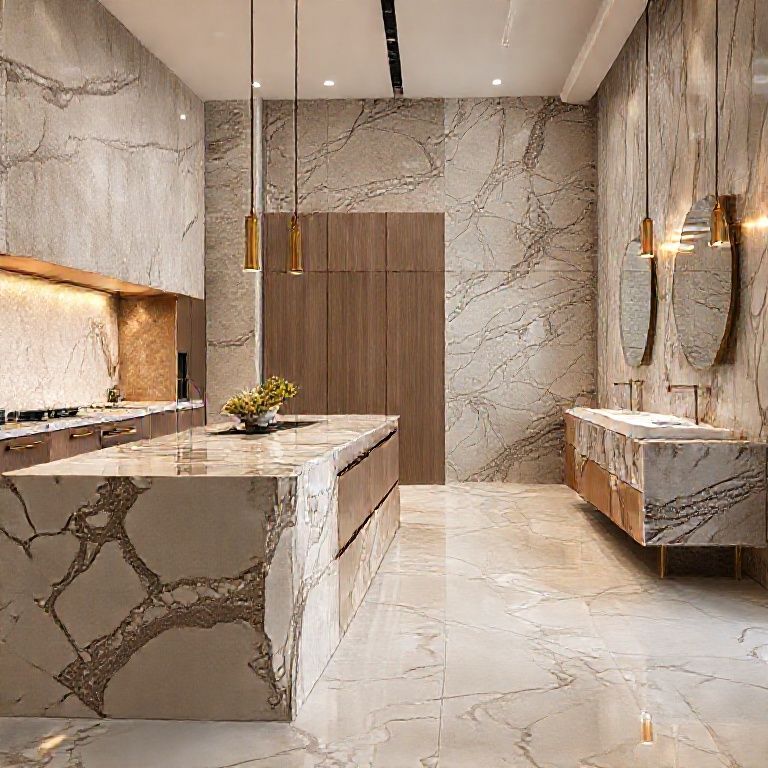
Aesthetic Appeal: Granite comes in a wide array of colors and patterns, allowing you to choose a style that perfectly complements your kitchen decor. Its natural beauty and versatility make it a timeless choice.
Value Addition: Granite countertops are known to increase the resale value of a home. Potential buyers are often attracted to the high-quality, durable, and aesthetically pleasing nature of granite.
Heat Resistance: Granite countertops can withstand high temperatures, making them ideal for kitchens where cooking and heat are frequent occurrences.
Design Options for Granite Countertops
When it comes to designing your granite countertop, the possibilities are virtually limitless. Here are some popular design options:
Classic Colors: Timeless shades like gray, black, and white are always in style. These colors provide a classic and sophisticated look that never goes out of fashion.
Unique Patterns: Granite comes in various patterns, from subtle veining to bold, eye-catching designs. Custom cuts and unique patterns can add a personal touch to your kitchen.
Mix and Match: Combining different types of granite can create a stunning, one-of-a-kind countertop. This option is perfect for those looking to showcase a unique and eclectic style.
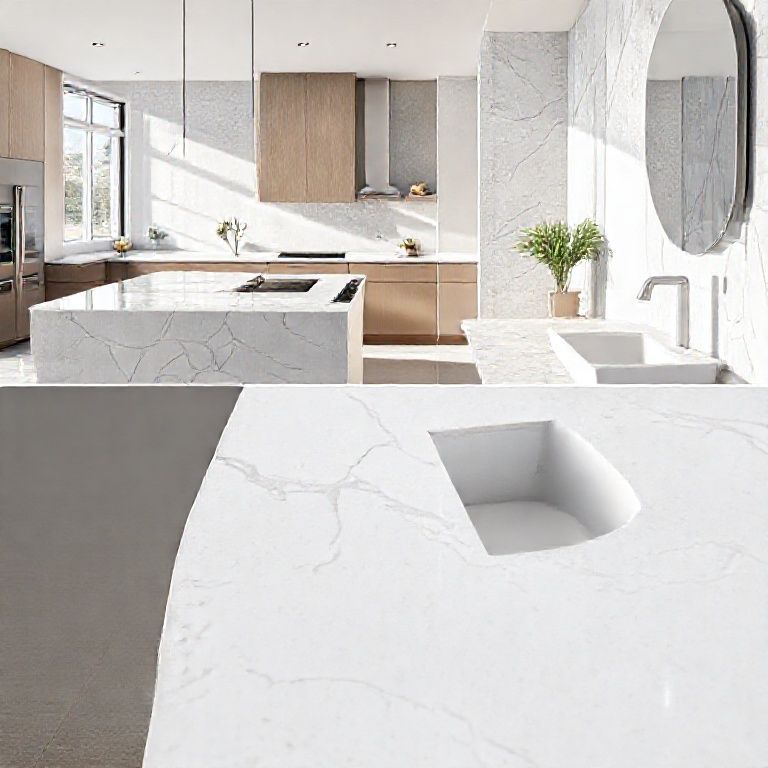
Integrated Features: Consider adding integrated features like sinks, island prep stations, or decorative edge profiles. These elements not only enhance the functionality of your kitchen but also add visual interest.
Conclusion
Granite countertops for kitchen cabinets are an excellent investment for anyone looking to enhance the beauty, durability, and functionality of their kitchen. While the cost can vary based on several factors, the long-lasting benefits and aesthetic appeal make it a worthwhile expense. By understanding the different elements that influence the price and exploring various design options, you can make an informed decision that will transform your kitchen into a showpiece of elegance and durability.
In the next part of our guide, we will delve deeper into the installation process, maintenance tips, and additional considerations for ensuring your granite countertop lasts for decades to come.
Installation, Maintenance, and Long-Term Care for Granite Countertops
Now that you have a good understanding of what influences the cost of granite countertops for kitchen cabinets and the myriad design options available, it’s time to delve into the installation, maintenance, and long-term care of your new granite countertop. This knowledge will ensure that your investment remains a stunning centerpiece in your kitchen for years to come.
Installation of Granite Countertops
Proper installation is crucial to ensure the longevity and appearance of your granite countertop. Here’s what you need to know:
Professional Installation: It’s highly recommended to hire a professional for the installation of your granite countertop. Experienced installers have the expertise to ensure that the countertop is cut, fitted, and secured correctly, minimizing the risk of issues such as cracks or misalignment.
Surface Preparation: Before installation, the surface where the granite countertop will be placed must be thoroughly prepared. This includes cleaning the area, ensuring a smooth and level surface, and providing proper support to prevent any sagging or bowing.
Sealing: While granite is durable, it is not entirely impervious to stains and scratches. It’s essential to seal the countertop after installation to enhance its protection. A professional installer can apply a high-quality sealer to the granite, ensuring it remains beautiful and stain-resistant.
Edge Profiles: Consider adding edge profiles or moldings to your granite countertop. These can provide a finished look and protect the edges from chipping or cracking.
Maintenance Tips for Granite Countertops
To keep your granite countertop looking its best, proper maintenance is key. Here are some essential tips:
Regular Cleaning: Wipe your granite countertop with a soft cloth and mild soap solution to remove everyday spills and stains. Avoid using abrasive cleaners or sponges that can scratch the surface.
Immediate Stain Treatment: For spills that cause stains, treat them immediately. Use a solution of equal parts water and white vinegar to gently wipe away the stain. For tougher stains, consider using a commercial granite cleaner.
Avoiding Sharp Objects: To prevent scratches, avoid placing sharp objects directly on the countertop. Use cutting boards or mats when cutting food and consider using placemats to protect the surface from scratches.
Sealing Periodically: Although granite does not require frequent sealing, it’s a good idea to reseal the countertop every 6 to 12 months, depending on usage and exposure to spills. A professional cleaner or a dedicated granite sealer can be used for this purpose.
Long-Term Care and Considerations
To ensure your granite countertop remains in pristine condition for decades, follow these long-term care and additional considerations:
Heat and Hot Items: Avoid placing hot items directly on the granite surface, as it can cause discoloration. Use trivets or hot pads to protect the countertop from direct heat.
Acidic Substances: Be cautious with acidic foods and beverages, such as citrus juices or vinegar. These can etch the surface over time. Use cutting boards or containers to avoid direct contact with the granite.
Regular Inspections: Periodically inspect your countertop for any signs of wear, scratches, or cracks. Early detection can prevent minor issues from becoming major problems.
Professional Cleaning: Occasionally, hire a professional to clean and inspect your granite countertop. A professional cleaner can remove deep-seated stains and provide a thorough inspection to ensure there are no underlying issues.
Environmental and Sustainability Considerations
When choosing a granite countertop, it’s also important to consider the environmental and sustainability aspects:
Natural Resource Use: Granite is a natural stone, and its extraction and processing have a minimal environmental impact compared to synthetic materials. However, it’s important to choose a reputable supplier that practices sustainable mining and processing techniques.
学习和教育:你是否有关于学习方法、特定科目的问题,或者对教育系统有任何疑问?
科技与创新:你对最新的科技发展感兴趣吗?比如人工智能、区块链、量子计算等?
健康与生活:关于健康、饮食、运动、心理健康等方面的问题呢?
旅行与文化:你对某个国家或城市的文化、历史、美食有兴趣吗?
职业与发展:是否在关注职业发展、求职、职场技能等方面的问题?
娱乐与休闲:有没有关于电影、书籍、音乐、游戏等方面的推荐或问题?