Understanding Artificial Marble and Its Cost Factors
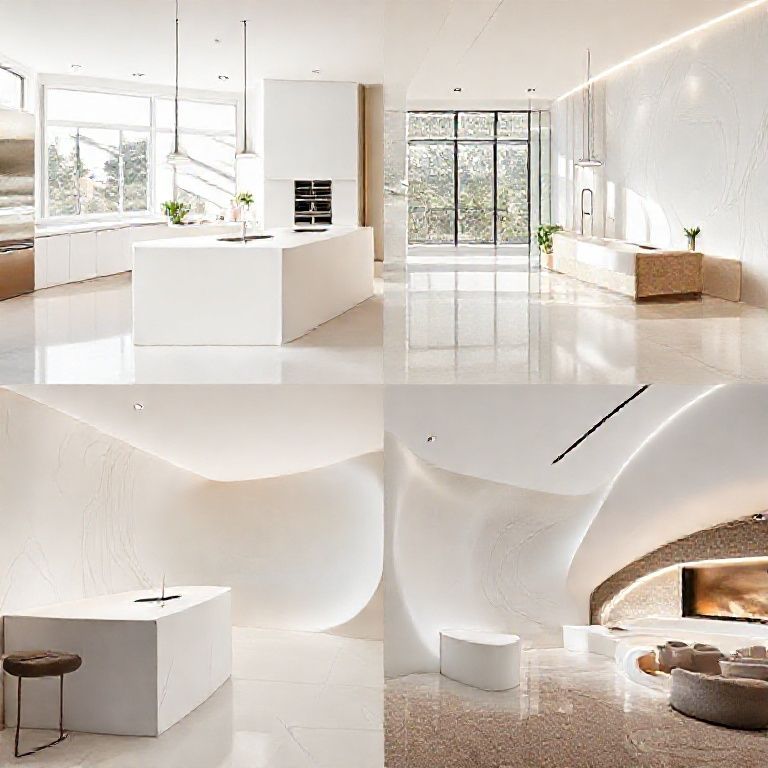
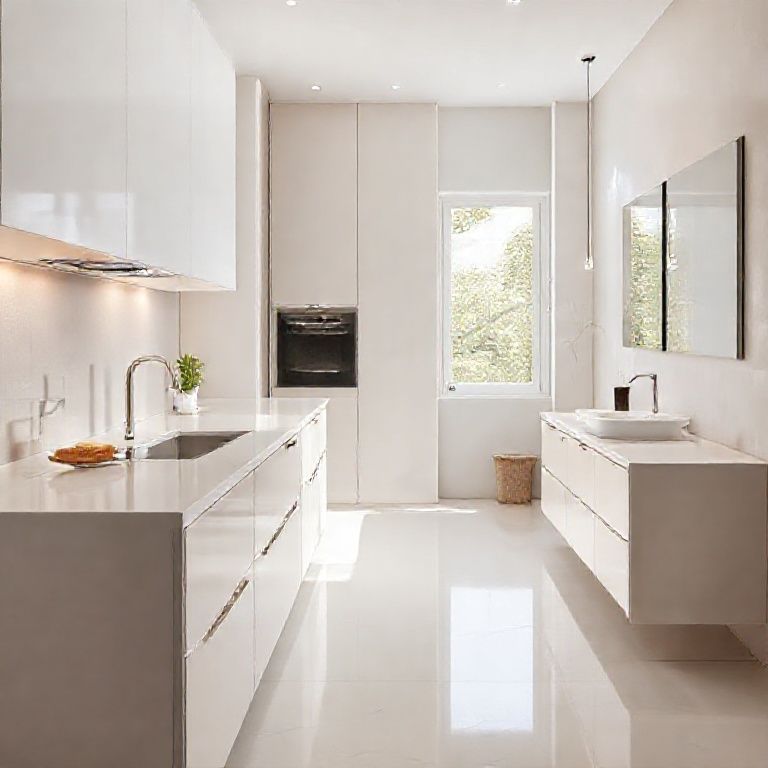
Artificial marble, also known as engineered stone, has revolutionized the world of interior design with its luxurious appearance, durability, and low maintenance. This material has become a popular choice for countertops, sinks, and other interior elements due to its aesthetic appeal and practical benefits. However, understanding the cost of artificial marble per square meter is essential for planning and budgeting your interior design projects effectively.

What is Artificial Marble?
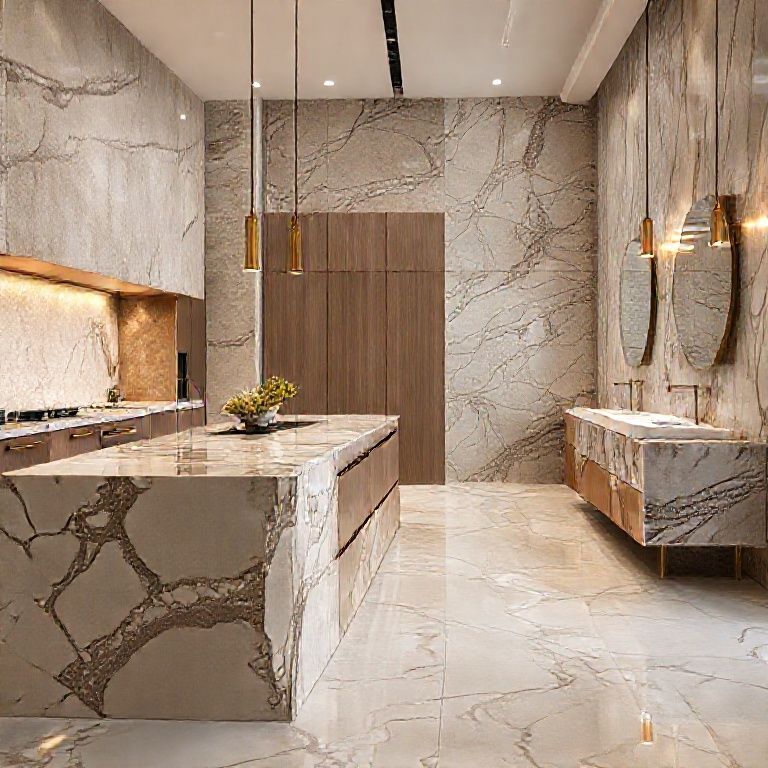
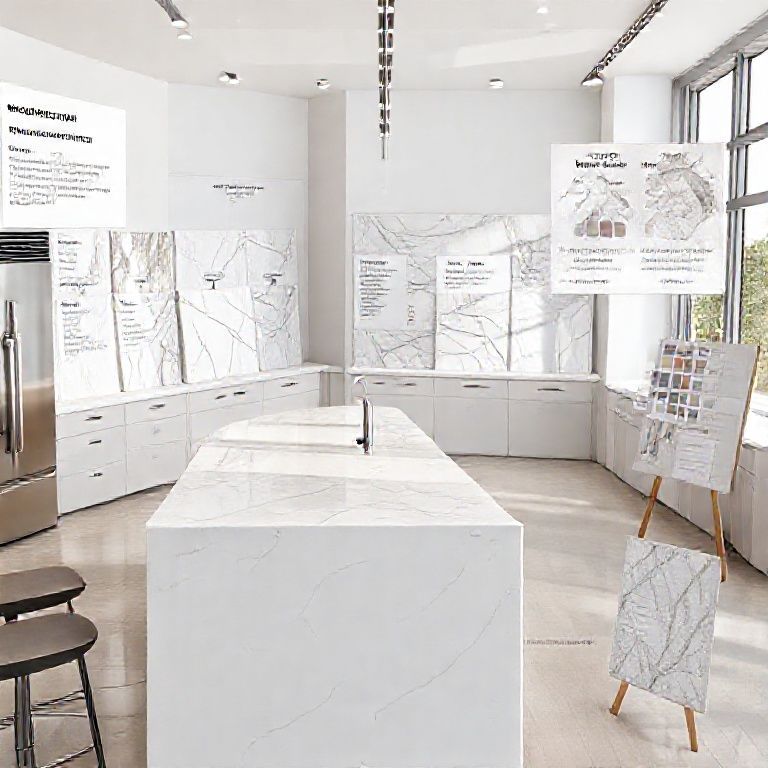
Artificial marble is a composite material made from a mixture of natural stone powder, usually quartz, and resin binders. This combination creates a stone-like surface that is both visually stunning and highly functional. Unlike traditional marble, which is a natural stone, artificial marble is manufactured in a controlled environment, allowing for consistent quality and a wide range of colors and patterns.
Key Features of Artificial Marble
Durability: Artificial marble is highly resistant to scratches, stains, and heat, making it an excellent choice for high-traffic areas. Aesthetic Variety: Available in numerous colors and designs, artificial marble can mimic the look of natural marble, granite, and even wood. Low Maintenance: Unlike natural stone, artificial marble does not require sealing or frequent maintenance, saving time and effort. Cost-Effective: While the initial cost per square meter may vary, artificial marble is often more affordable than its natural counterparts.
Factors Influencing the Cost of Artificial Marble Per Square Meter
Understanding the cost of artificial marble per square meter requires an examination of several key factors:
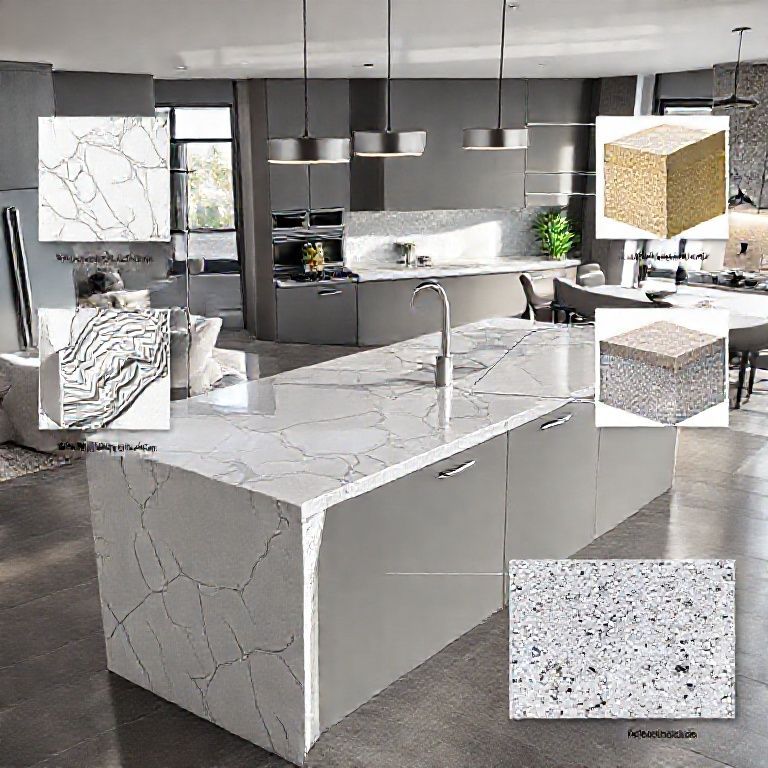
Material Quality: The quality of the base materials used in artificial marble significantly affects the price. High-grade materials and advanced manufacturing processes result in a premium product, which will naturally cost more.
Design and Color: Custom designs and unique color combinations can drive up the cost. While standard, widely available designs are more affordable, bespoke options often require additional processing and may involve higher costs.
Brand and Manufacturer: Renowned brands and manufacturers with established reputations for quality often charge more for their products. However, these higher costs can be justified by the superior durability and longevity of the material.
Labor and Installation: The cost of installation can vary based on the complexity of the project and the expertise of the installers. Projects that require intricate design work or specialized installation techniques will generally incur higher labor costs.
Geographical Location: Prices can fluctuate based on the region where the material is purchased. Urban centers with higher living costs may have more expensive materials and labor.
Budget Planning for Artificial Marble Projects
When planning a project involving artificial marble, it is essential to create a detailed budget that accounts for all potential costs. Here’s how to approach budget planning:
Define Your Project Scope: Determine the total area to be covered and the specific type of artificial marble you want to use. This will help you get an accurate estimate of the material cost.
Research Material Costs: Compare prices from different suppliers and manufacturers. Look for promotions, discounts, or bulk purchase options that can reduce the overall cost.
Estimate Labor Costs: Factor in the cost of professional installation. Some suppliers offer installation services, while others may require you to hire independent contractors.
Consider Additional Costs: Include costs for design consultation, if needed, and any additional materials or tools required for the project.
Allow for Contingencies: Always include a buffer in your budget to cover unexpected expenses or changes in the project scope.
Case Studies and Real-Life Examples
To illustrate the cost variations and factors influencing the price of artificial marble per square meter, let’s look at some real-life examples:
Example 1: Residential Kitchen Countertop
In a typical residential kitchen renovation, the homeowner decided to use high-quality artificial marble for the countertops. The chosen brand was known for its durability and realistic appearance. The total area was 20 square meters, and the project included intricate designs with multiple colors.
Material Cost: $50 per square meter Design and Color Customization: $15 per square meter Installation: $20 per square meter Total Cost: $85 per square meter
Example 2: Commercial Office Space
In a commercial office space, the design team opted for a sleek and modern look using a popular artificial marble brand. The office had a large open area with artificial marble used for both countertops and flooring, totaling 50 square meters.
Material Cost: $40 per square meter Standard Design: Included Installation: $30 per square meter Total Cost: $70 per square meter
These examples highlight how different factors such as material quality, design complexity, and installation can impact the overall cost per square meter.
Conclusion
In conclusion, the cost of artificial marble per square meter is influenced by a variety of factors, including material quality, design complexity, brand reputation, and installation requirements. By understanding these elements and conducting thorough research, you can make informed decisions that balance aesthetics, durability, and budget. Whether for residential or commercial projects, artificial marble offers a luxurious and practical choice for enhancing interior spaces.
Advanced Insights into Artificial Marble Pricing and Future Trends
Artificial marble continues to be a favored choice in the world of interior design, offering a blend of beauty, durability, and cost-effectiveness. This second part delves deeper into the advanced aspects of artificial marble pricing, exploring long-term value, emerging trends, and technological advancements shaping the future of this versatile material.
Long-Term Value and Durability
One of the most compelling reasons to invest in artificial marble is its long-term value. Unlike natural stone, which can degrade over time due to environmental factors, artificial marble maintains its integrity and appearance for decades with proper care.
Durability and Maintenance
Artificial marble’s resistance to scratches, stains, and thermal damage makes it an ideal choice for high-traffic areas. Unlike natural stone, it does not require sealing or frequent maintenance, which can add to its long-term value. Here are some key points to consider:
Scratch Resistance: Artificial marble is highly resistant to scratches, ensuring that your investment remains pristine and visually appealing. Stain Resistance: It does not absorb liquids or stains, making it easy to clean and maintain. Thermal Resistance: Unlike natural stone, artificial marble does not expand or contract with temperature changes, reducing the risk of cracks and damage. Low Maintenance: With no need for sealing or special cleaning products, artificial marble requires minimal upkeep, saving you time and money over the long term.
Technological Advancements and Future Trends
The field of artificial marble is continuously evolving, with technological advancements driving innovation in materials and manufacturing processes. These advancements not only enhance the aesthetic appeal and functionality of artificial marble but also impact its cost per square meter.
Advanced Manufacturing Techniques
Modern manufacturing techniques are improving the quality and variety of artificial marble, leading to more realistic designs and colors. Innovations such as:
High-Pressure Laminates: Advanced lamination techniques create ultra-realistic textures and patterns. Nano-Technology: Incorporating nanomaterials enhances durability and resistance to environmental factors. 3D Printing: Allows for the creation of complex designs and custom shapes, pushing the boundaries of what is possible.
Sustainability and Eco-Friendly Innovations
Sustainability is becoming a crucial consideration in the design industry, and artificial marble is no exception. Manufacturers are exploring eco-friendly options that reduce environmental impact without compromising quality.
Recycled Materials: Using recycled stone powder and other sustainable materials reduces the environmental footprint. Low VOC Emissions: Advances in manufacturing have led to products with lower volatile organic compound (VOC) emissions, making them safer for indoor air quality.
Emerging Trends in Design
Artificial marble continues to gain popularity due to its versatility and design possibilities. Emerging trends in design are further expanding its appeal and influencing pricing.
Customization and Personalization
The demand for customized and personalized designs is on the rise. Artificial marble manufacturers are responding by offering:
Custom Colors and Patterns: Ability to create unique color blends and patterns tailored to specific design needs. Custom Shapes and Sizes: Flexibility to produce materials in non-standard shapes and sizes for unique architectural features.
Integration with Smart Technologies
The integration of smart technologies into interior design is another trend influencing the use of artificial marble.
Smart Countertops: Incorporating sensors and other smart technologies into artificial marble countertops for enhanced functionality. Interactive Surfaces: Creating interactive surfaces that respond to touch or other stimuli, adding a new dimension to design aesthetics.
Cost Implications of Emerging Trends
As artificial marble continues to evolve, so do the cost implications of these emerging trends:
Customization: While customization offers unique design possibilities, it can also increase the cost per square meter due to additional processing and design work.
Advanced Technologies: The integration of smart technologies and advanced manufacturing1. 智能家居集成:随着智能家居技术的普及,人们越来越希望在他们的家庭中集成更多的智能功能。
这包括通过人工智能和物联网技术,将家庭的各个部分联接起来,实现更高效和便捷的生活方式。这种趋势不仅提升了人们对高科技材料和设备的需求,也推动了相关行业的创新和发展。
环保和可持续性:随着全球对环境保护和可持续发展的重视,人们对环保材料的需求也越来越大。这包括使用可再生资源、低碳排放、高能效的产品和材料。在建筑和装修领域,这种趋势特别明显,许多新材料和技术正在被开发,以减少对环境的负面影响。
健康和安全:在公共卫生事件如新冠疫情之后,人们对健康和安全的关注显著增加。这推动了对抗菌、防霉、易清洁和透气性好的材料的需求。例如,在医院、学校和公共场所,这类材料的应用变得尤为重要。
个性化和定制化:消费者越来越追求个性化和独特性,这使得定制化产品和服务的需求增加。无论是家具、建筑材料还是装饰品,人们希望能够根据自己的喜好和需求进行定制。这不仅提高了材料的多样性,也增加了生产的复杂性和成本。
高性能和多功能性:现代生活节奏快,人们对材料的性能和多功能性的需求也在不断提升。例如,耐用、抗冲击、抗腐蚀、多用途的材料被广泛应用于各个领域。这种趋势促使研发人员不断创新,以满足不同领域的特殊需求。
数字化和智能化:随着工业4.0和物联网的发展,数字化和智能化成为新的增长点。这种趋势不仅体现在传统制造业,还包括新兴的高科技产业。智能化的生产和设计工具、自动化的生产线,以及智能材料的研发和应用,都是这一趋势的重要体现。
跨界融合:现代设计和工程越来越多地跨越传统的界限,融合多学科的知识和技术。这种跨界融合不仅推动了新材料的开发,还促进了新的设计和应用方式的出现。例如,生物材料、纳米材料、智能材料等新兴领域的发展,都是这一趋势的重要组成部分。
这些趋势反映了社会和技术的发展方向,也为材料科学和工程学提供了新的研究和应用前景。了解并适应这些趋势,对于行业的发展和创新具有重要意义。