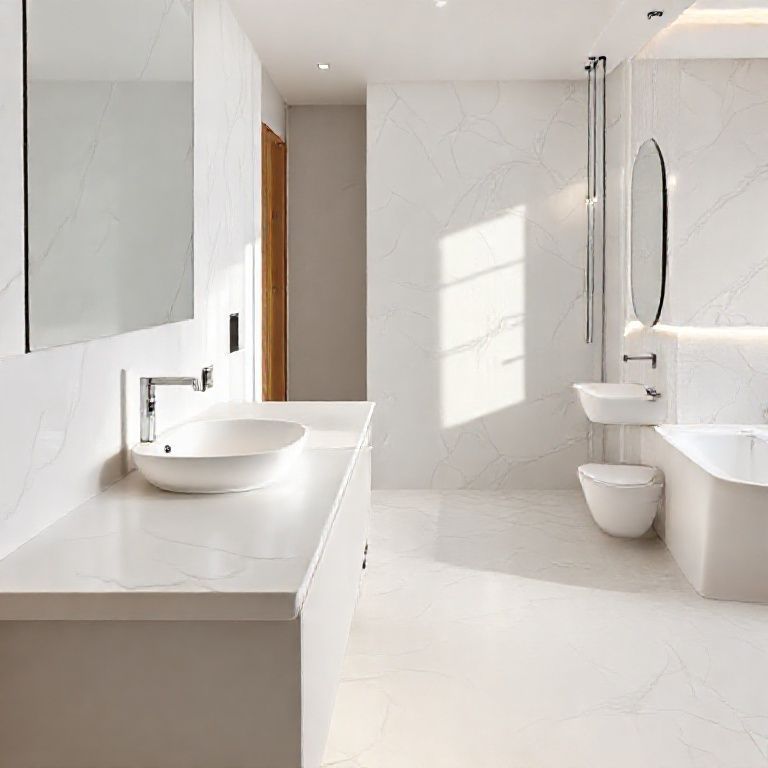
Understanding the Basics of Marble Pricing
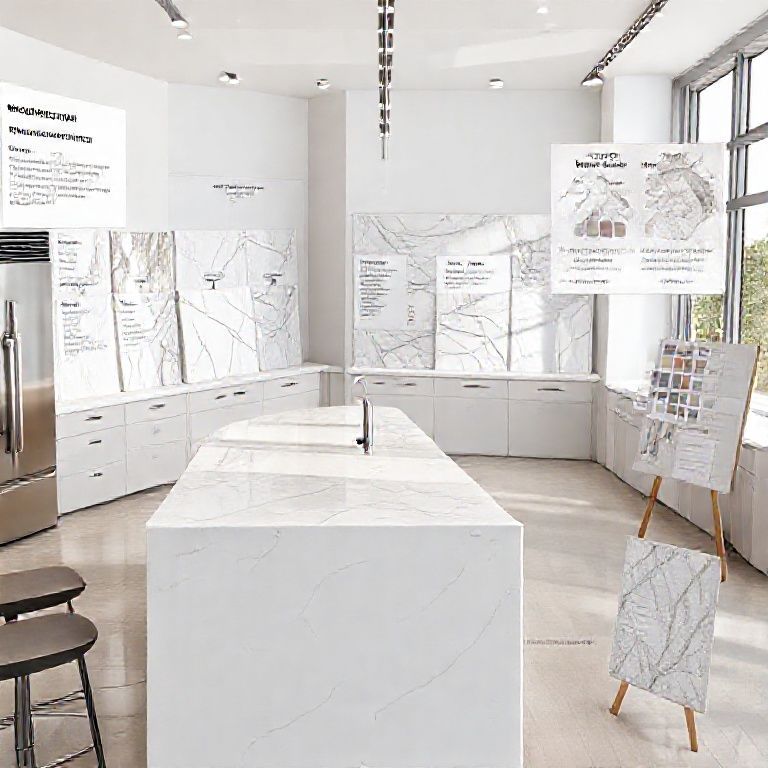
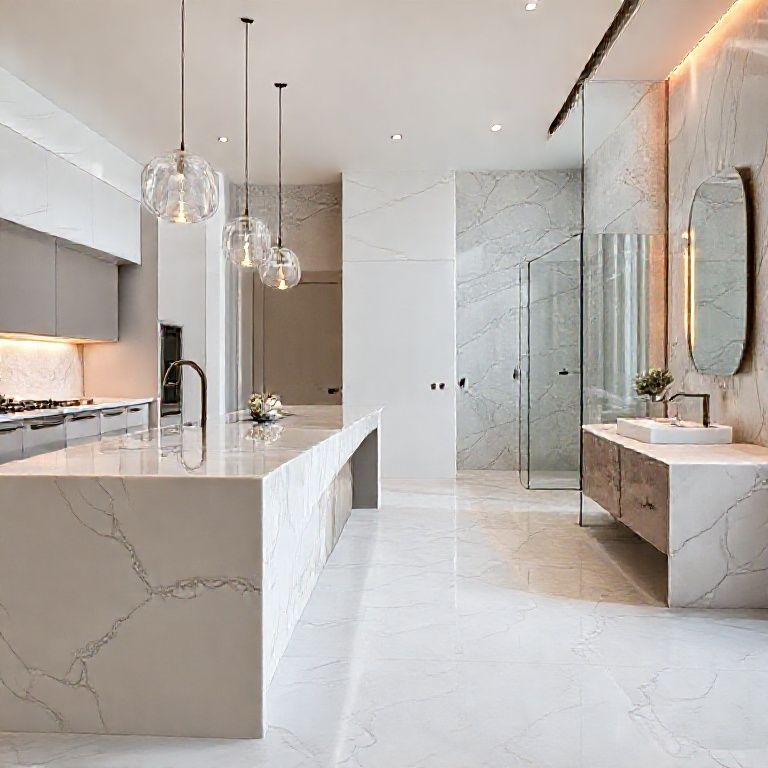
When considering “一般的大理石多少钱一平方” or “how much does general marble cost per square meter,” it’s essential to understand that marble pricing is a multifaceted subject. Marble is renowned for its timeless elegance and versatility, making it a popular choice for various applications, from flooring and countertops to wall cladding and statues. However, the cost can vary widely depending on several factors. Let’s dive into the basics to decode the mysteries behind marble pricing.
Material Quality
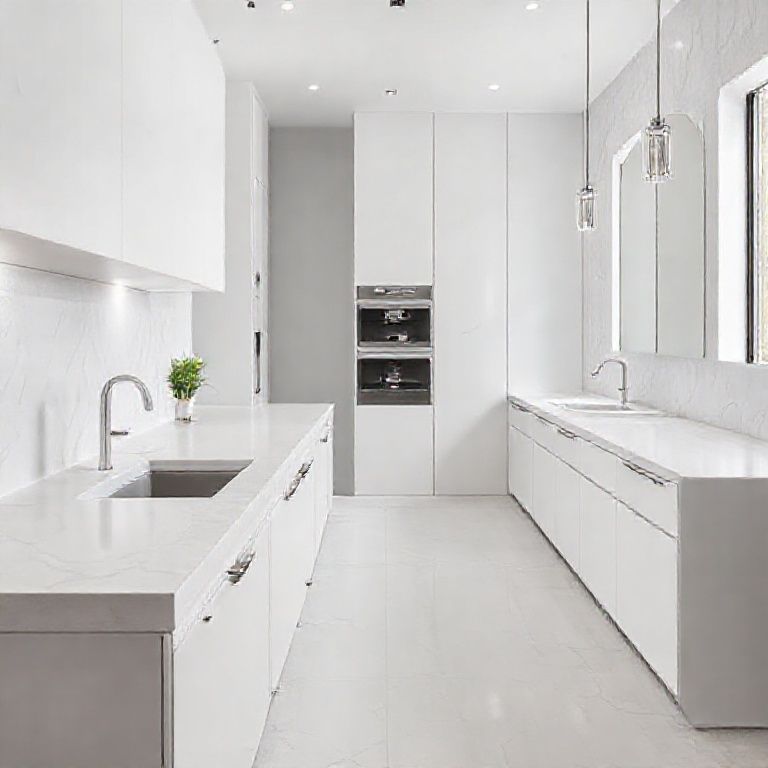
The first and foremost factor influencing the cost of general marble per square meter is the quality of the material. Marble is naturally occurring and comes in a variety of colors, patterns, and textures. High-quality marble, with unique and vibrant patterns, often commands a higher price. On the other hand, marble with more uniform colors and fewer veins might be less expensive. Quality marble is also durable, which adds to its long-term value.
Types of Marble
There are numerous types of marble, each with its unique characteristics and price range. Some of the most popular types include:
Italian Marble: Known for its luxurious appearance and fine grain, Italian marble is often more expensive due to its popularity and quality. Turkish Marble: Turkey is one of the largest producers of marble, and it offers a wide range of colors and patterns at various price points. Indian Marble: Indian marble is famous for its striking colors and affordable pricing, making it a popular choice for many projects. Brazilian Marble: Brazilian marble is known for its high quality and vibrant colors, often making it a mid to high-cost option.
Processing and Treatment
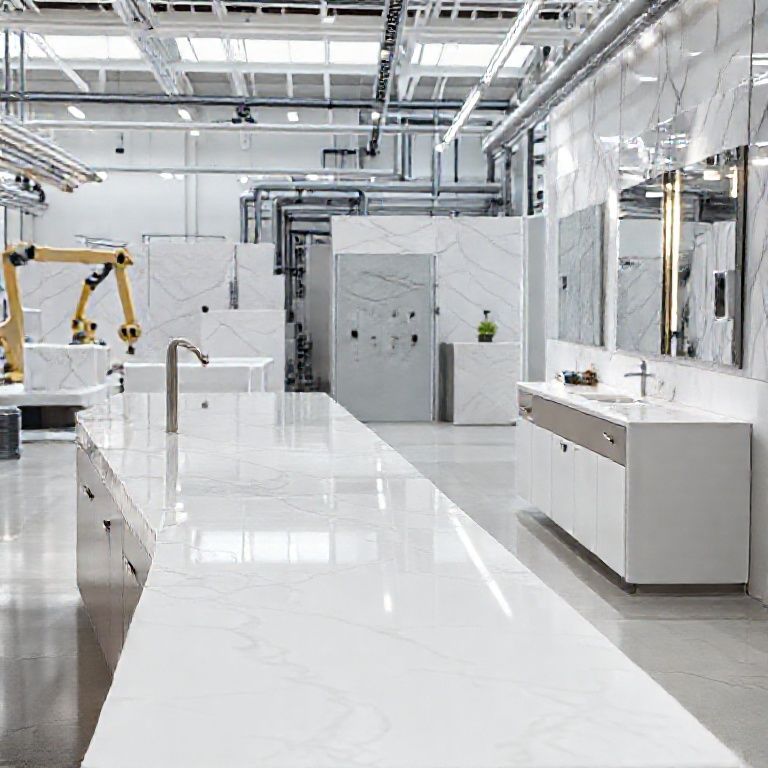
The way marble is processed and treated also impacts its cost. Marble that undergoes additional treatments like polishing, sealing, or color enhancement will generally be more expensive. These treatments improve the marble’s durability and aesthetic appeal, which justifies the higher price.
Regional Variations
Marble prices can vary significantly depending on the region. Marble sourced from traditional quarries like Italy or Turkey might be more expensive due to their reputation and the costs associated with transporting the material long distances. Local marble, while often cheaper, might not have the same level of quality or variety.
Installation Costs
When discussing “一般的大理石多少钱一平方,” it’s important to consider installation costs as well. Marble installation requires skilled labor due to its delicate nature and the precision needed to ensure a flawless finish. The complexity of the installation process, including cutting, fitting, and sealing, adds to the overall cost.
Design and Customization
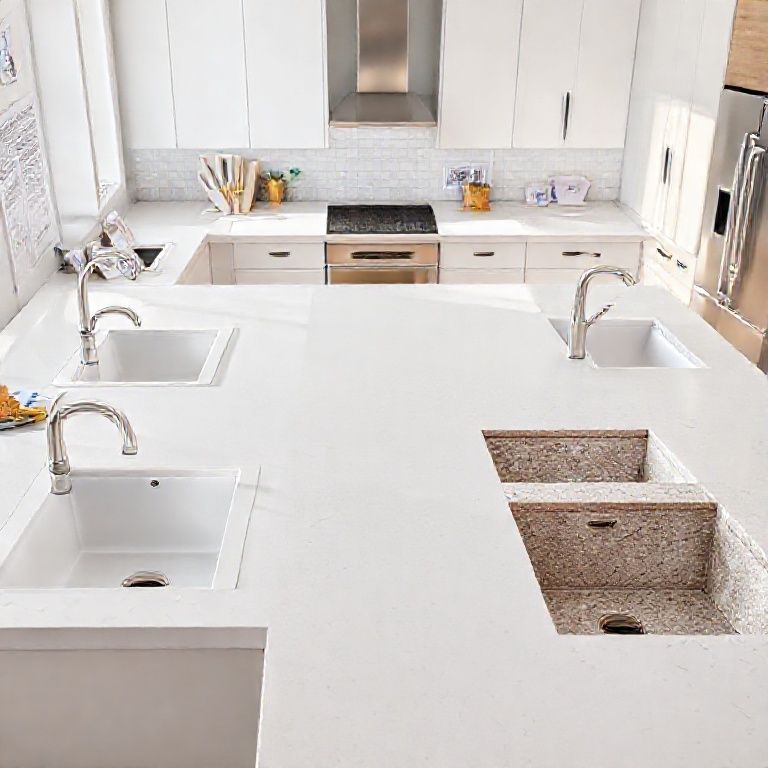
Custom designs and intricate patterns can significantly increase the cost of general marble per square meter. Custom-cut pieces or bespoke designs require additional time and expertise, which translates to higher costs. Additionally, the complexity of the design, such as intricate carvings or unique patterns, can affect pricing.
Market Trends
The market trends and economic factors also play a role in determining marble prices. Supply and demand dynamics, fluctuations in the cost of raw materials, and changes in transportation costs can all influence pricing. It’s essential to stay updated on these trends to get an accurate idea of current costs.
Conclusion
Understanding the various factors that influence “一般的大理石多少钱一平方” is crucial for making informed decisions about your marble project. From the quality and type of marble to regional variations and installation costs, each element plays a significant role in determining the overall price. In the next part, we will explore the specific costs associated with different types of marble, provide examples, and offer tips for negotiating the best deals.
Detailed Insights into Marble Pricing
Having covered the basics of marble pricing, it’s time to delve deeper into the specifics. This part will provide detailed insights into the costs associated with different types of marble, offering a comprehensive guide to understanding “一般的大理石多少钱一平方” or “how much does general marble cost per square meter.” We will also explore real-world examples and offer tips for negotiating the best deals.
Cost Breakdown of Popular Marble Types
Let’s examine the cost per square meter for some of the most popular types of marble, taking into account their quality, patterns, and additional treatments.
Italian Marble
Italian marble is often synonymous with luxury and elegance. High-quality Italian marble like Botticino or Carrara can range from $100 to $300 per square meter, depending on the specific type and design. These prices often include additional treatments like polishing and sealing to enhance durability and appearance.
Turkish Marble
Turkish marble is known for its affordability and variety. Marbles like Akoya and Beypazari are popular choices. Prices typically range from $50 to $150 per square meter. High-quality Turkish marble can be found for as little as $40 per square meter, making it an attractive option for budget-conscious projects.
Indian Marble
Indian marble offers a wide range of colors and patterns at competitive prices. Marbles like Imperial White and Rajpuri Red are widely used. Prices for Indian marble generally range from $30 to $100 per square meter, depending on the type and additional treatments required.
Brazilian Marble
Brazilian marble is prized for its vibrant colors and fine grain. Marbles like Travertine and Onix are popular choices. Prices for Brazilian marble typically range from $60 to $180 per square meter. The cost can vary based on the specific type and any additional treatments.
Chinese Marble
China has become a major player in the marble industry, offering high-quality marble at competitive prices. Marbles like Qing Dynasty and Sichuan Marble are popular. Prices for Chinese marble generally range from $40 to $120 per square meter, depending on the type and additional treatments.
Factors Influencing Specific Costs
While the general pricing ranges provide a good starting point, several factors can influence the specific cost of general marble per square meter:
Color and Pattern
Marble with unique and vibrant patterns often commands a higher price. Marble with more uniform colors and fewer veins might be less expensive. The visual appeal and complexity of the pattern can significantly impact pricing.
Thickness
Thicker marble slabs are generally more expensive due to the increased amount of material required. Typical slab thicknesses range from 2 cm to 4 cm, with higher costs associated with thicker slabs.
Additional Treatments
Marble that undergoes additional treatments like polishing, sealing, or color enhancement will generally be more expensive. These treatments improve the marble’s durability and aesthetic appeal, justifying the higher price.
Installation Costs
The cost of installing marble can vary based on several factors, including the complexity of the project, the skill level of the installer, and the type of adhesive used. On average, installation costs can range from $5 to $20 per square meter.
Real-World Examples
To provide a clearer picture, let’s look at some real-world examples of marble pricing:
Example 1: Italian Marble in a Luxury Home
A luxury home renovation project in Milan used high-quality Carrara marble for its living room and kitchen. The project required custom-cut pieces and intricate patterns. The total cost was approximately $80 per square meter, including installation.
Example 2: Turkish Marble in a Budget Apartment
A budget-friendly apartment renovation in Istanbul used Akoya Turkish marble for its bathroom flooring. The project was straightforward, with no additional treatments required. The total cost was around $70 per square meter, including installation.
Example 3: Indian Marble in a Commercial Space
A commercial space in Delhi used Imperial White Indian marble for its reception area. The project required additional sealing to enhance durability. The total cost was approximately $90 per square meter, including installation.
Negotiating the Best Deals
While marble prices can vary widely, there are strategies you can employ to negotiate the best deals:
Compare Prices
Always compare prices from different suppliers to ensure you’re getting the best deal. Prices can vary significantly based on the supplier’s reputation, the quality of the marble, and the region.
Bulk Purchases
Buying marble in bulk can often result in lower prices per square meter. Discuss with suppliers about bulk purchase discounts or special offers.
Negotiate for Additional Treatments
If you require additional treatments like polishing or sealing, negotiate with the supplier to include these in the initial cost. Sometimes suppliers might offer better rates if you agree to have them perform the treatments.
Look for Off-Peak Seasons
Marble prices can fluctuate based on demand and supply. Buying during off-peak seasons might result in lower prices.
Conclusion
Understanding “一般的大理石多少钱一平方” or the cost of general marble per square meter involves a detailed analysis of various factors, including material quality, type, additional treatments, and regional variations. By exploring the specific costs associated with different types of marble and considering real-world examples, you can make informed decisions for your project. Rememberto negotiate the best deals and to ensure that you get the most value for your investment. In the next part, we will provide additional tips and strategies for selecting the right marble for your project, as well as insights into the maintenance and longevity of different types of marble.
Part 3: Selecting and Maintaining Marble for Your Project
When it comes to selecting and maintaining marble for your project, it’s essential to consider not just the aesthetic appeal but also the durability, maintenance requirements, and long-term value. This part will provide detailed guidance on choosing the right marble and maintaining it to ensure its longevity and beauty.
Choosing the Right Marble
Selecting the right marble involves considering several factors to ensure it meets your project’s needs. Here are some key considerations:
1. Purpose and Location
The primary purpose of the marble and the location where it will be installed play a significant role in determining the right type of marble. For high-traffic areas like kitchens and bathrooms, a more durable marble is essential. For less-trafficked areas like living rooms, a more aesthetic marble might suffice.
2. Color and Pattern
The color and pattern of the marble should complement the overall design of the space. Marble with unique and vibrant patterns can add a touch of luxury, while more uniform colors might be better for a minimalist look.
3. Quality and Source
High-quality marble from reputable sources like Italy, Turkey, or Brazil generally offers better durability and longevity. Researching the reputation of the marble source can help ensure you’re getting a high-quality product.
4. Budget
Your budget will significantly influence the type of marble you can choose. While high-quality marble might be more expensive, it often offers better value in the long run due to its durability and reduced maintenance needs.
5. Customization
If your project requires custom designs or intricate patterns, ensure the marble supplier can accommodate your needs. Custom pieces might come at a higher cost but can add significant value to your project.
Maintenance of Marble
Proper maintenance is crucial for preserving the beauty and longevity of marble. Here are some key tips for maintaining marble:
1. Regular Cleaning
Marble should be cleaned regularly to prevent stains and discoloration. Use a soft cloth and a pH-neutral cleaner specifically designed for marble. Avoid using acidic or abrasive cleaners, as these can damage the marble surface.
2. Sealing
Sealing marble is essential to protect it from stains and spills. A good quality marble sealer can extend the life of your marble by making it more resistant to stains. It’s recommended to seal new marble every six months to a year, depending on the level of traffic and exposure.
3. Avoiding Heat and Direct Sunlight
Marble can be sensitive to heat and direct sunlight, which can cause discoloration. To prevent this, avoid placing hot items directly on marble surfaces and use coasters or trivets for heat-generating appliances.
4. Immediate Cleaning of Spills
Immediately clean up spills, especially those containing acidic or sugary substances, to prevent stains. Use a damp cloth to wipe up spills and then apply a marble cleaner to neutralize any remaining residue.
5. Regular Inspection
Regularly inspect your marble surfaces for signs of wear, cracks, or damage. Early detection can prevent minor issues from becoming major problems.
Longevity of Different Types of Marble
Different types of marble have varying levels of durability and longevity:
Italian Marble
Known for its fine grain and elegant appearance, Italian marble is highly durable and long-lasting. Its high quality often justifies the higher cost, making it a good investment for high-traffic areas.
Turkish Marble
Turkish marble offers a wide range of colors and patterns at competitive prices. While generally durable, it’s essential to choose high-quality marble and ensure proper sealing to maintain its appearance.
Indian Marble
Indian marble is known for its affordability and vibrant colors. While it’s generally durable, its lower cost might not always guarantee superior quality. Regular maintenance and sealing are crucial for longevity.
Brazilian Marble
Brazilian marble is prized for its vibrant colors and fine grain. Its durability is generally high, but as with all marble, proper care and maintenance are essential to ensure its longevity.
Chinese Marble
Chinese marble offers competitive prices and a variety of colors and patterns. Its durability can vary, so it’s important to choose high-quality marble and ensure proper sealing.
Conclusion
Selecting the right marble for your project involves careful consideration of purpose, location, color, quality, and budget. Proper maintenance is key to preserving the beauty and longevity of marble, regardless of the type. By understanding the factors that influence marble pricing and the importance of maintenance, you can make informed decisions that will enhance the aesthetic and functional value of your project.
Remember, marble is a natural stone that requires regular care and attention to maintain its stunning appearance and durability. With the right choices and maintenance practices, marble can be a beautiful and lasting addition to any space.
In this comprehensive guide, we’ve explored the intricate world of marble pricing, selection, and maintenance. By understanding the various factors that influence “一般的大理石多少钱一平方” or the cost of general marble per square meter, you can make informed decisions for your project. Whether you’re renovating a luxury home or a budget-friendly apartment, this guide provides valuable insights to help you achieve your desired results.