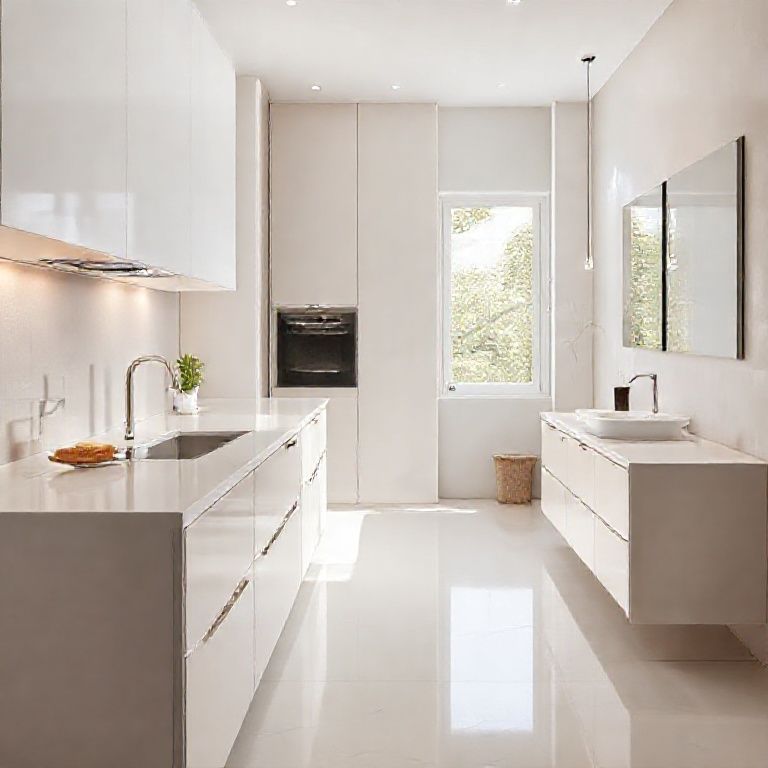
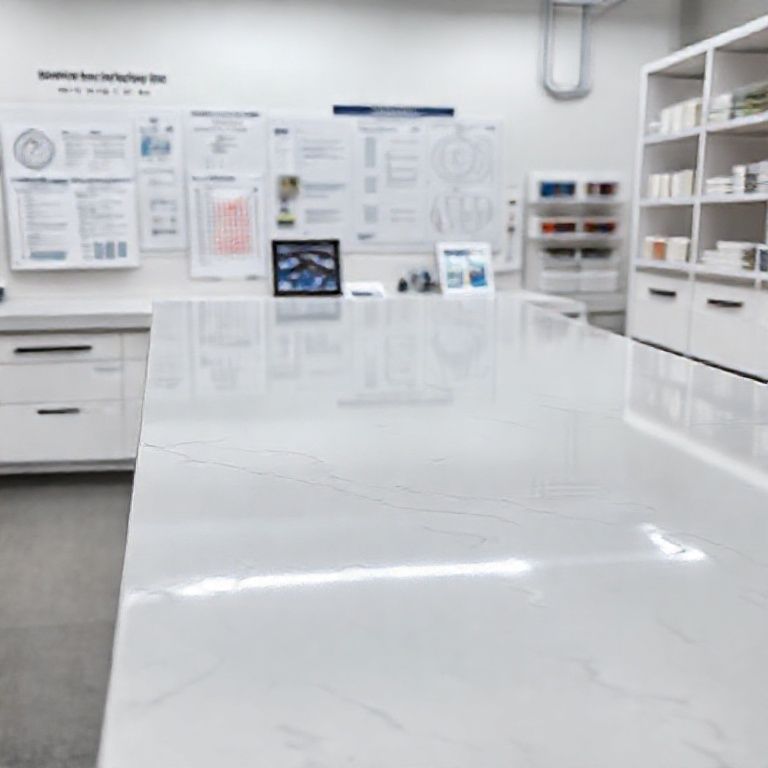
The Ultimate Guide to Kitchen Countertop Replacement: Elevate Your Culinary Space
Introduction: Imagine walking into your kitchen each day and being greeted by a beautiful, inviting countertop that not only looks stunning but also enhances the functionality of your cooking space. Kitchen countertop replacement is a transformative project that can breathe new life into your kitchen, making it not just a place to prepare meals but also a focal point in your home. This guide will explore everything you need to know about kitchen countertop replacement, from choosing the right material to understanding the installation process and maintenance tips.

Understanding the Importance of Kitchen Countertops: Countertops are more than just surfaces; they are the heart of your kitchen. They are where you prep your meals, serve your guests, and often entertain. The right countertop material can elevate your kitchen’s aesthetic, increase its value, and enhance its functionality. Whether you’re looking for durability, style, or a blend of both, choosing the right countertop is crucial.
Choosing the Right Material: When it comes to kitchen countertop replacement, the material you choose plays a pivotal role in both the look and functionality of your kitchen. Here are some popular options:
Granite: Pros: Known for its durability and timeless elegance, granite is a popular choice for many kitchens. It’s highly resistant to scratches, stains, and heat. Cons: Granite is quite expensive and requires regular sealing to maintain its appearance. Maintenance: Regular sealing and occasional deep cleaning are essential to keep granite looking its best. Quartz: Pros: A modern alternative to granite, quartz offers a wide range of colors and patterns. It’s incredibly durable and low maintenance. Cons: While it’s more affordable than granite, it can still be expensive. Maintenance: Simply wipe with a mild soap and water solution to keep it sparkling. Marble: Pros: Marble countertops add a luxurious touch to any kitchen. They come in various colors and patterns. Cons: Marble is more prone to staining and requires regular sealing. It’s also more fragile than granite or quartz. Maintenance: Use a marble-specific cleaner and avoid placing hot pots or pans directly on the surface. Slate: Pros: Slate is durable, affordable, and has a natural, rustic appeal. Cons: It can be prone to cracking and is not as heat-resistant as granite or quartz. Maintenance: Regular cleaning with a damp cloth and occasional sealing can help maintain its appearance. Composite: Pros: Composite countertops offer a wide range of colors and patterns at a relatively low cost. They are also easy to install and maintain. Cons: They can be less durable than other materials and may not look as natural. Maintenance: Regular cleaning with a mild soap and water solution is usually sufficient. Concrete: Pros: Concrete countertops offer a unique, industrial look and are highly durable. Cons: They can be expensive and may not be suitable for all kitchen styles. Maintenance: Clean with a mild soap and water solution and avoid using harsh chemicals.
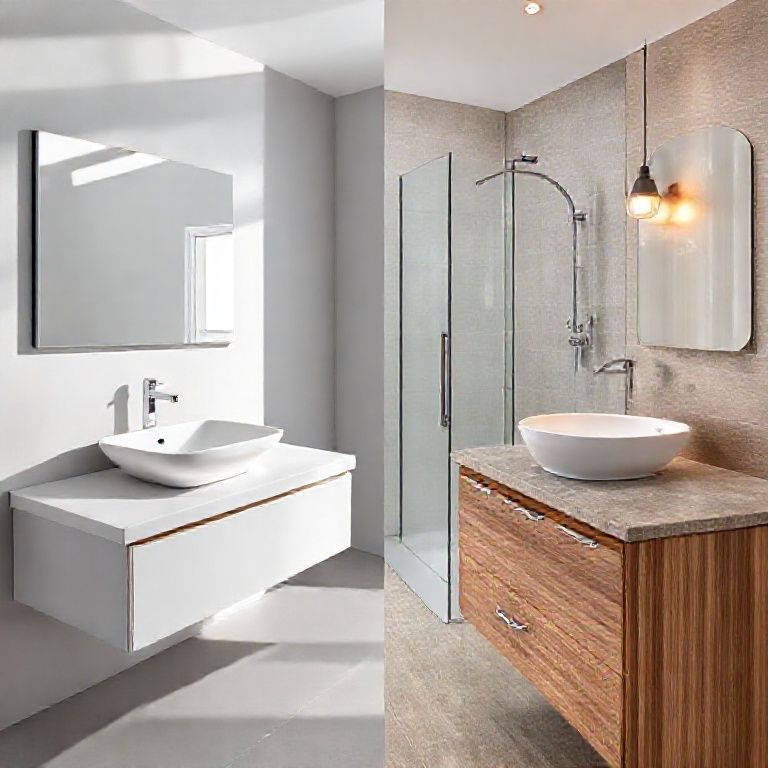
Installation Process: Once you’ve chosen the perfect material for your kitchen countertop, the next step is the installation process. Here’s what you need to know:
Preparation: Remove existing countertops, cabinets, and any other fixtures that may be in the way. Measure your countertop accurately to ensure a proper fit. Cutting: If your new countertop needs to be cut to size, make sure to use a tile cutter or a wet saw for precise cuts. Wear safety goggles and gloves to protect yourself from any sharp edges. Installation: Apply a strong adhesive to the back of the countertop and place it onto the cabinet tops. Use a level to ensure it’s even and secure it with clips or brackets. For materials like granite or marble, use a specialized adhesive designed for heavy stone countertops. Finishing: Once the adhesive has dried, clean the surface to remove any residue. Apply any necessary sealants or finishes as recommended by the manufacturer. Final Touches: Reattach any removed cabinets or fixtures. Allow the adhesive to fully cure before using the countertop.
Benefits of Kitchen Countertop Replacement: Upgrading your kitchen countertops can offer numerous benefits:

Aesthetic Appeal: A new countertop can dramatically change the look of your kitchen, adding modern elegance or a rustic charm depending on your choice of material. Functionality: High-quality countertops are often more durable and easier to clean, making your kitchen more functional and user-friendly. Value Increase: Remodeled kitchens with updated countertops can increase the value of your home, making it more attractive to potential buyers. Customization: With a wide variety of materials and designs available, you can customize your kitchen to perfectly match your style and needs. Longevity: Modern countertop materials are designed to last, reducing the need for frequent replacements and saving you money in the long run.
Conclusion: Kitchen countertop replacement is a significant investment, but it’s one that can pay dividends in both style and functionality. By carefully considering your options and understanding the installation process, you can transform your kitchen into a space that not only looks great but also serves as the heart of your home. Whether you’re looking to add a touch of luxury, a splash of modern design, or a hint of rustic charm, there’s a perfect countertop waiting for you.
The Ultimate Guide to Kitchen Countertop Replacement: Elevate Your Culinary Space
Introduction: Continuing our exploration of kitchen countertop replacement, this second part will delve deeper into the installation process, maintenance tips, and the unique considerations for different types of materials. Whether you’re a DIY enthusiast or planning to hire professionals, this guide will provide you with all the information you need to ensure a successful and satisfying kitchen makeover.
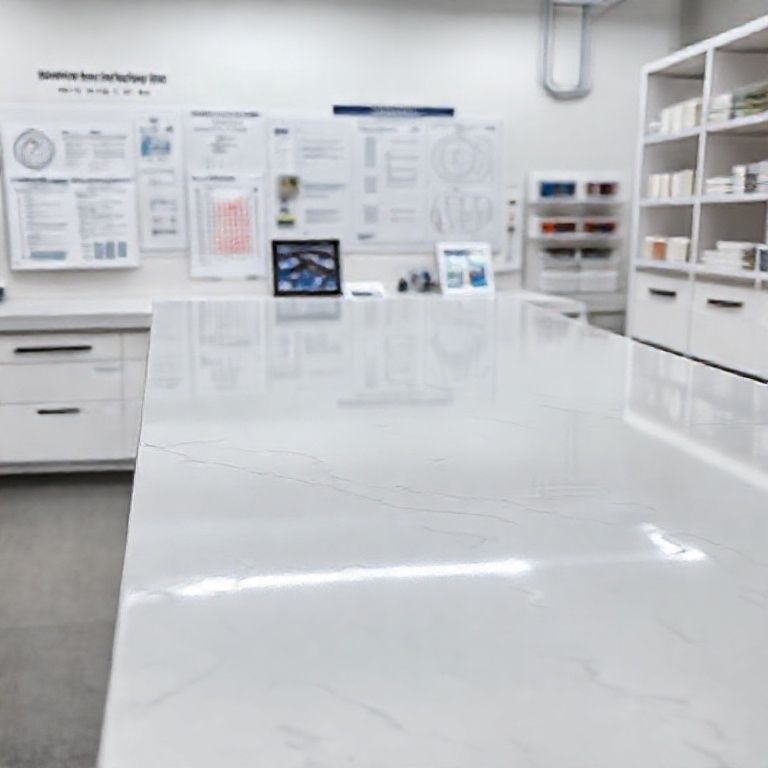
Installation Process Continued: For those who prefer a hands-on approach or are hiring a professional, understanding the intricacies of the installation process is crucial. Here’s a more detailed look at each step:
Preparation: Safety First: Ensure the work area is clear of any obstructions. Wear protective gear such as gloves and safety goggles. Measurements: Accurate measurements are key. Use a tape measure to ensure the new countertop fits perfectly. Cutting: Precision Cutting: Use a tile cutter for tile or stone, and a wet saw for larger pieces like granite or marble. Always wear safety goggles and gloves. Edge Finishing: Smooth any rough edges with sandpaper to prevent accidents. Installation: Adhesive Application: Use a high-quality adhesive suitable for the material. Apply it evenly along the top of the cabinets. Placing the Countertop: Carefully lift the countertop and place it onto the adhesive. Use a level to ensure it’s straight and secure it with clips or brackets. Weight Down: Place heavy objects on the countertop for 24 hours to ensure the adhesive sets properly. Finishing: Cleaning: Once the adhesive has dried, clean the countertop to remove any adhesive residue. Sealing: Apply any recommended sealants or finishes to protect the countertop and enhance its appearance. Final Touches: Reattaching Cabinets: Reattach any cabinets or fixtures that were removed during installation. Curing Time: Allow the adhesive to fully cure before using the countertop. This can take several days depending on the product used.
Maintenance Tips: Proper maintenance is essential to keep your new countertop looking its best. Here are some tips for different materials:
Granite: Regular Cleaning: Wipe with a soft cloth and mild soapy water. Sealing: Reseal every 6-12 months to protect against stains. Avoiding Heat: Place trivets on hot pots and pans to prevent heat damage. Quartz: Easy Cleaning: Simply wipe with a damp cloth and mild soap. Avoiding Acids: Do not use acidic cleaners or sharp objects that can scratch the surface. Heat Protection: Use trivets for hot items. Marble: Gentle Cleaning: Use a marble-specific cleaner and a soft cloth. Sealing: Seal every 6-12 months to protect against stains. Avoiding Heat and Acids: Do not place hot items directly on the继续我们之前的讨论,对于不同材质的厨房台面,还有一些特别的注意事项和维护建议: Slate: Regular Cleaning: Wipe with a damp cloth and mild soap. Sealing: Reseal every 1-2 years to protect against stains. Avoiding Heat: Use trivets for hot items to prevent cracking. Composite: Easy Cleaning: Wipe with a damp cloth and mild soap. Avoiding Sharp Objects: Do not use sharp objects that can scratch the surface. Heat Protection: Use trivets for hot items. Concrete: Regular Cleaning: Clean with a mild soap and water solution. Avoiding Harsh Chemicals: Do not use harsh chemicals that can damage the surface. Sealing: Reseal every 1-2 years for protection.
Special Considerations:
Installation with Undermount Countertops: Adhesive Selection: Use a strong adhesive specifically designed for undermount applications. Cutting: Ensure precise cuts and smooth edges. Sealing Edges: Apply a silicone sealant around the edges to prevent water penetration. Installation with Drop-in Countertops: Fitting: Ensure the countertop fits snugly into the cutout. Support: Use brackets or clips to secure the countertop in place. Edge Protection: Use corner guards or similar protective measures to prevent chipping.
Professional Help: While DIY installation is possible, especially for materials like composite or concrete, professional installation is often recommended for stone and other heavy materials. Professionals have the expertise and tools to ensure a perfect fit and secure installation, reducing the risk of damage and ensuring longevity.
Environmental and Health Considerations: When selecting and installing countertops, consider the environmental impact and health implications:
Sustainable Materials: Choose countertops made from sustainable materials or those that have low environmental impact. VOC Emissions: Select low VOC (volatile organic compounds) materials to minimize indoor air pollution. Non-Toxic Cleaners: Use non-toxic cleaners to maintain the countertop and ensure a safe kitchen environment.
Conclusion: Kitchen countertop replacement is a significant project that can dramatically enhance the functionality and aesthetics of your kitchen. By carefully selecting the right material, understanding the installation process, and following proper maintenance practices, you can ensure that your new countertop not only looks great but also lasts for many years. Whether you choose a classic stone, a modern composite, or a unique concrete design, the right countertop can transform your kitchen into a space that’s both beautiful and functional.