The Ultimate Guide to Kitchen Countertop Stone Thickness Standards
When it comes to designing a modern and functional kitchen, the choice of countertop material and its thickness plays a pivotal role. Kitchen countertops are one of the most frequently used surfaces in a home, necessitating durability, aesthetics, and ease of maintenance. Among various materials, stone countertops have surged in popularity due to their natural beauty and resilience. However, one critical aspect often overlooked is the thickness of the stone. In this comprehensive guide, we will delve into the kitchen countertop stone thickness standards, offering valuable insights to help you make an informed decision for your kitchen renovation.
Understanding Stone Countertops
Stone countertops are crafted from natural stone materials such as granite, quartz, marble, and travertine. These materials offer a unique, timeless appeal while providing superior durability and resistance to scratches, stains, and heat. Each type of stone has distinct properties, which influence the recommended thickness for kitchen countertops.
Why Thickness Matters
The thickness of a kitchen countertop is not just a matter of aesthetics; it impacts the durability, stability, and ease of maintenance of the countertop. Thicker countertops generally offer better resistance to wear and tear, making them a popular choice for high-traffic areas. However, the ideal thickness can vary depending on the type of stone used.
Standard Thickness for Different Stone Types
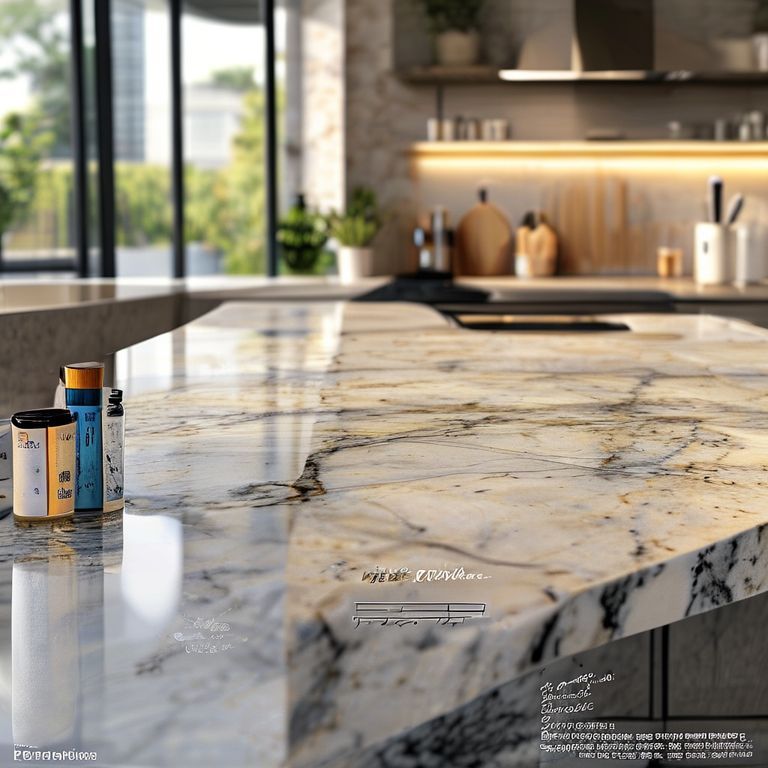
Granite Recommended Thickness: Granite is renowned for its strength and durability. The standard thickness for granite countertops is typically between 2 to 2.5 inches. However, a thicker granite slab can be used to achieve a more robust and substantial look. Advantages: Granite’s natural composition makes it highly resistant to scratches, stains, and heat. The recommended thickness ensures that the countertop remains stable and can withstand everyday use. Quartz Recommended Thickness: Quartz, a composite stone made from 90% quartz particles and 10% resin, is highly durable and easy to install. The standard thickness for quartz countertops is around 1.5 to 2 inches. Advantages: Quartz offers a seamless, solid-surface appearance with no grain lines, making it easy to clean and maintain. Its recommended thickness ensures it can handle the rigors of daily kitchen activity without compromising on aesthetics. Marble Recommended Thickness: Marble is prized for its beauty and elegance, but it requires careful consideration regarding thickness due to its relative softness compared to other stones. The standard thickness for marble countertops is typically around 2 to 2.5 inches. Advantages: Marble’s natural veining adds a luxurious touch to any kitchen. The recommended thickness ensures that the marble remains stable and less prone to damage, although it does require regular maintenance to prevent stains and scratches. Travertine Recommended Thickness: Travertine, a type of limestone, is known for its intricate patterns and unique appearance. The standard thickness for travertine countertops is around 1.5 to 2 inches. Advantages: Travertine’s porous nature means it requires sealing to protect against stains. However, its recommended thickness allows it to be installed securely while maintaining its natural beauty.
Installation Considerations
When installing stone countertops, adhering to the recommended thickness is crucial for both aesthetic and functional reasons. Here are some key considerations:
Substrate Choice The substrate, or the backing material, supports the stone and ensures stability. For stone countertops, a plywood or composite board is typically used. The thickness of the substrate can influence the overall thickness of the countertop. Most installers recommend a substrate thickness of around 3/4 inch to accommodate the stone thickness. Edge Profiles The edge profile of the countertop can also affect the overall thickness. Common edge profiles include bullnose, which provides a rounded edge, and chamfered, which offers a beveled edge. Both styles add to the countertop’s visual appeal and stability. Capping Edges Capping the edges of the countertop with a thin strip of stone or another material can provide additional protection and stability. This step is particularly important for countertops that are subject to high wear and tear.
Design Trends and Innovations
Modern kitchen design trends emphasize both functionality and aesthetics. The choice of stone thickness can play a significant role in achieving the desired look and feel in a kitchen space.
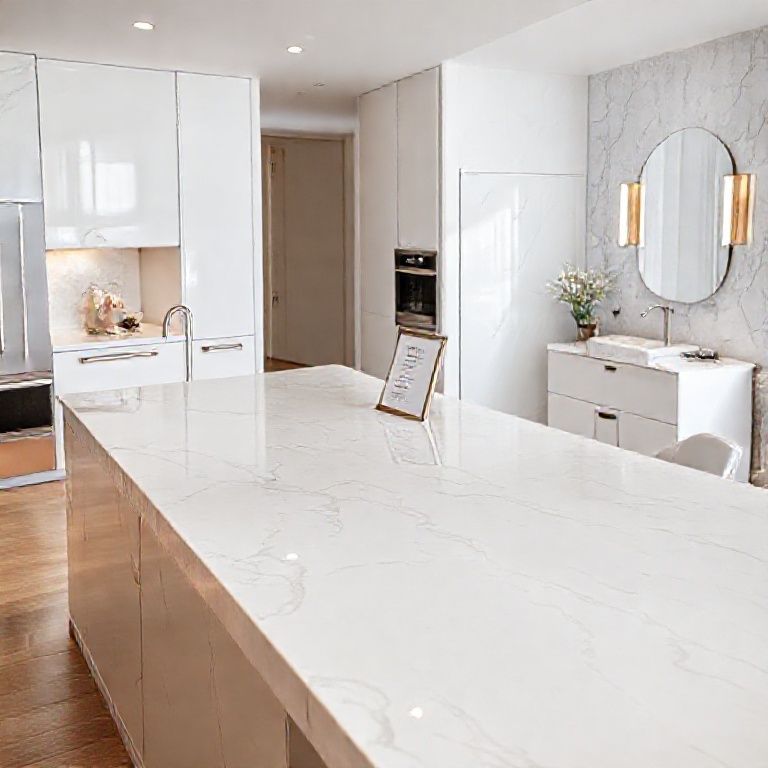
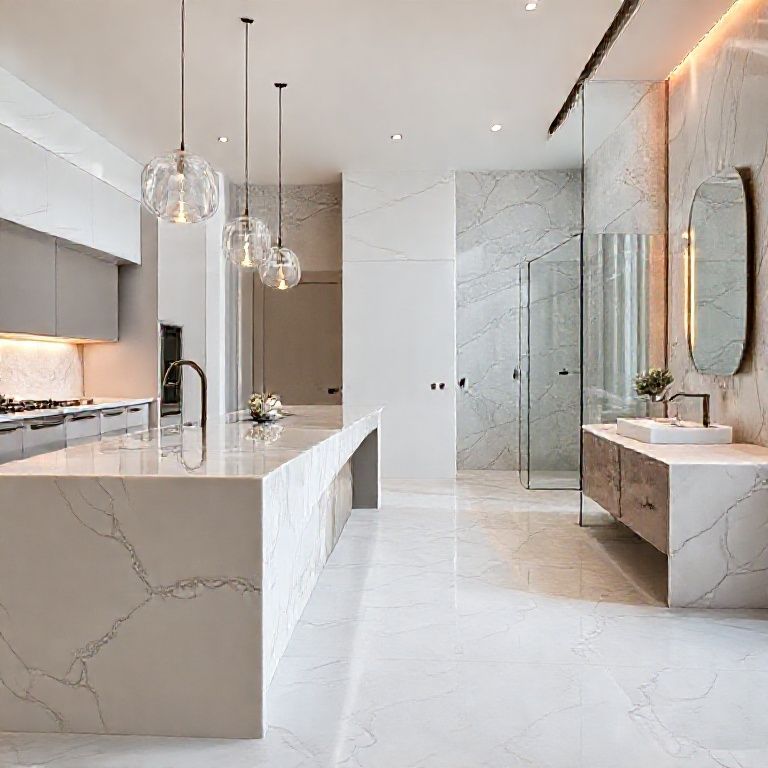
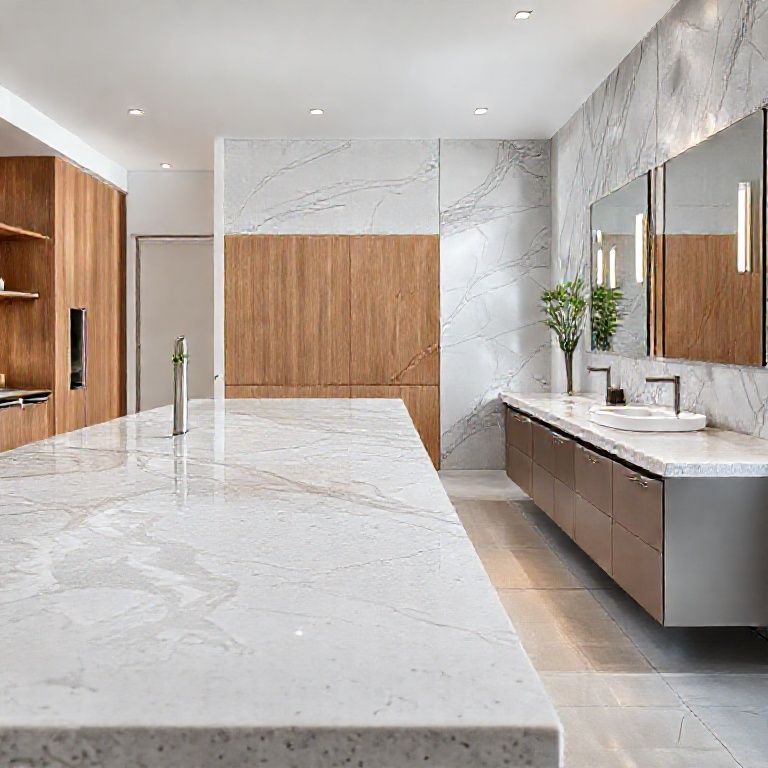
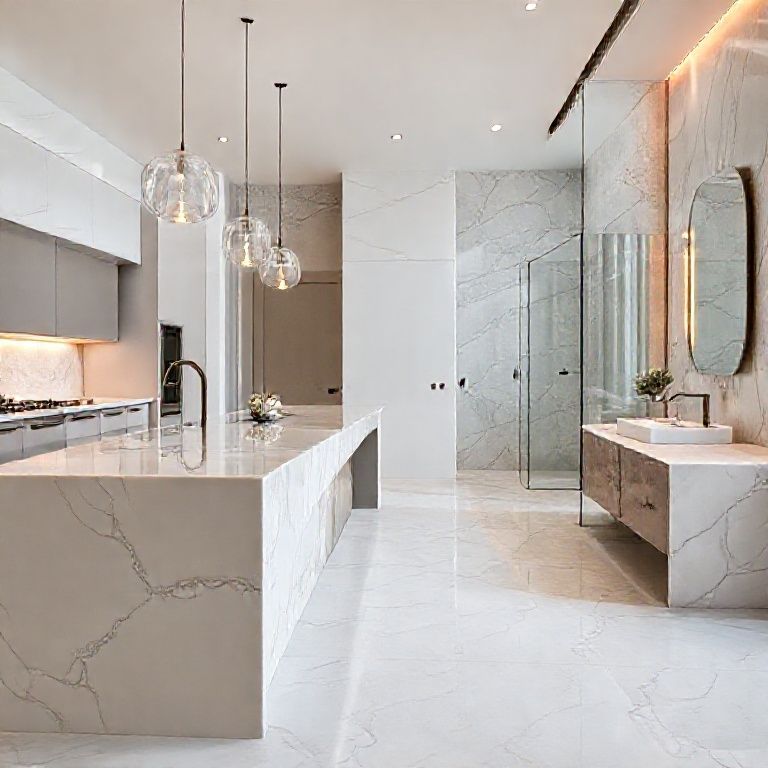
Minimalist Designs Minimalist kitchen designs often favor thinner countertops to create a sleek, modern look. While quartz and granite can be used at thinner thicknesses (around 1.5 inches), this requires careful consideration to ensure durability. Bold Statements For kitchens that aim to make a bold statement, thicker stone countertops (2 to 2.5 inches) can add a sense of grandeur and permanence. These thicker slabs often feature intricate patterns and veining, making them a focal point in the kitchen. Integrated Features Contemporary kitchen designs often incorporate integrated features such as sink cutouts, cutting boards, and even cooking elements. The stone thickness must accommodate these features while maintaining structural integrity.
Conclusion
Choosing the right thickness for your kitchen countertop stone is an essential step in creating a functional, durable, and aesthetically pleasing kitchen space. By understanding the recommended thickness for different stone types and considering installation techniques, you can ensure that your kitchen countertops meet both your design goals and practical needs. Whether you opt for the timeless elegance of marble or the modern appeal of quartz, the right thickness will help you achieve a kitchen that is both beautiful and resilient.
Stay tuned for the second part of our guide, where we will explore advanced installation techniques, maintenance tips, and additional design considerations for kitchen countertop stone thickness.